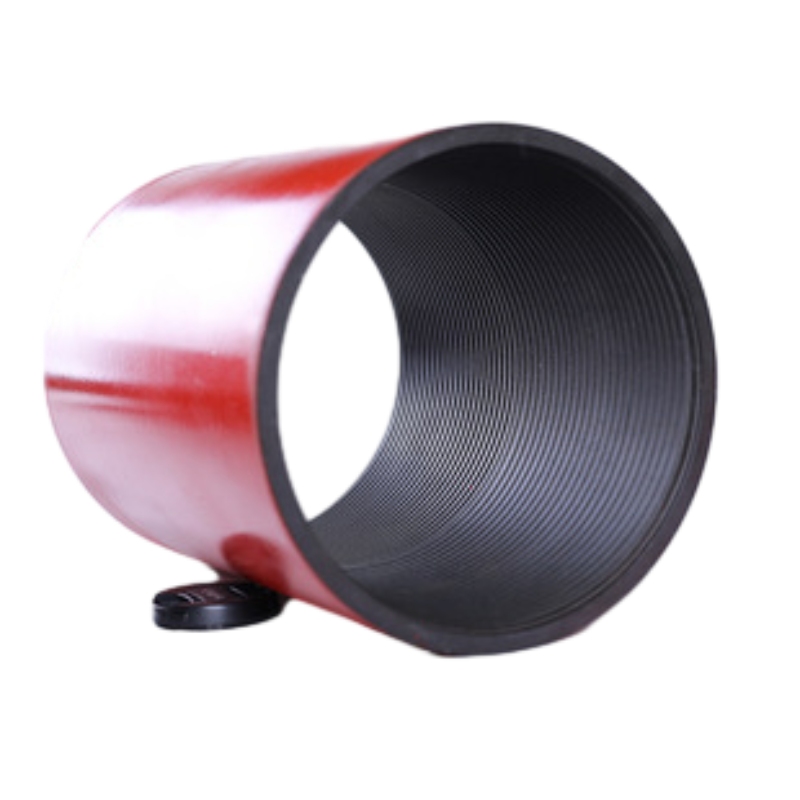


Comprehensive Guide on أبعاد المكونات الثور: Definitions, Applications, and Industry Impact
Understanding أبعاد المكونات الثور: A Global Perspective
So, what exactly is أبعاد المكونات الثور? You might have come across the term in technical specs or engineering contexts, but it’s really about the critical dimensions and specifications of core components used in various industrial applications worldwide. It matters because these dimensions directly influence performance, compatibility, and durability — especially in sectors where precision is vital. Frankly, getting a solid grip on أبعاد المكونات الثور means better efficiency, cost savings, and sometimes even safety improvements, which is why industries all over the globe pay close attention.
Introduction: Why أبعاد المكونات الثور Matters Globally
The world today runs on tightly integrated systems – from manufacturing plants in Germany to oil rigs off the coast of the Gulf, and even humanitarian aid equipment sent to remote regions. According to ISO studies, nearly 70% of manufacturing defects stem from dimensional inaccuracies. This is where أبعاد المكونات الثور steps in. Essentially, it’s a backbone concept that supports everything from industrial assembly lines to disaster relief setups. Oddly enough, it’s often overlooked but critical for reliability and sustainability.
When you think about it, mismatched components can cause massive delays and safety risks. For instance, in the oil and gas sector, where mechanical integrity is non-negotiable, having dependable component dimensions helps avoid costly downtime and dangerous failures.
Defining أبعاد المكونات الثور
In the simplest terms, أبعاد المكونات الثور refers to the key physical dimensions and tolerances specified for core industrial components. Think length, width, thickness, and the acceptable variance in these measures – all documented with precision. These components could be anything from mechanical shafts to modular housing units used in harsh environments.
This concept directly links to modern industries demanding precision manufacturing, and beyond that, it plays an essential role in humanitarian efforts. For example, aid organizations rely on modular components standardized in size to speed up emergency shelter deployments globally.
Key Aspects of أبعاد المكونات الثور
1. Durability
The specified dimensions ensure components fit correctly, reducing stress points that might cause wear. Durable components mean reduced maintenance — which is especially crucial in inaccessible sites like offshore platforms or desert installations.
2. Scalability
Standardized dimensions allow for modular expansion. Companies can add or replace parts without redesigning entire systems. This is evident in the growing modular construction industry, where components measure up seamlessly worldwide.
3. Cost Efficiency
Precision in أبعاد المكونات الثور helps avoid costly reworks. Components that fit perfectly reduce material wastage and installation time — saving money and resources over time.
4. Compatibility and Interoperability
When dimensions adhere to recognized standards, products from different vendors or countries can function together harmoniously, fostering international trade and collaboration.
5. Safety
Accurate dimensions reduce mechanical failures and the risk of accidents, a non-negotiable factor in critical industries such as oil, gas, and construction.
Global Applications and Cases of أبعاد المكونات الثور
In real terms, the dimensions of core components play into many scenarios. For instance:
- Post-Disaster Relief: Humanitarian agencies often utilize modular shelters with dimensions refined for rapid shipping and assembly. These shelters must be standardized to ship efficiently and be easily assembled in emergency zones.
- Maritime Industries: Oil rigs and ships use components measured with strict dimensional standards to withstand extreme conditions.
- Manufacturing Hubs: Factories across Asia and Europe depend on well-defined component sizes to maintain supply chains and product assembly lines.
- Remote Industrial Zones: Mining or drilling operations far from urban centers rely on modular, dimensionally compatible parts that can be quickly replaced.
Advantages and Long-Term Value of أبعاد المكونات الثور
There's more than just practical value here — precision in component dimensions brings emotional assurance to engineers and users alike. It’s about trust. When you know parts are manufactured to defined أبعاد المكونات الثور, you can count on safety, longevity, and performance.
Cost savings come naturally as fewer defects and downtimes occur, while sustainability benefits emerge from less waste and the ability to reuse or recycle components. It’s a brilliant mix of economic sense and environmental stewardship. Innovation thrives as companies build smarter, modular products that adapt to tomorrow’s needs.
Product Specifications Table: Example Industrial Component
| Specification | Details |
|---|---|
| Component Type | Steel Shaft |
| Length | 500 mm ± 0.02 mm |
| Diameter | 50 mm ± 0.01 mm |
| Material | Alloy Steel Grade 4140 |
| Surface Finish | Ra ≤ 0.8 µm |
Vendor Comparison: أبعاد المكونات الثور Providers
| Vendor | Precision Level | Lead Time | Certifications | Global Shipping |
|---|---|---|---|---|
| TechSolutions Inc. | ± 0.01 mm | 3 weeks | ISO 9001, API | Yes |
| PrecisionParts Ltd. | ± 0.02 mm | 4 weeks | ISO 9001 | Limited regions |
| Global Components Co. | ± 0.015 mm | 2 weeks | API, ISO 14001 | Yes |
Future Trends and Innovations
Looking ahead, technology is pushing the boundaries of أبعاد المكونات الثور. Smart manufacturing techniques like Industry 4.0 and digital twins let engineers simulate dimensions before production. Plus, advanced materials such as composites and shape-memory alloys mean components can be lighter but just as resilient.
Also, sustainability is no longer optional. Green manufacturing policies are driving development of components that adhere not just to dimension specs, but environmental standards. This mindset supports global efforts toward cleaner industries without compromising on performance.
Challenges and Expert Solutions
Of course, there are hurdles. Achieving consistent dimensional accuracy can be tricky with complicated geometries or extreme operating conditions. Supply chain disruptions may delay component delivery, affecting project timelines.
Experts suggest adopting robust quality control systems and flexible manufacturing setups to counter these challenges. Investing in local suppliers with clear standards can reduce dependencies and improve traceability. It feels like a sensible approach in a world where agility is key.
FAQ: Common Questions About أبعاد المكونات الثور
- Q1: How critical is dimensional accuracy for fast deployment housing?
- Dimensional accuracy ensures that modular parts lock together seamlessly, speeding up assembly and enhancing structural stability. For fast deployment housing, mismatched components can cause delays and compromise safety.
- Q2: What is the typical lifespan of components sized according to أبعاد المكونات الثور in harsh environments?
- When manufactured within precise dimensional tolerances and using proper materials, these components often last 10+ years, depending on environmental exposure and maintenance.
- Q3: Are containerized modular structures eco-friendly and cost-effective?
- Yes, because they optimize material usage and enable reusability. Their standard dimensions facilitate shipping efficiency and reduce waste compared to custom-built solutions.
- Q4: How do NGOs import these standardized components internationally?
- NGOs typically work with certified vendors who comply with international standards and handle customs documentation, ensuring components meet both dimensional requirements and regulatory approvals for smooth imports.
Conclusion
To wrap it up, mastering أبعاد المكونات الثور is about more than just numbers on a blueprint. It’s the lifeline connecting quality, safety, and innovation across industries worldwide. Paying close attention to these dimensions unlocks operational efficiencies, reduces waste, and builds trust — foundational pillars for long-lasting success in any sector.
Feel inspired? Curious for more? Visit our website: أبعاد المكونات الثور and explore how precision in component dimensions powers your industry’s future.
A little attention to detail often yields the biggest rewards.
References:
1. ISO Standards on Dimensional Tolerances
2. Wikipedia: Modular Building
3. United Nations Climate Change Initiatives
-
Tubing Coupling Questions: Uses, Materials and API CompatibilityNewsNov.02,2026
-
Casing Pup Joint Options Compared: Specifications, Materials and Supplier DocumentationNewsOct.28,2026
-
Guide to High Quality 2 inch stainless steel coupling for Oil GasNewsJul.01,2026
-
High Performance 2 inch steel coupling for Oil and Gas OperationsNewsJun.29,2026
-
High Precision 3 8 od copper coupling for Oil and Gas ConnectivityNewsJun.27,2026
-
High Quality 3 inch steel pipe coupling for Oil and Gas ProductionNewsJun.26,2026