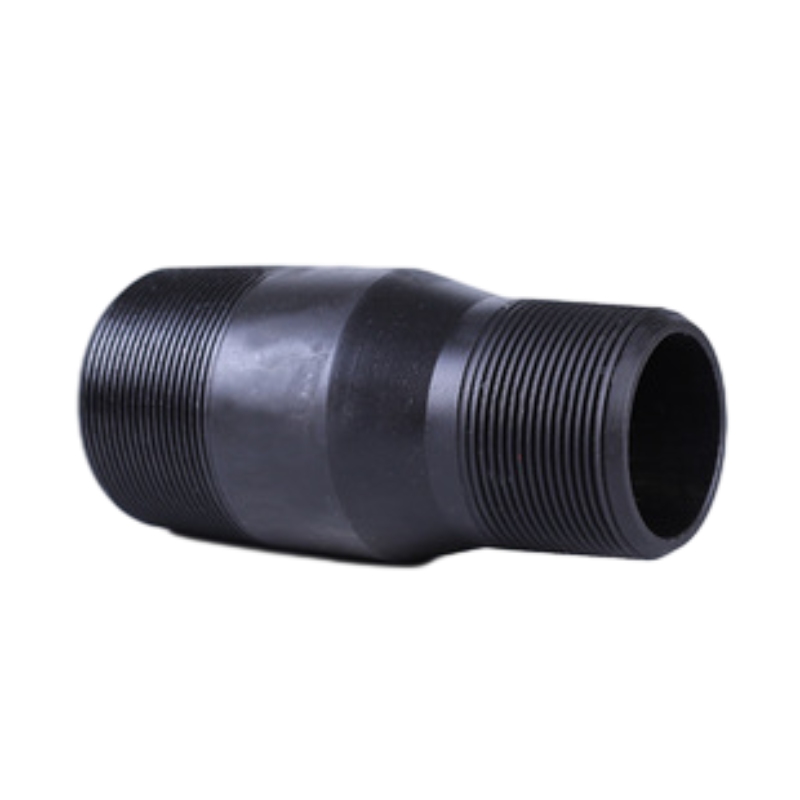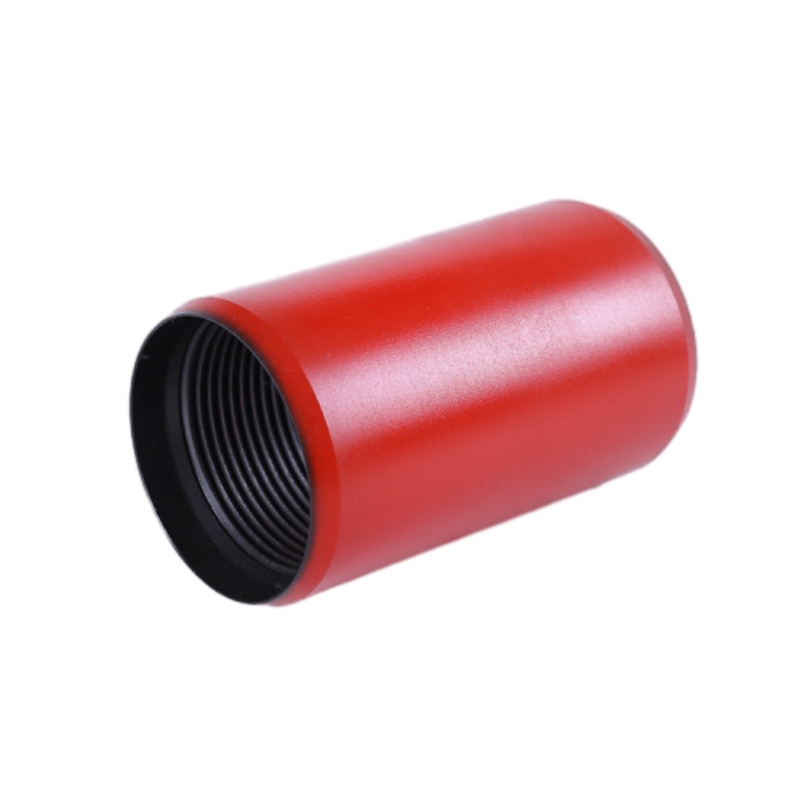


High Quality China Finished Casing Coupling for Oil and Gas Wells
Maintaining wellbore integrity in high-pressure oil and gas environments requires connection components that eliminate the risk of fluid leaks and structural failure. Finished casing couplings serve as the critical junction between casing sections, ensuring a secure, leak-proof seal that protects both the operational efficiency of the well and the surrounding environment. Given the extreme temperatures and corrosive fluids encountered in deep-sea drilling or hydraulic fracturing, the precision of the coupling thread and the grade of the steel are paramount to preventing costly downtime.
For procurement managers and drilling engineers, selecting a coupling is not merely about dimensional fit but about verifying adherence to rigorous global standards. By utilizing high-strength alloy or carbon steels, these components provide the necessary mechanical strength to withstand axial loads and internal pressures. This guide examines the technical requirements and selection criteria essential for integrating reliable coupling solutions into complex drilling strings.

The Engineering Role of Casing Couplings in Wellbore Stability
Casing couplings are specialized sleeves used to join two sections of casing, forming a continuous string that lines the borehole. Their primary function is to create a gas-tight and liquid-tight seal, preventing the migration of hydrocarbons between the tubing and the formation. In the challenging environments of the oil and gas industry, these couplings must resist not only the pressure of the reservoir but also the tension and compression forces exerted during the installation and production phases.
The integrity of the connection depends heavily on the thread design. Precise engineering of the threads ensures that the load is distributed evenly across the contact surfaces, reducing the likelihood of thread jumping or galling. High-quality couplings are typically manufactured from carbon steel, stainless steel, or high-performance alloy steels, depending on the H2S or CO2 levels present in the well, which dictate the required level of corrosion resistance.
- Structural Support: Maintains the mechanical continuity of the casing string.
- Leak Prevention: Ensures an airtight seal to protect the environment and prevent fluid loss.
- Pressure Containment: Designed to withstand extreme high-pressure and high-temperature (HPHT) conditions.

Adherence to API Standards for Global Compatibility
In the global oilfield equipment market, the American Petroleum Institute (API) provides the definitive specifications for tubing and casing couplings. Adhering to API standards is not optional; it is a necessity for ensuring interchangeability between different manufacturers and maintaining safety across the operational chain. These standards govern everything from the chemical composition of the steel to the exact tolerances of the thread pitch and diameter.
By following these strict guidelines, operators can source components with confidence, knowing that the coupling will mate perfectly with the casing. API specifications include rigorous performance testing criteria, such as tensile strength tests and seal integrity checks. This standardization reduces the risk of catastrophic failure during the extraction process, where a single faulty connection could lead to an environmental disaster or a complete loss of the well.
Furthermore, the use of standardized couplings allows for greater flexibility in the supply chain. Whether operating in North America, the Middle East, or Asia, the ability to utilize interchangeable components ensures that maintenance and repairs can be conducted rapidly without waiting for proprietary parts from a single vendor.
Application Scenarios and Material Selection Criteria
The choice of material for a casing coupling is driven by the specific geological and chemical conditions of the well. In standard onshore wells with low corrosive elements, high-grade carbon steel is often sufficient and cost-effective. However, in offshore environments or deep-water drilling, the presence of saline water and corrosive gases necessitates the use of stainless steel or specialized alloy steels to prevent stress corrosion cracking.
Different operational scenarios demand different performance characteristics:
- Hydraulic Fracturing: Requires couplings with exceptional tensile strength to handle the extreme pressures used to crack the rock formation.
- Deep-Sea Drilling: Demands materials with high collapse resistance and superior corrosion protection against saltwater.
- High-Temperature Wells: Necessitates alloys that maintain their structural integrity and seal at temperatures exceeding 300 degrees Fahrenheit.
Engineers must evaluate the "wet" conditions of the well—analyzing the concentration of hydrogen sulfide (H2S) and carbon dioxide (CO2)—to determine if NACE-compliant materials are required. Failing to match the material to the environment can lead to rapid degradation of the threads, resulting in leaks that are nearly impossible to repair without pulling the entire string.
Technical Selection Framework for Casing Couplings
| Environmental Condition | Recommended Material | Critical Performance Factor | API Compliance Level |
|---|---|---|---|
| Standard Onshore | Carbon Steel | Tensile Strength | Standard API 5CT |
| Corrosive (H2S/CO2) | Alloy Steel / Chrome | Corrosion Resistance | NACE MR0175 |
| HPHT Deepwater | Specialized Alloy | Seal Integrity | Premium API / Proprietary |
| Offshore Saline | Stainless Steel | Pitting Resistance | API Standard |
| Fracking Operations | High-Strength Steel | Burst Pressure | Standard API 5CT |
Evaluating Supplier Capabilities for Oilfield Equipment
When sourcing components like a china finished casing coupling, buyers must look beyond the price point and evaluate the manufacturer's quality control ecosystem. A reliable supplier should be a joint venture or a company with a proven track record of international exports, demonstrating that their products can perform in diverse geographical conditions. The ability to strictly follow API standards throughout the manufacturing process is the primary indicator of reliability.
Key evaluation factors include the supplier's inspection protocols. A top-tier manufacturer will implement a multi-stage verification process, checking dimensions, material certifications, and surface finishes before the product leaves the factory. Experience in exporting to multiple countries also suggests a familiarity with various regional regulatory requirements and logistics standards, ensuring that the equipment arrives on site ready for immediate deployment.
Furthermore, the breadth of the product line is a sign of expertise. Suppliers that offer a complete range of accessories—including pup joints, crossovers, and thread protectors—typically have a deeper understanding of how these components interact within the wellbore, providing better technical support and more cohesive system solutions for the operator.
Future Trends in Connection Technology and Procurement
The oil and gas industry is moving toward "smarter" and more durable connections to meet the demands of ultra-deep drilling. We are seeing a shift toward premium connections that offer enhanced torque capacity and improved sealability over standard API threads. As wells become more complex, the demand for couplings that can handle extreme bending stresses and rapid temperature fluctuations is increasing.
From a procurement perspective, there is a growing emphasis on total cost of ownership (TCO) rather than initial purchase price. The cost of a single leak in a deepwater well far outweighs the savings of choosing a cheaper, non-certified coupling. Consequently, buyers are prioritizing suppliers who can provide full traceability of materials and documented test results for every batch.
Digitalization is also playing a role, with some manufacturers implementing advanced CNC machining and automated inspection systems to eliminate human error. This transition ensures a level of consistency in thread geometry that was previously unattainable, further reducing the risk of failure in the field and enhancing the overall safety of the extraction process.
Frequently Asked Questions Regarding Casing Couplings
What is the primary difference between tubing and casing couplings?
Casing couplings are generally larger and designed to join the outer casing string that provides structural integrity to the well, while tubing couplings are smaller and connect the inner tubing string used for the actual flow of oil and gas.
Why is API certification critical for oilfield couplings?
API certification ensures that the product meets global standards for dimensions, materials, and performance, allowing components from different manufacturers to be interchangeable and ensuring a safe, leak-proof seal.
How do I choose the right material for a corrosive environment?
You must analyze the H2S and CO2 levels in the well. For corrosive environments, stainless steel or alloy steels that comply with NACE standards are recommended to prevent stress corrosion cracking.
What causes coupling failure in high-pressure wells?
Failures are typically caused by improper thread engagement, material fatigue, or corrosion. Precise engineering of the thread and selecting the correct steel grade are essential to prevent these issues.
Can standard API couplings be used in deep-sea drilling?
While they can, deep-sea drilling often requires "premium" connections with enhanced sealing and collapse resistance due to the extreme external pressures and corrosive nature of the ocean floor.
What should I check when evaluating a new coupling supplier?
Verify their adherence to API standards, their export history to diverse regions, and their internal quality control processes, including material certification and dimensional inspection.
Technical References and Industry Sources
- American Petroleum Institute (API) Official Standards
- NACE International - Corrosion Control Standards
- Society of Petroleum Engineers (SPE) Technical Library
- ISO Standards for Oil and Gas Equipment
For organizations seeking stable and reliable oilfield equipment, focusing on API-compliant manufacturing and material traceability is the most effective way to ensure operational safety and efficiency.
Related Technical Insights