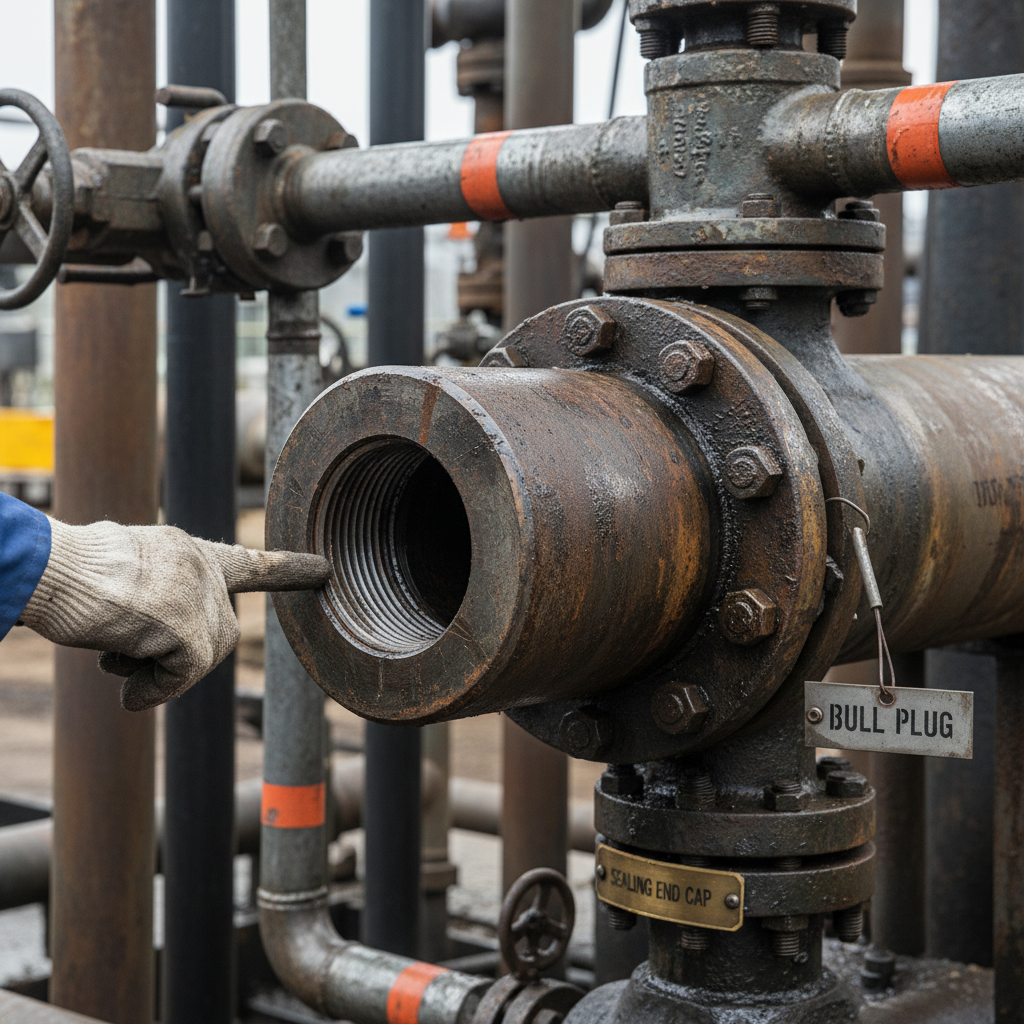


A china casing coupling is a high-precision threaded sleeve used to connect two sections of casing pipe within an oil or gas wellbore. These components are critical for maintaining the structural continuity of the well, ensuring that the casing string can withstand immense axial loads and internal pressures during drilling and production phases.
In the demanding environment of petroleum extraction, the failure of a single coupling can lead to catastrophic leaks, wellbore collapse, or costly non-productive time. Operators face constant challenges regarding thread wear, corrosion from acidic fluids, and the need for absolute seal integrity under extreme temperature fluctuations.
This technical guide examines the engineering specifications of casing couplings, the importance of API 5CT standards, and the selection criteria necessary to optimize wellbore integrity. Readers will gain insights into how high-quality couplings prevent leaks and ensure long-term operational safety.

1Fundamental Role of Casing Couplings

The primary function of a china casing coupling is to provide a secure, leak-proof connection between two pipes. By threading into the ends of the casing, the coupling creates a joint that preserves the internal diameter of the wellbore, allowing subsequent drilling tools or production tubing to pass through without obstruction.
Beyond simple connection, these components act as the primary defense against fluid migration between different geological strata. A failure in the coupling can allow hydrocarbons to seep into freshwater aquifers, leading to environmental hazards and regulatory penalties.
In complex drilling operations, couplings must be compatible with the specific grade of steel used in the casing. Mismatched metallurgy can lead to galvanic corrosion, accelerating the degradation of the joint in saline or acidic environments.
2Technical Specifications and API Standards
High-performance couplings must adhere to API 5CT specifications, which define the minimum requirements for chemical composition, mechanical properties, and thread dimensions. This standardization ensures that products from different manufacturers are interchangeable and meet global safety benchmarks.
The thread profile is perhaps the most critical specification. Whether using STC (Short Thread Coupled) or LTC (Long Thread Coupled) designs, the precision of the thread pitch and angle determines the torque required for a seal and the joint's resistance to pull-out forces.
Material selection typically involves high-strength carbon steel or chrome-alloy steels for corrosive environments. These materials undergo rigorous heat treatment processes to achieve the balance between ductility and strength required for deep-well applications.
3Operational Challenges in the Field
One of the most significant risks in the field is the effect of extreme pressure and temperature. As casing descends thousands of feet, it is subjected to immense compressive loads. If the coupling is not manufactured to exact tolerances, these loads can cause the threads to deform, leading to "connection failure."
Corrosion, specifically Hydrogen-Induced Cracking (HIC) and Stress Corrosion Cracking (SCC), poses a constant threat. In wells containing H2S (sour gas), standard carbon steel couplings can fail rapidly unless specifically treated or coated with protective materials.
Additionally, the process of "making up" the connection requires precise torque control. Under-torquing results in leaks, while over-torquing can stretch the threads, stripping the connection and necessitating an expensive work-over operation to replace the string.
4Performance Analysis and Seal Integrity
Seal integrity is measured by the coupling's ability to maintain a gas-tight barrier under varying loads. In high-pressure gas wells, a "premium" coupling with a metal-to-metal seal is often preferred over standard API threads to eliminate the risk of micro-leaks.
The efficiency of a china casing coupling is often evaluated based on its "make-up torque" vs. "tension" curve. A stable curve indicates a predictable connection that can be reliably installed in the field without risking structural deformation.
china casing coupling Performance Metrics
Data shows that precision-engineered couplings significantly reduce the incidence of leak-off during pressure tests. By optimizing the thread geometry, manufacturers can increase the contact area between the pin and the box, enhancing the overall seal.
5Procurement and Selection Criteria
When sourcing casing couplings, procurement teams must prioritize certification and material traceability. A Mill Test Report (MTR) is essential to verify that the steel chemistry and mechanical properties align with the specific needs of the well's depth and fluid composition.
Selection also depends on the expected life of the well. For short-term exploration wells, standard API couplings may suffice. However, for long-term production wells, investing in corrosion-resistant alloys (CRA) is a more cost-effective strategy to avoid future failures.
Compatibility with the casing pup joints and crossovers is another key factor. Ensure that all components in the string are sourced from a synchronized quality system to avoid thread interference or mismatched tolerances.
6Innovation in Thread Design
Modern innovation in coupling technology focuses on "Premium Connections." Unlike standard API threads, premium designs often incorporate a torque shoulder and a radial seal, which provides superior resistance to bending and internal pressure.
Advancements in CNC machining have allowed for tighter tolerances, reducing the variability between individual couplings. This consistency is vital for automated drilling rigs where precise torque application is managed by computer systems.
Furthermore, the industry is moving toward "smart couplings" embedded with sensors that can monitor real-time stress and temperature, allowing operators to detect potential failures before they occur.
7Comparison of Coupling Types
Choosing between different coupling types involves balancing cost, installation speed, and the specific technical requirements of the drilling environment. The following comparison highlights the trade-offs between common industry options.
While standard couplings are cost-effective for shallow wells, the increased risks associated with deep-water or high-pressure high-temperature (HPHT) wells necessitate the use of specialized premium couplings.
| Coupling Type | Seal Mechanism | Best Use Case | Main Limitation |
|---|---|---|---|
| STC (Short Thread) | Interference Fit | Shallow/Low Pressure | Lower Tension Strength |
| LTC (Long Thread) | Interference Fit | General Purpose | Moderate Seal Risk |
| BTC (Buttress) | Mechanical Wedge | High Tension Loads | Gas Leak Potential |
| Premium Seal | Metal-to-Metal | HPHT / Gas Wells | Higher Initial Cost |
| Chrome-Alloy | Chemical Barrier | Corrosive Environments | Material Availability |
| Flush Joint | Integrated Wall | Tight Hole Clearance | Lower Load Capacity |
Ultimately, the decision should be based on a thorough analysis of the well's geological profile and the predicted fluid chemistry to ensure the long-term viability of the production string.
Frequently Asked Questions
Conclusion
Selecting the correct china casing coupling is a fundamental decision that directly impacts the safety and longevity of any oil or gas well. By prioritizing API 5CT compliance, choosing the appropriate thread design for the environment, and ensuring precise torque application, operators can significantly reduce the risk of costly failures and environmental hazards.
For organizations evaluating high-precision drilling components and seeking reliable manufacturing standards, detailed product specifications and compatibility guides can be reviewed at www.wjpetroleum.com to ensure optimal wellbore performance.