

Securing the structural integrity of a wellbore depends heavily on the precision of its connections. For procurement managers and drilling engineers, sourcing wholesale api threading casing coupling solutions is not merely a matter of cost, but a critical decision regarding the safety and longevity of the entire oil and gas extraction operation.
Casing couplings act as the primary linkage between individual sections of casing, ensuring a leak-proof seal against high-pressure environments and corrosive fluids. When these components fail, the result is often catastrophic, leading to casing collapse or uncontrolled fluid migration that can jeopardize the entire project.
Navigating the wholesale market requires a deep understanding of API standards and the ability to distinguish between basic threaded options and premium connections. This guide analyzes the technical requirements and procurement strategies necessary to ensure optimal well performance through reliable coupling selection.

The Critical Role of API Standards in Casing Couplings

The oil and gas industry relies on standardized specifications to ensure global compatibility and safety. API (American Petroleum Institute) standards define the exact dimensions, material properties, and threading tolerances that every casing coupling must meet to be considered viable for field use.
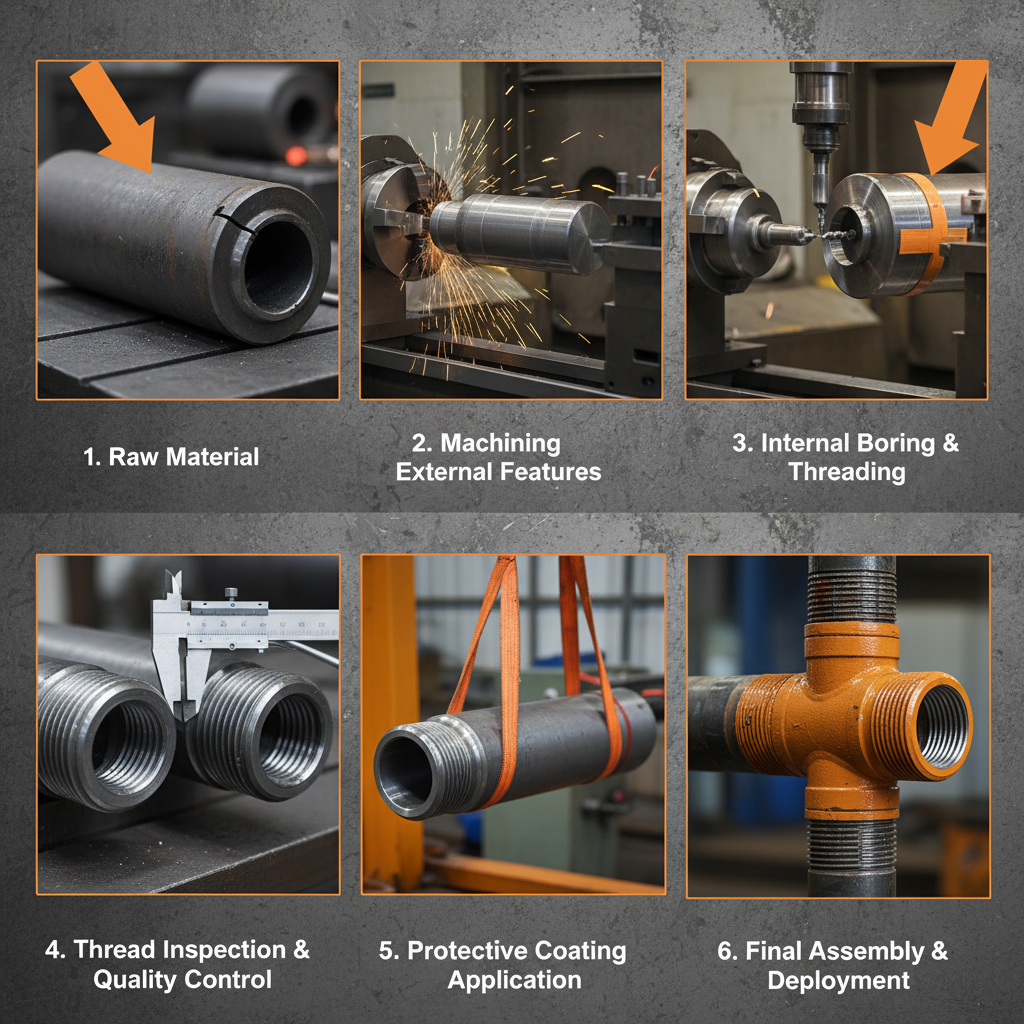
When sourcing wholesale api threading casing coupling, adherence to these standards prevents the risk of "cross-threading" or improper fitment during the assembly of casing strings. A coupling that deviates by even a fraction of a millimeter can create a weak point in the wellbore, leading to catastrophic failure under extreme geothermal stress.
By following strict API guidelines, manufacturers ensure that products are interchangeable across different suppliers and compatible with various drilling rigs worldwide. This standardization is what allows for the efficient, large-scale deployment of casing systems in diverse geographical regions.
Technical Core: Seal Integrity and Pressure Resistance
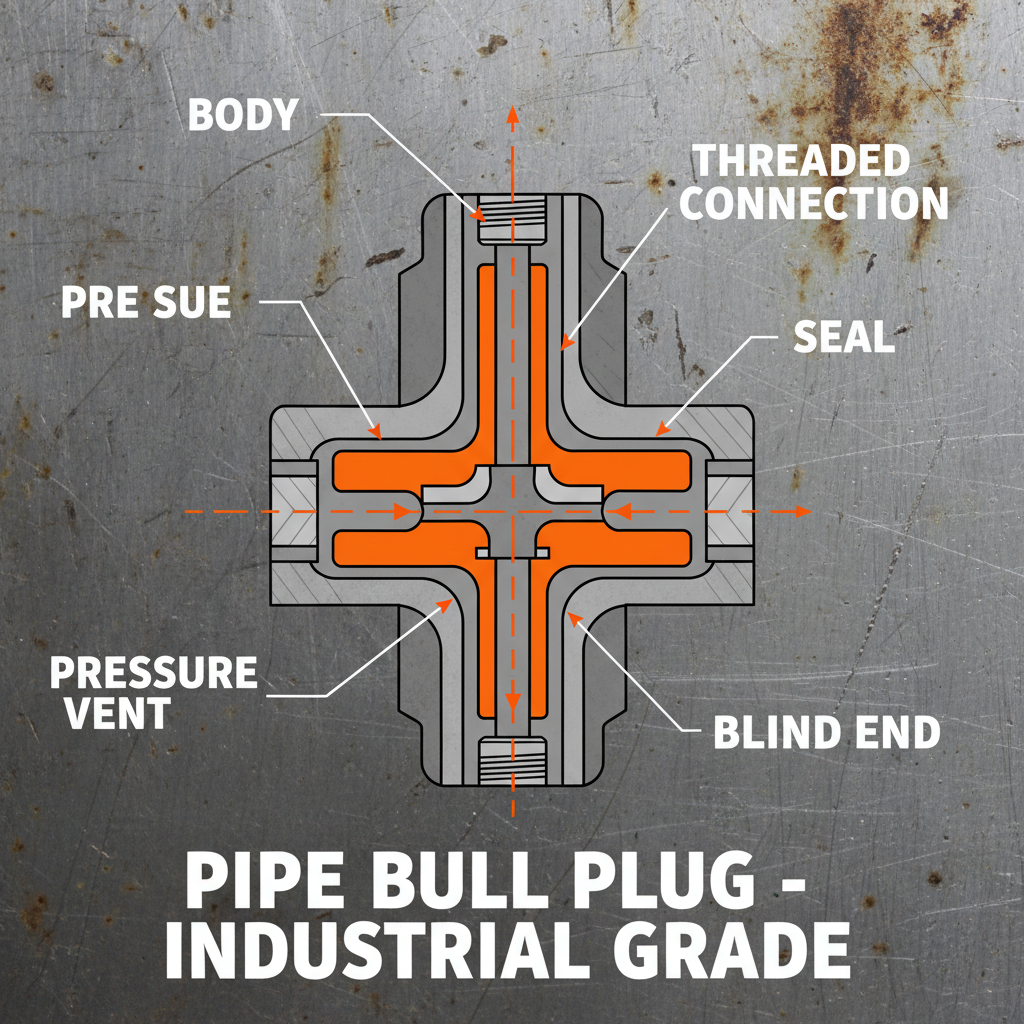
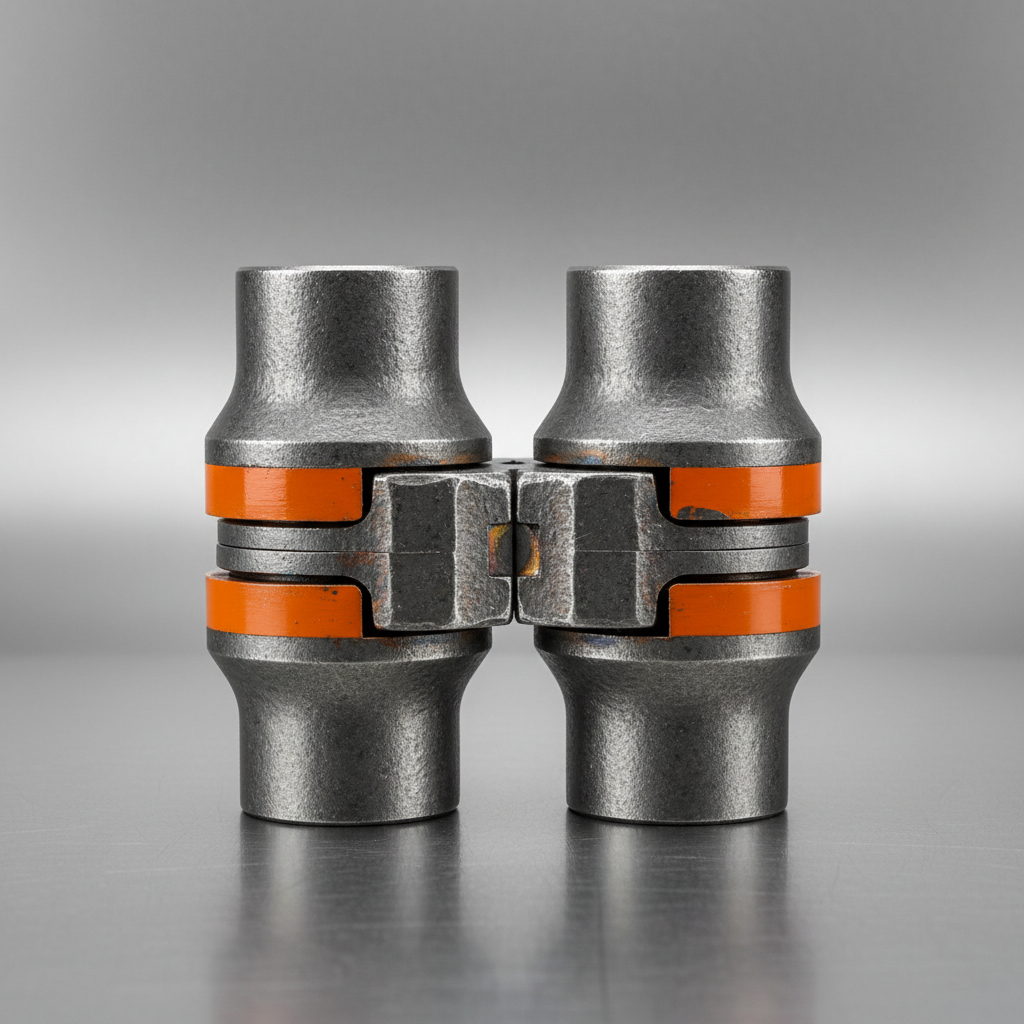
The primary function of a casing coupling is to provide a secure, leak-proof seal. This is achieved through precise threading and, in many cases, the addition of specialized sealants or premium connection designs that can withstand immense axial loads and internal pressures.
Beyond simple connectivity, couplings must resist corrosion from H2S and CO2, which are common in many deep-well environments. This requires the use of high-grade alloys and specific heat-treatment processes to ensure the metal does not succumb to stress corrosion cracking over the life of the well.
The selection between a standard API thread and a premium connection often comes down to the expected operating environment. While standard threads are cost-effective for low-pressure wells, premium connections are mandatory for high-pressure, high-temperature (HPHT) applications where the risk of leakage is significantly higher.
Application Scenarios Across Different Wellbore Conditions
The application of casing couplings varies significantly depending on the depth and purpose of the well. In shallow wells, standard casing couplings provide sufficient strength and sealing for basic protection of the surrounding rock formations.
In contrast, deep-water drilling or shale gas extraction requires couplings that can handle extreme tension and compression. In these scenarios, the coupling must not only hold the weight of thousands of feet of casing but also resist the collapsing pressure of the external formation.
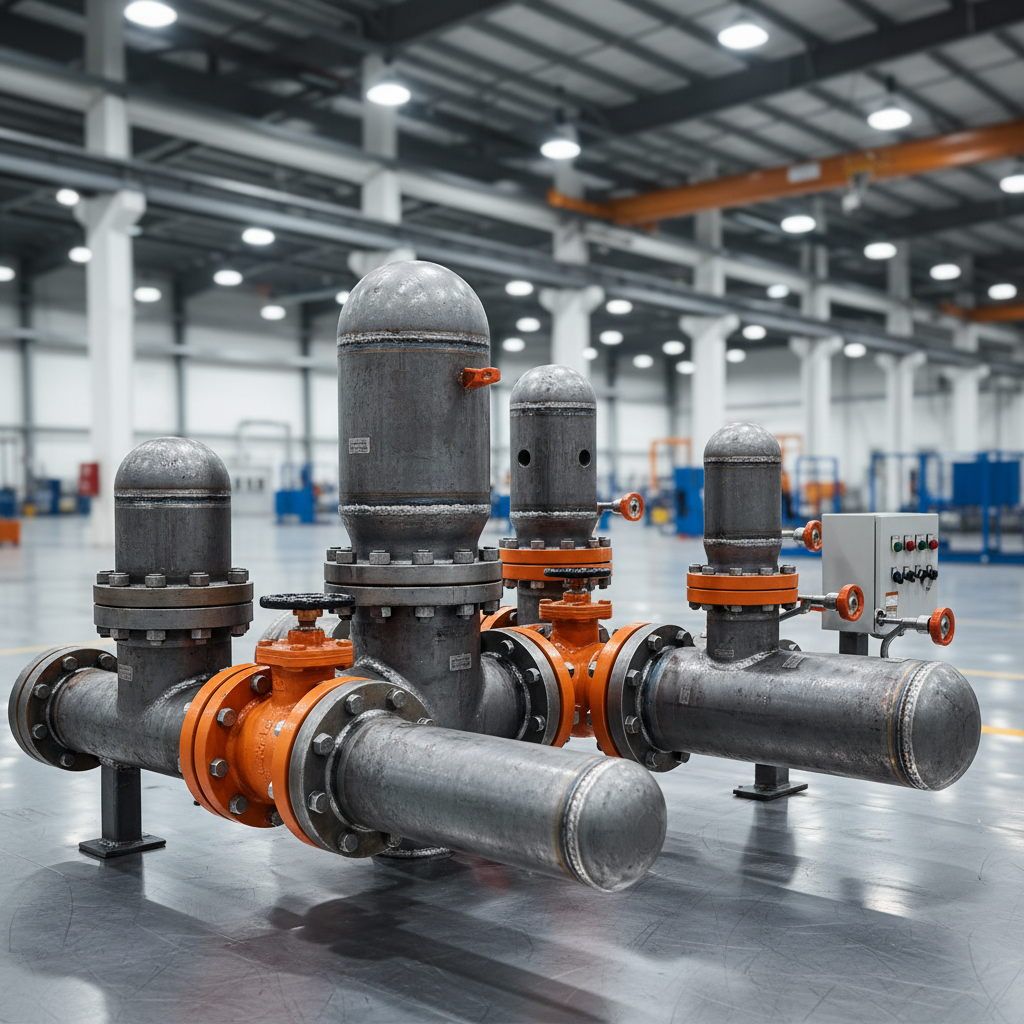
Additionally, specialized applications such as perforated tubing or the use of Crossover components require tailored coupling solutions. These ensure that different pipe sizes or thread types can be linked securely without compromising the pressure seal of the system.
Evaluating Performance Metrics for Threaded Connections
Measuring the success of a coupling installation involves analyzing several key performance indicators (KPIs). These include the torque required for make-up, the seal efficiency under pressure cycles, and the resistance to tensile failure.
When comparing standard API couplings to high-performance alternatives, the difference in "seal reliability" and "installation speed" becomes evident. High-quality threading reduces the time required for assembly, thereby minimizing costly rig downtime.
wholesale api threading casing coupling Performance Metrics
The data suggests that while initial procurement costs may vary, the reduction in leak-related downtime and the extension of well productivity provide a significant return on investment for those opting for strictly API-compliant, high-grade couplings.
Procurement Strategy for Wholesale API Threading Components
For large-scale operations, purchasing couplings in bulk requires a balance between lead times, cost, and certification. A failure in the supply chain for a critical component like a casing coupling can halt drilling operations entirely.
Buyers should evaluate suppliers based on their manufacturing consistency and their ability to provide a full range of accessories, including Casing Pup Joints and Tubing Couplings, to ensure system-wide compatibility.
Establishing a relationship with a manufacturer that follows a joint-venture model of international quality standards—such as the collaboration between Canada's Westcan Oilfield Supply and Jizhou Zhongjia—often ensures a higher level of reliability in the final product.
Future Trends in High-Performance Connection Materials
The industry is moving toward "smart" casing systems and new metallurgy. The development of nano-coatings for threads is likely to further reduce friction during installation and enhance corrosion resistance in ultra-deep wells.
We may also see an increase in the adoption of non-metallic seals within API-standard couplings to handle the increasingly volatile temperatures found in geothermal energy extraction projects.
Automation in the threading process is expected to reduce human error, leading to even tighter tolerances and a decrease in the failure rate of wholesale connections during high-pressure testing.
Selection Guide: Choosing the Right Coupling Grade
Selecting the appropriate coupling depends on the specific stress profile of the well. A mismatch between the coupling grade and the casing material can lead to premature failure at the connection point.
The following table provides a decision-making framework based on common operating conditions and the corresponding technical approach for coupling selection.
| Well Condition | Coupling Type | Primary Requirement | Risk Factor |
|---|---|---|---|
| Standard Shallow | API Threaded | Cost Efficiency | Low Pressure Leak |
| High H2S/CO2 | Corrosion Resistant Alloy | Chemical Stability | Stress Cracking |
| HPHT Deep-well | Premium Connection | Gas-Tight Seal | Thermal Expansion |
| Offshore/Marine | Heavy-Wall Coupling | Tensile Strength | Structural Collapse |
| Unconventional Shale | Modified API Thread | Fast Assembly | Threading Wear |
| Geothermal | High-Temp Alloy | Thermal Endurance | Seal Degradation |
By aligning the coupling specification with the environmental risks of the project, operators can maximize well productivity while minimizing the need for expensive remedial work or unplanned interventions.
Frequently Asked Questions
Conclusion
The efficiency of an oil and gas operation is often determined by the smallest components. Ensuring that every connection in the casing string is secure through high-quality, API-compliant couplings is a non-negotiable requirement for modern drilling safety and productivity.
For organizations looking to optimize their supply chain and ensure technical reliability, reviewing specialized product ranges—including Casing Pup Joints, Crossovers, and Tubing Couplings—is essential. Professionals evaluating these components can find detailed product and company specifications through www.wjpetroleum.com.