When configuring a wellbore for production, the precise adjustment of string length is often the difference between a successful completion and costly operational delays. For procurement managers and drilling engineers, finding reliable pup joint manufacturers is not merely about sourcing a piece of steel tubing, but about ensuring the structural integrity of the entire connection string. These short lengths of pipe are critical for spacing out the tubing or casing to ensure that components like packers or nipples are seated exactly where they need to be.
The technical challenge lies in the fact that these components must mirror the mechanical properties of the primary string while maintaining absolute seal integrity under extreme pressures. Whether dealing with Casing Pup Joints or Tubing Pup Joints, the interface between different thread types and sizes requires precision engineering. This is where the relationship between a manufacturer's adherence to API standards and the operational success of the well becomes evident, as any failure in a pup joint can lead to leaks or catastrophic string failure.
Understanding the nuances of material selection and thread configuration allows operators to maximize production output and minimize downtime. By analyzing the technical requirements of various downhole environments, this guide explores the critical factors in selecting pup joint manufacturers and how these specialized components integrate with other essential tools like Crossovers, Casing Couplings, and Pump Seating Nipples to maintain wellbore stability.


Pup joints are essentially short lengths of casing or tubing used to adjust the total length of the string. In the context of oil and gas extraction, they provide the necessary flexibility to account for discrepancies between the theoretical depth of a well and the actual depth reached during drilling. These components are engineered to the same specifications as the main pipe, ensuring that there is no weak point introduced into the string.
The manufacturing process focuses heavily on the connection ends. Whether they are utilizing standard API connections or premium threads, the precision of the thread profile determines the seal's ability to withstand high-pressure gas or fluid migration. This precision is what separates industrial-grade equipment from high-performance tools used in challenging deepwater or high-pressure high-temperature (HPHT) wells.
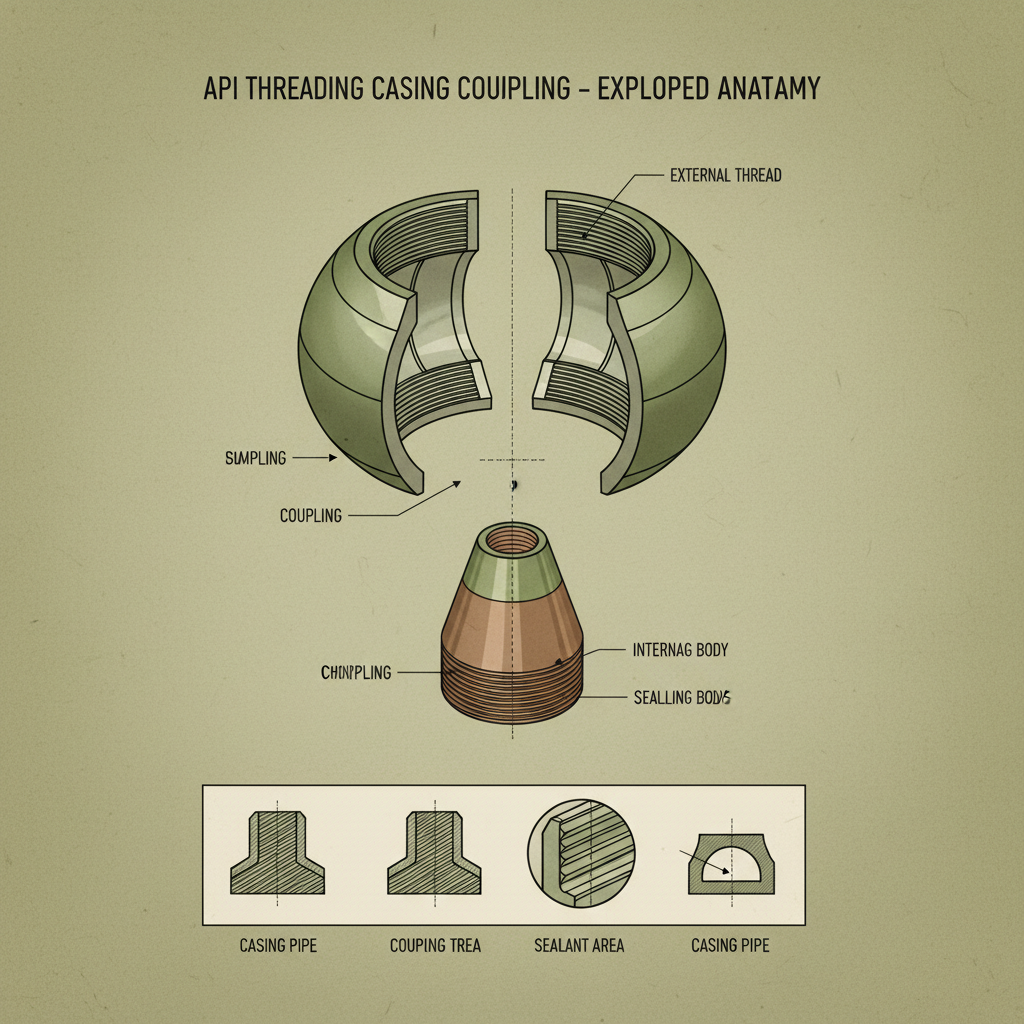
Several technical variables determine whether a pup joint will perform reliably over the life of a well. First is the material grade; the steel must be capable of withstanding axial loads and burst pressures without yielding. Second is the thread configuration, which must be perfectly compatible with the Casing Coupling or Tubing Coupling to prevent galling or cross-threading during installation.
The primary risk in pup joint selection is the mismatch of material properties between the joint and the main string, which can lead to localized stress concentrations and premature failure under cyclic loading.
Furthermore, the environmental conditions—such as the presence of H2S or CO2—require specific metallurgy to prevent sulfide stress cracking or general corrosion. Manufacturers who strictly follow API standards ensure that these metallurgical properties are verified through rigorous testing, providing a reliable interface for the entire tubing and casing assembly.
When assessing the compatibility of various downhole components, engineers look at the transition efficiency between different pipe sizes and thread types. This is where the Crossover becomes an essential partner to the pup joint, allowing for the connection of sections with different dimensions while maintaining a leak-free seal.
The following data represents the relative impact of different quality control factors on the overall reliability of the connection string. By prioritizing thread precision and material certification, operators can significantly reduce the probability of leak-off during the production phase.
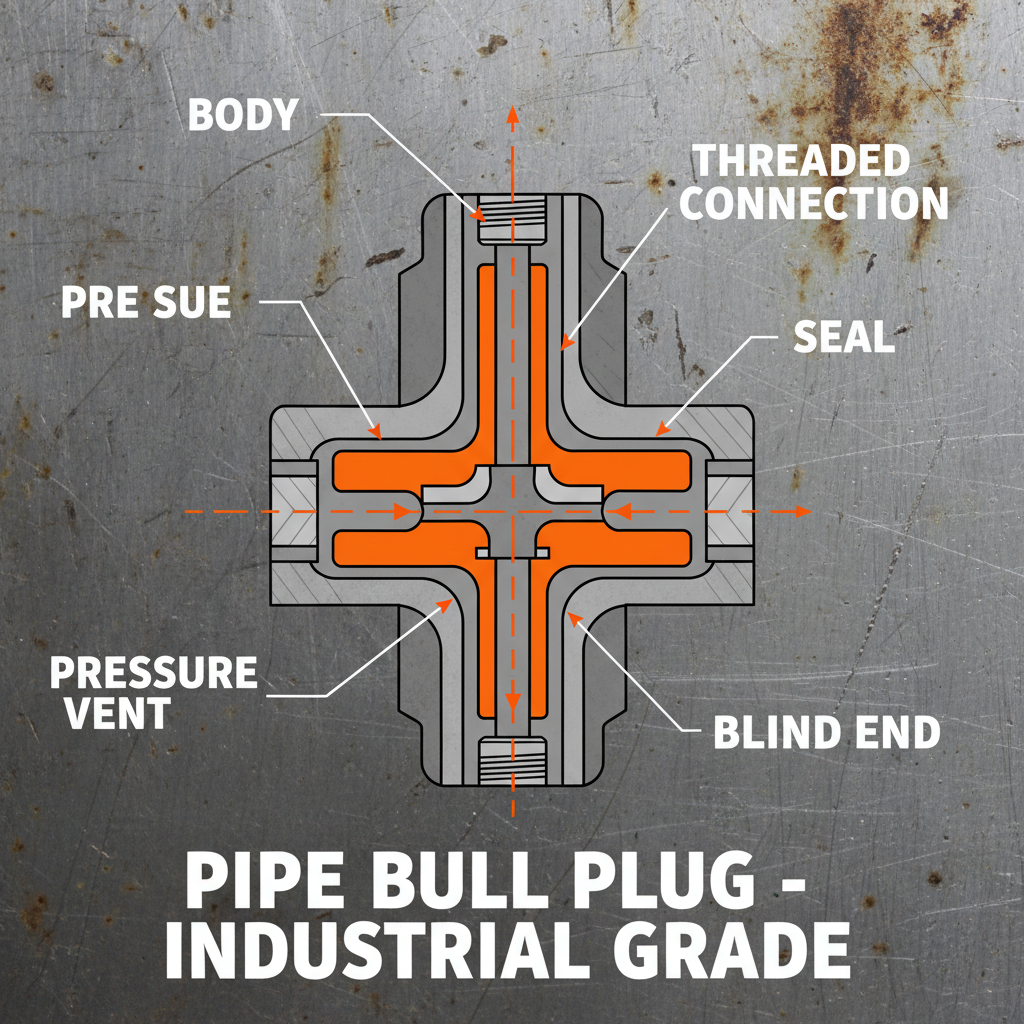
In high-pressure environments, the role of the pup joint extends beyond simple spacing. It must act as a robust structural member. In these scenarios, components like Bull Plugs are often used for temporary isolation or permanent abandonment, requiring the same level of pressure containment as the pup joints themselves.
The synergy between Tubing Pup Joints and Pump Seating Nipples is particularly critical in artificial lift operations. The seating nipple provides the connection point for the pump, and the pup joint ensures that this point is positioned at the optimal depth for fluid intake, directly impacting the overall efficiency of the production operation.
The evolution of materials in the oilfield equipment sector has moved toward high-alloy steels and specialized coatings. Modern pup joints are often manufactured from carbon steel, stainless steel, or brass, depending on the specific corrosivity of the wellbore fluids. This flexibility allows operators to customize their string based on the chemical composition of the reservoir.
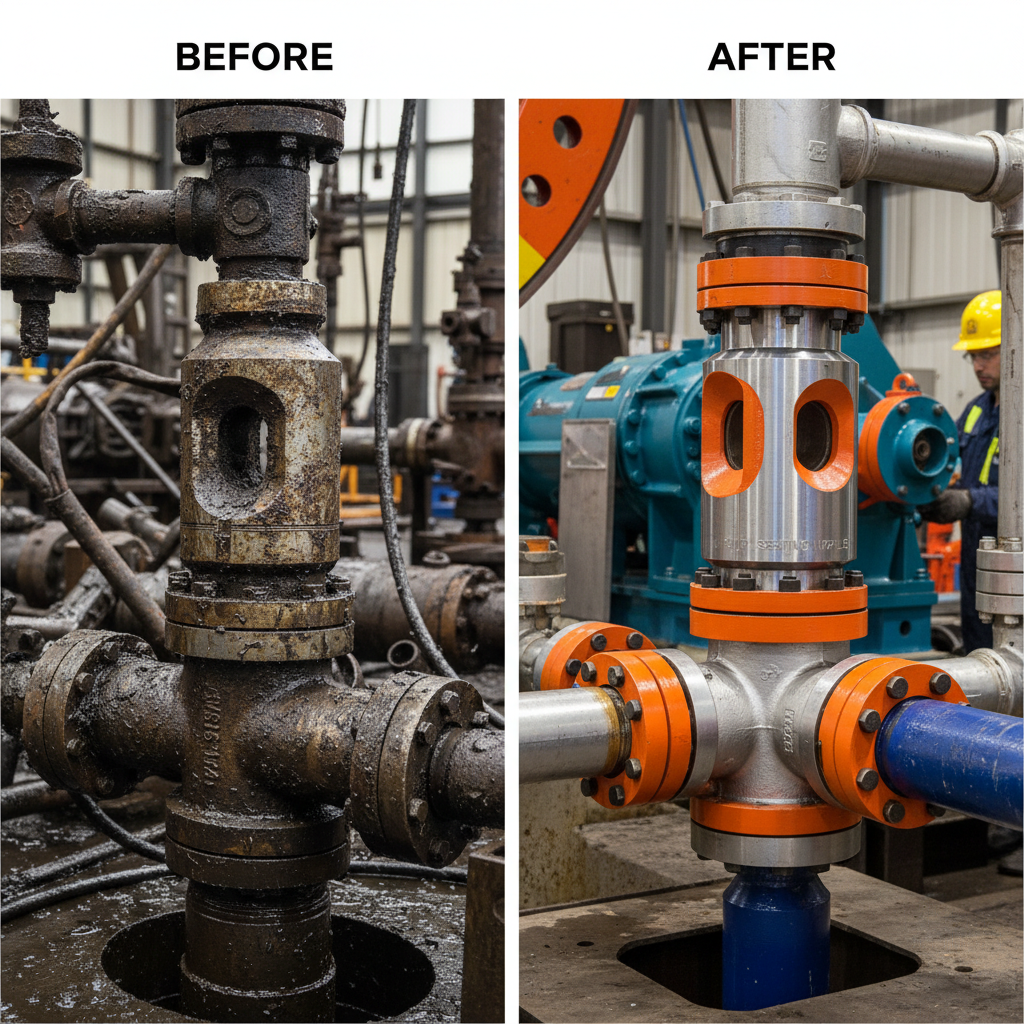
Beyond the base metal, the focus has shifted to the integrity of the thread protectors. Tubing Thread Protectors are no longer seen as optional accessories but as essential components that prevent damage during transit and handling, ensuring that the precision-machined threads remain pristine until they reach the wellhead.
As drilling moves into deeper and harsher territories, the demand for "Premium" connections—those offering metal-to-metal seals—has increased. These connections provide a higher level of security compared to standard API threads, which is essential for high-gas-content wells where the risk of leakage is highest.
Procuring equipment from pup joint manufacturers involves balancing cost with technical compliance. The most significant challenge for buyers is ensuring that the delivered products strictly adhere to the specified API standards. A slight deviation in thread pitch or wall thickness can lead to an inability to make up the connection in the field, resulting in expensive rig time losses.
To mitigate these risks, operators should look for manufacturers who operate as joint ventures with international expertise, combining global quality standards with efficient production capabilities. Such partnerships often ensure a more stable supply chain and a higher consistency in product metallurgy.
Ultimately, the value of a supplier is measured by the reliability of their products in practical application. Whether exporting to 20 countries or serving a local basin, the proof of quality lies in the absence of failure during the operational lifecycle of the well.
| Component | Primary Function | Key Requirement | Critical Risk |
|---|---|---|---|
| Tubing Pup Joint | String Spacing | Thread Precision | Seal Leakage |
| Casing Coupling | Pipe Connection | Tension Strength | Thread Galling |
| Crossover | Size Transition | Wall Thickness | Pressure Drop |
| Pump Nipple | Pump Seating | Material Hardness | Seating Failure |
| Bull Plug | Well Sealing | Burst Rating | Fluid Leakage |
| Thread Protector | End Protection | Fit Tightness | Thread Damage |
The primary purpose is to provide precise adjustments to the total length of the tubing or casing string. This allows operators to "space out" the string so that critical components, such as packers or pump seating nipples, are positioned exactly at the required depth for optimal performance.
Integrity is ensured by strictly following API standards for thread machining and material selection. By using high-precision CNC machinery to create thread profiles and verifying the metallurgy through certifications, manufacturers ensure that the joints can withstand the high-pressure and high-temperature conditions of the well.
A crossover is used when there is a need to connect two components with different thread types or different diameters. While a pup joint only adjusts length within the same pipe specification, a crossover acts as an adapter to facilitate the transition between different sections of the wellbore string.
In corrosive environments, manufacturers typically use stainless steel, chrome-alloy steels, or brass. These materials provide the necessary resistance to H2S and CO2, preventing stress corrosion cracking and pitting that would otherwise lead to rapid failure of standard carbon steel pipes.
The main risks include poor thread fit, which can lead to leaks, and inconsistent material strength, which may result in string collapse or burst under pressure. Non-certified products often lack the documented heat treatment and stress testing required to guarantee safety in deep-well operations.
Thread protectors prevent mechanical damage, corrosion, and contamination of the machined ends during shipping and storage. By maintaining the integrity of the threads, they ensure that the pup joint can be installed without galling, which preserves the original seal design of the connection.
The selection of high-quality pup joints is a critical technical decision that impacts the long-term viability of any oil and gas production well. By focusing on the synergy between thread precision, material grade, and API compliance, operators can ensure that their wellbore configurations are both stable and efficient. From the basic spacing provided by tubing pup joints to the complex transitions enabled by crossovers, every component must work in unison to prevent leaks and maximize flow.
For those seeking reliable equipment that meets international standards, partnering with an experienced manufacturer is essential. By prioritizing verified quality and technical support, you can safeguard your operations against costly downtime. For more information on professional oilfield equipment solutions, you are invited to explore the product range at https://www.wjpetroleum.com.