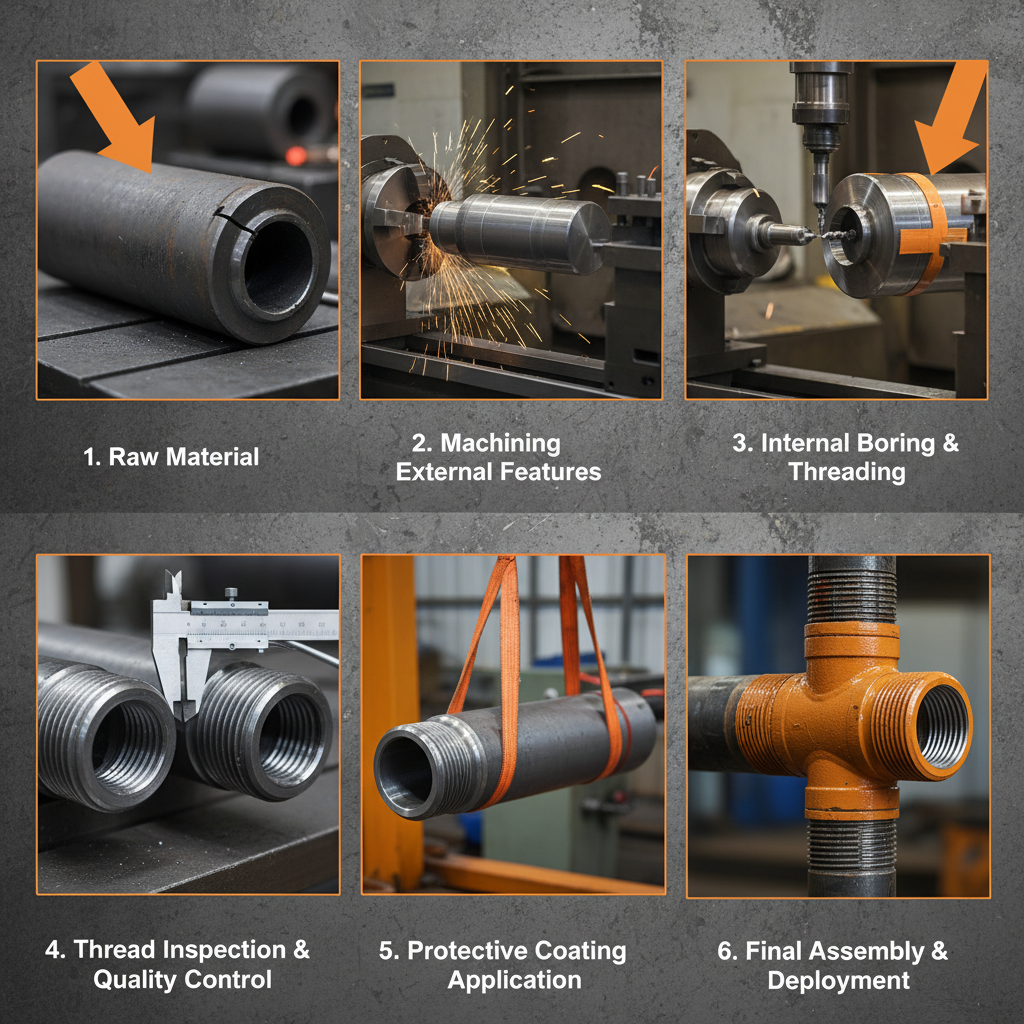
The oil and gas industry relies heavily on robust and reliable equipment, and a critical component often overlooked is the pipe bull plug. These seemingly simple devices play a vital role in ensuring well integrity, facilitating maintenance, and safeguarding against costly and potentially dangerous leaks. Understanding the nuances of pipe bull plug selection, application, and maintenance is paramount for operators striving for efficient and safe operations.
Globally, the demand for effective well plugging and abandonment solutions is steadily increasing, driven by factors such as aging infrastructure, stricter environmental regulations, and the growing need for responsible resource management. The proper implementation of pipe bull plug technology directly impacts operational costs, environmental footprint, and long-term reservoir integrity. These aren't simply "parts"; they are essential to a sustainable energy future.
From the Permian Basin in the United States to the North Sea and beyond, oil and gas companies are continuously seeking innovative solutions to optimize production and minimize risk. The humble pipe bull plug represents a key piece of this puzzle, offering a cost-effective and reliable means of achieving well control and ensuring long-term safety.
Understanding Pipe Bull Plugs and Their Global Relevance
Pipe bull plugs are essential components used for temporarily or permanently sealing the bottom of oilfield tubulars, providing a barrier to flow. Their significance extends beyond simple plugging; they are integral to well control, safety, and efficient operation. According to the U.S. Energy Information Administration, over one million oil and gas wells are currently in production in the United States alone, each requiring regular maintenance and potential well intervention, often involving the use of pipe bull plugs.
The global cost of non-productive time (NPT) in oil and gas operations is estimated to be billions of dollars annually. A properly selected and installed pipe bull plug can significantly reduce NPT by ensuring a secure and reliable seal, minimizing the risk of leaks and subsequent downtime. Maintaining well integrity is not only economically vital but also crucial for environmental protection and public safety.
Defining a Pipe Bull Plug: A Core Component
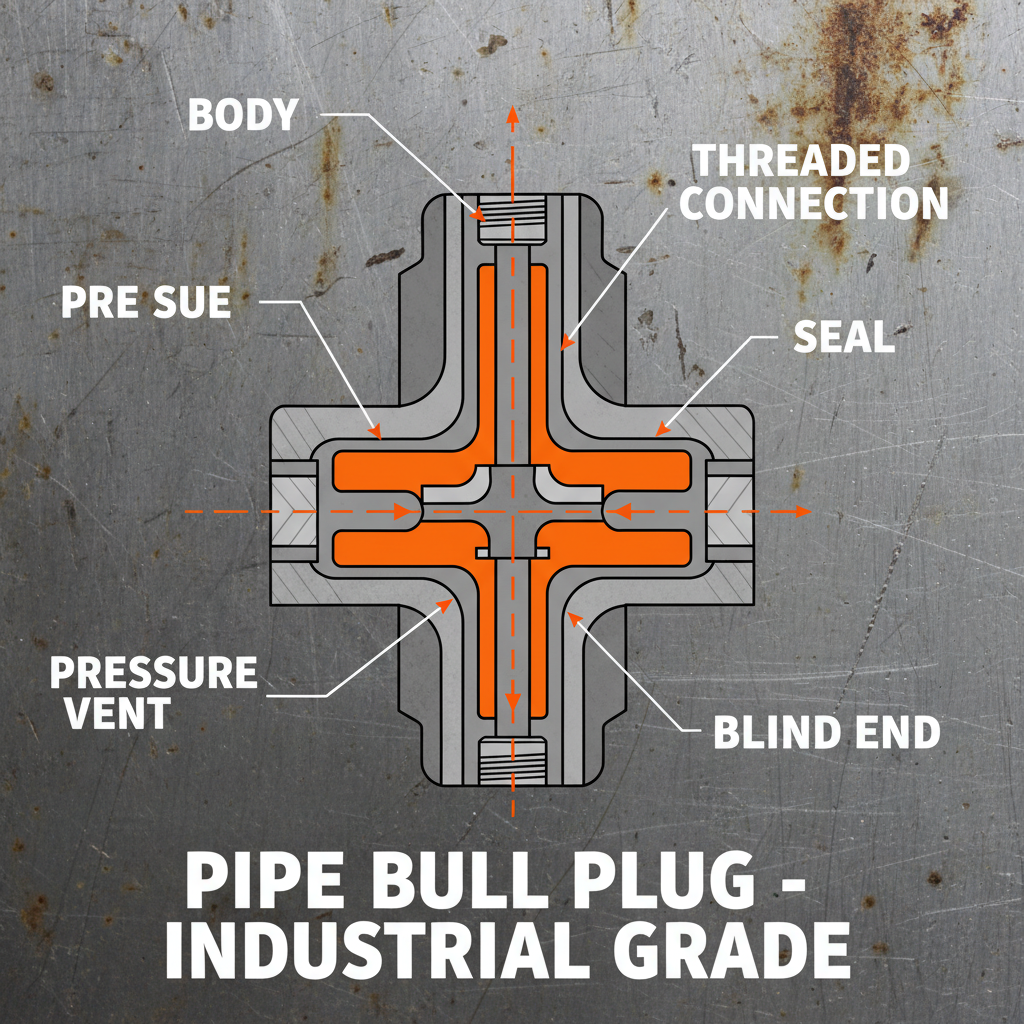
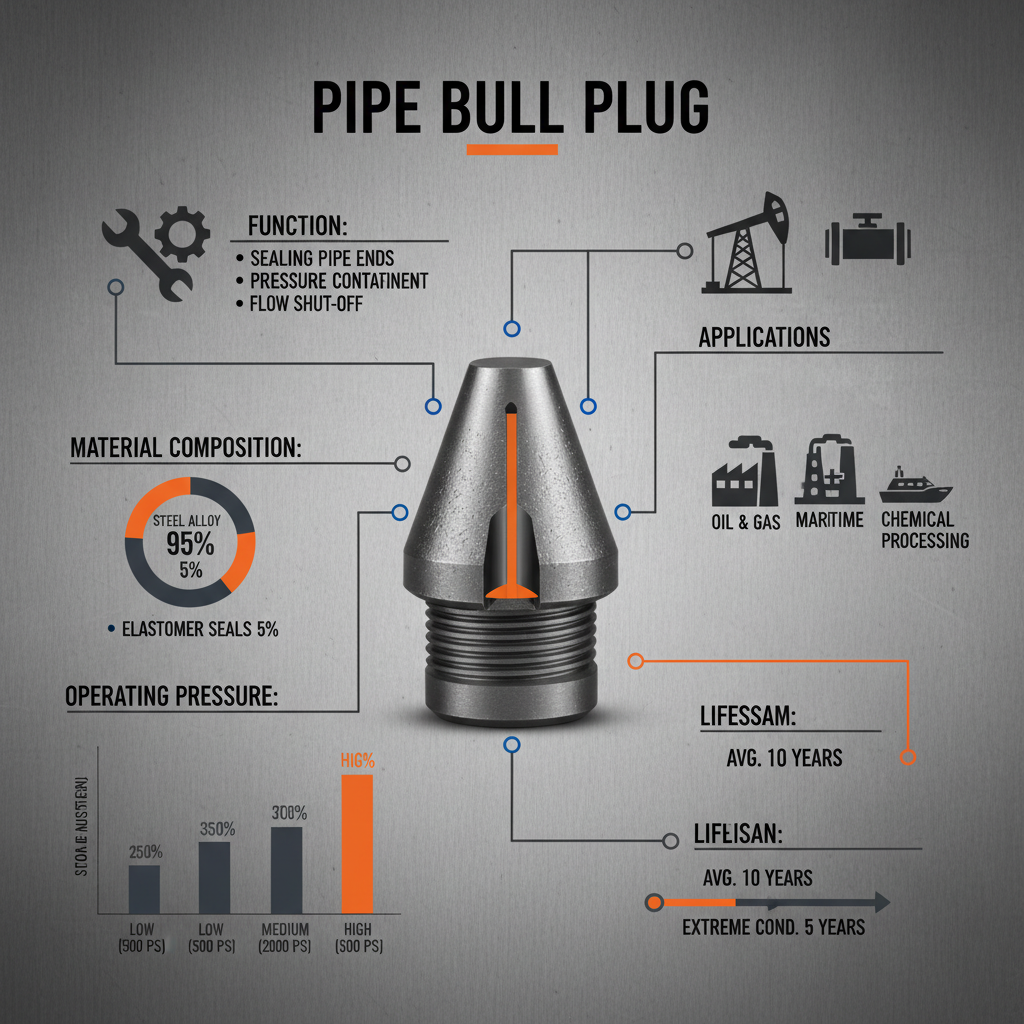
At its core, a pipe bull plug is a solid, cylindrical device designed to fit snugly into the end of a pipe, tubing, or casing. It creates a physical barrier, preventing the flow of fluids or gases. These plugs are typically manufactured from high-strength steel alloys and are available in a wide range of sizes and configurations to suit diverse well conditions and tubular dimensions. Pipe bull plugs are often used in conjunction with other downhole tools, such as safety joints and retrieval tools, to facilitate safe and efficient well intervention.
Unlike other types of well plugs, a bull plug is typically a one-time use item. Once set, retrieval can be challenging and often requires specialized equipment and techniques. Therefore, careful selection and proper installation are crucial to ensure a secure and lasting seal. The design allows for simple installation, requiring minimal rig time and expertise.
The increasing need for well abandonment solutions is driving demand for reliable and cost-effective plugging materials. Pipe bull plugs provide a straightforward and dependable solution, particularly in situations where permanent plugging is required, aligning with the growing emphasis on environmental responsibility within the industry.
Key Characteristics of High-Quality Pipe Bull Plugs
Several key characteristics define a high-quality pipe bull plug. Firstly, material composition is paramount. Plugs must be constructed from alloys capable of withstanding the harsh downhole environment, including high pressures, extreme temperatures, and corrosive fluids. Secondly, dimensional accuracy is crucial for achieving a tight, leak-proof seal. Precision machining and rigorous quality control are essential.
Thirdly, thread integrity is vital. The threads on the plug must be clean, undamaged, and accurately formed to ensure proper engagement with the tubing or casing. Finally, surface finish plays a role, minimizing friction during installation and enhancing sealing performance. A consistent surface finish also contributes to longevity and resistance to corrosion.
Furthermore, adherence to industry standards such as API specifications is a critical indicator of quality. Operators should always verify that pipe bull plugs meet or exceed relevant standards to ensure compatibility and reliability. Choosing a reputable manufacturer with a proven track record is essential for sourcing high-quality plugs.
Applications of Pipe Bull Plugs Across the Oilfield
Pipe bull plugs find widespread application throughout the oilfield, serving a variety of crucial functions. Primarily, they are utilized for temporary isolation of sections of tubing or casing during workover operations, allowing for maintenance or repair work to be conducted safely and efficiently. They're also employed during well testing to isolate specific zones for pressure analysis.
Another significant application is in well abandonment procedures. When a well reaches the end of its productive life, a pipe bull plug can be used as a permanent barrier to prevent fluid migration and ensure long-term environmental protection. This is particularly important in areas with sensitive groundwater resources or potential for surface contamination.
Pipe Bull Plug Application Breakdown
Advantages and Long-Term Value of Utilizing Pipe Bull Plugs
The advantages of employing pipe bull plugs are numerous and contribute significantly to operational efficiency and cost savings. Firstly, they offer a quick and straightforward method for isolating sections of tubing, minimizing rig time and reducing workover expenses. Their simple design also means less specialized training is required for installation.
Secondly, they provide a reliable and secure seal, preventing costly leaks and potential environmental damage. This contributes to enhanced safety and regulatory compliance. Finally, the relatively low cost of pipe bull plugs compared to more complex well intervention techniques makes them an economically attractive solution for a wide range of applications.
Global Applications and Case Studies of Pipe Bull Plugs
The application of pipe bull plugs extends across diverse geographical locations and geological formations. In the North Sea, they are routinely used for plugging and abandonment of aging platforms, addressing environmental concerns and decommissioning obligations. In the Middle East, they are deployed extensively for well testing and maintenance in complex reservoir environments.
In the United States, particularly in shale plays like the Permian and Marcellus, pipe bull plugs play a crucial role in wellbore isolation during hydraulic fracturing operations. In remote regions of Russia and Canada, their ease of deployment and reliability make them ideal for challenging well intervention projects.
Numerous case studies demonstrate the effectiveness of pipe bull plugs in resolving well control issues and preventing costly failures. For example, a major operator in the Gulf of Mexico utilized pipe bull plugs to successfully isolate a damaged casing section, averting a potential blowout and saving millions of dollars in repair costs.
Future Trends and Innovations in Pipe Bull Plug Technology
The future of pipe bull plug technology is focused on enhancing performance, reliability, and sustainability. Ongoing research and development efforts are aimed at creating plugs with improved sealing capabilities, utilizing advanced materials with enhanced corrosion resistance, and incorporating intelligent features for remote monitoring and diagnostics.
One emerging trend is the development of biodegradable pipe bull plugs, offering an environmentally friendly alternative to traditional steel plugs. These plugs are designed to gradually degrade over time, eliminating the need for retrieval and reducing the risk of long-term wellbore obstructions. Another area of innovation is the integration of sensors into pipe bull plugs to monitor seal integrity and provide real-time feedback to operators.
Digitalization and automation are also playing a role, with the development of robotic systems for automated plug installation and retrieval. These advancements promise to further reduce rig time, enhance safety, and optimize well intervention operations.
Analysis of Key Factors Influencing Pipe Bull Plug Performance
| Material Composition |
Wellbore Environment |
Installation Technique |
Long-Term Integrity |
| Steel Alloy Grade (Impact on Corrosion Resistance) |
Temperature (Effect on Seal Expansion/Contraction) |
Torque Application (Influence on Thread Engagement) |
Seal Degradation Rate (Assessment over 5-10 Years) |
| Non-Metallic Coatings (Enhancement of Chemical Resistance) |
Pressure Differential (Impact on Plug Stability) |
Lubrication Usage (Reduction of Friction During Installation) |
Corrosion Monitoring Results (Periodic Inspections) |
| API Specification Compliance (Adherence to Industry Standards) |
Fluid Composition (Impact on Material Compatibility) |
Centralization Accuracy (Ensuring Proper Alignment) |
Mechanical Stress Analysis (Prediction of Failure Points) |
| Biodegradable Material Options (Environmental Impact Assessment) |
H2S Exposure (Risk of Sulfide Stress Cracking) |
Remote Monitoring System Integration (Real-Time Data Analysis) |
Pressure Testing Results (Verification of Seal Integrity) |
| Manufacturing Tolerances (Impact on Dimensional Accuracy) |
Cyclic Loading Conditions (Fatigue Resistance Assessment) |
Automated Installation Procedures (Reduction of Human Error) |
Leak Detection Capabilities (Early Warning Systems) |
| Surface Finish Quality (Influence on Friction and Sealing) |
Scale Buildup Potential (Impact on Plug Setting Depth) |
Wellbore Geometry (Optimization for Plug Placement) |
Long-Term Compatibility with Completion Fluids (Prevention of Degradation) |
FAQS
The recommended torque specification varies based on the plug size, material, and tubing/casing grade. Always consult the manufacturer's data sheet and API recommended practices. Incorrect torque can lead to either insufficient sealing or damage to the threads, compromising well integrity. Using a calibrated torque wrench is crucial for consistent and accurate installation. It is also important to use appropriate thread compound for the application.
Retrieval of a stuck pipe bull plug can be challenging and often requires specialized tools and techniques. Attempts to forcefully retrieve the plug can damage the tubing or casing. Often, a retrieval tool specifically designed for the plug is required. In some cases, milling the plug out may be necessary, which is a more complex and costly procedure. Prevention is key—proper installation and lubrication can significantly reduce the risk of a plug becoming stuck.
Pipe bull plugs are typically manufactured from high-strength carbon steel alloys. Common grades include AISI 4140 and similar materials, selected for their durability and resistance to corrosion. For applications involving highly corrosive fluids, alloy steels with chromium or nickel additions may be used. Biodegradable polymer materials are also emerging as a sustainable alternative in specific applications, offering environmentally friendly disposal options.
Determining the correct size pipe bull plug requires accurate measurements of the inner diameter (ID) and thread form of the tubing or casing. It's crucial to select a plug that matches the ID precisely to ensure a tight seal. The thread form must also be compatible. Referencing API specifications and the manufacturer’s sizing charts is essential. Using a plug that is too small will not create a seal, and a plug that is too large may damage the tubing or casing.
Pipe bull plugs generally have a long shelf life if stored properly. However, it's recommended to inspect plugs for corrosion or damage before use, especially if they have been stored for an extended period. Protecting the threads with a rust inhibitor and storing the plugs in a dry, climate-controlled environment will help maintain their integrity. Following the manufacturer's storage guidelines is always best practice.
Yes, well abandonment is heavily regulated by government agencies and industry standards. The specific regulations vary depending on the location and jurisdiction. In many cases, the use of pipe bull plugs for well abandonment must comply with stringent requirements for long-term well integrity and environmental protection. Operators should consult with regulatory bodies and qualified engineers to ensure compliance with all applicable regulations.
Conclusion
In conclusion, the pipe bull plug, while often a seemingly simple component, plays a crucial and multifaceted role in the oil and gas industry. Its applications span well intervention, testing, and particularly critical well abandonment procedures. Understanding its characteristics, proper application, and adherence to industry standards are paramount for ensuring safe, efficient, and environmentally responsible operations. Its importance should not be underestimated.
Looking ahead, continued innovation in materials, design, and integration of smart technologies will further enhance the performance and reliability of pipe bull plugs. As the industry moves towards greater sustainability and digitalization, these advancements will contribute to minimizing environmental impact and optimizing operational efficiency. For more information on our range of high-quality pipe bull plugs and related products, visit our website today.