

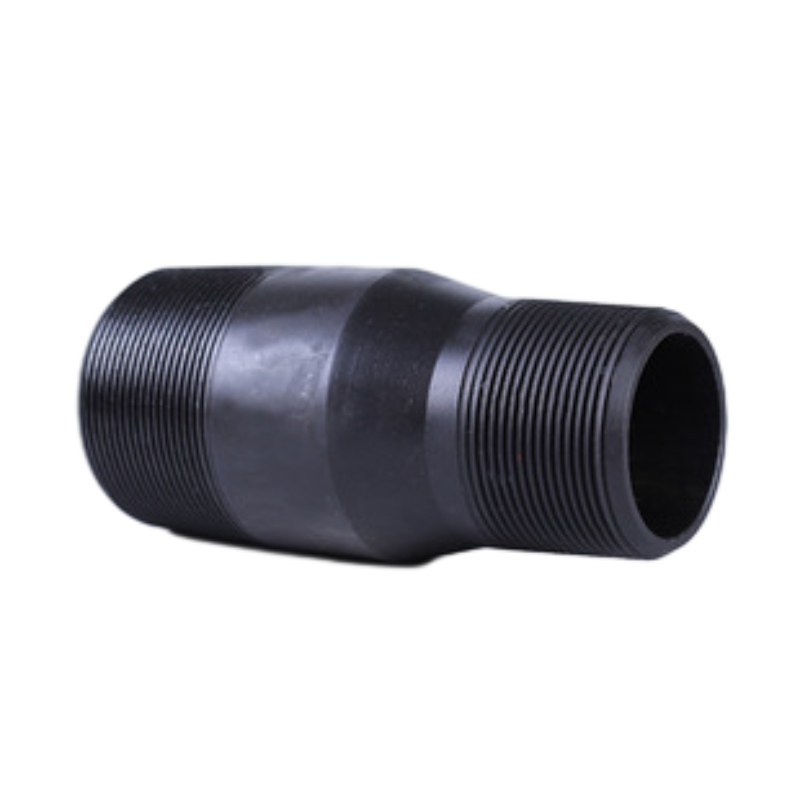
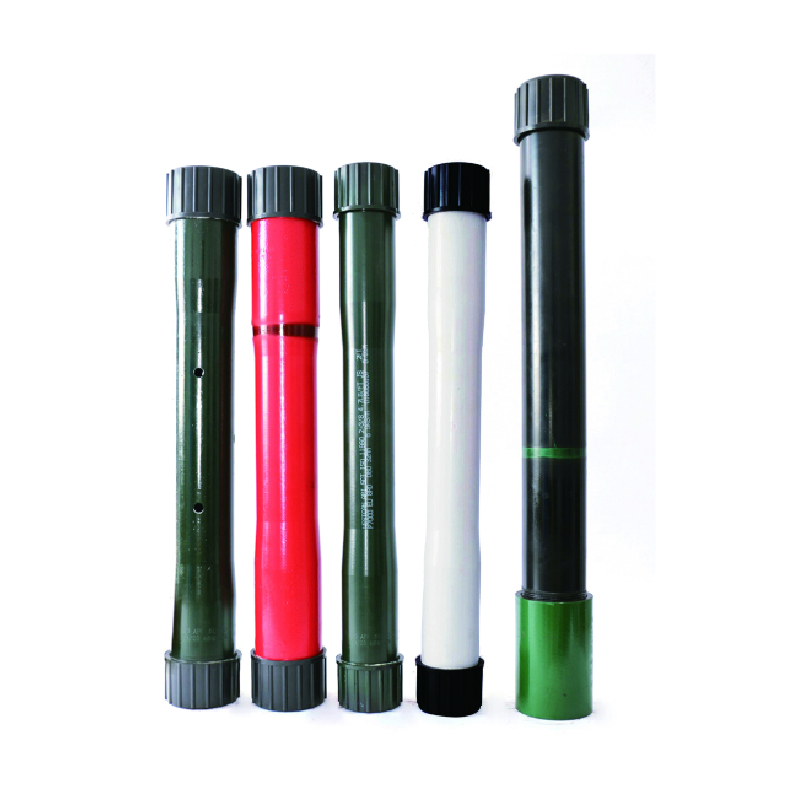
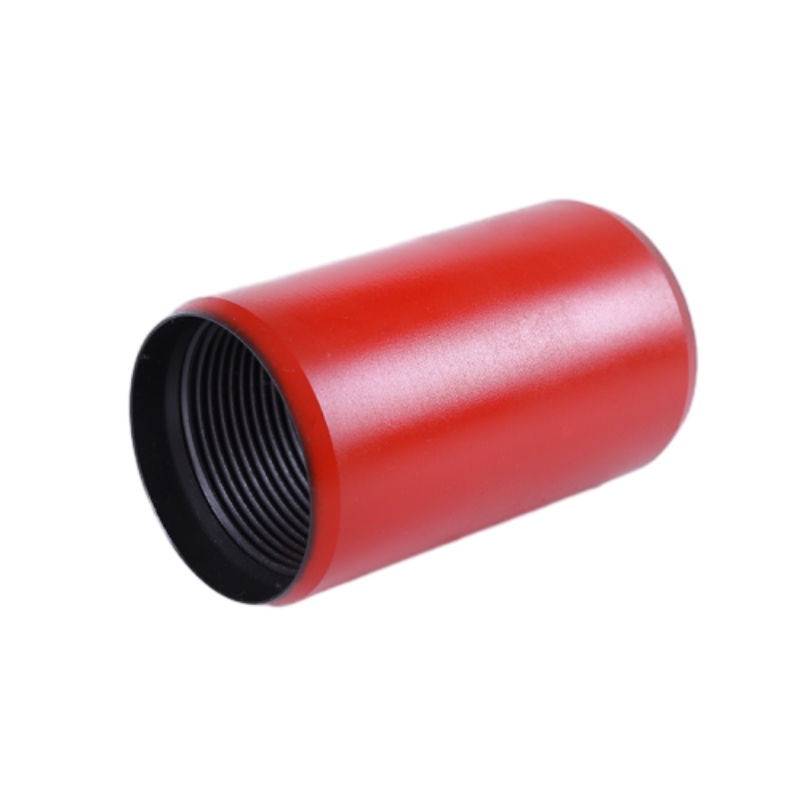
Venezuela's oil industry is characterized by the presence of heavy crude and extra-heavy oil, particularly in the Orinoco Belt. The high viscosity of these reserves requires specialized drilling configurations where pasing pup joints are essential for adjusting the precise length of the casing string to ensure optimal cement placement.
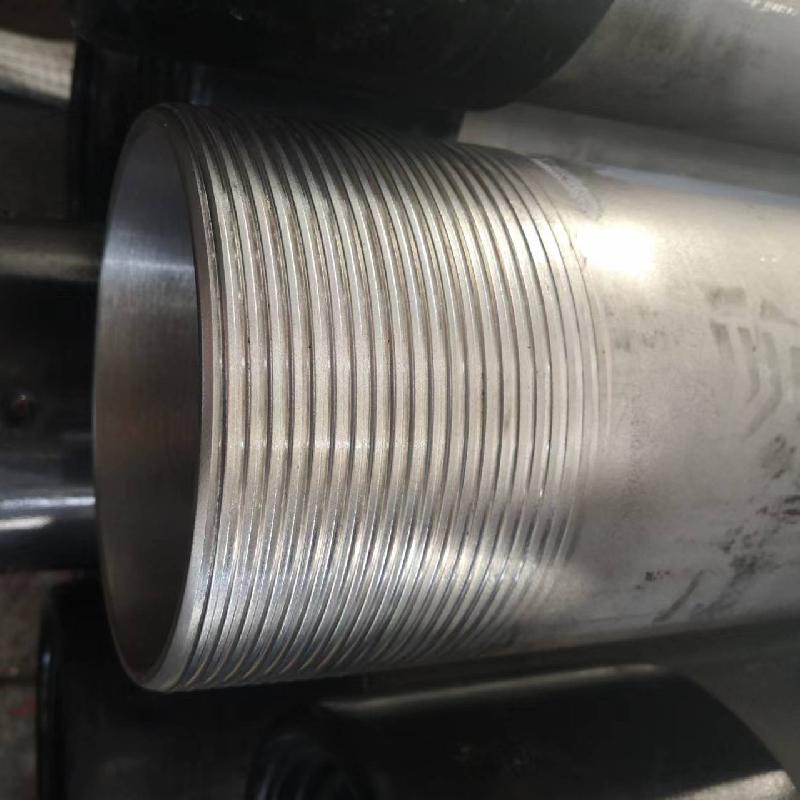
Environmental factors, including high humidity and saline conditions in coastal drilling areas, accelerate the corrosion of standard steel. This creates a demand for metallurgy that exceeds API standards, ensuring that every pup joint drilling component can resist hydrogen-induced cracking and sulfide stress cracking common in the region's sour gas wells.
Economically, the shift towards optimizing existing brownfields means that precision tools like the crossover sub drilling are vital. These tools allow operators to integrate legacy equipment with modern high-torque drilling assemblies, reducing non-productive time (NPT) across Venezuelan operations.