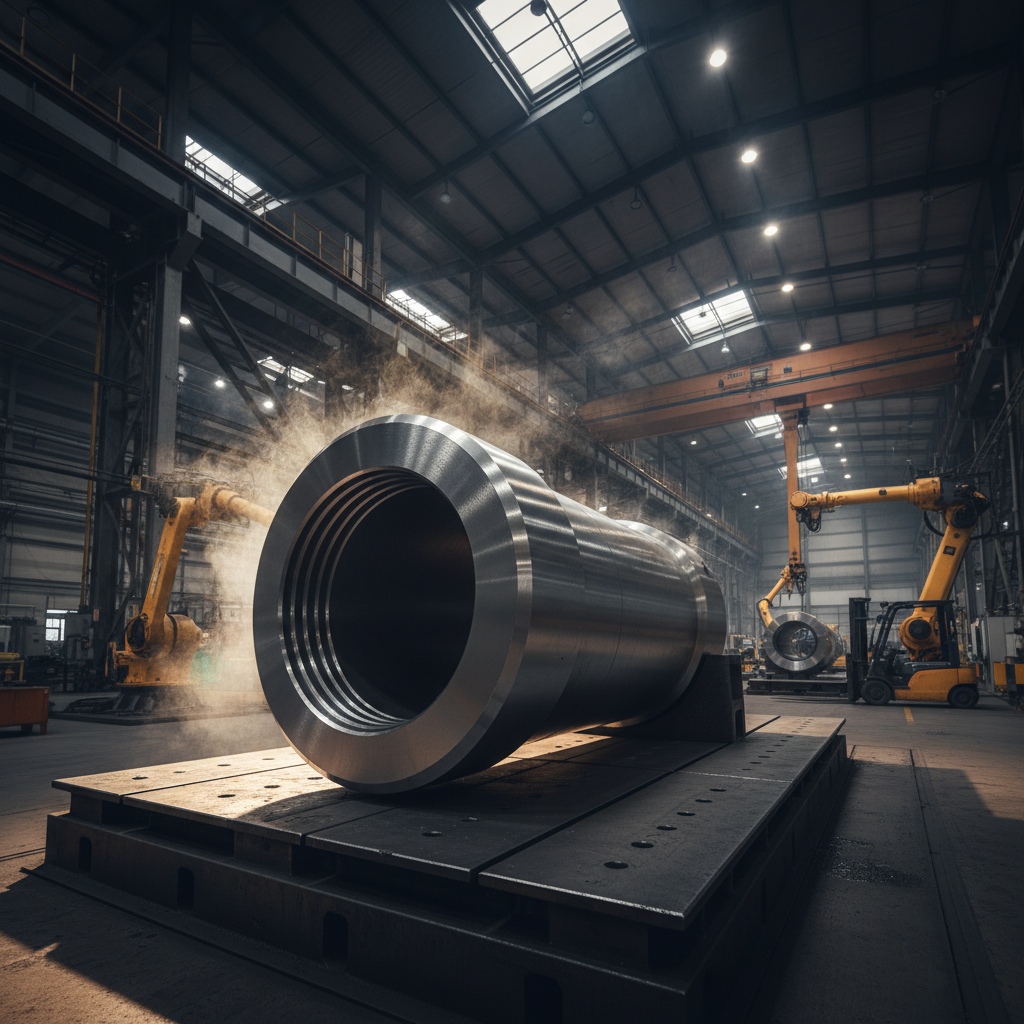
The humble tubing pup joint, often unseen yet critically important, plays a pivotal role in the global energy sector and beyond. These short lengths of tubing are essential for connecting sections of drill pipe, casing, or production tubing, ensuring efficient and reliable fluid transfer in oil and gas operations. Understanding the nuances of tubing pup joints – their materials, dimensions, and applications – is fundamental for optimizing well performance, minimizing downtime, and maintaining the integrity of vital infrastructure. The global demand for energy continues to rise, making the reliable performance of components like the tubing pup joint even more critical.
The selection and proper implementation of a tubing pup joint directly impacts the cost-effectiveness and safety of drilling and production processes. Globally, the oil and gas industry spends billions annually on tubing and related connections. A failure in a pup joint can lead to costly repairs, environmental damage, and even safety hazards. As the industry pushes into more challenging environments – deepwater drilling, shale gas extraction – the demand for high-performance, durable pup joints increases exponentially. The ISO 11960 standard for tubing and casing connections underscores the global focus on quality and safety in these critical components.
In essence, the tubing pup joint is a seemingly simple component that embodies complex engineering and operational considerations. Its reliability is paramount to the success of energy exploration and production, making a thorough understanding of its features and applications essential for industry professionals and stakeholders alike.
Introduction to tubing pup joint
Tubing pup joints are integral to the successful operation of oil and gas wells, serving as short sections used to precisely adjust the length of the tubing string during installation and repair. They are crucial for connecting longer sections of tubing, allowing engineers to tailor the system to specific well depths and configurations. Without these adaptable components, the complexities of modern drilling and production would be significantly more challenging and expensive.
The importance of a reliable tubing pup joint extends beyond simply connecting tubing. They also contribute to the overall structural integrity of the wellbore, aiding in pressure control and preventing leaks. Selecting the appropriate pup joint based on the well’s conditions – including pressure, temperature, and the corrosive nature of the produced fluids – is paramount for long-term operational success and safety.
Defining the tubing pup joint
A tubing pup joint is a short length of oilfield tubular, typically ranging from 2 to 10 feet in length, used to make up a complete tubing string. It’s essentially a connector that bridges the gap between longer sections of tubing, casing, or drill pipe. These joints are manufactured to precise specifications, adhering to industry standards like API 5CT, ensuring compatibility and reliable performance within the overall system.
Unlike standard tubing sections, pup joints aren't designed to bear the bulk of the pressure or tensile loads. Their primary function is to facilitate the precise adjustment of the tubing string’s length, accommodating variations in well depth, and enabling the connection of different components. They are critical for creating a continuous, sealed pathway for fluid transport.
The need for tubing pup joints stems from the logistical challenges of transporting and handling long, continuous lengths of tubing. Breaking the tubing string into manageable sections, with pup joints used for fine-tuning the length, simplifies installation, repair, and maintenance operations. They represent a practical solution to a fundamental engineering problem.
Core Characteristics of tubing pup joint
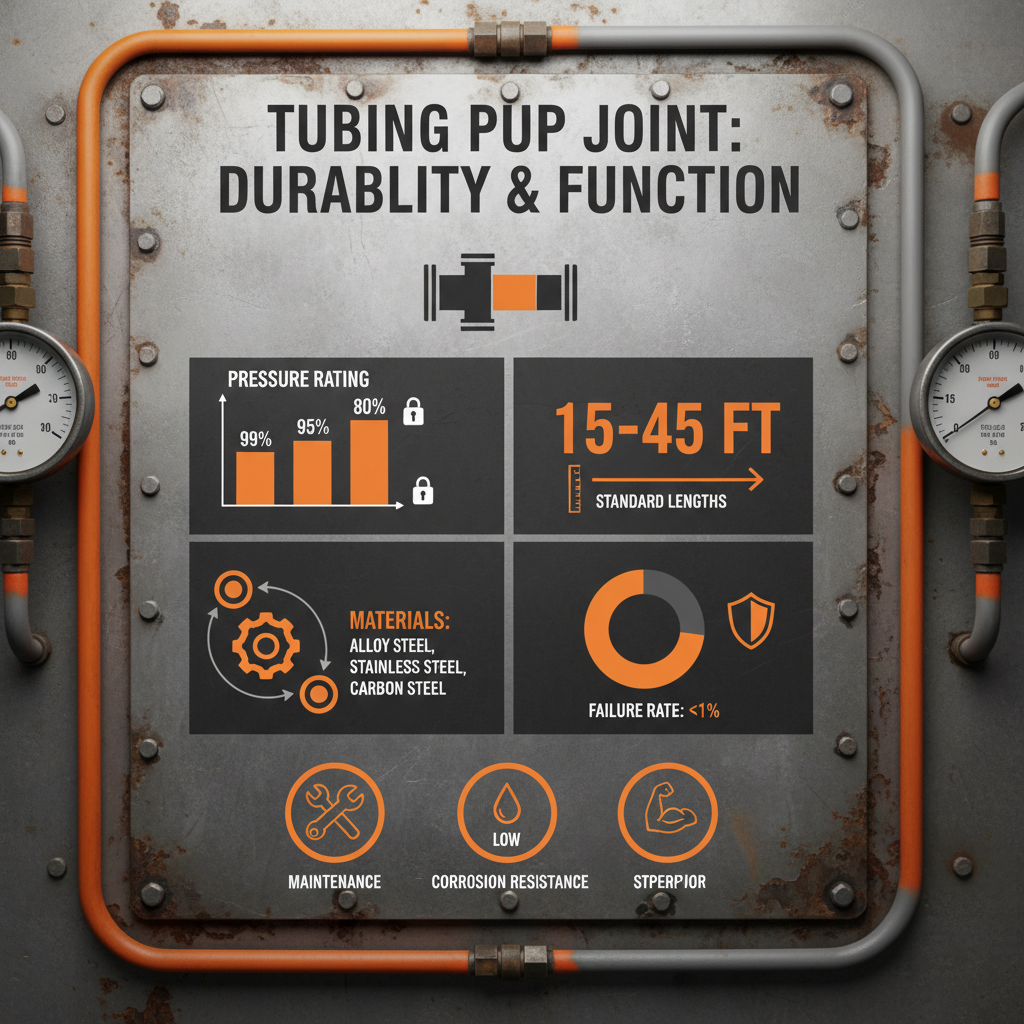
The performance and reliability of a tubing pup joint are determined by several key characteristics. First and foremost is material composition. Typically made from high-strength alloy steels, the material must withstand extreme pressures, temperatures, and potentially corrosive environments. The specific alloy used depends on the anticipated well conditions and the composition of the produced fluids.
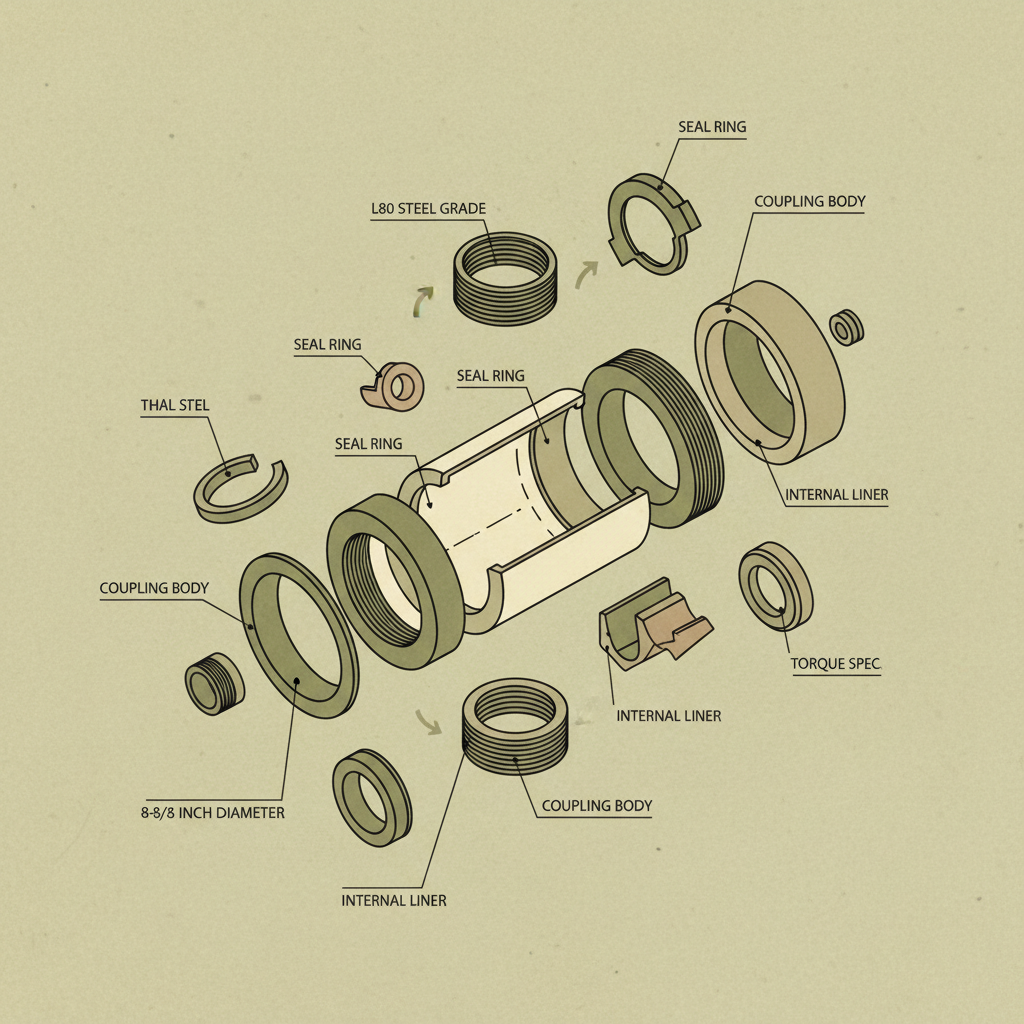
Secondly, the threaded connections are vital. These connections, conforming to API standards, must provide a leak-proof seal while withstanding significant tensile and compressive forces. Different thread types (e.g., API buttress, premium connections) offer varying levels of performance and are chosen based on the application. Accurate machining and rigorous quality control are essential for ensuring connection integrity.
Thirdly, dimensional accuracy is crucial. Pup joints must be manufactured to tight tolerances to ensure proper alignment and smooth installation. Deviations from specified dimensions can lead to stress concentrations, potential failure points, and difficulties during makeup and breakout. Finally, coating and corrosion resistance play a significant role, protecting the pup joint from external corrosion and extending its service life.
Global Applications of tubing pup joint
Tubing pup joints are ubiquitous across the global oil and gas industry, finding application in diverse environments ranging from onshore conventional wells to offshore deepwater platforms. They are essential components in both exploration and production phases, utilized in drilling, completion, workover, and intervention operations.
Specifically, in shale gas extraction, pup joints are critical for precisely positioning the lateral sections of the wellbore. In deepwater drilling, they are used to manage the complex geometry of the well string and accommodate the dynamic forces exerted by the ocean environment. Furthermore, pup joints are commonly employed in well remediation projects, where damaged sections of tubing need to be replaced.
Pup Joint Application by Region
Advantages and Long-Term Value
Utilizing high-quality tubing pup joints delivers significant advantages across the lifecycle of a well. Reduced installation and repair times are a primary benefit, stemming from the precise dimensional accuracy and reliable connections. This translates directly into lower operational costs and increased production uptime.
Furthermore, employing corrosion-resistant materials and coatings extends the service life of the pup joints, minimizing the need for frequent replacements. This contributes to long-term cost savings and reduces environmental impact by decreasing waste. The peace of mind that comes with using dependable components is also invaluable, enhancing safety and preventing potentially catastrophic failures.
Future Trends in tubing pup joint Technology
The future of tubing pup joint technology is likely to be shaped by several key trends. The demand for lighter-weight, high-strength materials, such as advanced alloys and composites, will increase as operators seek to reduce overall well weight and improve efficiency. Digital technologies, including RFID tagging and sensor integration, will enable real-time monitoring of pup joint performance and predictive maintenance.
Premium connections with enhanced sealing capabilities and resistance to galling will become increasingly prevalent, particularly in challenging well environments. Automation in manufacturing and inspection processes will further enhance quality control and reduce production costs. Sustainability will also be a driving force, with a focus on developing pup joints from recycled materials and minimizing the environmental footprint of their production.
Challenges and Innovative Solutions
Despite advancements in materials and manufacturing processes, several challenges remain in the realm of tubing pup joints. Corrosion, particularly in harsh downhole environments, continues to be a significant concern. Thread damage during installation and breakout can also lead to leaks and failures.
Innovative solutions are emerging to address these challenges. The development of advanced coatings with self-healing properties can mitigate corrosion. Improved thread designs and automated makeup/breakout tools can minimize thread damage. Furthermore, the use of non-destructive testing methods, such as ultrasonic inspection, can detect flaws before they lead to catastrophic failures.
Embracing these innovative solutions and prioritizing quality control are essential for ensuring the long-term reliability and safety of tubing pup joints, ultimately contributing to the efficiency and sustainability of the oil and gas industry.
Summary of Key Tubing Pup Joint Considerations
| Material Grade |
Connection Type |
Corrosion Resistance |
Cost & Availability |
| L80 |
API Buttress |
Standard |
Low / Widely Available |
| N80 |
Premium Thread |
Enhanced |
Medium / Common |
| P110 |
API Modified |
High |
High / Moderate Availability |
| C95 |
Premium Connection |
Excellent |
Very High / Limited |
| Alloy 718 |
Super Premium |
Exceptional |
Extremely High / Specialized |
| Duplex Stainless Steel |
Welded |
Outstanding |
High / Niche Applications |
FAQS
Lead times for custom-length tubing pup joints can vary significantly based on material availability, connection type, and the manufacturer’s production schedule. Generally, expect lead times of 4-8 weeks for standard alloys and connections. More specialized materials or complex connection designs can extend lead times to 12 weeks or more. It's always best to check with your supplier for current estimates and place orders well in advance of your project timeline.
Ensuring compatibility is crucial for a leak-proof and reliable connection. Verify that the pup joints adhere to the same API specification as your existing tubing. Pay close attention to thread type, size, and material grade. It’s also important to check that the pressure rating of the pup joint matches or exceeds that of the tubing string. Consulting with a qualified oilfield engineer is recommended to confirm compatibility.
Premium connections offer several advantages over standard API connections, particularly in challenging well conditions. They typically feature enhanced sealing capabilities, increased tensile strength, and improved resistance to galling and corrosion. This translates to a lower risk of leaks, reduced maintenance requirements, and a longer service life for the tubing string. They're often essential for high-pressure/high-temperature wells or those with corrosive fluids.
Before installation, new tubing pup joints should undergo a thorough visual inspection to check for any surface defects, such as scratches, dents, or corrosion. The threads should be carefully inspected for damage. Non-destructive testing methods, like magnetic particle inspection or ultrasonic testing, are recommended to detect subsurface flaws. Ensure the pup joints are clean and properly protected before use.
Common failure modes include thread damage, corrosion, and fatigue cracking. These can be prevented through proper material selection, careful handling during installation, and regular inspection and maintenance. Utilizing corrosion inhibitors and applying protective coatings can significantly extend the service life. Also, ensure proper make-up torque is applied during installation to prevent thread damage.
Stainless steel tubing pup joints offer superior corrosion resistance compared to carbon steel, making them ideal for use in environments containing highly corrosive fluids like H2S or CO2. While more expensive upfront, their extended service life and reduced maintenance needs often result in lower total lifecycle costs. They're particularly beneficial in sour gas wells or applications with high chloride concentrations.
Conclusion
In conclusion, the tubing pup joint, though often overlooked, is a critical component in the global energy infrastructure. Its role in ensuring the efficient, safe, and reliable transport of fluids within oil and gas wells is undeniable. Understanding its key characteristics, applications, and emerging trends is essential for optimizing well performance and minimizing operational risks. From material selection and connection type to inspection procedures and future innovations, a holistic approach to pup joint management yields substantial benefits.
Looking ahead, continued investment in advanced materials, digital technologies, and sustainable practices will further enhance the performance and longevity of tubing pup joints. By embracing these advancements, the industry can ensure the continued reliability of its infrastructure and contribute to a more sustainable energy future. For all your tubing pup joint needs, visit our website: www.wjpetroleum.com.