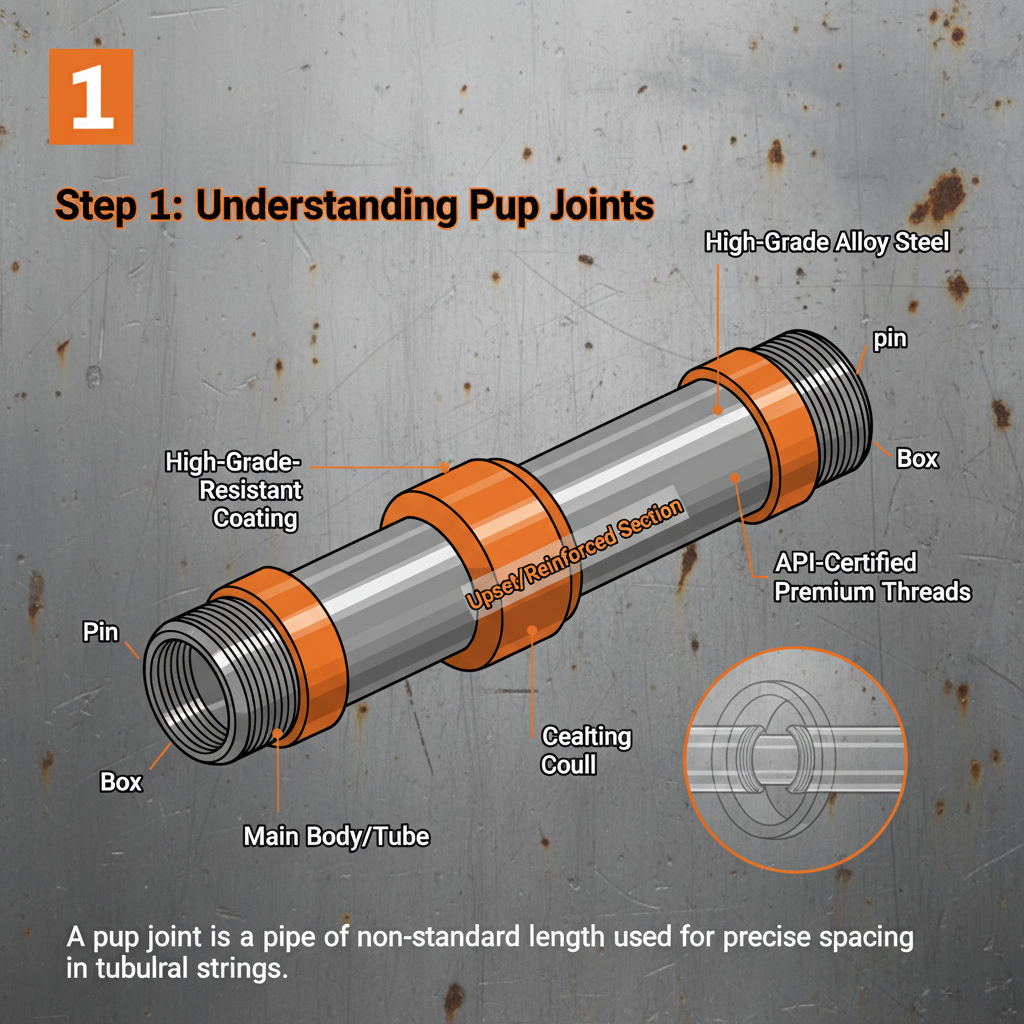
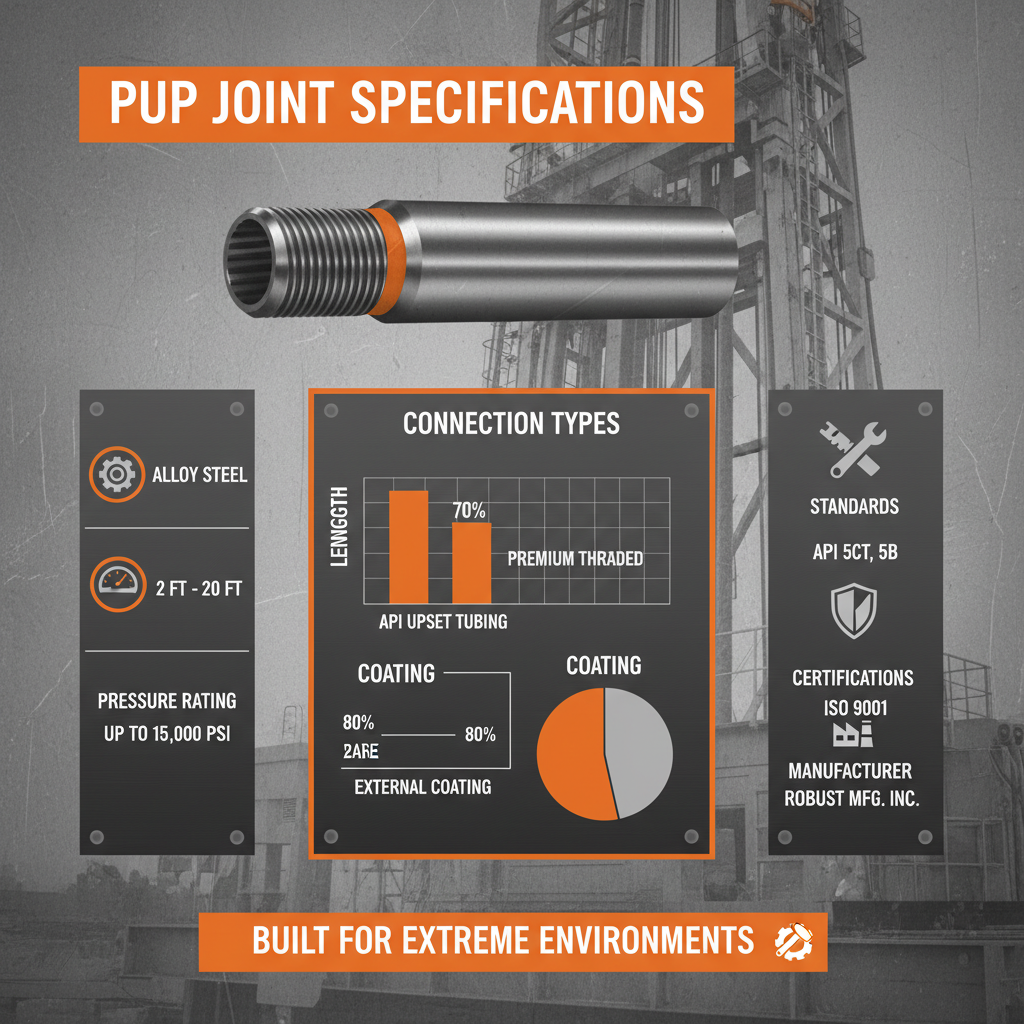
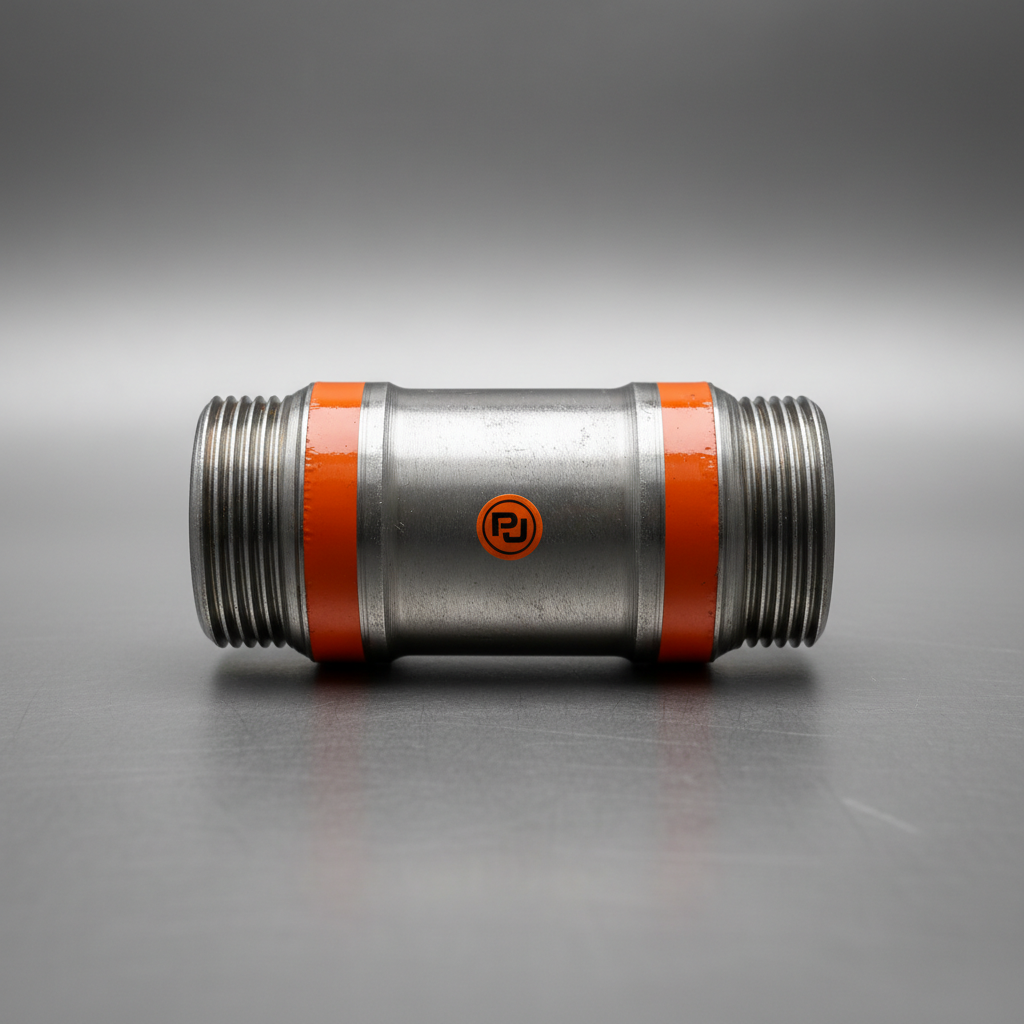
Pup joint specifications are vital components within the oil and gas industry, specifically in the construction and maintenance of pipelines. These short lengths of pipe, typically ranging from 5 to 10 feet, are strategically utilized to connect standard pipeline sections and accommodate variations in terrain or alignment. Understanding the precise specifications of pup joints—including material grade, wall thickness, threading type, and coating—is crucial for ensuring the integrity, safety, and longevity of pipeline infrastructure globally.
The global relevance of pup joint specifications extends beyond mere technical compliance; it directly impacts energy security and economic stability. With a projected global energy demand increase of nearly 50% by 2050 (according to the U.S. Energy Information Administration), maintaining existing pipeline networks and constructing new ones is paramount. Accurate pup joint specifications are essential for preventing leaks, reducing environmental impact, and optimizing operational efficiency. The ISO 3183 standard, for example, governs many aspects of pipeline steel material, influencing pup joint material selection.
Ultimately, mastery of pup joint specifications translates into significant cost savings, enhanced safety protocols, and minimized downtime for energy companies. The challenge lies in maintaining consistent quality control across various manufacturers and ensuring that pup joints are compatible with the surrounding pipeline system. A failure to properly address these specifications can lead to catastrophic consequences, including environmental disasters and significant economic losses.
Introduction to Pup Joint Specifications
Pup joints, while seemingly minor components, play a critical role in the overall functionality and safety of pipeline systems. They are essential for adjusting pipeline lengths during installation, navigating uneven terrain, and facilitating repairs. The accuracy of pup joint specifications is not merely a technical detail—it’s a foundational element of responsible energy infrastructure management.
Properly specified pup joints ensure compatibility with existing pipeline infrastructure, minimizing the risk of stress corrosion cracking, fatigue failure, and other potential hazards. Selecting the correct material grade, thread type, and protective coating is paramount to preventing leaks and maintaining the integrity of the pipeline network. Manufacturers like pup joint specifications provide detailed specification sheets to guide engineers and procurement professionals.
Defining Pup Joint Specifications
Pup joint specifications encompass a comprehensive set of parameters that define the physical and mechanical characteristics of these short pipe segments. These specifications include, but are not limited to, outside diameter, wall thickness, material grade (e.g., API 5L X42, X52, X60), threading type (e.g., API Buttress, LC-1), coating type (e.g., epoxy, polyethylene), and hydrostatic pressure testing requirements.
The definition of these specifications is rooted in the need to guarantee seamless integration within the broader pipeline system. Non-conformance to specifications can lead to costly repairs, operational disruptions, and, in severe cases, environmental damage. Modern pup joint specifications often incorporate traceability features, allowing for complete documentation of material origins and manufacturing processes.
In essence, pup joint specifications bridge the gap between engineering design and practical implementation, ensuring that each component meets the required performance criteria. This is particularly relevant in complex pipeline projects spanning diverse geographical regions and requiring adherence to stringent regulatory standards.
Core Components of Pup Joint Specifications
Several key aspects form the foundation of pup joint specifications. Material Grade dictates the strength and ductility of the pup joint, influencing its ability to withstand internal pressure and external stresses. Wall Thickness directly impacts pressure-holding capacity and resistance to corrosion. Selecting the appropriate material and thickness is critical for ensuring long-term structural integrity.
Threading Type determines the method of connection to adjacent pipeline sections. Common threading types include API Buttress and LC-1, each offering varying levels of sealing performance and ease of installation. Choosing the correct threading type ensures a leak-proof connection and prevents premature failure. The pup joint specifications will detail this clearly.
Finally, Coating Type provides crucial corrosion protection, extending the lifespan of the pup joint and minimizing maintenance requirements. Common coatings include epoxy, polyethylene, and fusion-bonded epoxy (FBE). Selecting a coating appropriate for the specific operating environment is essential for long-term reliability.
Global Applications and Use Cases
Pup joint specifications are universally applicable in oil and gas pipeline construction and maintenance across the globe. In North America, they’re used extensively in transporting crude oil and natural gas across vast distances. In Europe and Asia, pup joints are integral to offshore pipeline projects in the North Sea and the South China Sea.
The applications aren't limited to energy infrastructure. Pup joints are also utilized in water transmission pipelines, petrochemical plants, and industrial processing facilities. In remote industrial zones of Siberia or the Canadian Arctic, for instance, pup joints are crucial for adapting to permafrost conditions and ensuring pipeline stability.
Even in post-disaster relief operations, specifically for temporary fuel or water pipelines, adherence to robust pup joint specifications guarantees the reliability and safety of vital supply lines. The demand for compliant pup joints continues to rise alongside increasing global infrastructure projects.
Pup Joint Specification Compliance Levels
Advantages and Long-Term Value
Investing in pup joints that adhere to stringent specifications yields numerous advantages. Cost-effectively, preventing pipeline failures through accurate specifications minimizes expensive repairs and downtime. Sustainability is enhanced through reduced leaks and optimized resource utilization.
The long-term value extends beyond purely economic benefits. Maintaining pipeline integrity directly contributes to environmental protection and public safety. Robust pup joint specifications foster trust and confidence among stakeholders, including energy companies, regulators, and the communities served by these vital infrastructure networks.
Future Trends and Innovations
The future of pup joint specifications is intertwined with emerging technologies and sustainability initiatives. Digital twin technology, for example, allows for virtual modeling of pipeline systems, facilitating precise pup joint selection and placement. Advancements in materials science are driving the development of corrosion-resistant alloys and coatings, extending pup joint lifespans.
Automation in manufacturing and inspection processes is enhancing quality control and reducing human error. The integration of IoT sensors within pup joints enables real-time monitoring of stress levels and potential failure points, further optimizing pipeline management. Green energy transition will increasingly demand pup joints suitable for transporting hydrogen and other alternative fuels.
Challenges and Solutions
Despite advancements, several challenges persist regarding pup joint specifications. Maintaining consistent quality control across diverse manufacturers remains a concern. The complexity of international regulations and standards can create compliance hurdles. Supply chain disruptions can lead to delays and material shortages.
Solutions include implementing rigorous third-party inspection programs, harmonizing international standards, and diversifying supply chains. Leveraging blockchain technology can enhance traceability and transparency, ensuring the authenticity and provenance of pup joint materials. Investing in advanced non-destructive testing methods can improve defect detection and prevent failures.
Furthermore, collaborative efforts between industry stakeholders, regulatory bodies, and research institutions are vital for addressing emerging challenges and driving continuous improvement in pup joint specifications. The pup joint specifications are designed to address many of these challenges.
Summary of Pup Joint Specification Analysis
| Specification Aspect |
Importance Level (1-10) |
Typical Compliance Rate (%) |
Potential Risk (Low/Medium/High) |
| Material Grade |
10 |
95 |
Medium |
| Wall Thickness |
9 |
90 |
Medium |
| Threading Type |
8 |
85 |
Low |
| Coating Type |
7 |
75 |
High |
| Hydrostatic Testing |
9 |
92 |
Low |
| Traceability |
6 |
60 |
Medium |
FAQS
API 5L is a widely recognized standard for pipeline steel, offering a balance of strength, weldability, and corrosion resistance. Other grades may be used depending on specific application requirements, like high-strength low-alloy (HSLA) steels for increased tensile strength or stainless steels for enhanced corrosion protection. Selecting the appropriate grade is based on factors like operating pressure, temperature, and the transported fluid's corrosivity.
Inspection frequency depends on the operating environment and coating type. Regular visual inspections should be conducted during routine maintenance. More in-depth non-destructive testing (NDT), like ultrasonic testing or radiographic testing, should be performed every 1-3 years in high-corrosion environments, or as dictated by regulatory requirements and risk assessments.
Pup joints should be stored in a dry, covered area, protected from direct sunlight and corrosive elements. They should be elevated off the ground to prevent moisture buildup and corrosion. Threaded ends should be capped or protected to prevent damage. Regularly inspect stored pup joints for signs of rust or deterioration.
Hydrostatic testing involves pressurizing the pup joint with water to a level exceeding its maximum operating pressure. This verifies the integrity of the material and welds, identifying any potential leaks or weaknesses. It's a critical quality control step to ensure the pup joint can safely withstand operational stresses.
Yes, standards like ISO 10479 and material test reports (MTRs) document the material's origin and manufacturing process. Increasingly, digital traceability solutions utilizing blockchain are being adopted to provide a secure and transparent record of the pup joint's entire lifecycle, from raw material sourcing to installation.
Accurate pup joint specifications are crucial for selecting compatible replacement components during repairs. Using incorrect specifications can lead to leaks, stress corrosion cracking, and pipeline failure. Repair procedures must meticulously verify the material grade, threading type, and dimensions of the replacement pup joint to ensure a proper fit and reliable connection.
Conclusion
Pup joint specifications, while often overlooked, are fundamental to the safe, reliable, and sustainable operation of pipeline infrastructure globally. Understanding the core components – material grade, wall thickness, threading, and coating – is paramount for preventing failures, minimizing environmental impact, and maximizing operational efficiency. From upstream oil and gas to water transmission, the consistent application of rigorous specifications is a cornerstone of responsible infrastructure management.
Looking ahead, the integration of digital technologies, advancements in materials science, and a commitment to sustainability will drive further innovation in pup joint specifications. Investing in research, adopting robust quality control measures, and fostering collaboration among industry stakeholders will ensure that these critical components continue to meet the evolving demands of the energy and industrial sectors. Visit our website at https://www.wjpetroleum.com to learn more about our high-quality pup joints and specifications.