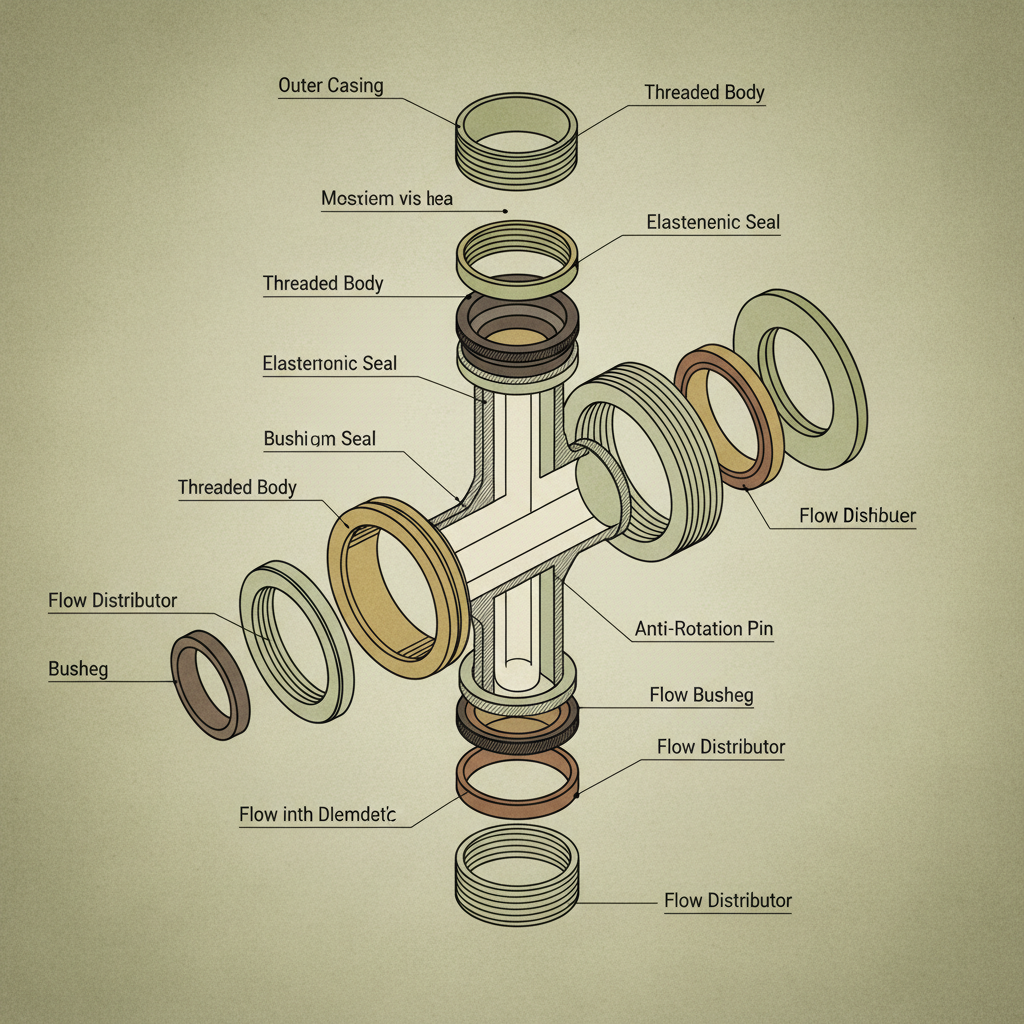
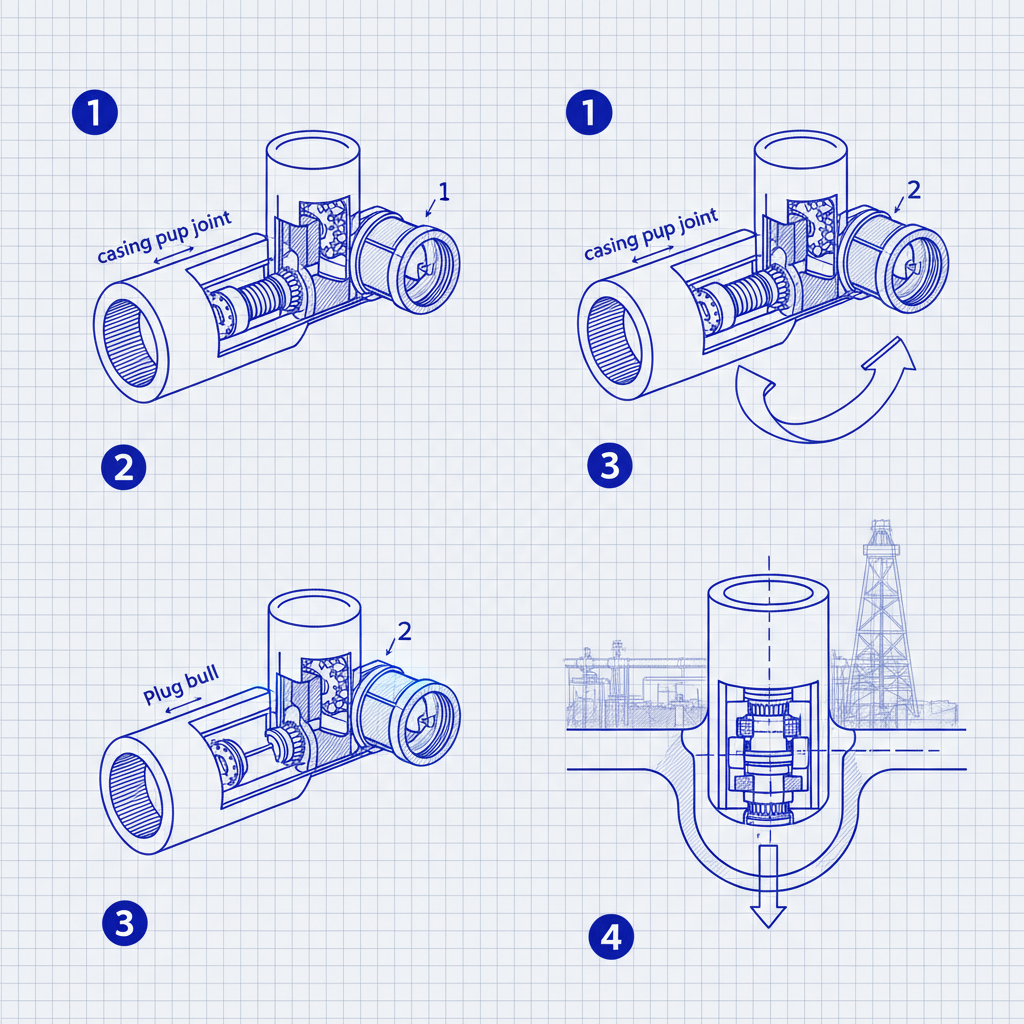
Pup joint tubing plays a critical role in numerous industries, most notably oil and gas extraction, but also finding applications in water well construction and geothermal energy systems. Globally, the demand for reliable and durable tubing solutions is consistently high, driven by increasing energy needs and a growing emphasis on efficient resource management. The effective use of pup joints ensures continuous and efficient operation of drilling and production systems, minimizing downtime and maximizing output.
The increasing complexity of drilling operations, particularly in challenging environments like deepwater and shale formations, necessitates specialized pup joint tubing designed to withstand extreme pressures and corrosive conditions. Furthermore, advancements in materials science are continually improving the performance characteristics of these components, leading to greater longevity and reduced maintenance costs. This impacts both developed and developing nations, contributing to stable energy supplies and economic growth.
Understanding the intricacies of pup joint tubing – its design, materials, and applications – is paramount for engineers, operators, and anyone involved in the energy sector. Proper selection and maintenance directly translate to safer, more efficient, and ultimately more profitable operations. It is a foundational element for responsible resource extraction and sustainable energy production.
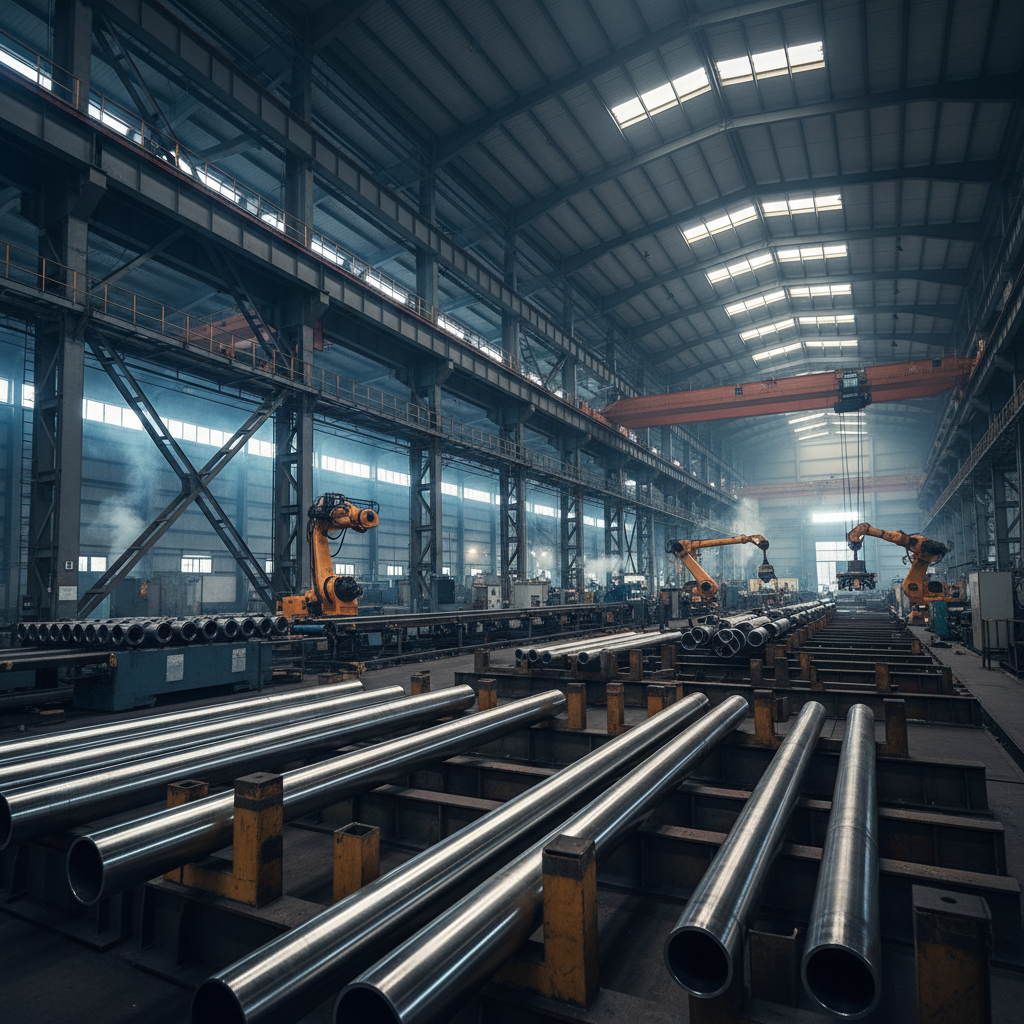
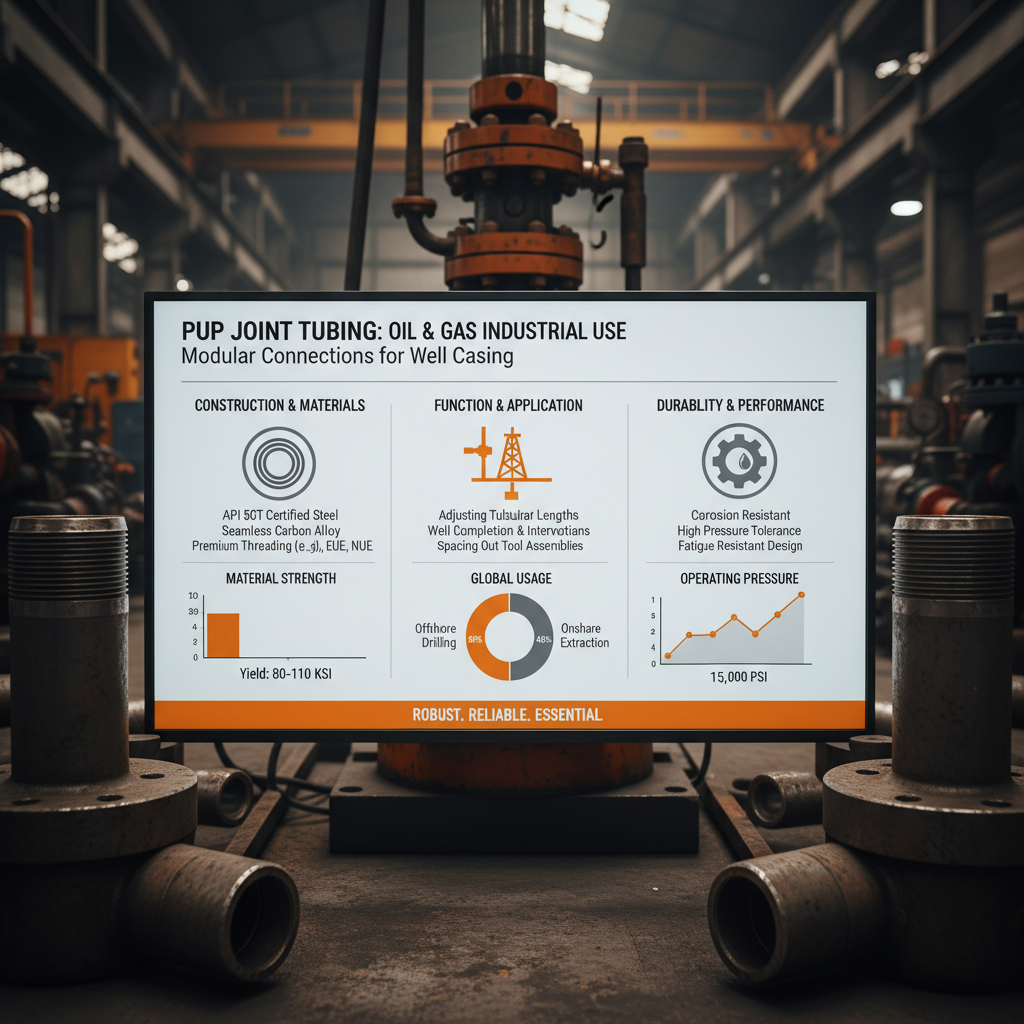
Pup joint tubing, though a seemingly small component, is integral to the efficient and safe operation of drilling and production systems. It acts as a connector, compensating for slight variations in length and ensuring a continuous flow of fluids or gases. Without properly functioning pup joints, operations can be severely hampered, leading to costly delays and potential safety hazards.
The demand for high-quality pup joint tubing is directly tied to the global energy landscape. As energy demands continue to rise, the need for reliable and efficient extraction methods increases, making pup joint tubing a crucial component in meeting these demands. Innovation in materials and manufacturing processes is constantly driving improvements in pup joint performance and longevity.
The most prevalent materials are various grades of carbon steel, offering a balance of strength and cost-effectiveness. Alloy steels, containing chromium and molybdenum, are frequently used in corrosive environments. Stainless steel is utilized where exceptional corrosion resistance is required, despite its higher cost. The optimal material depends heavily on the specific well conditions and fluid composition. Selection considers factors like yield strength, tensile strength, and resistance to specific corrosive agents.
Regular inspection is crucial for maintaining operational integrity. A visual inspection should be conducted each time a pup joint is removed from service. More comprehensive non-destructive testing (NDT), such as magnetic particle inspection or ultrasonic testing, should be performed at least annually, or more frequently in harsh environments. Inspections focus on identifying thread damage, corrosion, and any signs of cracking or deformation. Detailed records of inspections should be maintained for each pup joint.
Several connection types are used, each offering unique advantages. Buttress connections are common for their ease of makeup and break-out. API connections are standardized and widely used in the oil and gas industry. Premium connections, often featuring self-sealing designs, provide enhanced leak resistance and higher torque capacity. Selecting the correct connection type is critical for ensuring a secure and reliable seal under high pressure.
Coatings serve as a crucial barrier against corrosion, significantly extending the lifespan of pup joint tubing. Epoxy coatings, polyurethane coatings, and metallic coatings like zinc are commonly applied. These coatings protect the steel substrate from exposure to corrosive fluids and gases, preventing degradation and maintaining the tubing’s structural integrity. The selection of an appropriate coating depends on the specific corrosive environment.
Pup joint tubing can be heavy and pose significant handling risks. Always use appropriate lifting equipment and follow proper rigging procedures. Wear personal protective equipment (PPE), including safety glasses, gloves, and steel-toe boots. Ensure the work area is clear of obstructions. Proper training on handling procedures is essential to prevent injuries. Never exceed the weight limits of lifting equipment.
The quality of pup joint tubing directly impacts wellbore integrity. Poorly manufactured or damaged pup joints can lead to leaks, compromising the wellbore's pressure containment. This can result in costly repairs, environmental damage, and potential safety hazards. Utilizing high-quality pup joints with stringent quality control ensures a reliable seal and prevents wellbore failure, safeguarding both operational efficiency and environmental responsibility.
Pup joint tubing, despite its relatively small size, is a critical component in numerous industries, particularly oil and gas. Its ability to precisely connect and adapt to varying wellbore configurations, coupled with advancements in materials and manufacturing, ensures efficient, safe, and reliable operations. Understanding the core characteristics, applications, and future trends surrounding pup joint tubing is paramount for professionals in the energy sector.
As the demand for energy continues to grow, ongoing innovation in pup joint technology – focusing on durability, corrosion resistance, and sustainability – will be vital. Investing in high-quality pup joint tubing and implementing rigorous inspection protocols are essential for maximizing operational efficiency, minimizing environmental impact, and safeguarding the integrity of vital infrastructure. Visit our website at www.wjpetroleum.com to learn more about our comprehensive range of pup joint tubing solutions.