The oil and gas industry, a cornerstone of global energy production, relies heavily on specialized components to ensure efficient and safe operations. Among these, the pup joint, a short length of pipe, plays a crucial role in connecting sections of drill string and adapting to specific wellbore configurations. Understanding what is a pup joint is paramount for optimizing drilling processes, minimizing downtime, and ultimately, maximizing resource extraction. Its seemingly simple function belies a complex engineering reality, with material selection, manufacturing precision, and adherence to strict industry standards all contributing to its reliability and performance.
Globally, the demand for energy continues to rise, necessitating increasingly sophisticated drilling techniques and technologies. According to the U.S. Energy Information Administration, global oil consumption is projected to reach 102.2 million barrels per day in 2024. This drives the need for robust and adaptable drilling equipment, where what is a pup joint is a fundamental component. Challenges such as reaching deeper reservoirs, navigating complex geological formations, and maintaining operational safety all highlight the importance of reliable connecting elements like pup joints.
The increasing focus on directional and horizontal drilling further emphasizes the critical role of pup joints. These drilling methods, essential for accessing unconventional resources and maximizing well productivity, require frequent adjustments to the drill string length. This is where the pup joint shines, allowing for precise and efficient modifications without interrupting the drilling process. Its contribution to cost-effectiveness and increased production makes it a vital asset in the modern oilfield.
Definition & Core Functionality of what is a pup joint
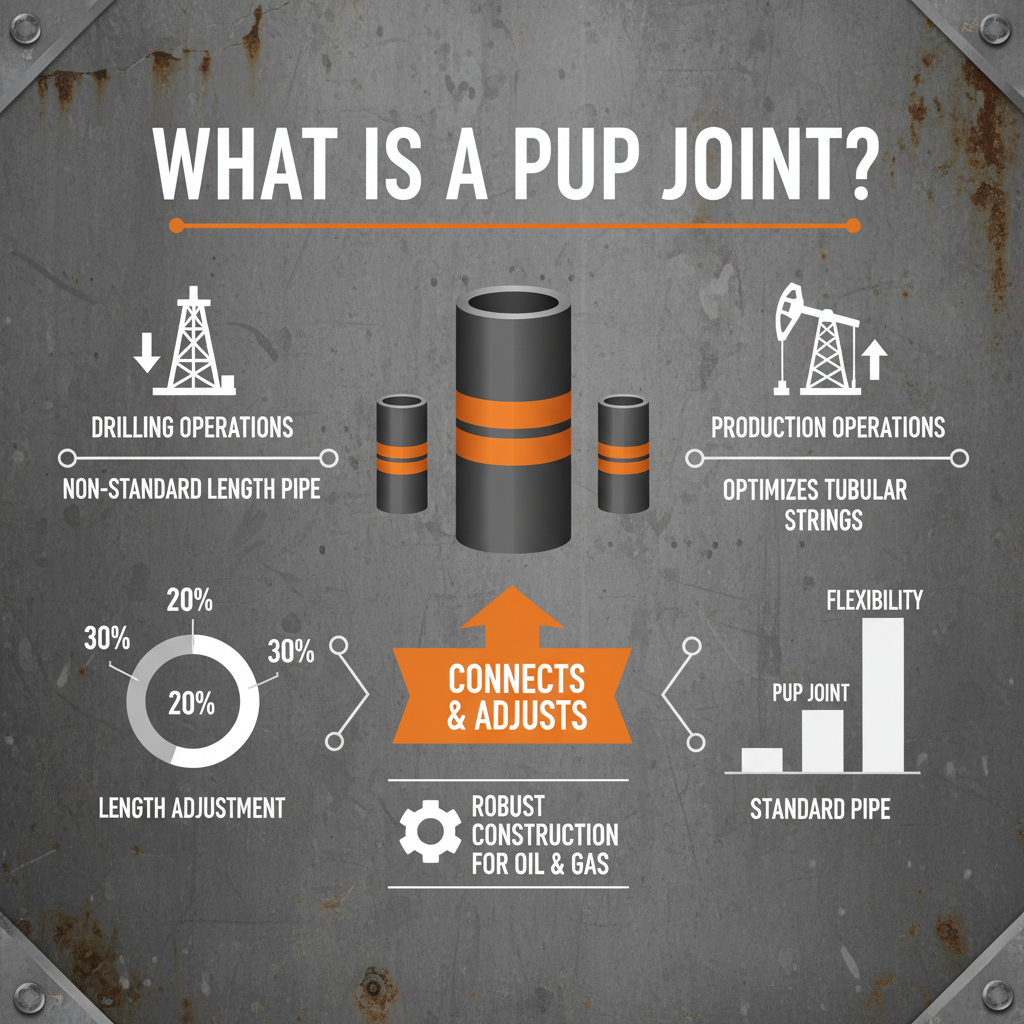
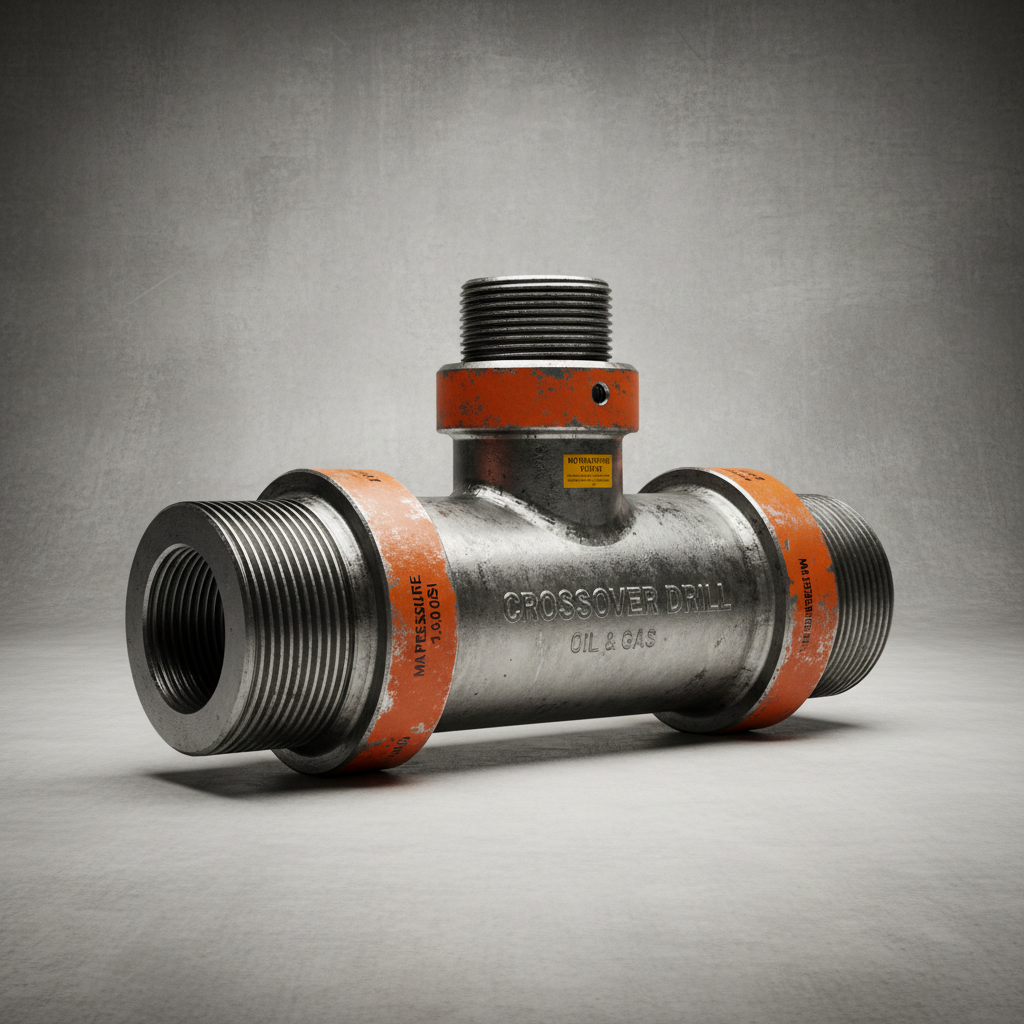
Simply put, what is a pup joint is a short section of drill pipe, typically ranging from 5 to 20 feet in length. It’s designed to be screwed into the existing drill string to make up the required length for reaching the desired depth or adjusting to changes in the wellbore. Unlike standard drill pipe sections, pup joints are not intended for routine drilling but rather for making precise length adjustments.
Its connection to modern industry is undeniable. In the context of resource extraction, particularly oil and gas, the ability to accurately adjust drill string length without stopping operations is vital for maximizing efficiency and minimizing non-productive time (NPT). This translates to significant cost savings and increased production. The pup joint is an integral part of achieving these objectives, functioning as a crucial link in the complex chain of drilling operations.
Material Composition & Manufacturing Processes
Pup joints are predominantly manufactured from high-strength alloy steels, specifically designed to withstand the extreme pressures and stresses encountered downhole. Common materials include AISI 4145H modified alloy steel, known for its excellent toughness, tensile strength, and resistance to sulfide stress cracking. The exact material selection depends on the specific application and anticipated operating conditions.
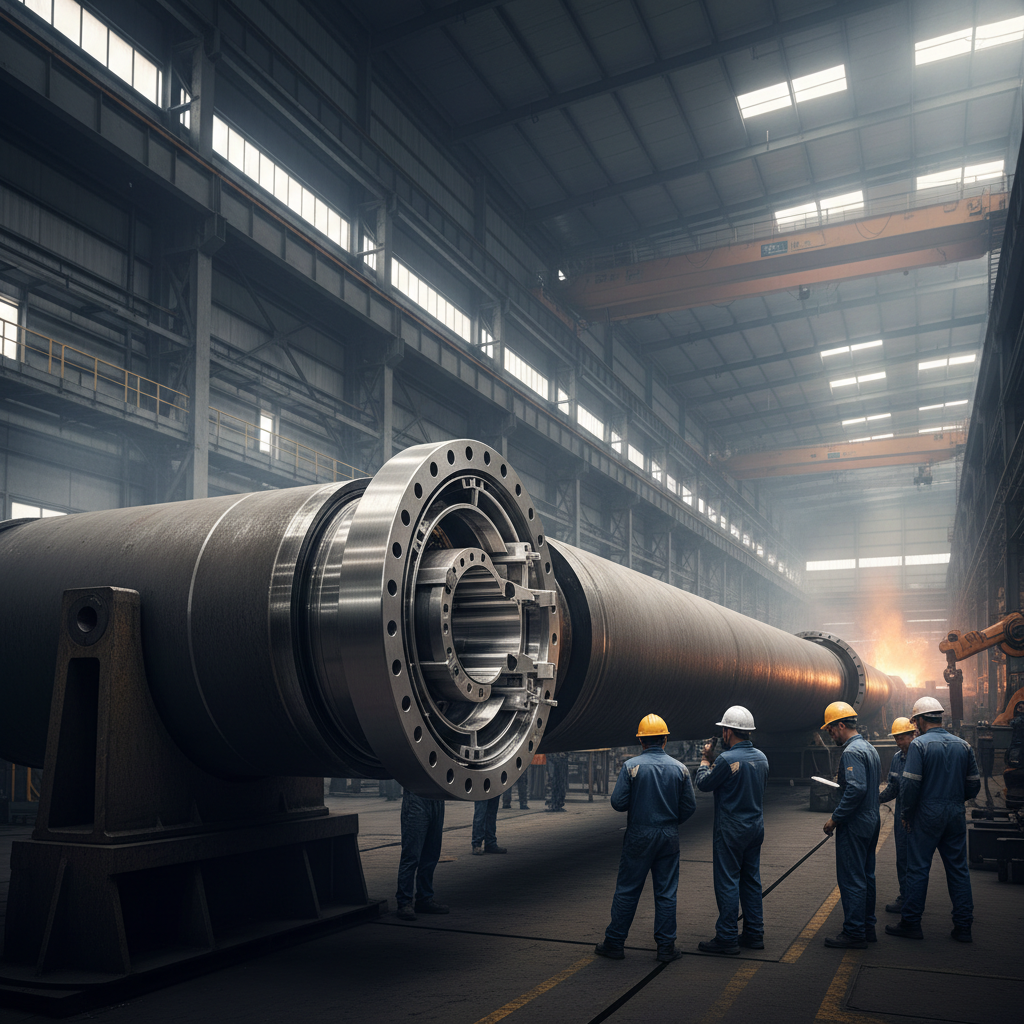
The manufacturing process involves several critical steps. Initially, the steel is precisely machined and formed into a seamless pipe. This is followed by heat treatment to achieve the desired mechanical properties. Threads are then cut onto both ends of the pipe, adhering to API (American Petroleum Institute) specifications. Rigorous quality control inspections, including non-destructive testing (NDT) methods like ultrasonic testing and magnetic particle inspection, are performed at each stage to ensure compliance with industry standards.
Finally, a protective coating, often epoxy-based, is applied to prevent corrosion and extend the pup joint's service life. The entire process is carefully monitored and documented to guarantee traceability and accountability. What is a pup joint relies on a commitment to precision and quality throughout its entire lifecycle.
Key Characteristics: Strength and Durability
The primary characteristic of any pup joint is its ability to withstand extreme loads. These include tensile forces from the weight of the drill string, compressive forces from the wellbore pressure, and torsional forces from the rotational drilling process. High yield strength and ultimate tensile strength are therefore critical material properties.
Durability is equally important, as pup joints are repeatedly subjected to stress and fatigue. Resistance to corrosion, erosion, and abrasion are essential for ensuring a long service life, particularly in harsh downhole environments. This resistance is enhanced through careful material selection, protective coatings, and adherence to proper operational practices.
Furthermore, pup joints must maintain their dimensional integrity under extreme conditions. Any deformation or damage to the threads can compromise the connection, leading to potential failures and costly downtime. Therefore, meticulous quality control and adherence to API specifications are vital for ensuring the reliability of what is a pup joint.
Applications of what is a pup joint Across Drilling Operations
Pup joints find application in a wide range of drilling scenarios. One key use is in making up the bottom hole assembly (BHA), the critical component at the bottom of the drill string that contains the drill bit and other specialized tools. Precise length adjustments are often needed when assembling the BHA to ensure optimal performance.
They are also frequently used during tripping operations – the process of raising and lowering the drill string into and out of the wellbore. As the drill string is pulled out, pup joints are added to maintain the required length for efficient circulation and prevent sticking. Conversely, during running in, pup joints are removed.
Pup Joint Usage in Various Drilling Phases
Advantages: Operational Efficiency and Cost Reduction
The primary advantage of utilizing pup joints is increased operational efficiency. By allowing for rapid and precise adjustments to drill string length, they minimize non-productive time associated with stopping and starting drilling operations. This directly translates to lower drilling costs.
Reduced rig time also contributes to significant cost savings. The faster a well can be drilled and completed, the sooner it can begin producing revenue. What is a pup joint becomes an integral part of optimizing the entire well construction process.
Global Standards & Quality Control
The manufacturing and application of pup joints are governed by stringent industry standards, primarily established by the American Petroleum Institute (API). API Specification 5CT outlines the requirements for casing and tubing, which indirectly apply to pup joints. API RP 7G provides specifications for drilling and well servicing equipment, including drill pipe connections.
These standards cover aspects such as material composition, dimensional tolerances, thread design, and non-destructive testing procedures. Compliance with API standards is essential for ensuring the safety, reliability, and interoperability of pup joints. Manufacturers undergo rigorous audits and certifications to demonstrate their adherence to these standards.
Furthermore, many operators impose their own internal quality control procedures, often exceeding API requirements, to further mitigate risks and ensure optimal performance. These procedures typically involve detailed inspections, material traceability, and performance testing.
Future Trends and Technological Advancements
The future of pup joint technology is likely to be shaped by several key trends. One is the increasing demand for lighter-weight materials, such as high-strength aluminum alloys or composite materials, to reduce the overall weight of the drill string and improve drilling performance.
Another trend is the development of smart pup joints equipped with sensors to monitor stress, strain, and temperature. This data can be used to optimize drilling parameters, predict potential failures, and enhance safety. The integration of artificial intelligence (AI) and machine learning (ML) algorithms will further enhance the capabilities of these smart pup joints.
Furthermore, advancements in additive manufacturing (3D printing) may enable the creation of customized pup joints with optimized geometries and tailored material properties, addressing specific wellbore conditions and drilling challenges. These advancements will continue to refine what is a pup joint role in modern drilling.
Core Analysis of Pup Joint Performance
| Material Type |
Corrosion Resistance |
Tensile Strength (PSI) |
Average Lifespan (Drill Days) |
| AISI 4145H Modified |
Good |
110,000 |
150 |
| Alloy Steel with Epoxy Coating |
Excellent |
120,000 |
200 |
| High-Strength Aluminum Alloy |
Moderate |
80,000 |
100 |
| Carbon Steel with Zinc Coating |
Fair |
90,000 |
80 |
| Composite Material (Carbon Fiber) |
Excellent |
150,000 |
250 |
| Stainless Steel (316L) |
Outstanding |
100,000 |
180 |
FAQS
The lifespan of a pup joint varies depending on factors like material, operating environment, and usage frequency. However, under typical conditions, a well-maintained pup joint made of AISI 4145H modified alloy steel can last for approximately 150-200 drilling days. Regular inspection and preventive maintenance are crucial for maximizing its service life and preventing premature failure.
The primary difference lies in length. Standard drill pipe sections are typically 30-42 feet long, while pup joints are much shorter, ranging from 5 to 20 feet. This shorter length makes pup joints ideal for making precise adjustments to the drill string length. They are not intended for continuous drilling like standard drill pipe.
Pup joints are heavy and can pose a safety hazard if not handled correctly. Always use appropriate lifting equipment, such as cranes or forklifts, and ensure that personnel are properly trained in safe handling procedures. Wear appropriate personal protective equipment (PPE), including hard hats, safety glasses, and steel-toed boots. Never stand in the direct line of a suspended pup joint.
Pup joints should be inspected regularly, ideally after each drilling campaign or at least every six months, depending on usage intensity. Inspections should include visual checks for cracks, corrosion, and thread damage, as well as non-destructive testing (NDT) methods like ultrasonic testing and magnetic particle inspection to detect subsurface defects. Any damaged pup joints should be removed from service immediately.
Minor damage, such as superficial thread wear, can sometimes be repaired through re-threading or coating. However, significant damage, such as cracks or severe corrosion, typically renders the pup joint unsuitable for repair and it must be replaced. Repair work should only be performed by qualified personnel using approved procedures.
API (American Petroleum Institute) standards, particularly API Specification 5CT and API RP 7G, are crucial for ensuring the quality and reliability of pup joints. These standards define requirements for material selection, manufacturing processes, dimensional tolerances, and testing procedures. Compliance with API standards provides assurance that the pup joint meets industry best practices and will perform safely and effectively.
Conclusion
In conclusion, what is a pup joint is far more than a simple length of pipe; it’s a vital component underpinning the efficiency, safety, and cost-effectiveness of modern drilling operations. Its ability to facilitate precise adjustments to drill string length, coupled with its robust construction and adherence to stringent industry standards, makes it indispensable in accessing valuable energy resources. Understanding its function, materials, and future trends is critical for professionals in the oil and gas sector.
Looking ahead, continued innovation in materials science, sensor technology, and manufacturing processes will further enhance the performance and reliability of pup joints. The integration of smart technologies and AI-powered analytics will enable predictive maintenance and optimized drilling strategies. By embracing these advancements, the industry can continue to unlock the potential of challenging reservoirs and meet the growing global demand for energy, safely and sustainably. Visit our website at www.wjpetroleum.com to learn more.