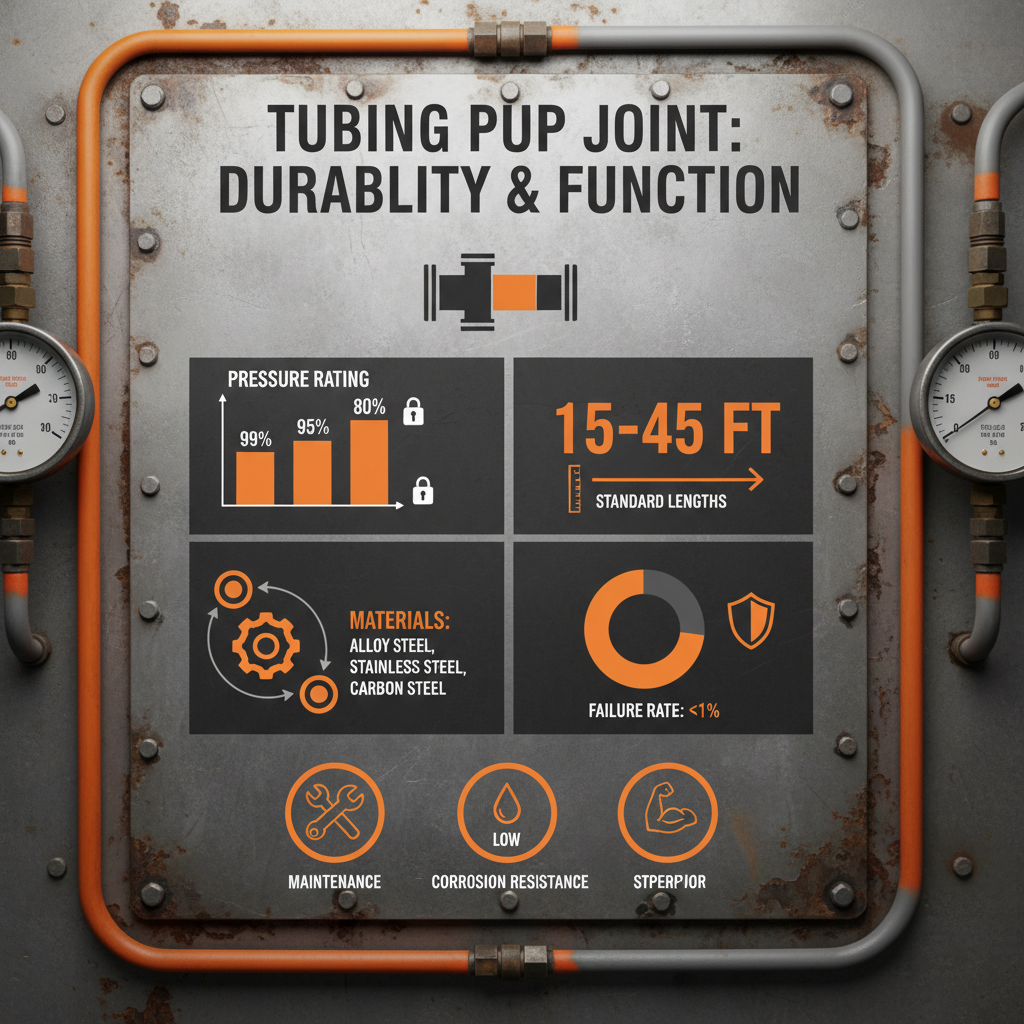
api pup joints are critical components in the oil and gas industry, particularly in drilling and production operations. They act as short, threaded connections between sections of drill pipe, casing, or tubing, enabling the precise construction of bottom hole assemblies and facilitating efficient wellbore access. Understanding their application is paramount for optimizing drilling performance, ensuring well integrity, and ultimately, maximizing hydrocarbon recovery. The global energy demand continues to rise, necessitating improved drilling technologies, where api pup joints play an indispensable role.
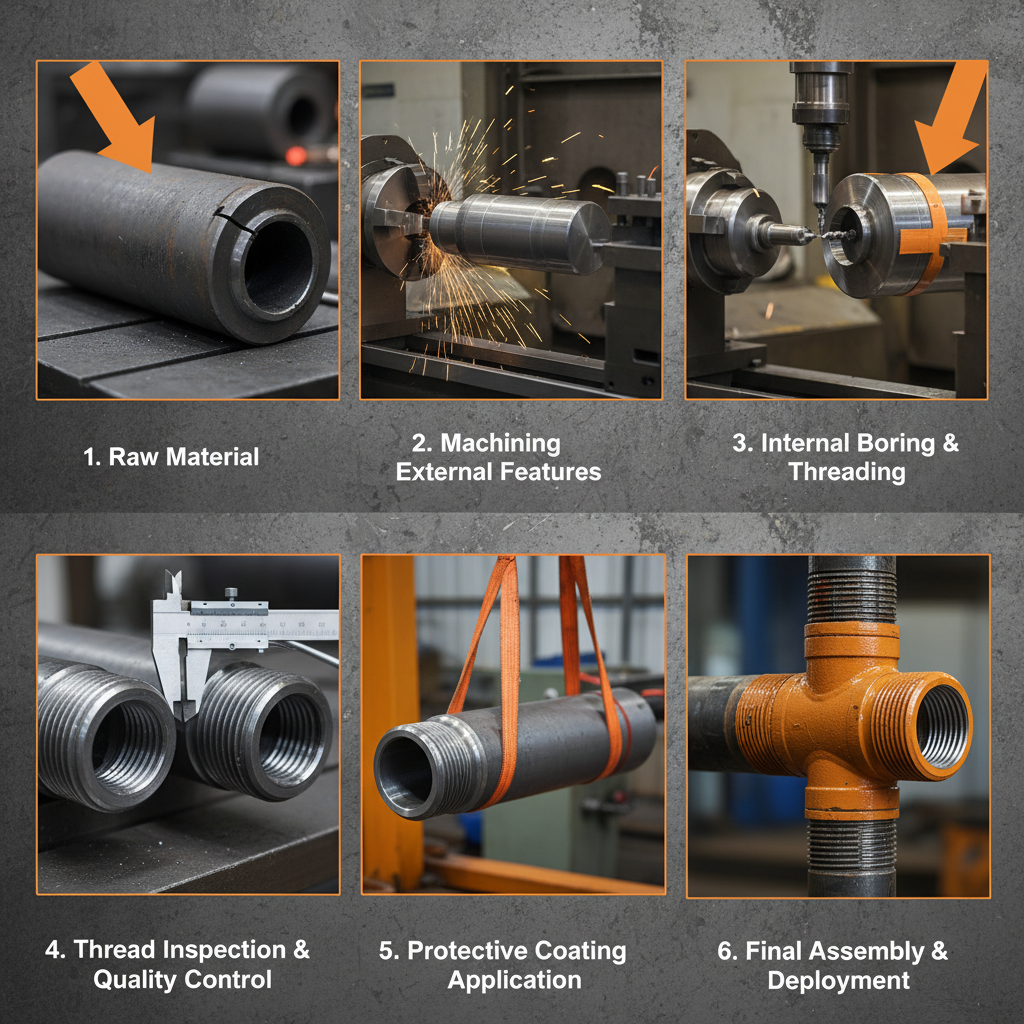
The importance of api pup joints extends beyond mere mechanical connection. They’re rigorously engineered to withstand extreme pressures, temperatures, and corrosive environments inherent in oil and gas exploration. The standardization imposed by the American Petroleum Institute (API) ensures interchangeability and compatibility across various manufacturers and equipment, fostering efficiency and safety. Their precise manufacturing and adherence to strict quality control standards directly impact the success of complex drilling projects.
Furthermore, the effective management and deployment of api pup joints contribute significantly to cost savings within the energy sector. Minimizing non-productive time (NPT) during drilling, reducing the risk of wellbore failures, and optimizing overall well construction are all directly linked to the quality and proper utilization of these vital components.
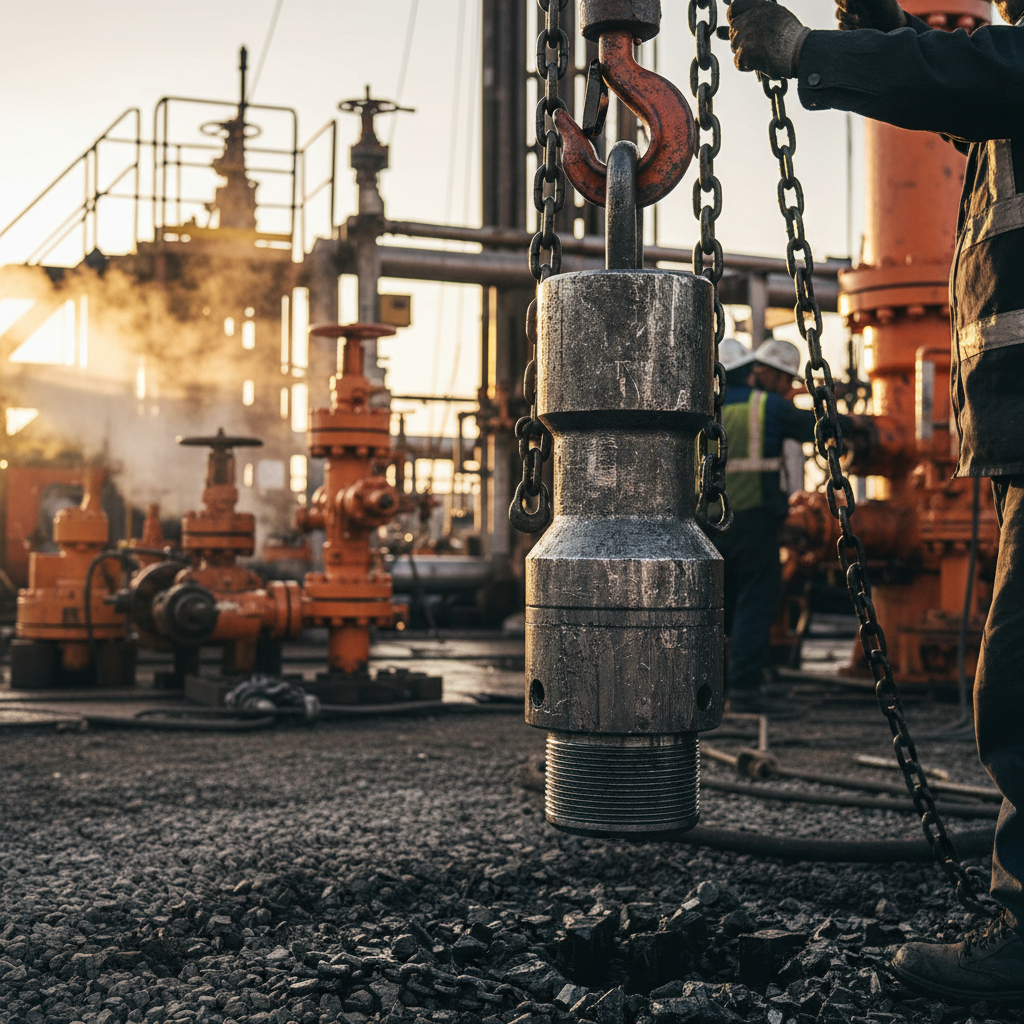
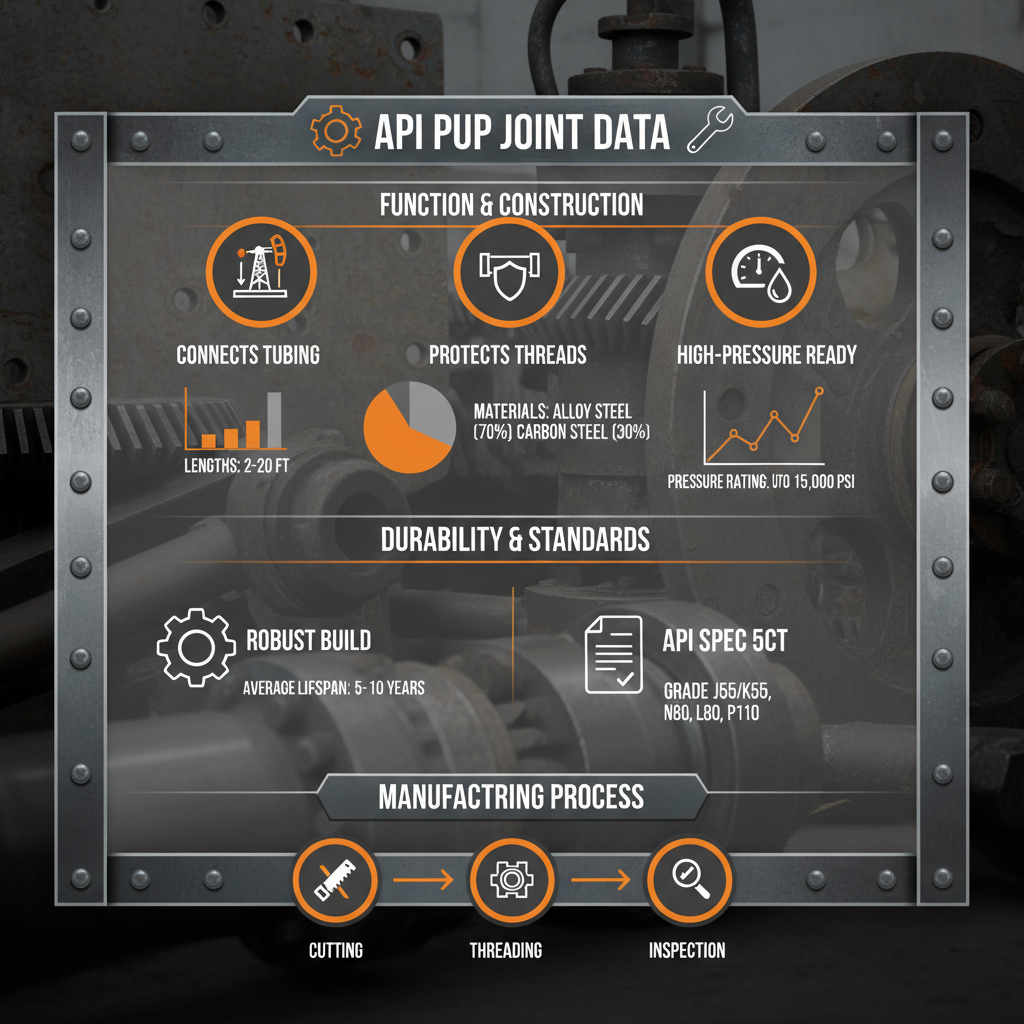
api pup joints are short sections of threaded pipe used to fine-tune the length of a drill string or casing string. They are crucial for accurately positioning tools and components within the wellbore. These joints ensure that the bottom hole assembly (BHA) is precisely configured for optimal performance.
Their role is not simply one of length adjustment; they also contribute to the overall structural integrity of the well. api pup joints are manufactured to the same rigorous standards as standard drill pipe and casing, ensuring compatibility and reliability. Proper selection and application are essential for maximizing drilling efficiency.
The lifespan of an api pup joint in offshore drilling varies significantly depending on the severity of the operating environment (salinity, temperature, pressure) and the frequency of use. However, with proper maintenance and inspection, a well-maintained api pup joint can typically last for 5-10 years, even in harsh offshore conditions. Regular non-destructive testing (NDT) and thread inspection are crucial for extending its service life.
Identifying the correct API specification is crucial for ensuring compatibility and safety. You should consult the well program and drilling plan to determine the required pressure rating, material grade, and thread type. Common API specifications include API 5CT (casing and tubing), API 7-1 (drill pipe), and API 11B (subsea equipment). Always verify the specifications with your drilling contractor and equipment supplier.
Regular maintenance is essential for maximizing the lifespan and reliability of api pup joints. Recommended procedures include thorough cleaning after each use, inspection of threads for damage or corrosion, application of thread dope, and periodic NDT to detect any hidden defects. Detailed maintenance records should be maintained for each joint.
Common failure modes in api pup joints include thread stripping, corrosion, fatigue cracking, and bending failure. Thread stripping is often caused by improper makeup torque or the use of incompatible thread dope. Corrosion can result from exposure to saltwater or corrosive drilling fluids. Fatigue cracking typically occurs due to repeated stress cycles. Proper inspection and maintenance can help prevent these failures.
In some cases, api pup joints can be re-threaded or repaired, depending on the extent of the damage. However, re-threading can reduce the joint's strength and may not be permissible for critical applications. Repairs should only be performed by qualified personnel using approved procedures and materials. Thorough inspection and testing are essential after any repair.
While individually less expensive than drill pipe or casing, api pup joints represent a significant aggregate cost due to the number required for a single well. Their cost depends on material grade, API specification, and length. Investing in high-quality api pup joints and implementing a robust maintenance program ultimately proves more cost-effective by minimizing downtime and preventing catastrophic failures.
api pup joints are fundamental components in the oil and gas industry, enabling efficient and safe well construction. Their standardized design, rigorous quality control, and critical role in BHA configuration contribute to enhanced drilling performance, reduced non-productive time, and improved well integrity. Proper selection, maintenance, and application are paramount for maximizing their lifespan and reliability.
Looking ahead, innovations in materials, digitalization, and sustainability will drive the evolution of api pup joint technology. Embracing these advancements will further optimize drilling operations, minimize environmental impact, and ensure the responsible extraction of vital energy resources. For superior api pup joints and expert technical support, visit our website: www.wjpetroleum.com.