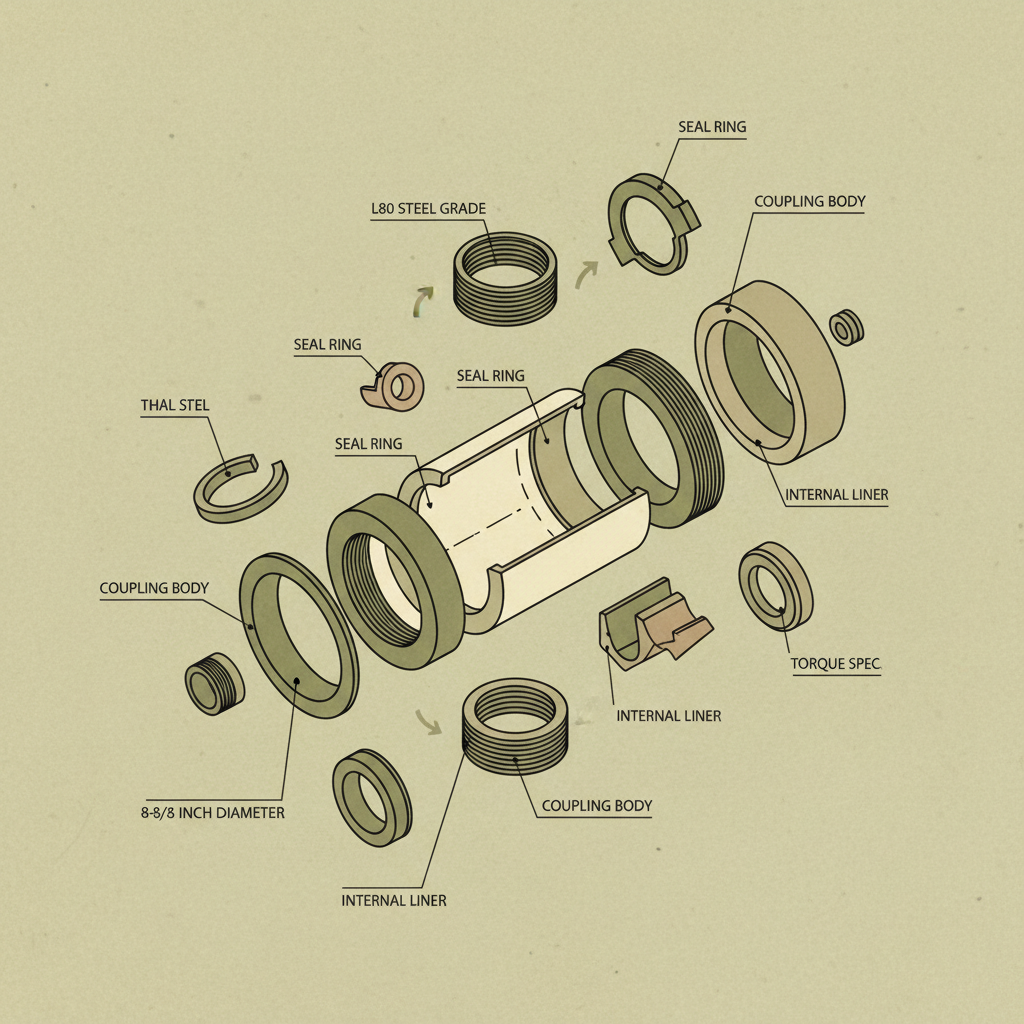
Accessory manufacturers play a crucial role in countless industries globally, providing essential components and enhancements to a vast array of products. From automotive parts and electronics casings to specialized equipment for medical, aerospace, and industrial applications, these manufacturers are the backbone of modern supply chains. The quality, precision, and innovation of accessory manufacturers directly impact the performance, reliability, and safety of finished goods, making them indispensable partners for businesses across the spectrum.
The global accessory manufacturing landscape is a multi-billion dollar industry, experiencing consistent growth driven by increasing consumer demand, technological advancements, and the outsourcing of manufacturing processes. Countries like China, India, Vietnam, and Mexico have emerged as key manufacturing hubs, offering cost-competitive production capabilities. However, challenges such as supply chain disruptions, rising material costs, and the need for sustainable manufacturing practices are pushing accessory manufacturers to adopt new strategies and technologies.
Understanding the intricacies of accessory manufacturing – from material science and design engineering to quality control and logistics – is paramount for businesses seeking to optimize their supply chains, reduce costs, and maintain a competitive edge in the global marketplace. A focus on innovation and responsiveness to evolving market needs will define successful accessory manufacturers in the years to come.
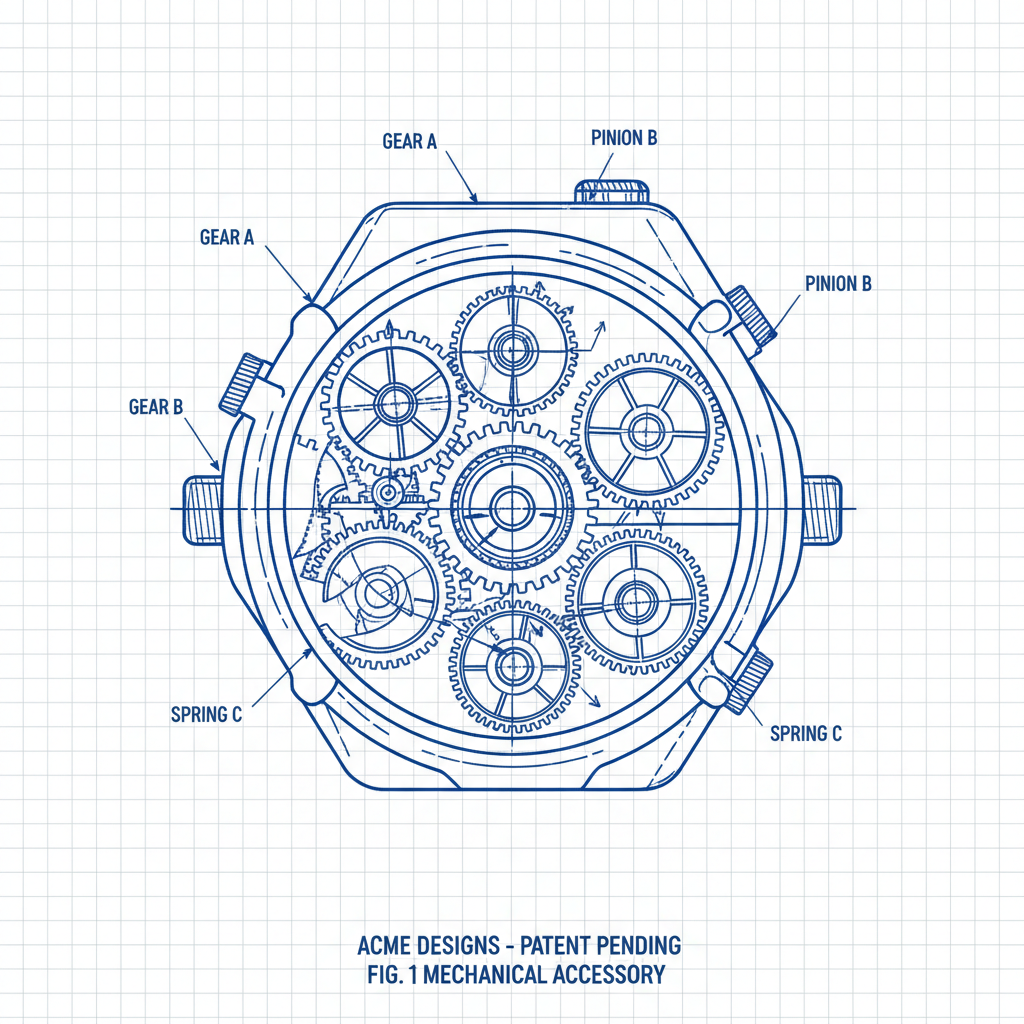
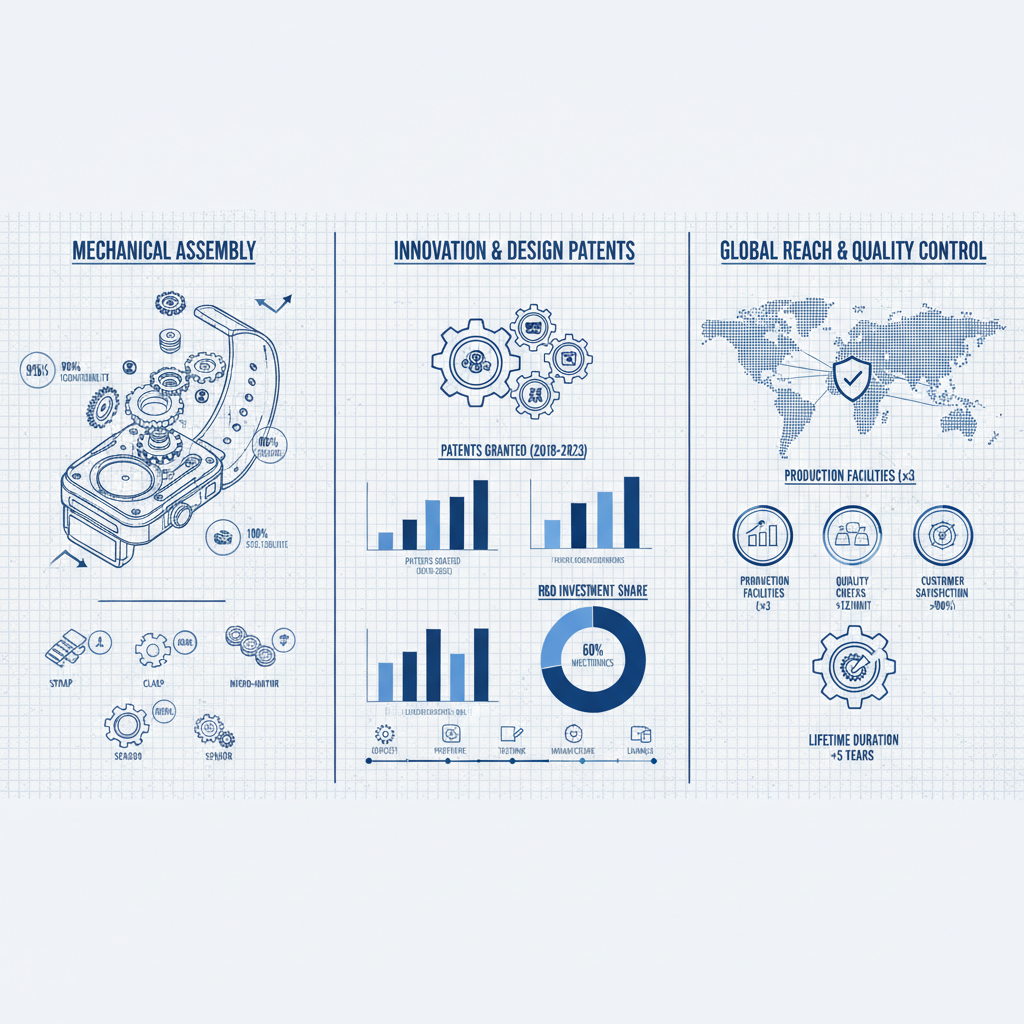
Accessory manufacturers are often the unsung heroes of complex global supply chains. They provide the specialized components, add-ons, and supporting products that enable larger manufacturers to assemble and deliver finished goods. Without a robust network of reliable accessory manufacturers, many industries would face significant disruptions and increased costs.
Their role extends beyond simple component production. They are increasingly involved in design collaboration, prototyping, materials research, and quality assurance, acting as strategic partners rather than simply suppliers. This collaborative approach is crucial for innovation and maintaining a competitive advantage in fast-paced markets.
Outsourcing accessory manufacturing offers numerous advantages, including reduced costs, access to specialized expertise, increased flexibility, and faster time to market. It allows companies to focus on their core competencies while leveraging the efficiency and scalability of dedicated accessory manufacturers. A carefully selected partner can streamline your supply chain and improve overall product quality, ultimately boosting your competitive advantage.
Ensuring quality requires a multi-faceted approach. Start with thorough vetting of potential manufacturers, focusing on their certifications, quality control systems, and track record. Implement a robust inspection process, including pre-production samples, in-process inspections, and final product testing. Clear communication, detailed specifications, and regular audits are also essential for maintaining consistent quality standards.
Current challenges include fluctuating material costs, supply chain disruptions, a shortage of skilled labor, and increasing pressure to adopt sustainable manufacturing practices. Cybersecurity threats are also a growing concern. Manufacturers need to be proactive in addressing these challenges through diversification, automation, investment in training, and a commitment to responsible sourcing.
Technology is revolutionizing accessory manufacturing. Additive manufacturing (3D printing) is enabling rapid prototyping and customization. Automation and robotics are increasing efficiency and reducing labor costs. Digital twin technology allows for virtual simulation and optimization of production processes. AI-powered quality control systems are enhancing precision and reducing defects, paving the way for smarter, more efficient manufacturing operations.
Sustainable practices include using recycled or renewable materials, reducing energy consumption, minimizing waste generation, and implementing closed-loop manufacturing systems. Accessory manufacturers can also prioritize ethical sourcing, responsible disposal of hazardous materials, and transparent reporting of their environmental impact. Adopting these practices not only benefits the environment but also enhances brand reputation and attracts environmentally conscious customers.
DFM is critically important. Designing products with manufacturing feasibility in mind significantly reduces costs, improves quality, and accelerates time to market. It involves considering material selection, assembly processes, tooling requirements, and potential manufacturing challenges during the design phase. Implementing DFM principles helps ensure that products can be efficiently and reliably produced at scale, maximizing profitability and minimizing risks.
In conclusion, accessory manufacturing is a vital and dynamic sector driving innovation and efficiency across a wide range of industries. From enabling cost-effective production to facilitating customization and supporting sustainable practices, accessory manufacturers play an indispensable role in the global supply chain. A focus on precision engineering, material expertise, quality control, and technological advancements is crucial for success in this competitive landscape.
Looking ahead, accessory manufacturers who embrace innovation, prioritize sustainability, and build strong partnerships will be best positioned to thrive. By investing in cutting-edge technologies and fostering a culture of continuous improvement, they can unlock new opportunities, enhance their competitiveness, and deliver long-term value to their customers. Visit our website at accessory manufacturer to learn more about how we can support your manufacturing needs.