Well casing extension couplings are critical components in the oil and gas industry, ensuring the integrity and safety of wellbores during drilling, completion, and production. These couplings connect sections of well casing, allowing for the construction of wells to significant depths and across varying geological formations. The increasing demand for energy resources, coupled with the exploration of challenging environments, has underscored the importance of reliable and efficient well casing extension coupling technologies. Understanding their function, applications, and future trends is vital for professionals in the energy sector and beyond.
The global energy landscape necessitates robust and adaptable well construction solutions. With a growing global population and increasing energy consumption, the need to access both conventional and unconventional reserves is paramount. Well casing extension couplings directly address this need by facilitating the creation of deeper and more complex wells, optimizing resource extraction. According to industry reports, the demand for advanced well construction technologies is projected to grow significantly in the coming years, further solidifying the importance of well casing extension coupling.
The effective use of well casing extension coupling systems translates to reduced operational risks, improved well productivity, and minimized environmental impact, contributing to a more sustainable energy future. These couplings are not just mechanical connectors; they are integral to maintaining wellbore stability and preventing fluid migration, ensuring the long-term viability of oil and gas operations.
Introduction to Well Casing Extension Coupling
Well casing extension couplings are specialized connectors used to join sections of steel casing in the construction of oil and gas wells. They're not merely fasteners; they're engineered to withstand immense pressures, temperatures, and corrosive environments. These couplings play a vital role in maintaining wellbore integrity and facilitating safe and efficient resource extraction.
The selection of the appropriate well casing extension coupling depends on several factors, including casing size, grade, connection type, and wellbore conditions. Ensuring a tight, reliable seal is paramount to prevent fluid migration and maintain well control. Advancements in materials science and manufacturing processes have led to the development of couplings that offer enhanced performance and longevity.
Defining Well Casing Extension Coupling
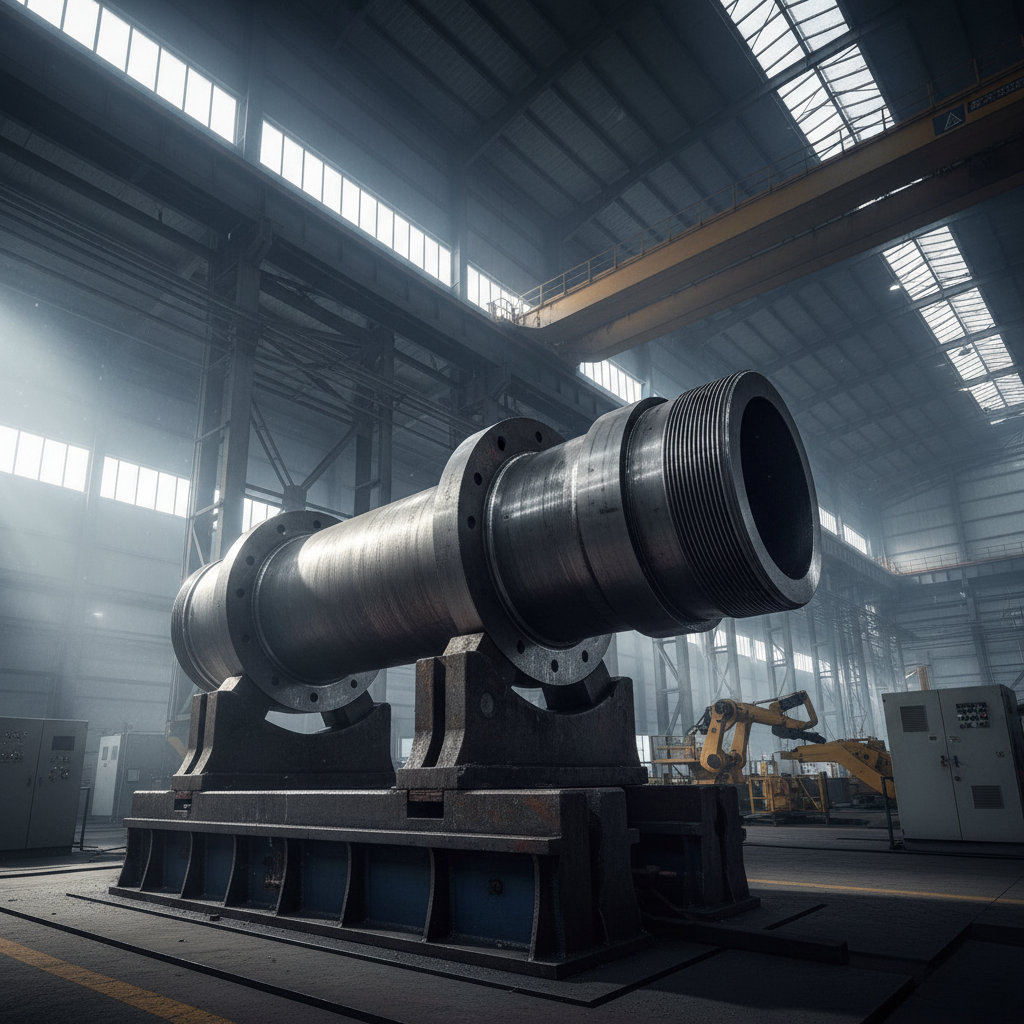
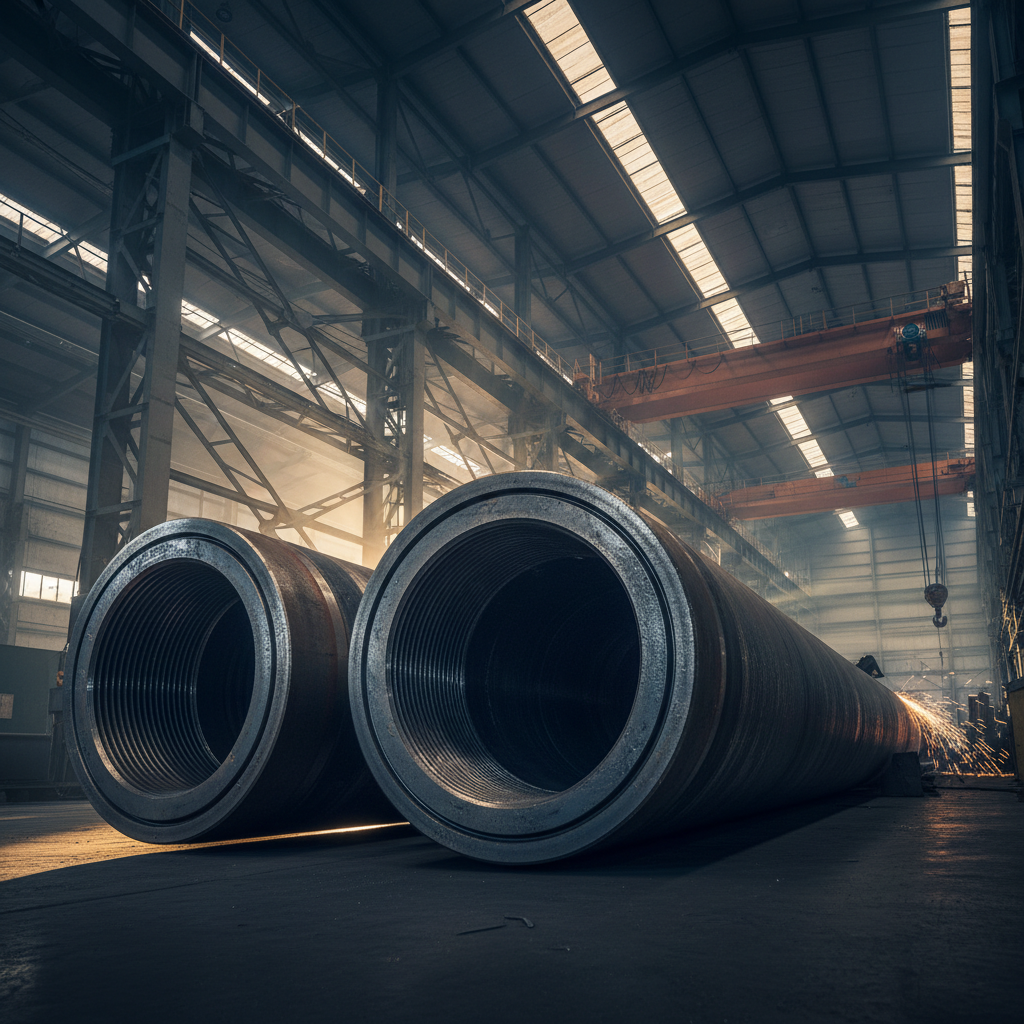
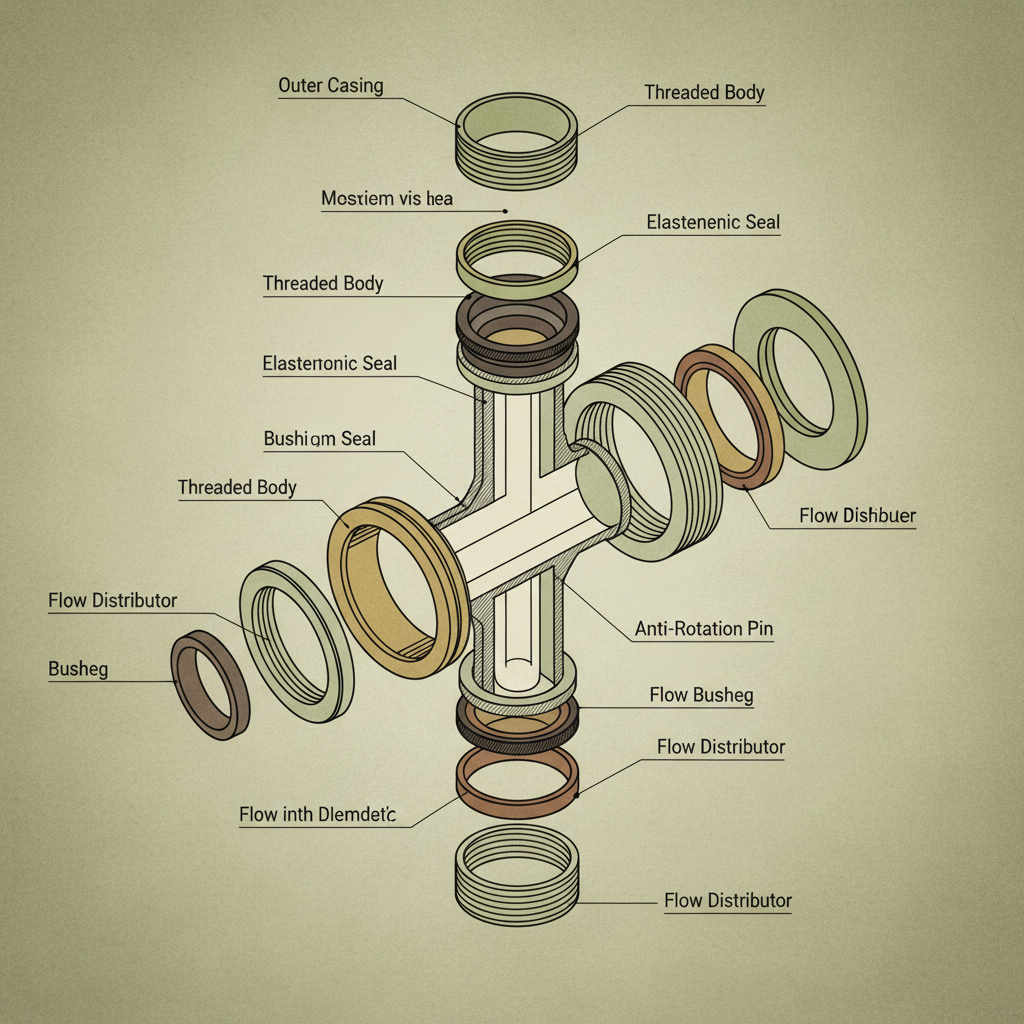
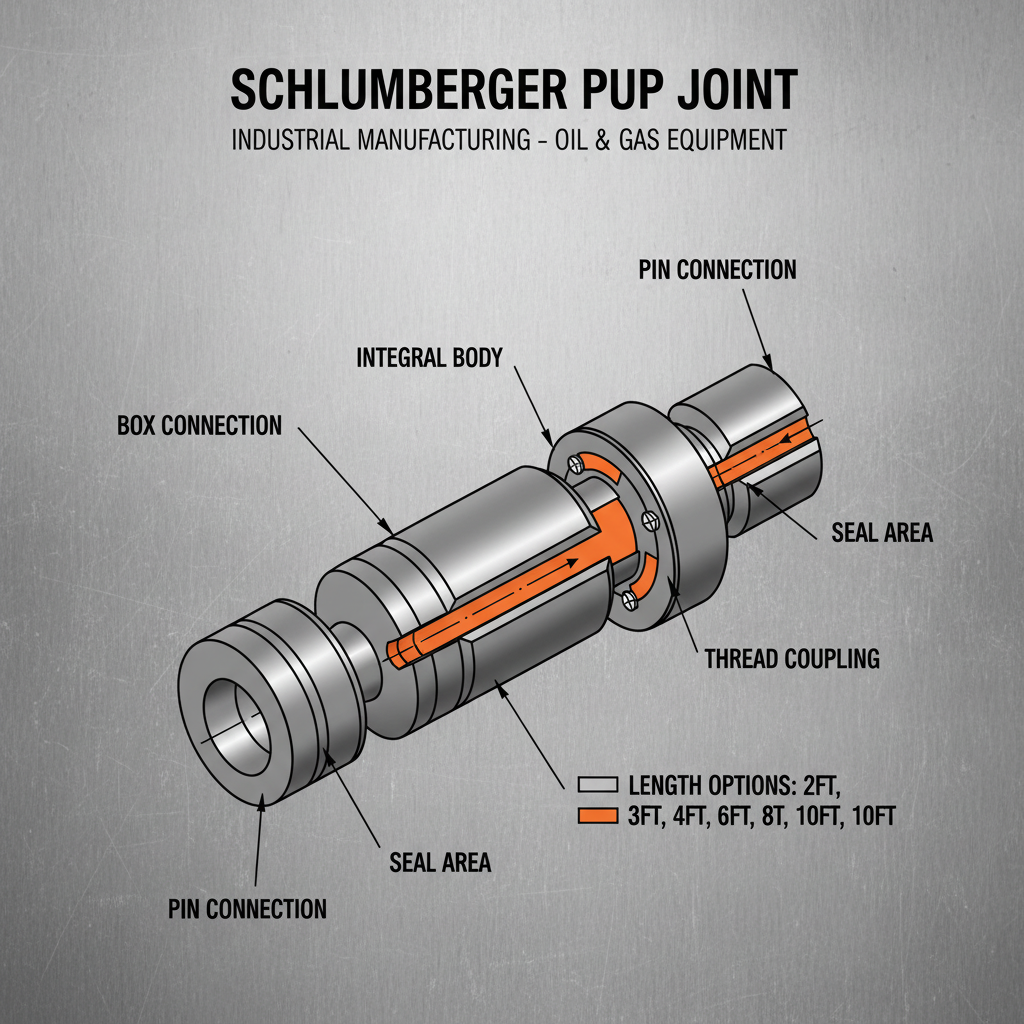
A well casing extension coupling is a short, threaded cylinder that connects two sections of well casing pipe. It provides a secure and leak-proof joint, allowing for the extension of the casing string to reach target depths. Different types of couplings exist, including threaded couplings, flash joint couplings, and integral couplings, each with its own advantages and limitations.
These couplings are integral to modern well construction, enabling the drilling of deeper and more complex wells than ever before. They are critical for isolating different geological zones, preventing contamination of groundwater, and safely managing formation pressures. Without reliable couplings, well integrity would be compromised, leading to potential environmental hazards and economic losses.
The function of a well casing extension coupling is closely linked to the overall sustainability of energy production. By preventing wellbore failures, these components contribute to minimizing environmental impact and maximizing resource recovery, aligning with the growing global focus on responsible energy development.
Core Components and Factors
Durability is arguably the most critical factor in well casing extension coupling design. These components must withstand extreme pressures, temperatures, and corrosive fluids encountered downhole. High-strength steel alloys and advanced coatings are commonly used to ensure long-term performance and prevent premature failure.
Scalability refers to the ability to adapt coupling designs to different casing sizes and grades. The oil and gas industry utilizes a wide range of casing specifications, and couplings must be readily available to accommodate these variations. Modular designs and standardized threading are key to achieving scalability.
Cost-efficiency is an important consideration, particularly in large-scale well construction projects. While performance and reliability are paramount, minimizing material costs and manufacturing expenses can significantly impact overall project economics. Streamlined manufacturing processes and optimized designs contribute to cost-effective solutions. Furthermore, reducing the risk of failure through robust couplings lowers costly remedial operations.
Global Applications and Use Cases
Well casing extension couplings are utilized worldwide in both onshore and offshore oil and gas exploration and production. They are essential in conventional drilling operations, as well as in unconventional resource extraction, such as shale gas and tight oil development. Major oil and gas producing regions, including North America, the Middle East, and Russia, rely heavily on these components.
In remote industrial zones, such as the Arctic and deepwater environments, the reliability of well casing extension coupling is particularly critical due to the challenging operating conditions and limited access for maintenance and repairs. These couplings must be able to withstand extreme cold, high pressures, and corrosive saltwater.
Furthermore, they are finding increasing application in geothermal energy projects, where they are used to construct wells for extracting heat from deep underground reservoirs. They also support carbon capture and storage (CCS) initiatives, ensuring the secure isolation of CO2 in subsurface formations.
Coupling Performance Comparison
Advantages and Long-Term Value
The primary advantage of utilizing high-quality well casing extension couplings is enhanced wellbore integrity. A secure and leak-proof connection minimizes the risk of fluid migration, preventing formation damage, protecting groundwater resources, and ensuring safe operation. This directly translates into reduced operational downtime and lower maintenance costs.
From a long-term perspective, investing in reliable couplings contributes to the sustainability of oil and gas operations. By minimizing well failures and maximizing resource recovery, these components help reduce the environmental footprint of energy production and promote responsible resource management. The inherent trust in a secure wellbore fosters a positive public image and enhances stakeholder confidence.
Future Trends and Innovations
The future of well casing extension coupling is likely to be shaped by advancements in materials science, such as the development of new corrosion-resistant alloys and composite materials. These materials will enable the construction of wells in even more challenging environments and extend the lifespan of existing wells.
Digital transformation and automation are also playing an increasingly important role. Smart couplings equipped with sensors can provide real-time monitoring of stress, pressure, and temperature, enabling predictive maintenance and preventing catastrophic failures. This aligns with the industry’s move towards data-driven decision-making and proactive risk management.
Challenges and Solutions
A significant challenge facing the industry is the degradation of couplings in highly corrosive environments. Traditional materials can suffer from localized corrosion, leading to weakening and potential failure. Innovative solutions include the development of advanced coatings, cathodic protection systems, and corrosion inhibitors.
Another challenge is the increasing complexity of well designs. Horizontal and multilateral wells require couplings that can accommodate complex geometries and withstand high bending stresses. Engineered couplings with optimized thread designs and enhanced fatigue resistance are crucial for these applications.
Furthermore, supply chain disruptions and material shortages can pose challenges to the timely delivery of well casing extension coupling. Diversifying sourcing strategies and investing in local manufacturing capabilities can help mitigate these risks and ensure a stable supply of critical components.
Summary of Common Challenges and Mitigation Strategies for Well Casing Extension Coupling
| Challenge |
Severity (1-10) |
Mitigation Strategy |
Implementation Cost (USD) |
| Corrosion in Sour Environments |
9 |
Utilize Corrosion-Resistant Alloys (CRAs) |
50,000 - 150,000 |
| High-Stress Applications (Horizontal Wells) |
8 |
Employ Premium Connections with Enhanced Fatigue Resistance |
30,000 - 80,000 |
| Thread Galling during Installation |
7 |
Use Thread Compounds and Proper Torque Control |
2,000 - 5,000 |
| Supply Chain Disruptions |
6 |
Diversify Supplier Base and Maintain Buffer Stock |
10,000 - 30,000 |
| Leakage due to Improper Sealing |
7 |
Implement Rigorous Quality Control and Inspection Procedures |
5,000 - 15,000 |
| Damage During Transportation and Handling |
5 |
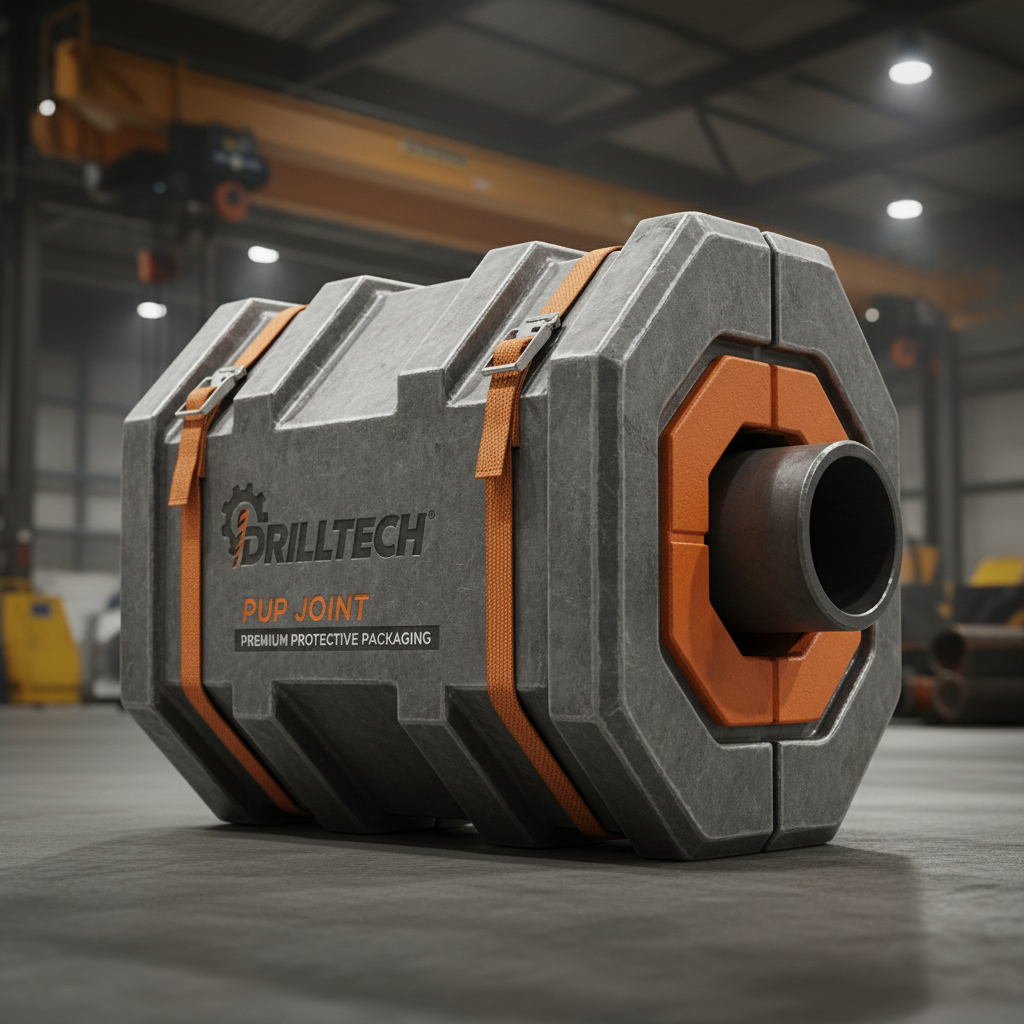
Improve Packaging and Handling Procedures |
1,000 - 3,000 |
FAQS
The lifespan of a well casing extension coupling varies significantly depending on the operating environment. However, with proper material selection, manufacturing quality, and installation procedures, a well-maintained coupling can typically last for 20-30 years, or even longer in less aggressive conditions. Factors like corrosion, temperature, and pressure play a crucial role in determining longevity. Regular inspection and maintenance programs are vital for maximizing service life and preventing premature failure.
Threaded couplings utilize precision-machined threads to connect casing sections, offering ease of installation and repair. Flash joint couplings, on the other hand, involve welding the casing ends together, creating a stronger, more seamless connection. Flash joint couplings are generally preferred for high-pressure, high-temperature applications, while threaded couplings are often favored for their versatility and lower installation costs. The choice depends on specific wellbore conditions and project requirements.
Selecting the appropriate coupling requires careful consideration of several factors, including the casing size, grade, and connection type, as well as the wellbore’s temperature, pressure, and corrosive environment. Consulting with a qualified well casing expert is highly recommended. They can assess the specific conditions and recommend a coupling material and design that will ensure optimal performance and longevity. Material certifications and compliance with relevant industry standards are also crucial.
Regular inspection is critical. This should include visual checks for corrosion, damage, or wear. Non-destructive testing (NDT) methods, such as ultrasonic testing and magnetic particle inspection, can detect subsurface defects. Proper torque control during installation and periodic retorquing are also important. Maintaining accurate records of inspection and maintenance activities helps track performance and identify potential issues before they escalate.
Yes, research and development efforts are focused on creating more durable and corrosion-resistant materials for well casing extension couplings. This includes exploring advanced alloys, composite materials, and innovative coatings. These new materials aim to improve performance in challenging environments, extend service life, and reduce the risk of failure. Nanotechnology and additive manufacturing are also being investigated for potential applications in coupling design and production.
Quality control is paramount. Couplings must meet stringent industry standards and undergo rigorous testing to ensure they can withstand the demanding conditions of wellbore operations. This includes dimensional checks, material property verification, and hydrostatic pressure testing. A robust quality management system, including detailed documentation and traceability, is essential for maintaining consistent product quality and minimizing the risk of failure.
Conclusion
In conclusion, well casing extension couplings are indispensable components in the modern oil and gas industry, playing a critical role in ensuring wellbore integrity, maximizing resource extraction, and minimizing environmental impact. Their reliability, durability, and scalability are essential for tackling the challenges of increasingly complex and demanding well construction projects. Advancements in materials science, digital technologies, and manufacturing processes are continuously improving the performance and longevity of these vital connectors.
Looking ahead, continued investment in research and development, coupled with a commitment to rigorous quality control and best practices, will be crucial for advancing the state-of-the-art in well casing extension coupling technology. By embracing innovation and proactively addressing emerging challenges, the industry can ensure the safe, efficient, and sustainable production of energy resources for generations to come. For expert solutions in well casing extension couplings, visit our website: www.wjpetroleum.com