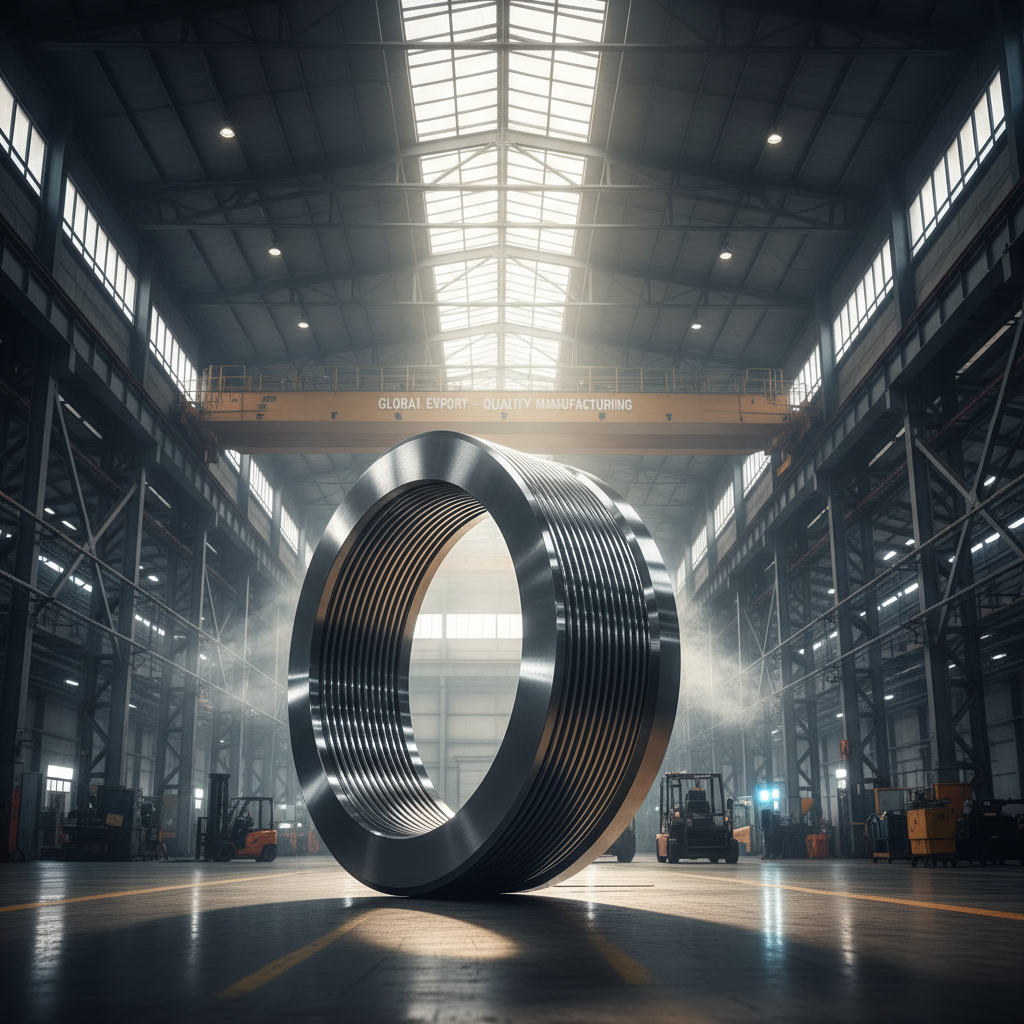
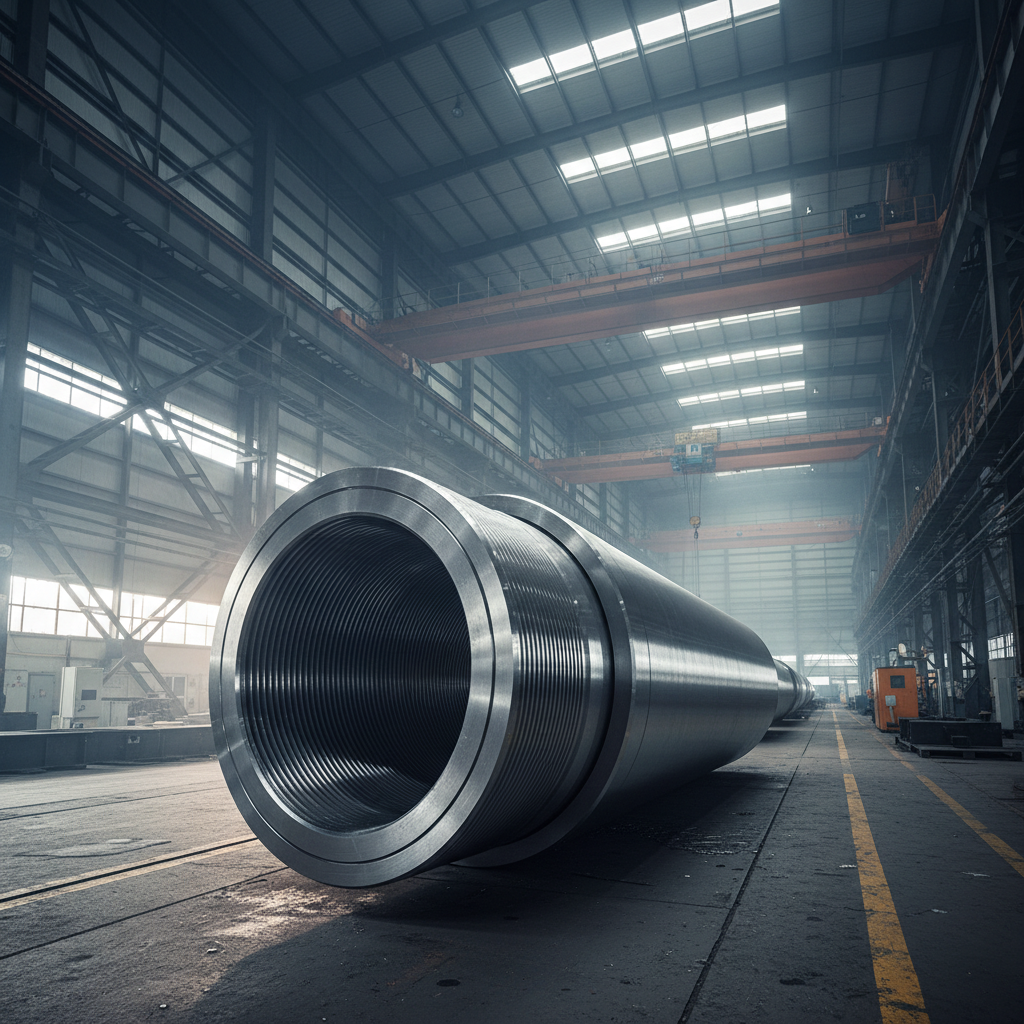
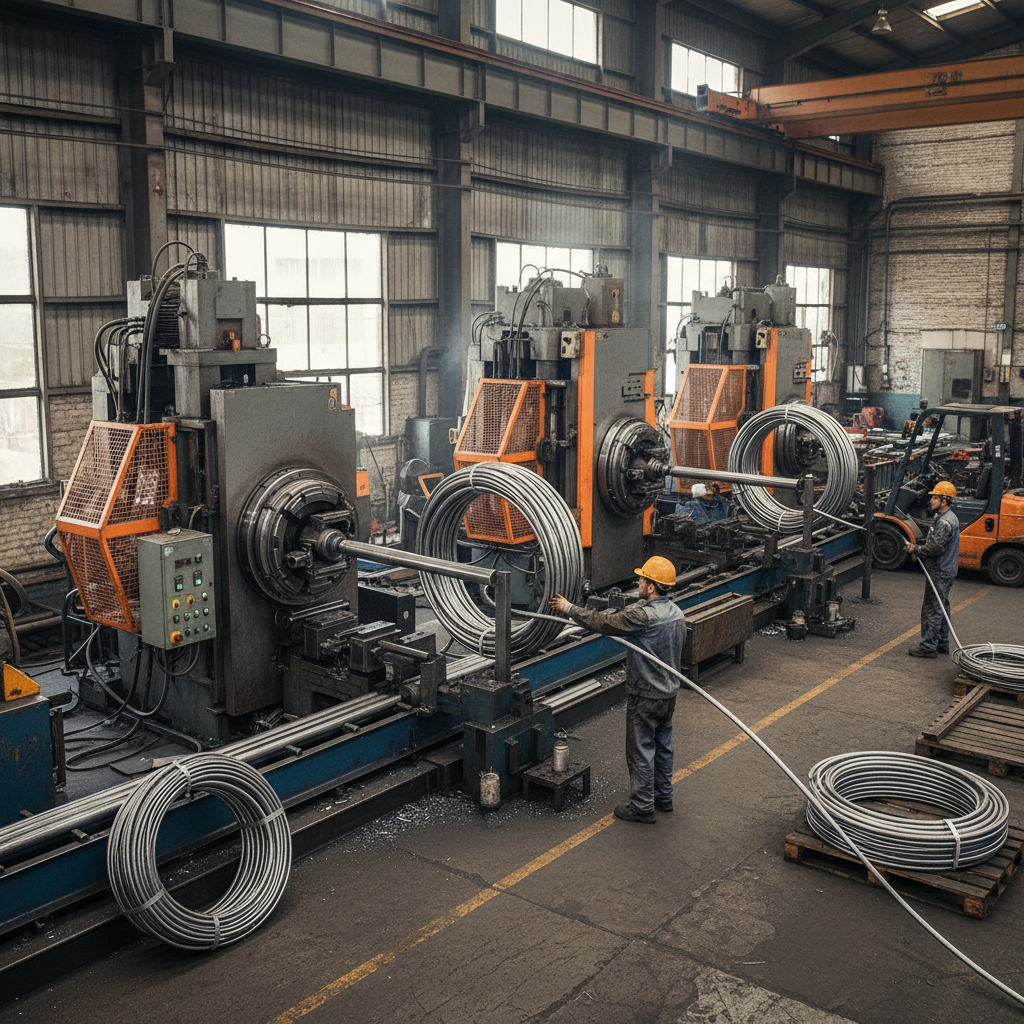
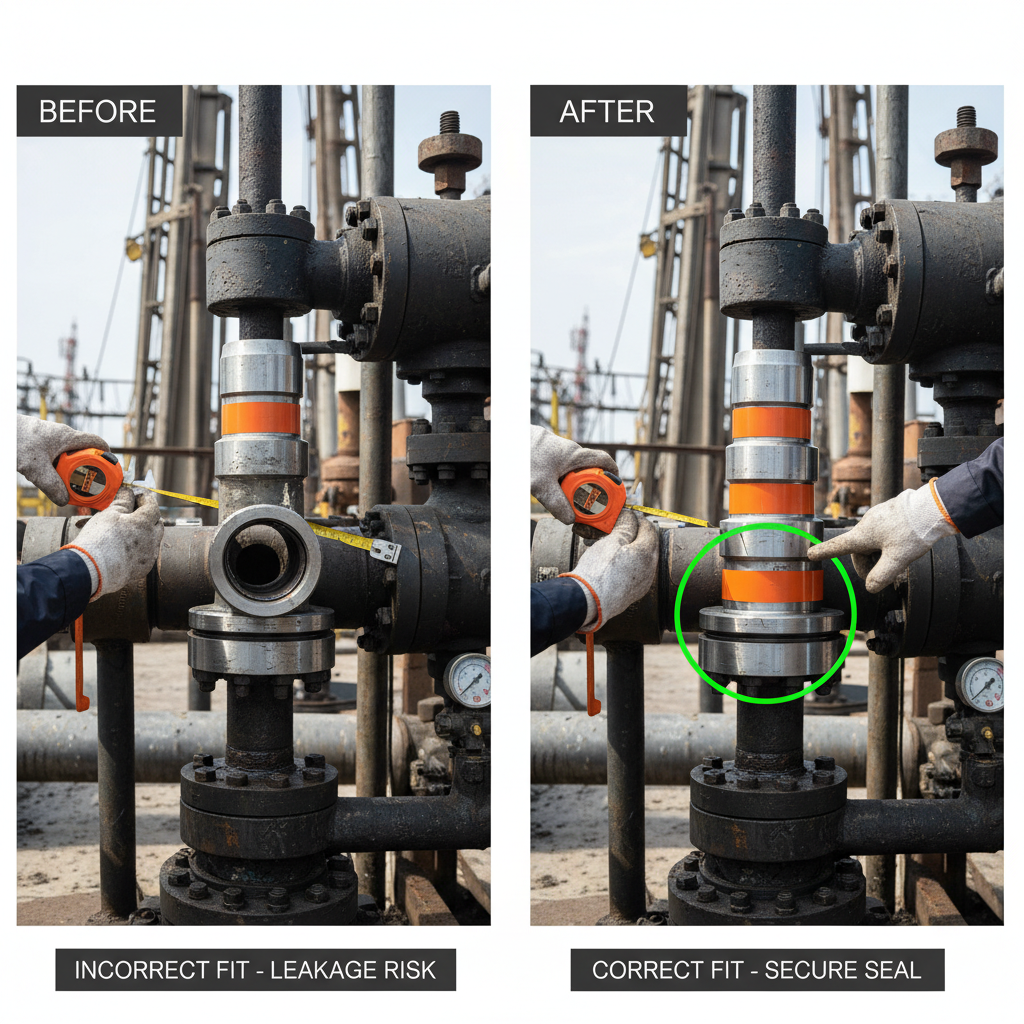
finished casing coupling plays a vital role in ensuring the structural integrity and longevity of oil and gas wells. These couplings, connecting sections of casing pipe, are crucial for maintaining wellbore stability, preventing collapse, and enabling safe and efficient extraction of resources. Globally, the demand for reliable finished casing coupling is driven by increasing energy consumption and the exploration of more challenging oil and gas reserves.
The importance of finished casing coupling extends beyond the energy sector. They're integral to water well construction, geothermal energy projects, and even mineral extraction. According to the World Bank, investment in water infrastructure, including well construction, requires robust casing and coupling systems to guarantee long-term water security. A failure in these systems can lead to contamination, resource loss, and significant environmental damage. Investing in quality finished casing coupling translates to sustainable resource management and reduced operational risks.
Understanding the nuances of finished casing coupling—materials, manufacturing processes, and application-specific designs—is therefore essential for engineers, operators, and policymakers involved in these critical industries. Proper selection and installation directly impact the cost-effectiveness, safety, and environmental responsibility of these projects.
Introduction to finished casing coupling
finished casing coupling are essential components in well construction, acting as the connector between sections of casing pipe. Their primary function is to maintain the integrity of the wellbore, preventing fluid migration and ensuring the structural stability required for safe and efficient operations. The choice of finished casing coupling significantly impacts the overall reliability and lifespan of the well.
These couplings aren't simply mechanical connectors; they represent a critical interface in a complex system. Their design must account for extreme pressures, corrosive environments, and dynamic loads. Innovations in materials and manufacturing techniques are constantly driving improvements in finished casing coupling performance, leading to more durable, cost-effective, and environmentally responsible solutions.
Defining finished casing coupling
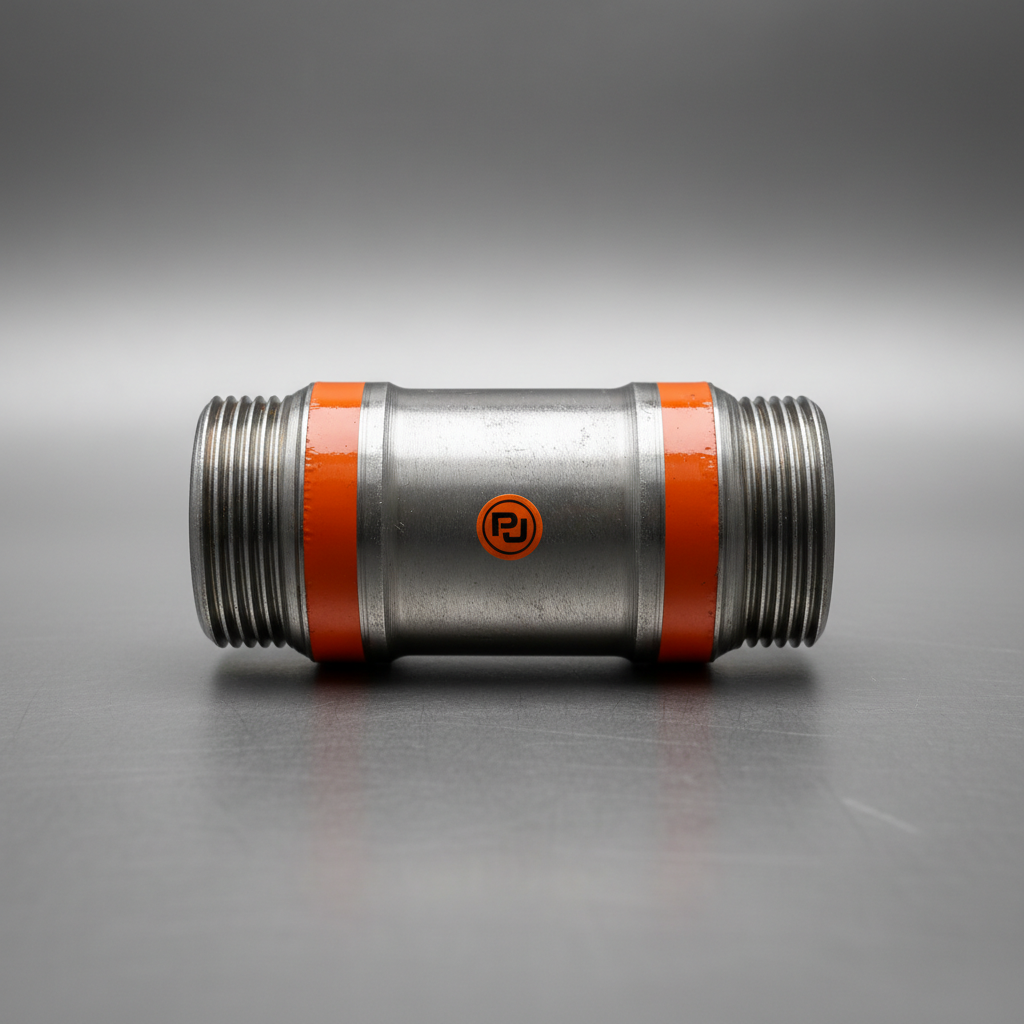
finished casing coupling, in the simplest terms, are the threaded connectors used to join sections of oilfield casing pipe to form a complete wellbore liner. They are precision-engineered components designed to withstand the immense pressures and stresses encountered during drilling, completion, and production. Unlike other pipe connections, finished casing couplings undergo rigorous quality control to meet stringent industry standards.
The 'finished' designation signifies that these couplings have been fully machined, threaded, and tested, ready for immediate installation. This contrasts with rough-neck couplings, which require further processing. A finished casing coupling ensures a leak-proof, mechanically sound connection critical for well integrity.
The connection of finished casing coupling to modern industry is directly linked to the demands of responsible resource extraction and environmental protection. Modern well construction depends on the reliability and longevity that high-quality finished casing coupling provide, which aligns with sustainable practices.
Core Characteristics of finished casing coupling
Durability is paramount when evaluating finished casing coupling. They must resist corrosion, erosion, and fatigue caused by continuous exposure to harsh downhole conditions. Material selection—typically high-alloy steels—and robust thread designs are key to achieving long-term reliability.
Pressure Integrity is another critical characteristic. finished casing coupling must maintain a secure seal against extremely high internal pressures, preventing fluid leakage and maintaining well control. This requires precise machining of threads and the use of effective sealing compounds.
Thread Compatibility is essential for seamless connection between different casing sections and couplings. Standardized thread types, such as API threads, ensure interchangeability and simplify installation. Accurate thread geometry and consistent manufacturing tolerances are crucial for preventing cross-threading and ensuring a tight, secure fit.
Key Performance Indicators of finished casing coupling
Tensile Strength is a key indicator, representing the maximum stress a finished casing coupling can withstand before fracturing. Higher tensile strength ensures the coupling can bear the loads imposed during drilling and completion operations.
Yield Strength measures the amount of stress a finished casing coupling can endure before permanent deformation occurs. Maintaining high yield strength prevents coupling collapse and ensures long-term wellbore stability.
finished casing coupling Performance Comparison
Global Applications of finished casing coupling
finished casing coupling are fundamental to oil and gas well construction worldwide, including regions such as the Middle East, North America, and Russia, where extensive drilling operations are prevalent. They are also vital in offshore platforms, requiring particularly robust and corrosion-resistant couplings.
Beyond oil and gas, finished casing coupling find application in water well drilling, essential for providing clean water resources in numerous countries. In regions facing water scarcity, reliable well construction, facilitated by durable finished casing coupling, is critical.
The Long-Term Value of finished casing coupling
Investing in high-quality finished casing coupling results in substantial cost savings over the well's lifecycle. Reduced maintenance, minimized risk of failure, and extended well lifespan all contribute to lower operational expenses. Furthermore, the environmental benefits associated with preventing leaks and contamination translate to long-term cost avoidance.
The reliability of finished casing coupling builds trust and reinforces the reputation of energy and water resource companies. This trust extends to stakeholders, including investors, regulators, and the public, demonstrating a commitment to responsible operations and environmental stewardship.
Future Trends in finished casing coupling Technology
The development of advanced materials, such as corrosion-resistant alloys and composite materials, is driving innovation in finished casing coupling. These materials enhance durability and reduce the need for frequent replacements. Digital technologies, including sensors integrated into couplings, are enabling real-time monitoring of wellbore conditions and predictive maintenance.
Automation and robotic installation techniques are streamlining the casing and coupling process, increasing efficiency and reducing human error. A growing focus on sustainability is leading to the development of environmentally friendly manufacturing processes and the use of recyclable materials.
These advancements will lead to more resilient, cost-effective, and sustainable well construction practices, benefiting the entire energy and water resource industries.
Summary of Future Trends in finished casing coupling Technology
| Trend Category |
Description |
Impact on finished casing coupling |
Implementation Timeline |
| Materials Science |
Development of new alloys and composites. |
Increased corrosion resistance, higher strength-to-weight ratios. |
Short-term (1-3 years) |
| Digital Integration |
Incorporation of sensors and data analytics. |
Real-time monitoring of coupling performance, predictive maintenance. |
Medium-term (3-5 years) |
| Automation |
Robotic installation and inspection processes. |
Reduced installation time, improved accuracy, minimized human error. |
Medium-term (3-5 years) |
| Sustainability |
Environmentally friendly manufacturing and recyclable materials. |
Reduced environmental impact, improved corporate social responsibility. |
Long-term (5+ years) |
| Advanced Threading |
Novel thread designs for improved sealing and load distribution. |
Enhanced connection integrity, reduced risk of leaks. |
Short-term (1-3 years) |
| AI-Powered Quality Control |
Artificial intelligence for defect detection during manufacturing. |
Improved product quality, reduced failure rates. |
Medium-term (3-5 years) |
FAQS
Standard finished casing coupling typically meet API specifications and are suitable for most conventional well construction applications. Premium couplings, however, feature enhanced thread designs, materials, and sealing technologies. These enhancements deliver superior performance in challenging environments, such as high-pressure/high-temperature wells or those prone to corrosion, offering greater reliability and reduced risk of failure. Choosing the right type depends on specific well conditions and operational requirements.
The material plays a crucial role in a finished casing coupling's lifespan. High-alloy steels, like those containing chromium, nickel, and molybdenum, provide excellent corrosion resistance. The specific alloy composition is selected based on the anticipated downhole conditions. Factors such as hydrogen sulfide (H2S) presence, salinity, and temperature dictate the need for specialized materials. Using the appropriate material significantly extends the coupling's service life and reduces the risk of premature failure.
Common failure mechanisms include corrosion (uniform, pitting, or crevice), thread galling (due to improper installation or lack of lubrication), fatigue (from cyclic loading), and hydrogen embrittlement. Proper installation, regular inspection, and the selection of appropriate materials are critical to mitigating these risks. Additionally, ensuring proper torque during make-up and break-out procedures can prevent thread damage.
Thread sealant is essential for creating a leak-proof connection between casing sections. It fills microscopic imperfections in the threads, preventing fluid migration and maintaining wellbore integrity. The selection of the appropriate sealant depends on the fluid composition, temperature, and pressure. Improper sealant application or the use of incompatible materials can lead to leaks and compromise the well’s safety and productivity.
Finished casing coupling undergo rigorous quality control processes, including visual inspection for defects, dimensional checks to verify thread geometry, non-destructive testing (NDT) methods like magnetic particle inspection (MPI) and ultrasonic testing (UT) to detect internal flaws, and hydrostatic testing to assess pressure integrity. These inspections ensure that each coupling meets stringent industry standards and is fit for its intended purpose.
Environmental considerations include the materials used in manufacturing, the energy consumption of the production process, and the potential for leaks or spills during operation. Selecting corrosion-resistant materials reduces the need for frequent replacements and minimizes waste. Adopting sustainable manufacturing practices and implementing robust well integrity programs further mitigate environmental risks.
Conclusion
In conclusion, finished casing coupling are undeniably critical components in ensuring the safety, reliability, and sustainability of oil and gas, water well, and geothermal energy operations. Their performance directly impacts operational costs, environmental responsibility, and long-term resource security. A thorough understanding of their characteristics, applications, and emerging trends is essential for industry professionals.
Looking ahead, continued innovation in materials, digital technologies, and automated processes will drive further improvements in finished casing coupling technology. Embracing these advancements and prioritizing quality control are key to unlocking enhanced efficiency, reducing environmental impact, and building a more sustainable future for resource extraction and water management. To learn more about our finished casing coupling solutions, visit our website: www.wjpetroleum.com.