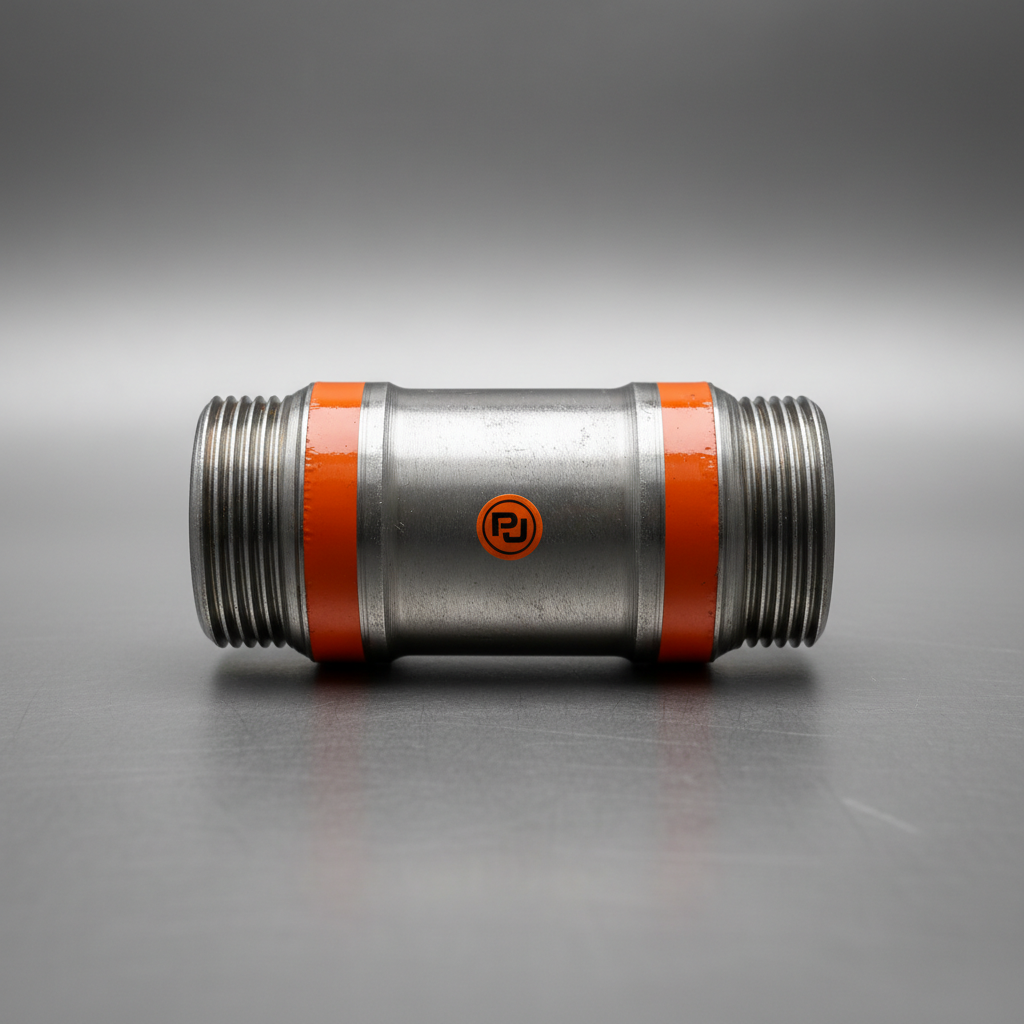
Pup joint drill pipe plays a critical role in the oil and gas industry, acting as a short section of drill pipe used to efficiently make connections during drilling operations. These connections are vital for extending the reach of the drill string and achieving target depths in challenging geological formations. The widespread adoption of pup joint drill pipe underscores its importance in enhancing drilling efficiency, reducing downtime, and optimizing resource extraction on a global scale.
The demand for pup joint drill pipe is intrinsically linked to global energy consumption and exploration activities. As the world’s energy needs continue to grow, particularly in developing nations, the demand for oil and gas – and thus drilling operations – increases. This necessitates robust and reliable drill pipe solutions like pup joints. Data from the U.S. Energy Information Administration (EIA) consistently demonstrates a strong correlation between oil prices, drilling activity, and the associated demand for drilling equipment, including pup joint drill pipe.
Understanding the nuances of pup joint drill pipe, including its materials, manufacturing processes, and applications, is crucial for professionals in the oilfield services sector, energy companies, and regulatory bodies alike. Proper selection, maintenance, and utilization of pup joint drill pipe directly impact the safety, cost-effectiveness, and environmental sustainability of drilling projects. Furthermore, continuous innovation in this field is driving improvements in drill pipe performance and longevity, leading to more efficient and responsible resource development.
Introduction to Pup Joint Drill Pipe
Pup joint drill pipe are short lengths of drill pipe, typically ranging from 5 to 10 feet, strategically utilized within a longer drill string. Their primary function is to facilitate quick and efficient connections when adding or removing sections of drill pipe during drilling operations. These connections are critical for navigating complex wellbore paths and achieving desired drilling depths.
The use of pup joints significantly reduces the time and effort required for making connections compared to handling full-length drill pipe sections. This translates into reduced non-productive time (NPT), which is a major cost driver in drilling operations. Optimized connection times, enabled by pup joint drill pipe, contribute directly to increased drilling efficiency and overall project profitability.
Defining Pup Joint Drill Pipe
At its core, a pup joint drill pipe is a specialized segment of the drill string designed for rapid connection and disconnection. Unlike standard drill pipe sections, pup joints are purposefully shorter, making them easier and safer to handle. They are manufactured to the same rigorous standards as standard drill pipe, ensuring compatibility and consistent performance within the drill string.
The concept of pup joints has evolved alongside advancements in drilling technology. Early drilling operations relied heavily on manual handling of full-length drill pipe, a process that was both time-consuming and hazardous. The introduction of pup joints streamlined this process, significantly improving safety and efficiency. Their continued relevance stems from their ability to adapt to the demanding requirements of modern drilling environments.
Understanding the definition is more than just recognizing the length; it's acknowledging the strategic role pup joints play in optimizing drilling workflows and maximizing operational effectiveness. Their integration into drilling procedures demonstrates a commitment to improving overall project outcomes.
Core Characteristics of Pup Joint Drill Pipe
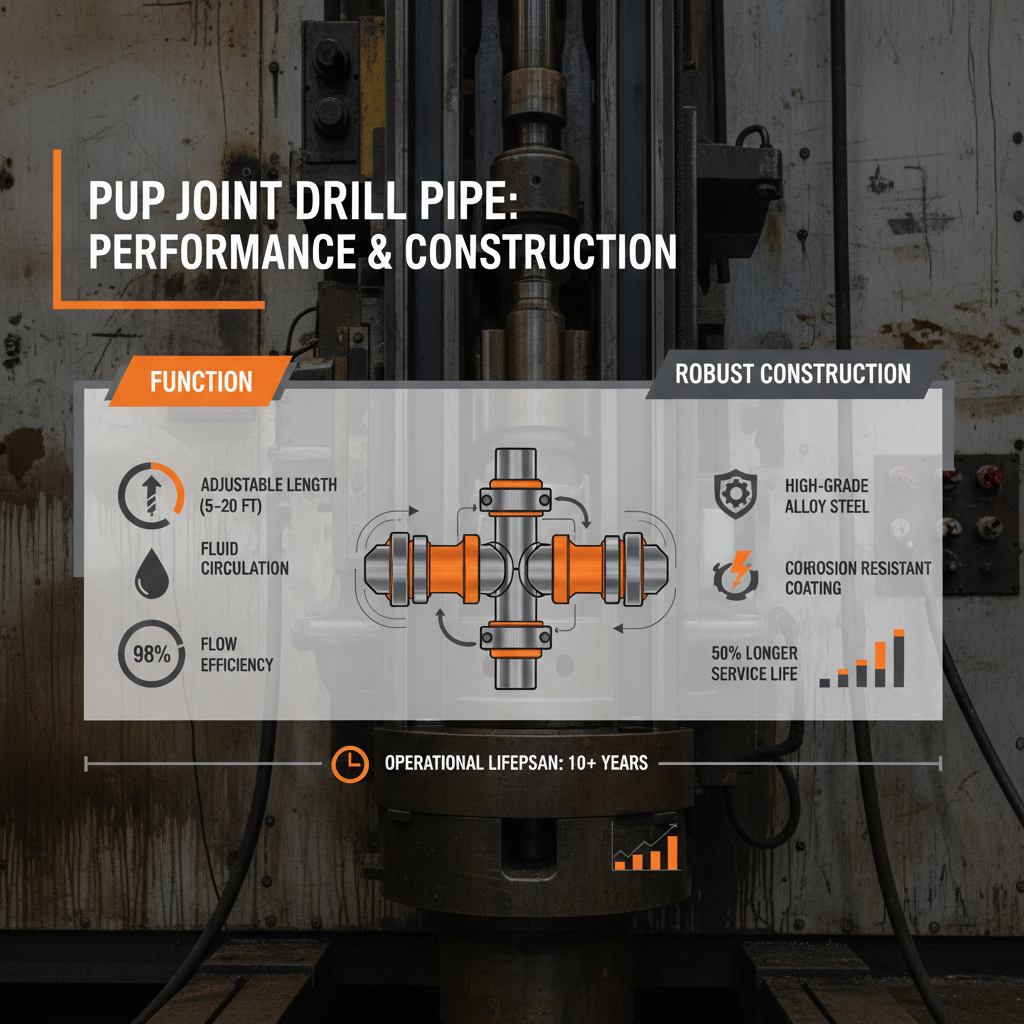
Several key characteristics define the quality and performance of pup joint drill pipe. First and foremost is material composition. Typically constructed from high-strength alloy steels, pup joints must withstand extreme pressures, torsional stresses, and corrosive environments. The specific alloy used often depends on the anticipated drilling conditions and the composition of the surrounding formations.
Another crucial aspect is dimensional accuracy. Pup joints must adhere to stringent dimensional tolerances to ensure seamless connections with standard drill pipe sections and to maintain the integrity of the drill string. Deviations from these tolerances can lead to connection failures and costly downtime.
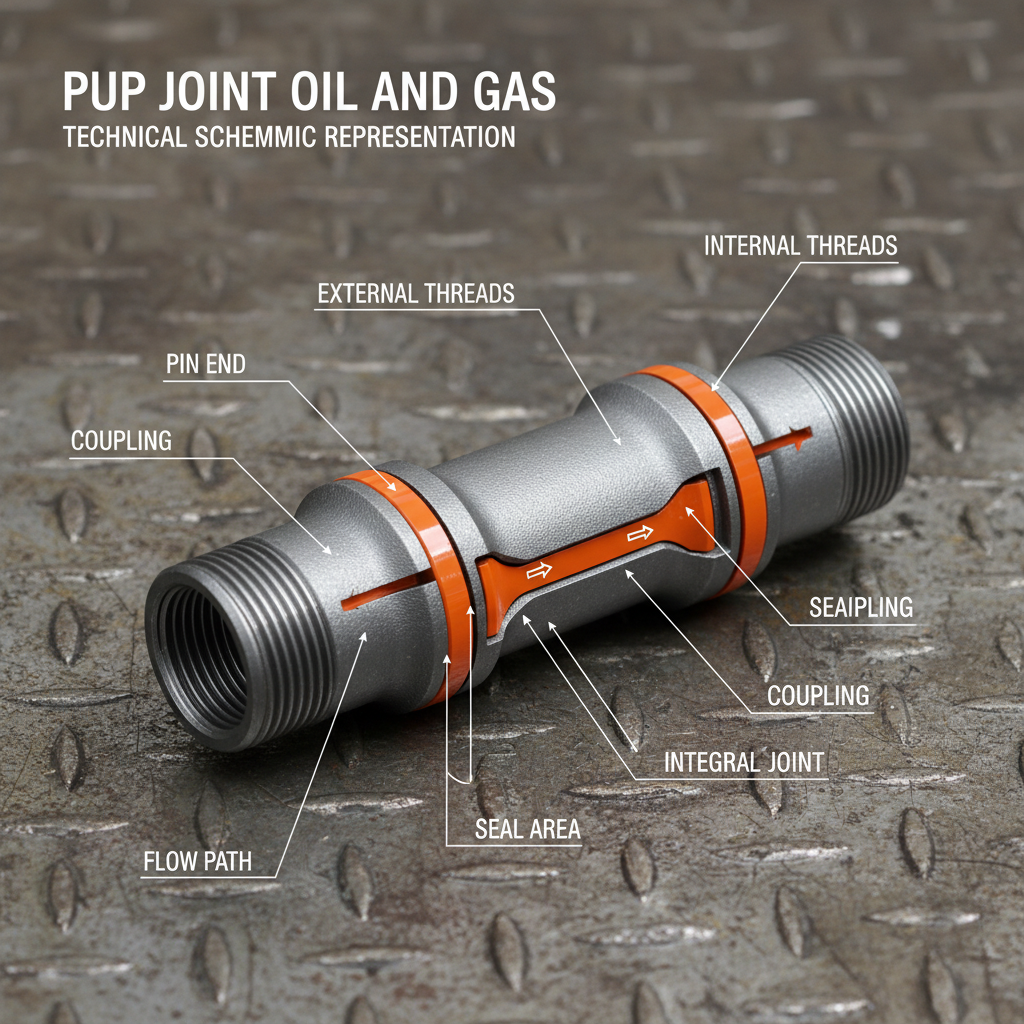
Furthermore, thread design plays a vital role. Connections between pup joints and drill pipe are critical and rely on carefully engineered threads that provide a secure and leak-proof seal. Common thread types include API connections, which are widely recognized and standardized within the industry. Finally, surface finish is important; a smooth, polished surface reduces friction and facilitates easy connection and disconnection.
Key Performance Indicators of Pup Joint Drill Pipe
Evaluating the performance of pup joint drill pipe requires considering several key indicators. Tensile strength is paramount, reflecting the pipe’s ability to withstand axial loads during drilling. Higher tensile strength equates to greater durability and resistance to failure. Closely related is yield strength, which indicates the point at which the material begins to deform permanently.
Another important metric is torque capacity, representing the amount of rotational force the pup joint can withstand without twisting or deforming. Adequate torque capacity is essential for transmitting power from the drilling rig to the bit. Furthermore, corrosion resistance is a critical factor, especially in harsh drilling environments with exposure to saltwater, hydrogen sulfide, or other corrosive agents.
Pup Joint Drill Pipe Performance Metrics
Global Applications of Pup Joint Drill Pipe
Pup joint drill pipe finds extensive application across the globe in various oil and gas drilling operations. In the North Sea, for example, pup joints are routinely used in complex well construction projects requiring frequent connections due to the challenging geological formations and tight wellbore tolerances. Similarly, in the Gulf of Mexico, where deepwater drilling is prevalent, pup joints contribute to efficient drilling of ultra-deep wells.
Across the Middle East, a major hub for oil production, pup joint drill pipe is integral to maximizing drilling efficiency in both onshore and offshore operations. Regions like Saudi Arabia, the UAE, and Qatar rely heavily on pup joints to accelerate drilling processes and enhance oil recovery rates. In remote locations such as the Siberian oilfields, pup joint drill pipe is vital for maintaining drilling operations in harsh climatic conditions.
Advantages of Utilizing Pup Joint Drill Pipe
The primary advantage of pup joint drill pipe lies in its ability to drastically reduce non-productive time (NPT) during drilling. By shortening connection times, operators can maximize the amount of time spent actually drilling, leading to increased overall efficiency and reduced project costs. This directly impacts the economic viability of drilling projects.
Furthermore, pup joints enhance safety by minimizing the manual handling of heavy, full-length drill pipe sections. This reduces the risk of musculoskeletal injuries among drilling crews and creates a safer working environment. The improved efficiency and safety provided by pup joint drill pipe contribute to a more sustainable and responsible approach to resource extraction.
Future Trends in Pup Joint Drill Pipe Technology
Several emerging trends are poised to reshape the future of pup joint drill pipe technology. One significant development is the integration of advanced materials, such as high-strength chromium alloys, to enhance corrosion resistance and durability in increasingly challenging drilling environments. Another trend is the development of automated connection systems that further reduce NPT and improve drilling efficiency.
Digitalization also plays a key role. Sensor-equipped pup joints can provide real-time data on stress levels, torque, and other critical parameters, enabling predictive maintenance and optimized drilling practices. The rise of sustainable drilling practices is also driving the demand for eco-friendly pup joint materials and manufacturing processes, minimizing the environmental impact of drilling operations.
FAQS
The lifespan of a pup joint drill pipe varies based on drilling conditions, usage frequency, and maintenance practices. However, with proper inspection, cleaning, and repair, a well-maintained pup joint can often last for several years, even in demanding environments. Regular non-destructive testing (NDT) is crucial for identifying potential defects and extending the lifespan of the pipe.
Selecting the appropriate pup joint size depends on the drill string diameter, connection type, and desired connection frequency. Consulting with a drilling engineer or experienced drill pipe supplier is highly recommended. They can assess your specific needs and recommend the optimal pup joint size to maximize efficiency and ensure compatibility with your existing drill string components.
Regular maintenance is essential for prolonging the life of pup joint drill pipe. This includes thorough cleaning after each use to remove debris and contaminants, visual inspection for cracks or damage, and periodic non-destructive testing (NDT) such as magnetic particle inspection (MPI) or ultrasonic testing (UT). Thread inspections are also critical to ensure proper connection integrity.
No, pup joints are not universally compatible with all drill pipe connections. It's crucial to ensure that the pup joint connection type matches the connection type of the standard drill pipe sections in your drill string. Using incompatible connections can lead to connection failures and potentially hazardous situations.
Pup joint drill pipe can be heavy and cumbersome, so proper handling procedures are essential. Always wear appropriate personal protective equipment (PPE), including gloves, safety glasses, and steel-toe boots. Use lifting equipment and follow established rigging procedures to avoid manual lifting and reduce the risk of injury. Ensure the work area is clear of obstructions and that all personnel are aware of the lifting operation.
The material composition significantly impacts a pup joint's performance. High-strength alloy steels are preferred for their ability to withstand extreme loads and corrosive environments. The specific alloy selected affects tensile strength, yield strength, corrosion resistance, and overall durability. Choosing the appropriate material is crucial for matching the pup joint to the demands of the drilling operation.
Conclusion
In conclusion, pup joint drill pipe remains a vital component in modern drilling operations, offering significant advantages in terms of efficiency, safety, and cost-effectiveness. Its role in minimizing non-productive time, enhancing crew safety, and enabling complex well construction cannot be overstated. From the North Sea to the Gulf of Mexico, pup joints contribute to the reliable and responsible extraction of vital energy resources.
Looking ahead, continued innovation in materials, automation, and digitalization will further enhance the performance and sustainability of pup joint drill pipe. Embracing these advancements will be crucial for optimizing drilling operations, reducing environmental impact, and ensuring a secure energy future. To learn more about our pup joint drill pipe solutions and how we can help optimize your drilling operations, visit our website today: pup joint drill pipe.