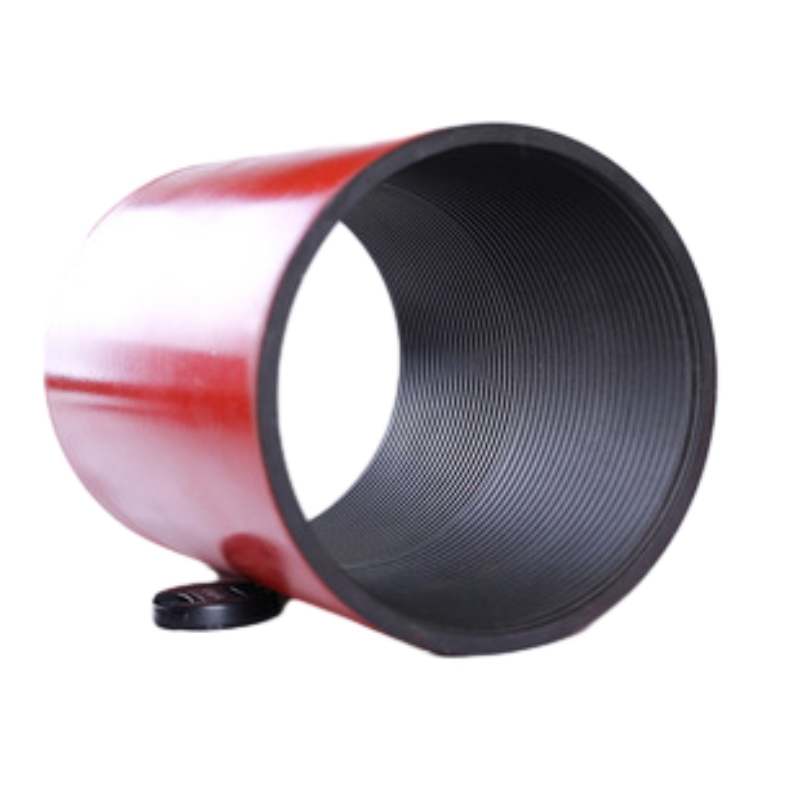


Understanding the Critical Role of a High Quality tubo de unión de cachorro
Understanding the Importance of a High-Quality tubo de unión de cachorro
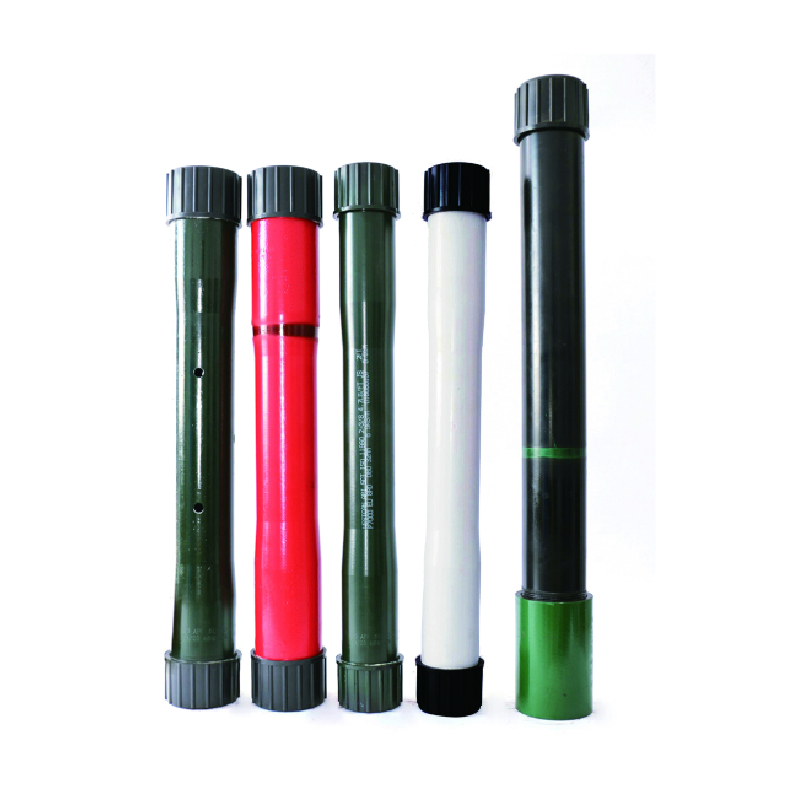
When dealing with fluid transfer systems, especially in the demanding world of petroleum, the integrity of every component is paramount. A tubo de unión de cachorro (puppy union tube) plays a critical role in connecting pipelines, providing a reliable and secure joint that minimizes leaks and ensures efficient operations. Choosing the right union is essential for maintaining system performance, reducing downtime, and ensuring safety. At WJ Petroleum, we specialize in providing high-quality tubing and connections designed for the rigors of the oil and gas industry. This article will delve into the features, benefits, and applications of these crucial components, helping you make informed decisions for your specific needs.

What is a tubo de unión de cachorro and Why is it Important?
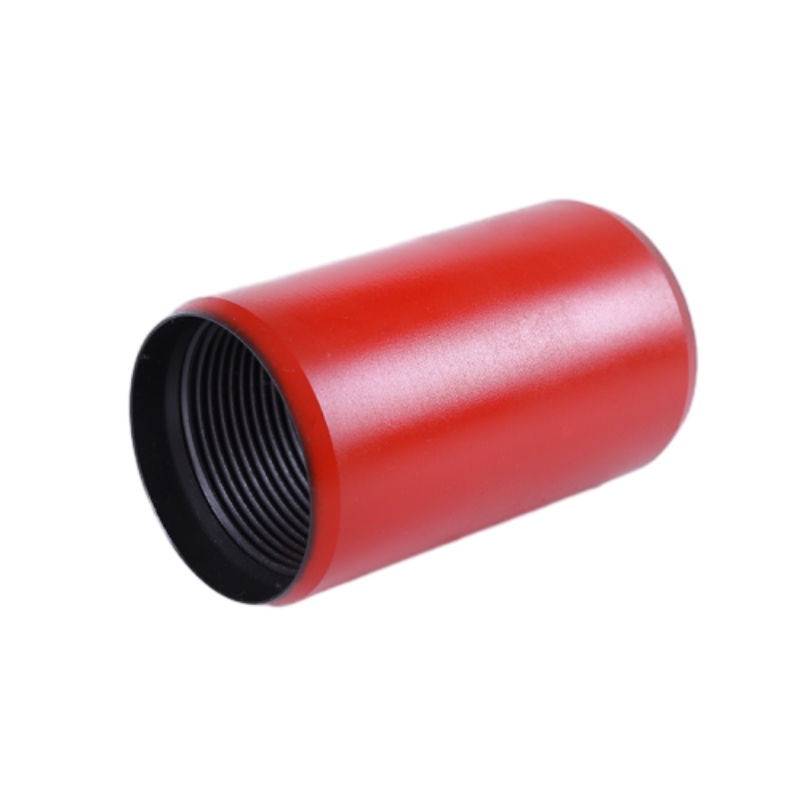
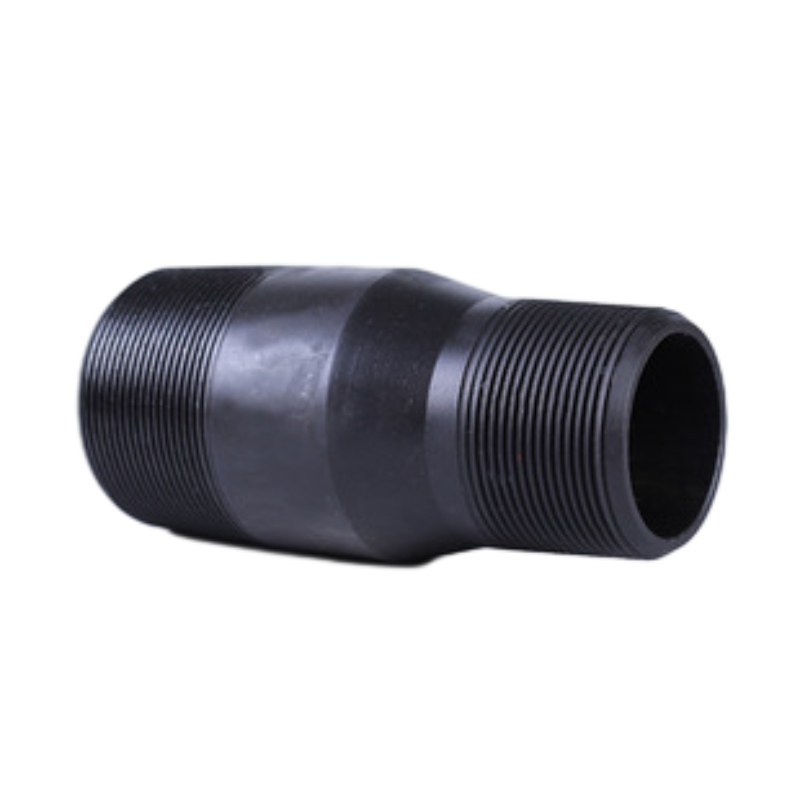
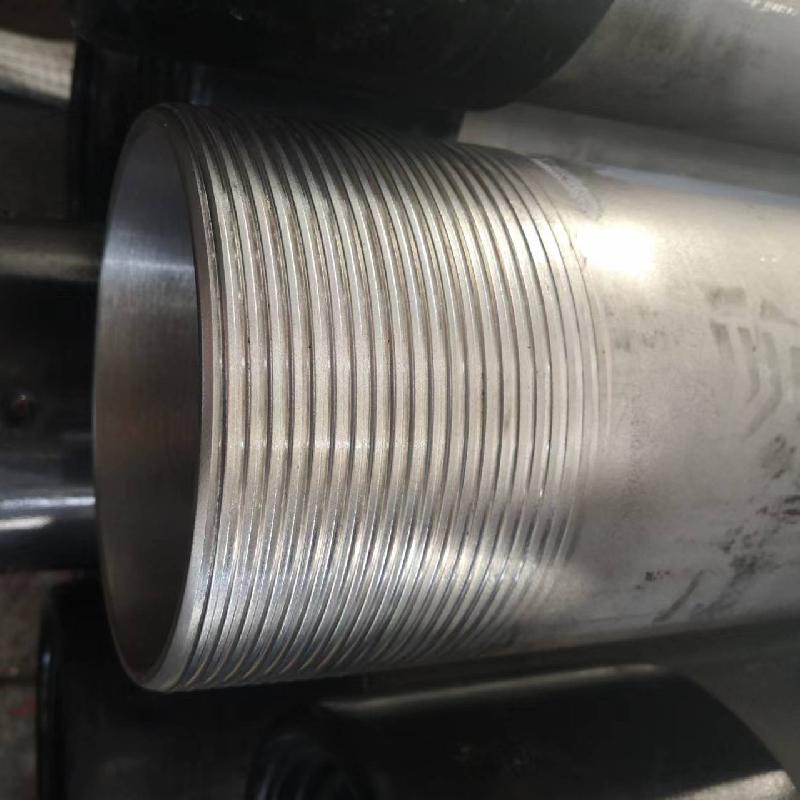
A tubo de unión de cachorro, also known as a quick disconnect coupling, is a type of pipe fitting designed for fast and easy connection and disconnection of fluid lines. Unlike traditional threaded connections, these unions utilize a cam-and-groove locking mechanism, allowing for rapid assembly and disassembly without the need for tools. This is incredibly valuable in situations where frequent connections are required, such as during maintenance, transfer operations, or when assembling temporary pipelines. They are essential for maintaining flow efficiency and preventing contamination. Choosing the right material and specifications is vital to guarantee compatibility with the transferred fluids and operating pressures.
Key Benefits: Quick connection/disconnection, reduced downtime, minimized contamination risk, versatile application, and increased operational efficiency.
Materials Used in tubo de unión de cachorro Construction
The material used in constructing a tubo de unión de cachorro is critical for ensuring compatibility with the fluids being transferred and the environmental conditions of operation. Common materials include:
- Stainless Steel: Offers excellent corrosion resistance and is ideal for handling a wide range of chemicals and fluids, including aggressive ones.
- Aluminum: Lightweight and corrosion-resistant, suitable for applications where weight is a concern.
- Brass: Provides good corrosion resistance and is often used with water and other non-aggressive fluids.
- Polypropylene: A plastic material offering chemical resistance and low cost.
The selection of the appropriate material should be based on the specific application requirements, including the type of fluid, temperature, pressure, and exposure to corrosive environments. WJ Petroleum offers a wide range of materials to meet diverse industry demands.
Comparing Different Types of tubo de unión de cachorro
There are various types of tubo de unión de cachorro available, each designed for specific applications and pressure requirements. Here’s a comparative overview:
Applications in the Petroleum Industry
The petroleum industry relies heavily on tubo de unión de cachorro for a variety of critical applications, including:
- Fuel Transfer: Connecting hoses for efficient and safe fuel transfer during loading and unloading operations.
- Process Piping: Facilitating quick connections and disconnections in complex process piping systems.
- Well Testing: Enabling rapid setup and breakdown of testing equipment.
- Maintenance and Repair: Streamlining the repair and maintenance of fluid transfer systems.
WJ Petroleum provides specialized tubo de unión de cachorro designed to withstand the harsh conditions and demanding requirements of the oilfield environment.
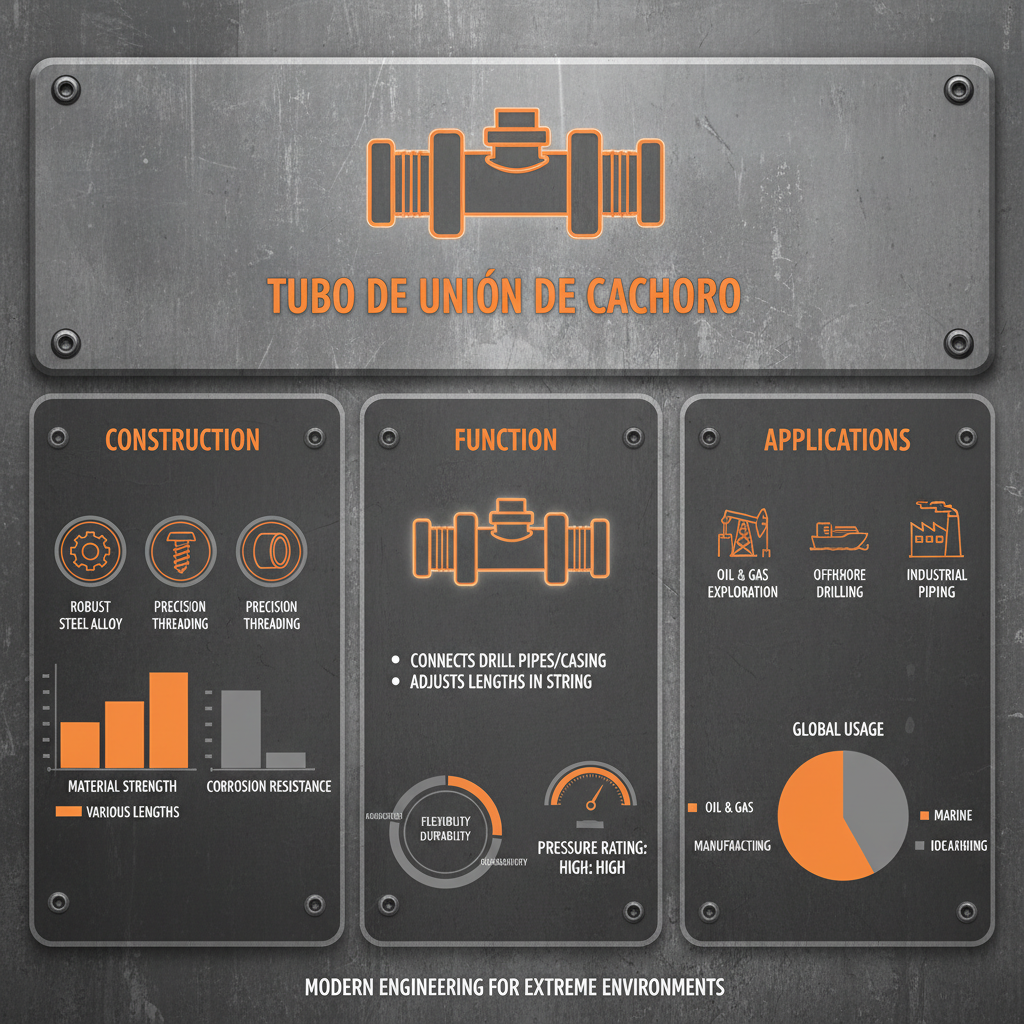
Product Specifications and Considerations
When selecting a tubo de unión de cachorro, it’s crucial to consider the following specifications:
Conclusion: Reliability and Efficiency with WJ Petroleum
Investing in high-quality tubo de unión de cachorro is essential for maintaining the efficiency and safety of your fluid transfer systems. WJ Petroleum is committed to providing reliable, durable, and innovative solutions for the petroleum industry. Contact us today to discuss your specific needs and discover how we can help optimize your operations.
Frequently Asked Questions (FAQs)
What is the working pressure limit of a typical tubo de unión de cachorro?
The working pressure limit varies greatly depending on the material, size, and type of the union. Generally, they range from 150 PSI for polypropylene to 600 PSI or higher for stainless steel and high-pressure aluminum models. It’s crucial to consult the manufacturer’s specifications for the precise pressure rating of the specific union you are using. Exceeding the rated pressure can lead to failure and potential hazards. At WJ Petroleum, all our products are clearly labeled with their respective pressure ratings for safe and efficient use.
How do I properly install a tubo de unión de cachorro?
Proper installation involves ensuring the connecting surfaces are clean and free of debris. For cam and groove couplings, ensure the locking arms are fully engaged. For threaded connections, use appropriate thread sealant to prevent leaks. Avoid over-tightening, as this can damage the fitting. Always refer to the manufacturer’s instructions for specific installation guidelines. Incorrect installation can compromise the integrity of the connection and lead to leaks or failures.
What are the benefits of using quick disconnect couplings over threaded connections?
Quick disconnect couplings offer several advantages over threaded connections, including faster connection and disconnection times, reduced risk of contamination, and simplified maintenance. They eliminate the need for tools, reducing downtime and labor costs. They are particularly beneficial in applications where frequent connections are required or where minimizing fluid spillage is critical. The ease of use and efficiency of quick disconnects make them a preferred choice in many industrial settings.
-
The Ultimate Industrial Guide to using مفصل الجرو Swivel JointsNewsApr.16,2026
-
Comprehensive Guide to api الجرو المشترك in Industrial ApplicationsNewsApr.09,2026
-
Comprehensive Guide to Puppy Joint Health with غلاف مفصل الجرو SupplementsNewsApr.07,2026
-
Optimizing Oilfield Performance with تمرير المفاصل الجرو and WJ Petroleum ExpertiseNewsApr.04,2026
-
Understanding Puppy Mills ¿qué es un porro de cachorros? Responsible Breeding PracticesNewsMar.31,2026
-
Comprehensive Guide to Perforated Puppy Joints and Long Term Canine HealthNewsMar.28,2026