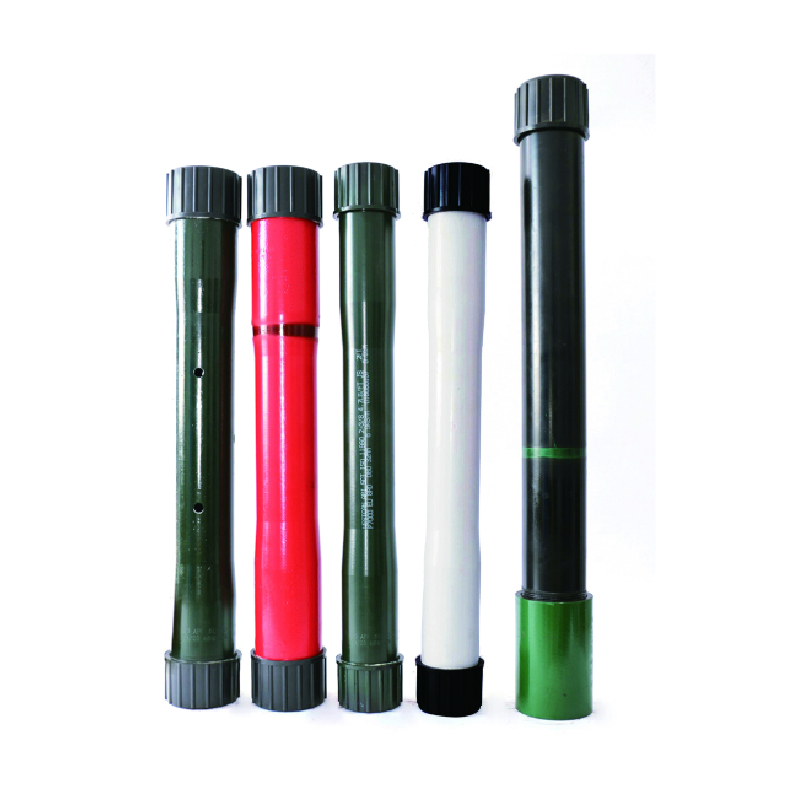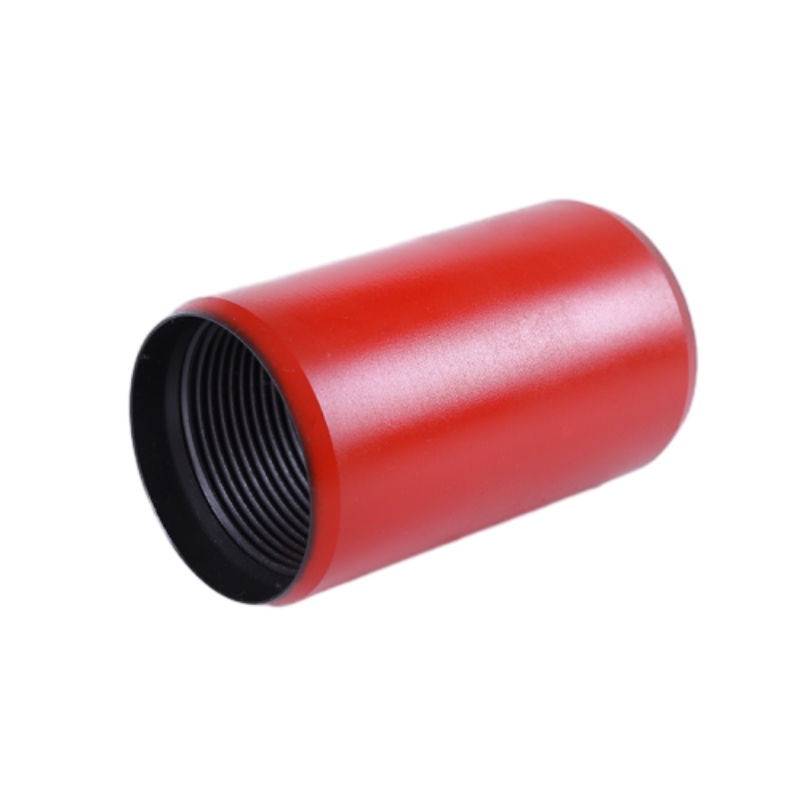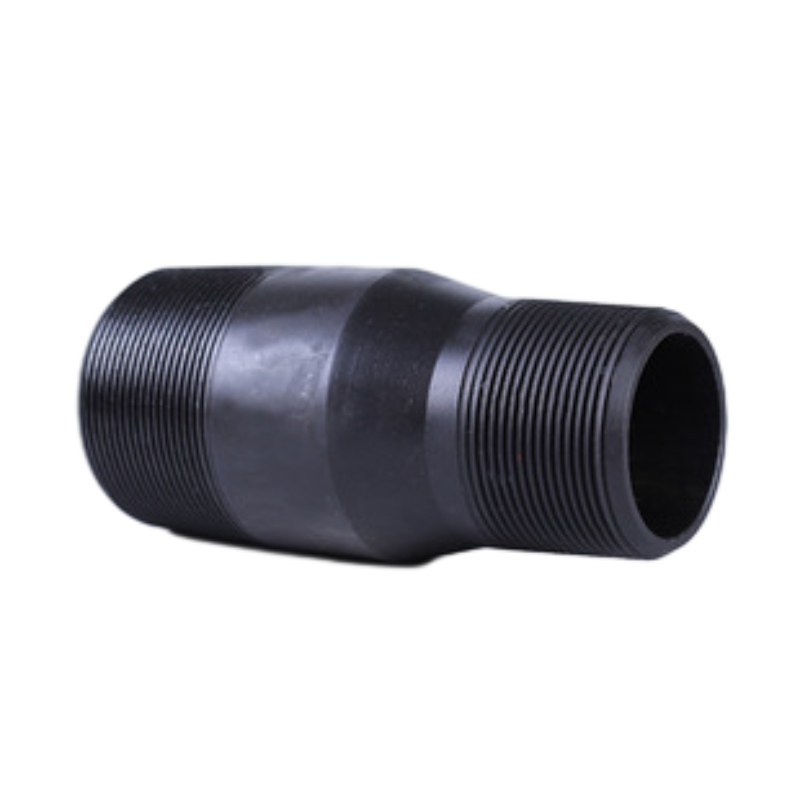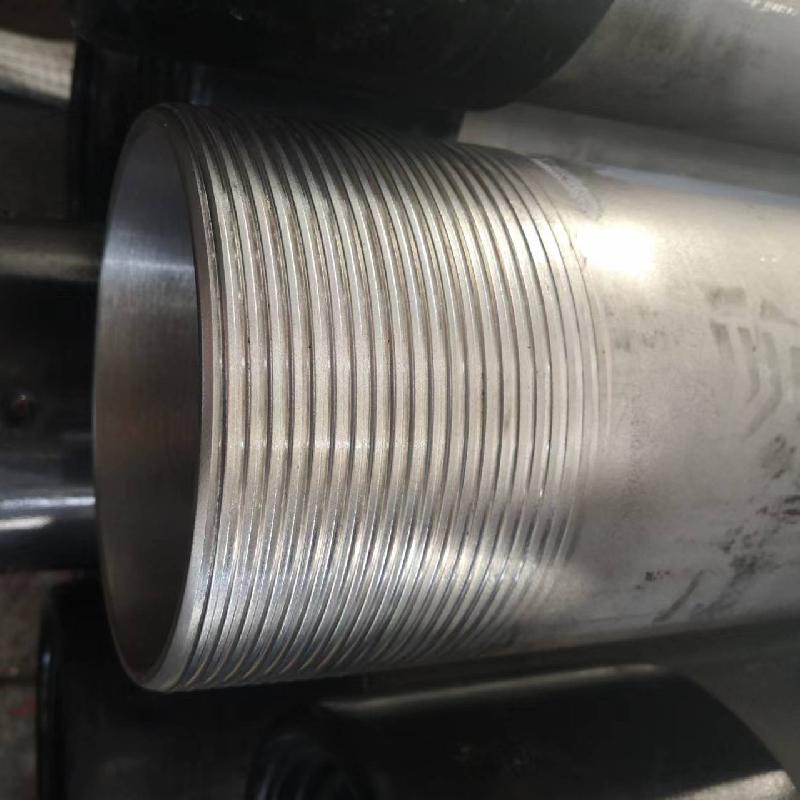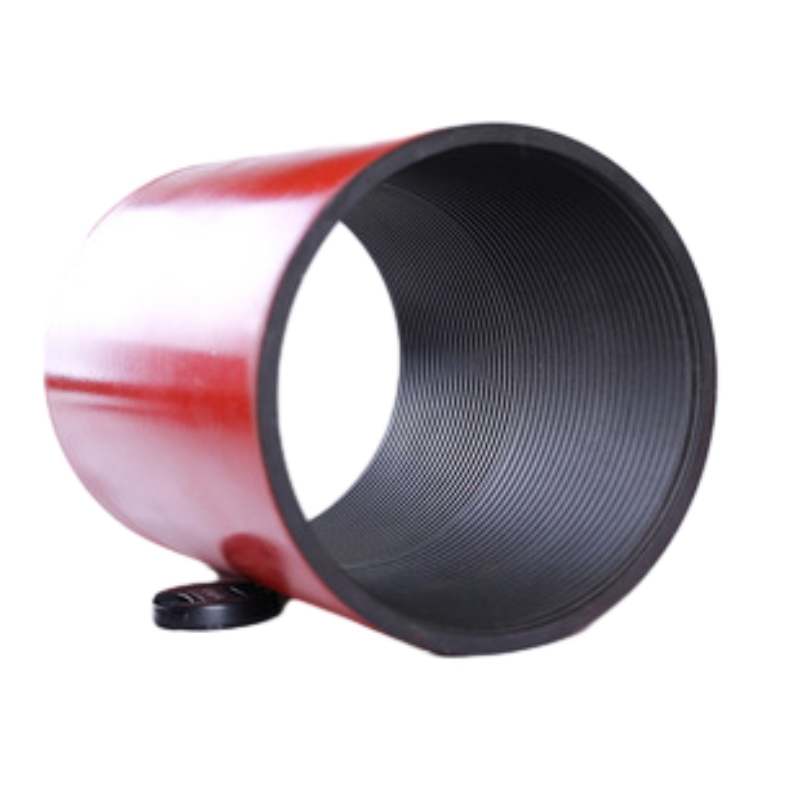


Reliable 1 Inch Stainless Steel Coupling | Industrial Grade Fittings
Discovering the 1 Inch Stainless Steel Coupling: A Practical Insight
Having spent more than a decade tinkering with industrial equipment, I’ve grown to appreciate how even the smallest components often carry outsized importance. Case in point: the 1 inch stainless steel coupling. It’s one of those humble but absolutely critical parts you don’t notice until something goes wrong—or when you realize the sheer versatility and reliability it offers your entire piping system.
Oddly enough, a lot of folks outside our world underestimate these fittings. Yet, anyone who’s worked with corrosive environments, high-pressure lines, or frequent temperature shifts knows that grabbing a quality stainless steel coupling can make or break your setup. Stainless steel’s resistance to rust and its strength make it a top pick in industries ranging from petrochemical to food processing.
Frankly, I’ve seen situations where cheaper couplings failed within months, leading to costly downtime and headaches. On the flip side, investing a little more in a well-made coupling—especially one with sound weld integrity and precise machining—just pays off in spades. It feels like insurance for your system’s integrity.
Key Specifications of a 1 Inch Stainless Steel Coupling
| Specification | Details |
|---|---|
| Material | 304 or 316 Stainless Steel |
| Nominal Size | 1 inch (25.4 mm) |
| Pressure Rating | Up to 3000 PSI (depending on standard) |
| Connection Type | Threaded or Butt Weld |
| Temperature Range | -50°F to 800°F (-45°C to 427°C) |
| Compliance Standards | ASTM A182, ASME B16.11 |
You might be wondering about the actual performance under tough conditions. From personal experience, 316-grade stainless steel couplings hold up better against chlorides and marine atmospheres – something I noticed first-hand when one of our offshore projects avoided corrosion catastrophes simply by switching materials. Meanwhile, 304-grade is still solid for less aggressive atmospheres and often more budget-friendly, so the choice springs down to your environment and longevity needs.
Vendor Comparison: What to Look For When Selecting Your Coupling Supplier
| Feature | Vendor A | Vendor B | Vendor C |
|---|---|---|---|
| Material Options | 304 & 316 SS | 316 SS Only | 304, 316, Duplex SS |
| Compliance Certifications | ASTM, ASME | ASTM Only | ASTM, ASME, ISO |
| Customization Options | Thread types, sizes, marking | Limited | Full customization |
| Lead Time | 2-3 weeks | 4 weeks | 1-2 weeks |
| Typical Industry | Oil & Gas, Chemical | Food & Beverage | Marine, Petrochemical, Pharma |
As for my favorite? Vendor C stands out for flexibility and speed – which is gold when managing big projects with tight timelines. However, Vendor A’s balance of certification and customization shouldn’t be overlooked, especially in the oil and gas sector where quality assurance is everything. Vendor B, while more niche, remains a solid option for food-grade applications.
One thing I’ve noticed over the years: the right coupling is rarely ‘one-size-fits-all.’ Sometimes it’s the small details — a particular thread pitch, marking for traceability, or subtle changes in material grade — that save you serious troubleshooting down the line. It’s why I often recommend working closely with suppliers who understand your project’s nuances rather than just grabbing stock components.
Here’s a quick real-world snippet: on a refinery turnaround, we swapped out mismatched couplings for uniform 316 SS versions. Not only did leak rates drop, but the maintenance team appreciated the reduction in “confusing fittings.” It was a small change that paid dividends in safety and efficiency. In real terms, that kind of ROI is priceless.
If you’re in the market for a 1 inch stainless steel coupling, consider what your environment demands and lean on seasoned vendors who back their products with certifiable standards. It tends to be the wisest call.
All in all, couplings might seem small, but their role in keeping complex systems together and drip-free is huge. So next time you pick one, take a moment to appreciate the engineering subtlety packed inside.
— That’s my two cents from the field, anyway.
References:
- ASTM International Standards for Stainless Steel Pipes and Fittings
- ASME B16.11 Forged Fittings Handbook
- Industry case studies from offshore petrochemical installations
-
The Ultimate Industrial Guide to using مفصل الجرو Swivel JointsNewsApr.16,2026
-
Comprehensive Guide to api الجرو المشترك in Industrial ApplicationsNewsApr.09,2026
-
Comprehensive Guide to Puppy Joint Health with غلاف مفصل الجرو SupplementsNewsApr.07,2026
-
Optimizing Oilfield Performance with تمرير المفاصل الجرو and WJ Petroleum ExpertiseNewsApr.04,2026
-
Understanding Puppy Mills ¿qué es un porro de cachorros? Responsible Breeding PracticesNewsMar.31,2026
-
Comprehensive Guide to Perforated Puppy Joints and Long Term Canine HealthNewsMar.28,2026