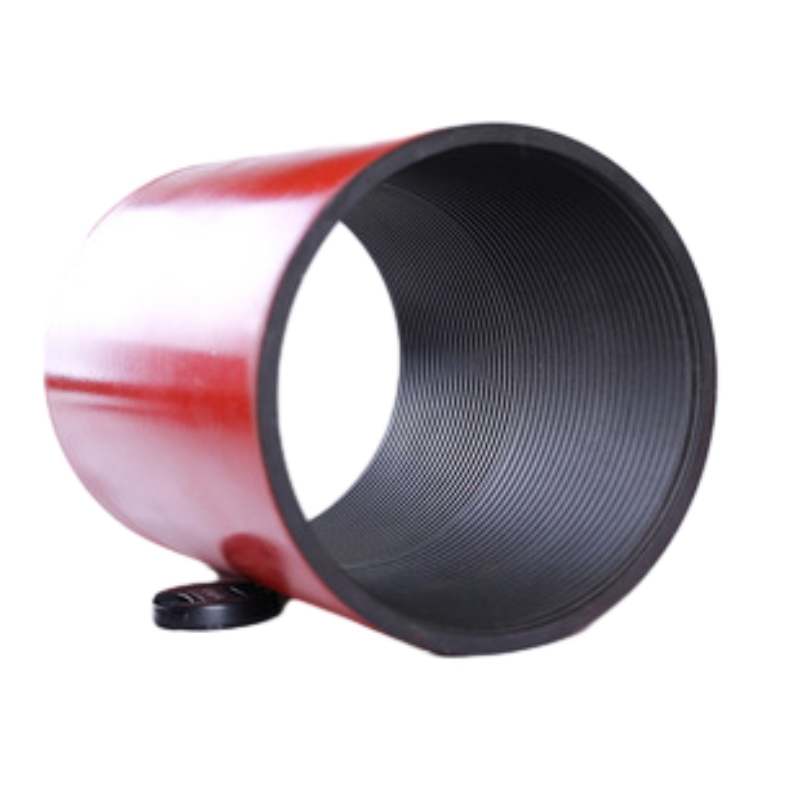


Bull Plug Wellhead: Essential Safety and Sealing Component for Modern Oilfields
Understanding the Bull Plug Wellhead: A Cornerstone in Oilfield Safety and Operations
When you hear “bull plug wellhead,” you might think of some obscure piece of oilfield jargon, but it’s actually a critical component in the global energy infrastructure. Simply put, a bull plug wellhead is a heavy-duty cap used to securely seal the end of a wellhead, preventing uncontrolled flow and ensuring operational safety. It might seem minor, yet its role echoes across drilling rigs, production sites, and emergency shut-in systems worldwide. Grasping this piece’s importance not only sheds light on how we extract energy safely but also highlights ongoing efforts in industrial safety and environmental protection.
Why Does the Bull Plug Wellhead Matter Globally?
Oil and gas operations are massive economic engines worldwide. According to the International Energy Agency, global oil demand consistently hovers around 100 million barrels per day, with thousands of wells in production at any given moment. Each wellhead is a portal to that treasure trove, and the bull plug acts as one of the last lines of defense, effectively "plugging" potential hazards.
With environmental regulations tightening across regions from North America to the Middle East, and operational risks constantly evolving, having reliable components like bull plug wellheads reduces leaks and blowouts. Industrial incidents not only cause costly downtime but ecological damage that can last decades. So, the humble bull plug’s role is less “appendage” and more “guardian.”
What Exactly is a Bull Plug Wellhead?
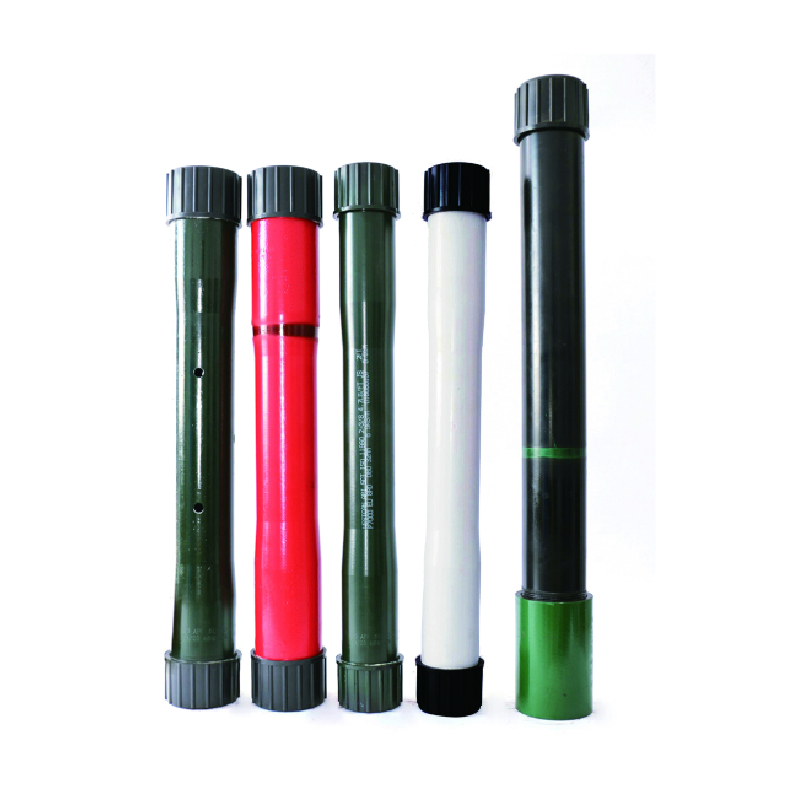
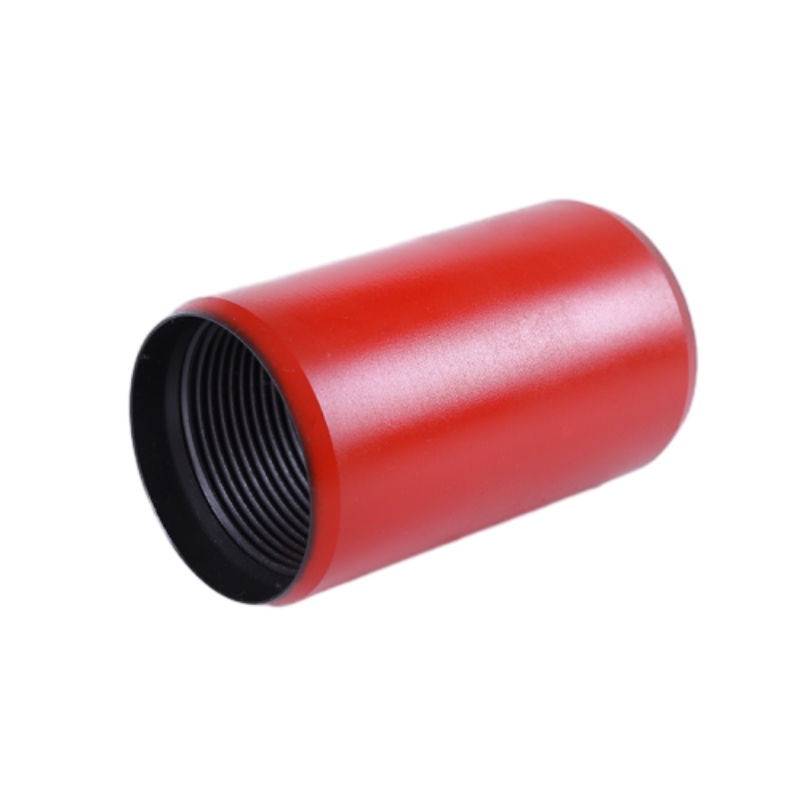
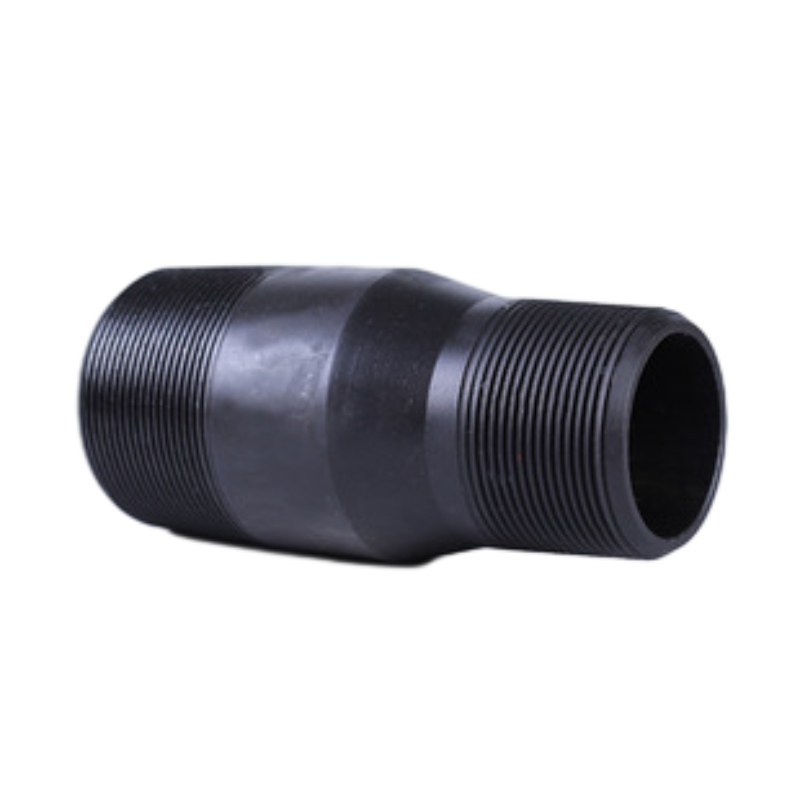
At its core, a bull plug wellhead is a robust cap threaded or welded onto the exposed end of a tubing string or wellhead assembly. Its purpose is to seal off pressure and fluids safely. Think of it as the sturdy stopper on a bottle, but engineered to withstand thousands of PSI (pounds per square inch) in harsh environments. These wellheads come in various sizes and materials, depending on well depth, fluid type, and expected pressures.
Its simplicity belies its importance—without a properly installed bull plug, a well could suffer equipment failure or unexpected releases. This component thus blends straightforward mechanical design with high-stakes safety.
Key Components and Features of Bull Plug Wellheads
1. Durability
Bull plugs are usually made from high-grade carbon or alloy steels, sometimes enhanced with corrosion-resistant coatings or alloys. Reliability under extreme pressure, temperature variations, and chemical exposure is non-negotiable. For example, sour gas wells require corrosion-resistant materials to avoid brittle fracture.
2. Pressure Rating
These plugs must cope with pressures commonly exceeding 10,000 psi in deep wells. Their design ensures they maintain integrity under both steady and dynamic loads, preventing leaks or catastrophic blowouts.
3. Connection Type
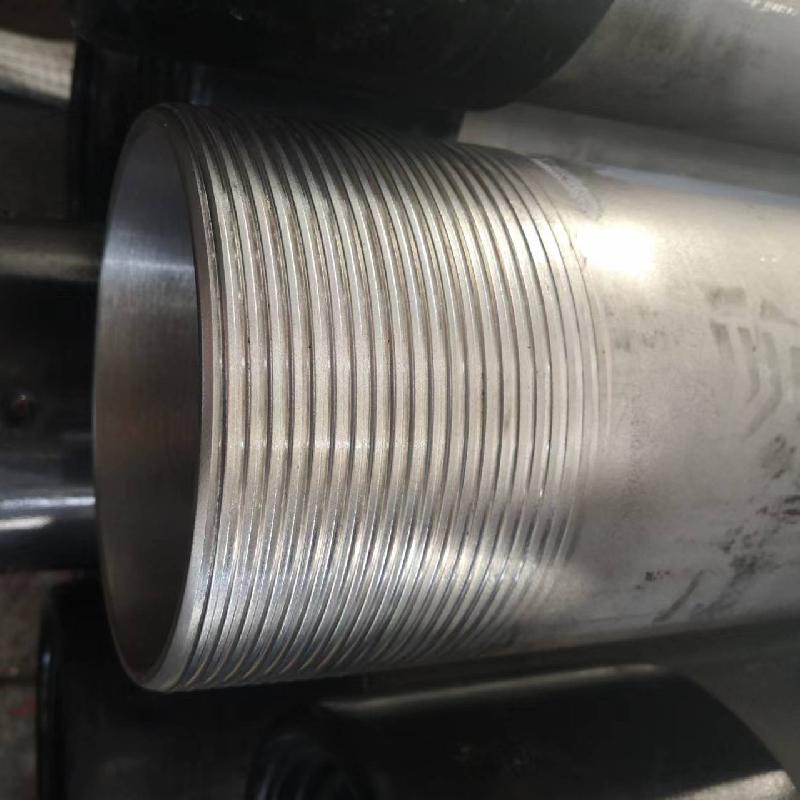
Most bull plug wellheads feature threaded connections—often API (American Petroleum Institute) standards—to ensure a tight, leak-proof seal. Some use flange or welded connections based on site needs.
4. Size and Compatibility
Sizes range broadly—from 2 inches in tubing to 20+ inches on larger wellhead systems. Compatibility with other wellhead components is crucial; the bull plug must seamlessly integrate into complex assemblies.
5. Inspection and Testing
Before deployment, bull plugs undergo non-destructive testing like ultrasonic or magnetic particle inspection to detect flaws. Pressure testing ensures they can hold under simulated field conditions.
Global Applications and Use Cases
Bull plugs are everywhere—in deepwater rigs in the Gulf of Mexico, shale plays in the Permian Basin, or the extreme cold of Siberian oil fields. Regions with offshore drilling particularly rely on these components for pressure control. Their role gets even more critical in emergency relief situations such as shutting in wells after a blowout or suspending production temporarily.
For example, during the 2010 Deepwater Horizon incident, various types of wellhead plugs were deployed to help stem the flowing wells. Similarly, in remote industrial zones, these devices enable controlled shutdowns when transporting or maintaining wellheads under harsh conditions.
| Parameter | Value/Range | Notes |
|---|---|---|
| Material | Carbon Steel, Alloy Steel, Stainless Steel | Varies based on environment (corrosion, sour gas) |
| Size Range | 2" – 24" | Corresponds with tubing/wellhead diameter |
| Pressure Rating | 5,000 – 15,000 psi | API 6A compliant ratings common |
| Connection Type | API Threaded, Flanged, Welded | Depends on wellhead system & installation |
| Coating/Finish | Black Oxide, Zinc, Epoxy | For corrosion resistance in harsh environments |
Advantages and Long-Term Value
So why specifically pay attention to bull plug wellheads? First, they offer unmatched reliability and safety in controlling well pressure, which in practice means fewer accidents and environmental incidents. This reduces not only operational risk but also long-term liabilities and costs.
On a broader scale, these components empower companies to meet strict environmental standards and community expectations — which matters, because stakeholders today demand transparency and sustainability. The emotional reassurance for workers and local populations knowing that systems like bull plug wellheads are in place is, frankly, invaluable. Without them, the industry would struggle to maintain social license to operate.
Upcoming Trends and Innovations
Interestingly, the bull plug wellhead hasn’t been left behind in the green energy and digital age. Manufacturers are exploring enhanced composite materials and applying sophisticated coatings designed to further resist corrosion and wear, especially in offshore and subsea applications.
Additionally, integration with smart wellhead systems — equipped with sensors that monitor pressure and mechanical integrity in real time — lends a predictive maintenance angle. This digital transformation means fewer surprises and swifter responses. Oddly enough, as the energy sector pushes towards decarbonization, even traditional hardware like bull plugs must evolve or risk obsolescence.
Challenges and Emerging Solutions
Common challenges include material fatigue over long periods, especially under cyclic pressures, and logistical hurdles in delivering custom components to remote or offshore sites. Some engineers also note the difficulty of balancing cost with durability — opting for cheaper materials can compromise safety, but ultra-high-spec components increase budget pressures.
Innovative approaches are emerging, such as modular bull plug designs allowing onsite customization and repair, and use of advanced alloys developed via metallurgy breakthroughs. Expert consensus highlights thorough inspection regimes combined with data-driven monitoring as the best path forward.
| Supplier | Material Options | Pressure Range (psi) | Delivery Lead Time | Custom Designs |
|---|---|---|---|---|
| Alpha Oil Tools | Carbon & Alloy Steel | 5,000 - 12,000 | 4-6 weeks | Yes |
| Delta Well Systems | Stainless Steel, Alloy | 7,500 - 15,000 | 6-8 weeks | Yes |
| Omega Energy Components | Carbon Steel with Coatings | 5,000 - 10,000 | 3-5 weeks | Limited |
FAQ: Common Questions About Bull Plug Wellheads
- What makes a bull plug wellhead critical to drilling safety?
- Its ability to securely seal the wellhead prevents the uncontrolled release of fluids or gas. This containment is vital to avoid blowouts, protect personnel, and minimize environmental damage.
- How often should a bull plug wellhead be inspected or replaced?
- Inspection frequency depends on well conditions, but regular non-destructive testing annually or after major operational events is common. Replacement occurs if signs of wear, corrosion, or damage appear.
- Can bull plugs be used on both onshore and offshore wells?
- Yes, they are designed for a broad range of environments. Offshore units might use more corrosion-resistant materials and coatings due to saltwater exposure.
- Are there alternatives to bull plug wellheads for sealing?
- While other methods exist—like flange caps or blind flanges—bull plugs are preferred for their compact design, pressure ratings, and ease of installation.
- How does one select the right bull plug for a specific well?
- Selection involves assessing well pressure, fluid types, connection size, and environmental factors. Consulting with suppliers and engineers ensures appropriate materials and ratings.
Conclusion: Why the Bull Plug Wellhead is a Long-Term Asset
All things considered, the bull plug wellhead is more than just a part — it's a vital safeguard that marries mechanical simplicity with immense responsibility. Whether you're managing a sprawling oilfield or a small development project, understanding this component means better operational control and enhanced safety. If you want to explore premium bull plug wellhead options, do check out trusted suppliers who prioritize quality and compliance.
Thanks for joining me on this dive into a small but mighty piece of oilfield tech — I suppose it’s proof that sometimes, the smallest things hold the greatest responsibility.
Mini takeaway: Bull plug wellheads might fly under the radar, but their contribution to safe and efficient oil extraction is profound and globally impactful.
References:
1. Wikipedia: Wellhead
2. American Petroleum Institute (API)
3. International Energy Agency (IEA)
-
The Ultimate Industrial Guide to using مفصل الجرو Swivel JointsNewsApr.16,2026
-
Comprehensive Guide to api الجرو المشترك in Industrial ApplicationsNewsApr.09,2026
-
Comprehensive Guide to Puppy Joint Health with غلاف مفصل الجرو SupplementsNewsApr.07,2026
-
Optimizing Oilfield Performance with تمرير المفاصل الجرو and WJ Petroleum ExpertiseNewsApr.04,2026
-
Understanding Puppy Mills ¿qué es un porro de cachorros? Responsible Breeding PracticesNewsMar.31,2026
-
Comprehensive Guide to Perforated Puppy Joints and Long Term Canine HealthNewsMar.28,2026