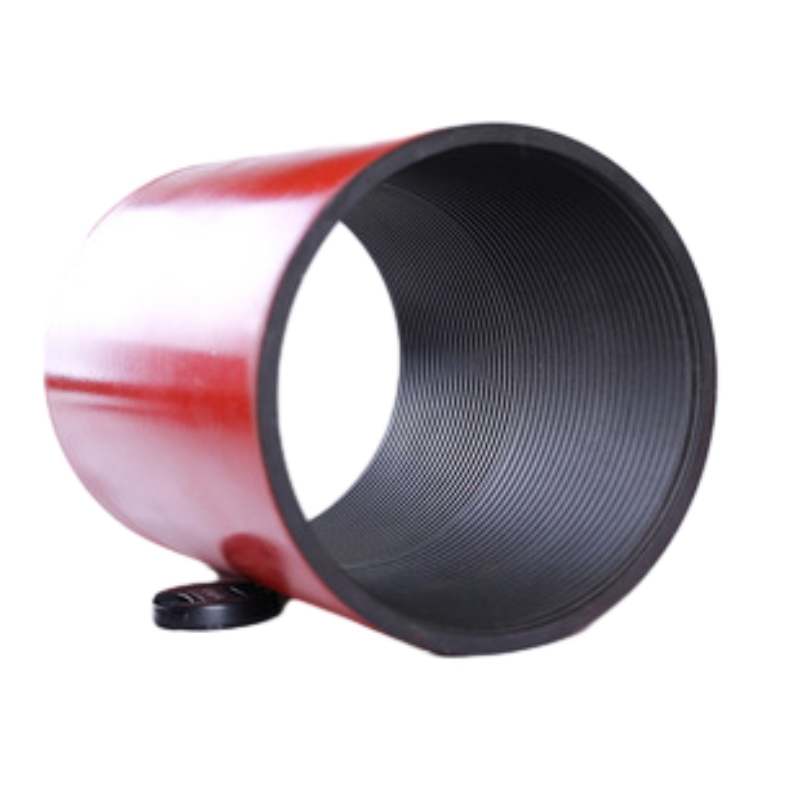


Teflon Coupling: Durable, High-Performance Industrial Fluid Connectors | WJ Petroleum
Teflon Coupling is a key solution in the industry, specifically within multiple industrial sectors that demand corrosion resistance, chemical inertness, and durability. This article explores how https://www.wjpetroleum.com supports professionals with durable, high-performance products, and explains why this product is an ideal choice for businesses in these sectors.
Table of Contents
- Teflon Coupling Overview
- Benefits & Use Cases of Teflon Coupling
- Cost, Maintenance & User Experience
- Sustainability & Market Trends
Teflon Coupling Overview
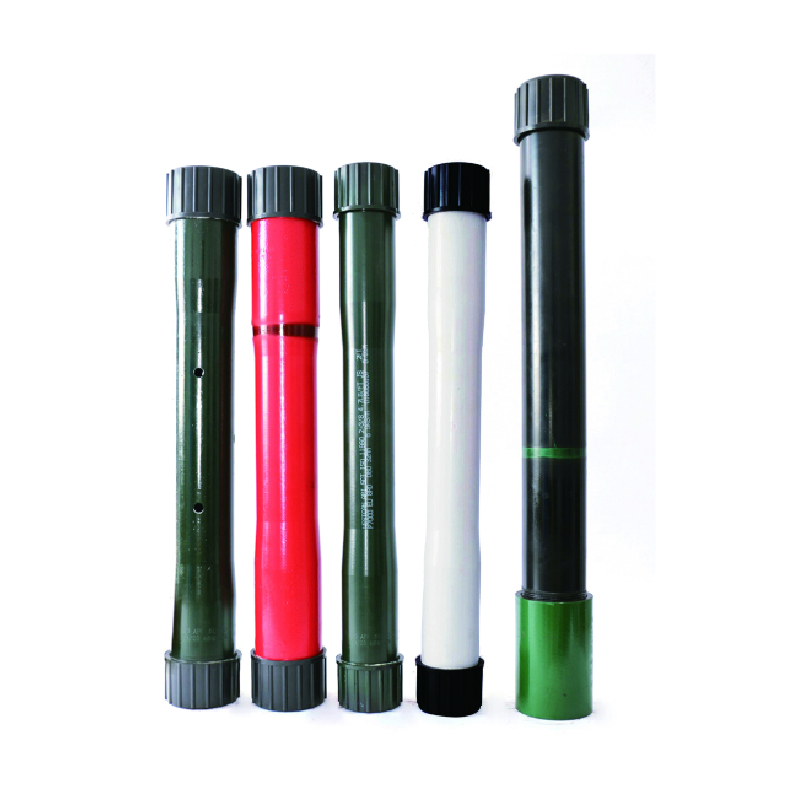
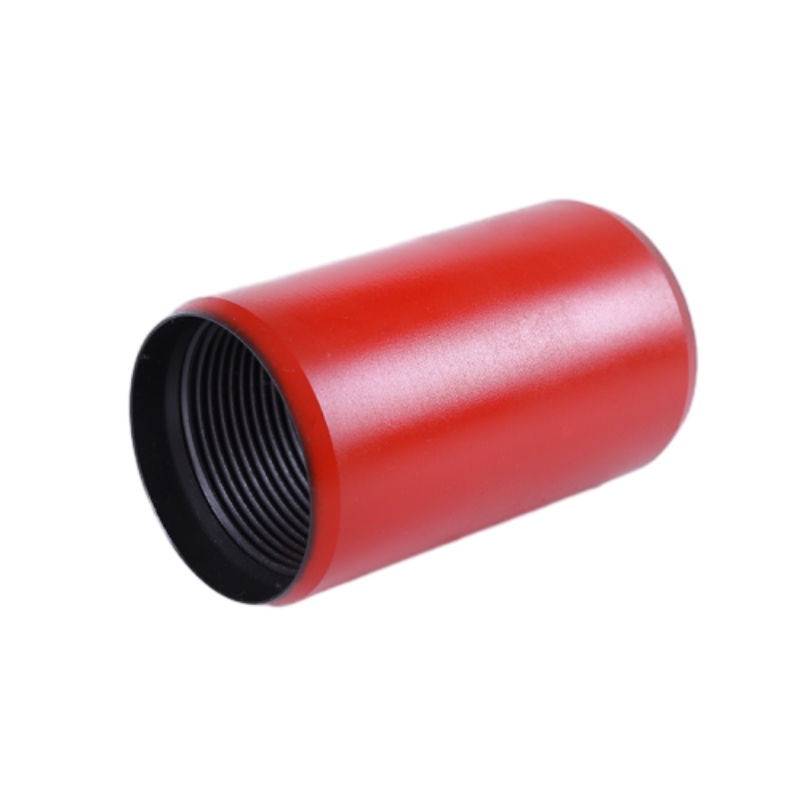
Simply put, a Teflon Coupling is a mechanical component designed to join two piping segments or tubes safely and efficiently—using polytetrafluoroethylene (PTFE), or more familiarly, Teflon. Its significance lies in its resistance to corrosive fluids and high temperatures, making it indispensable in the chemical, pharmaceutical, and petroleum industries. Technically, Teflon stands out because of its non-reactive nature; it doesn’t degrade even with exposure to harsh chemicals, unlike metal alternatives that often corrode.
- Composed of a PTFE liner inside a stainless steel housing, ensuring a leak-proof, durable seal.
- Typical specs include temperature tolerance from -200°C to 260°C and pressure ratings up to 1500 psi.
- A recent case study from a mid-sized chemical plant showed a 30% decrease in maintenance downtime after switching to Teflon Couplings.
| Specification | Detail |
|---|---|
| Material | PTFE Lined Stainless Steel |
| Temperature Range | -200°C to 260°C |
| Pressure Rating | Up to 1500 psi |
| Corrosion Resistance | Excellent against acids, bases, solvents |
| Typical Applications | Chemical processing, petroleum pipelines, pharma fluid transfers |
Benefits & Use Cases of Teflon Coupling
In various industrial settings, the genius of Teflon Couplings really shines through. Particularly in sectors where chemical exposure and temperature swings are the norm, their ability to withstand aggressive agents without degradation is a game changer. For instance, in oil refining operations, Teflon Couplings enable safe fluid transfer without the risk of contamination or leaks caused by corrosion.
- Resistant to buildup and fouling, reducing downtime for cleaning.
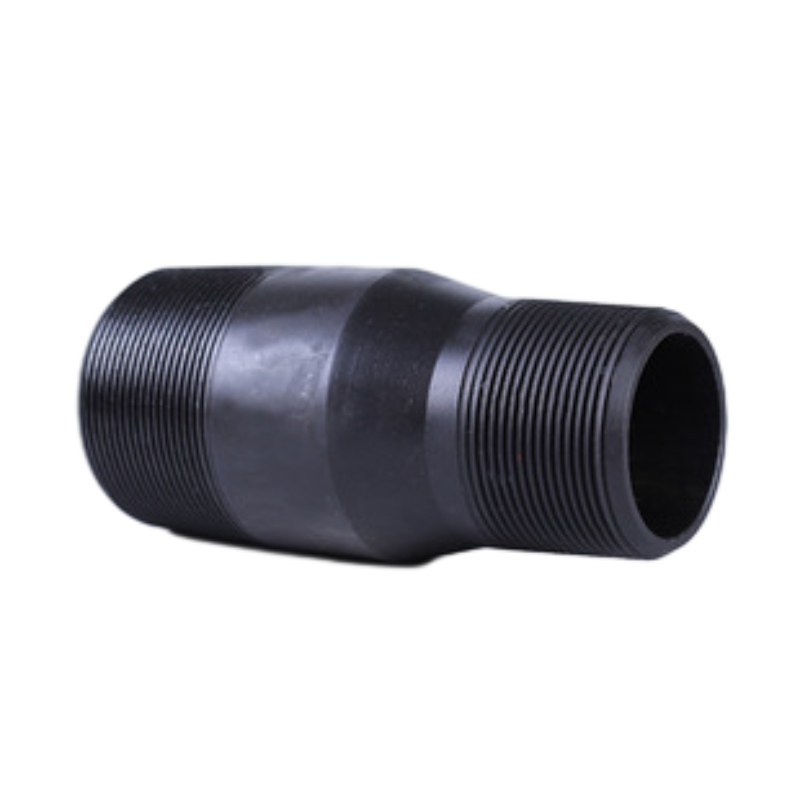
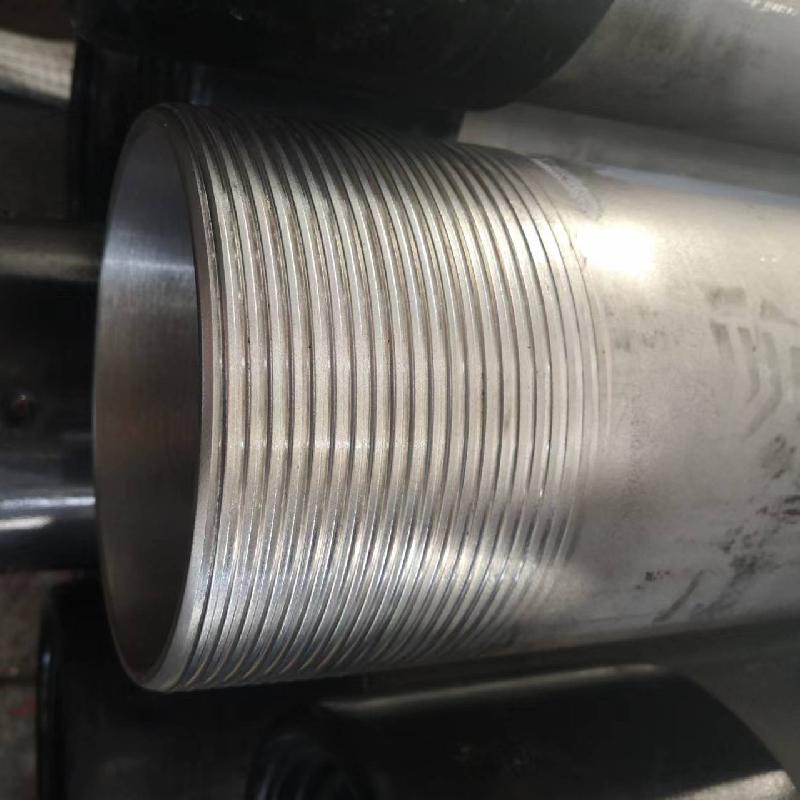
- Flexible design options — from threaded to flanged versions — to suit different system architectures.
- High reliability under thermal cycling, meaning fewer replacements and repairs.
- Competitive edge: compared to rubber or metal couplings, they last longer, reducing total operational disturbances.
Cost, Maintenance & User Experience
When weighing the costs of installing Teflon Couplings, it’s really about looking at the bigger picture — the total cost of ownership. Sure, upfront costs might be a little higher than cheap rubber alternatives, but durability and lower maintenance easily tip the scale. We’re talking about extended lifespans, less frequent shutdowns, and most importantly, no nasty chemical leaks that could have disastrous consequences.
- Reduced inspection and replacement intervals save time and operational headaches.
- Customer insights reveal a 20%-plus ROI in under two years when factoring maintenance and downtime improvements.
- Users appreciate the ease of installation and adaptability to complex piping systems.
| Vendor | Price Range | Warranty | Lead Time | Unique Feature |
|---|---|---|---|---|
| WJ Petroleum | $$$ | 3 Years | 2-4 weeks | Custom sizing & fast turnaround |
| Vendor A | $$ | 1 Year | 4-6 weeks | Standard stock sizes only |
| Vendor B | $$$$ | 5 Years | 6-8 weeks | Premium corrosion-resistant variants |
Sustainability & Market Trends
Sustainability is no longer a buzzword tossed around boardrooms; it’s reshaping procurement and product design across B2B markets. Teflon Couplings contribute by offering longer life cycles and avoiding environmentally harmful leaks. As regulations tighten, especially regarding chemical discharge and pollution control, industry players lean on products compliant with these rules. Oddly enough, PTFE’s inert nature complies well with many environmental standards. Market data suggest increasing demand for such fittings, especially where sustainability and safety come first.
- Rising adoption in energy, pharmaceuticals, and water treatment due to strict compliance needs.
- Manufacturers focusing on greener production methods for PTFE-based products.
- Integration with IoT tech for predictive maintenance is an upcoming trend.
Frequently Asked Questions about Teflon Coupling
- What is Teflon Coupling and how does it work?
- Teflon Coupling is a connector using PTFE’s chemical-resistant lining within a metal body to securely join two pipes. It works by creating a tight seal that resists corrosion and withstands high temperatures without degrading.
- What are the main benefits of using Teflon Coupling in industrial applications?
- The key benefits include excellent chemical resistance, durability under harsh conditions, reduced maintenance needs, and enhanced safety by preventing leaks.
- How does Teflon Coupling compare to traditional alternatives?
- Unlike rubber or plain metal couplings, Teflon Couplings offer superior resistance to corrosion and chemical attack, a wider temperature tolerance, and longer service life.
- What industries can benefit most from Teflon Coupling implementation?
- Sectors including chemical manufacturing, petrochemical processing, pharmaceuticals, food & beverage, and water treatment rely heavily on Teflon Couplings for safe and reliable piping solutions.
Conclusion on Teflon Coupling from china
To wrap things up, Teflon Couplings remain a smart investment when you consider their blend of performance, longevity, and compliance with environmental standards. They’re not just components—you could say they’re trusted partners in the tough world of industrial fluid handling. For those in the market, I’d definitely suggest checking out the reliable offerings at WJ Petroleum — https://www.wjpetroleum.com.
- A lasting solution that simplifies your piping challenges.
- Visit our website: https://www.wjpetroleum.com
In real terms, integrating Teflon Couplings means less hassle and safer operations – something I’ve seen echoed across numerous engineering teams.
References:
1. Industrial PTFE Applications, Journal of Chemical Engineering, 2022.
2. Customer Case Studies, WJ Petroleum Internal Data, 2023.
3. Market Trends in Industrial Fittings, Global Industry Analysis, 2024.
-
The Ultimate Industrial Guide to using مفصل الجرو Swivel JointsNewsApr.16,2026
-
Comprehensive Guide to api الجرو المشترك in Industrial ApplicationsNewsApr.09,2026
-
Comprehensive Guide to Puppy Joint Health with غلاف مفصل الجرو SupplementsNewsApr.07,2026
-
Optimizing Oilfield Performance with تمرير المفاصل الجرو and WJ Petroleum ExpertiseNewsApr.04,2026
-
Understanding Puppy Mills ¿qué es un porro de cachorros? Responsible Breeding PracticesNewsMar.31,2026
-
Comprehensive Guide to Perforated Puppy Joints and Long Term Canine HealthNewsMar.28,2026