

Tubing Collar Guide | Tips from Industrial Equipment Experts
Understanding the Tubing Collar: Key to Reliable Industrial Equipment
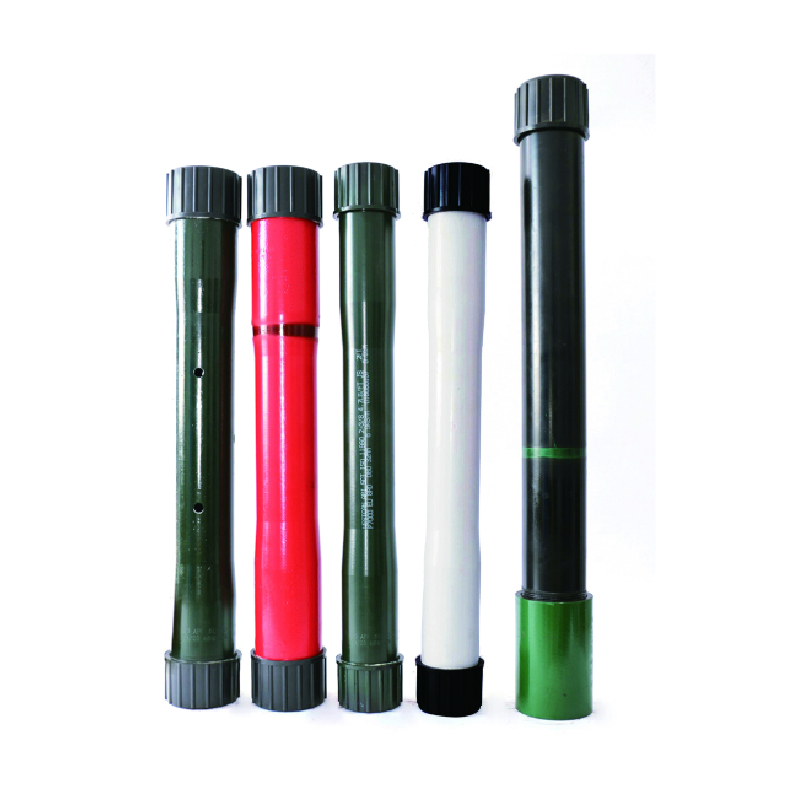
Having spent years in the industrial equipment field, I can say a tubing collar is one of those small components that often fly under the radar but are absolutely critical to system integrity. If you’re dealing with piping or tubular systems, particularly in demanding environments like oil & gas or petrochemical setups, the right tubing collar choice isn’t just a matter of fitting parts together—it’s about durability, safety, and maintaining flow performance over time.
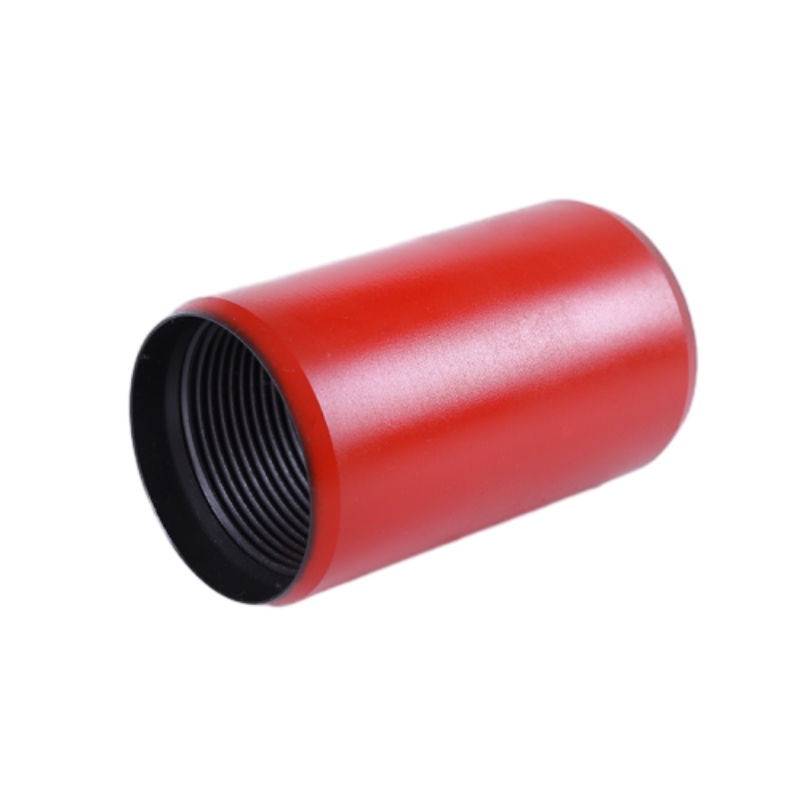
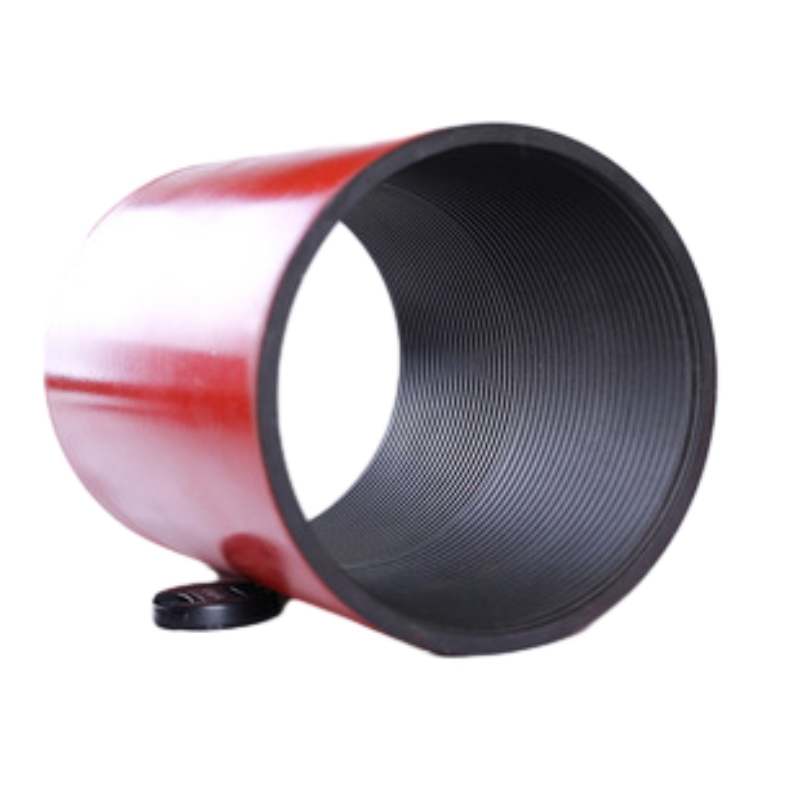
Now, a bit about what a tubing collar actually does: it’s essentially a sleeve or ring placed around the tubing to provide mechanical support, anchoring, or to create a seal at joints. Oddly enough, this simple function hides quite a bit of engineering thought. Materials, manufacturing precision, and testing all come into play. From carbon steel to stainless or specialty alloys, the choice depends heavily on the application environment—corrosion resistance, temperature tolerance, and mechanical stress.
Over my career, I’ve noticed the trend of customization rising sharply. Many users no longer settle for a “one-size-fits-all” collar. Instead, specs like outside diameter, wall thickness, and special coatings are tailored. Frankly, this leads to better field performance and usually less downtime. Plus, I suppose it makes the supply chain folks happy when the specs fit tightly rather than pushing ambiguous inventory.
That said, you do want to rely on proven suppliers who test their collars under harsh simulated conditions. Many engineers I worked with look specifically for documented mechanical strength data and fatigue resistance. It feels safer that way, especially when you know the costs of field failures or emergency shutdowns aren’t just about repairs but also lost production time.
| Parameter | Typical Range | Notes |
|---|---|---|
| Material | Carbon Steel, 316 SS, Alloy 20 | Material chosen based on environment |
| Outer Diameter (OD) | 25 mm – 100 mm | Custom sizes available |
| Wall Thickness | 3 mm – 8 mm | Depends on pressure rating |
| Hardness (Rockwell) | 60 HRB – 90 HRC | Varies by material |
| Coatings | Zinc, Polymer, Thermal Spray | For corrosion protection |
When browsing suppliers or product catalogs, I often recommend checking out a few vendors' offerings side-by-side—because not all collars are created equal. For example, some suppliers boast advanced heat treatment procedures that improve strength without sacrificing flexibility, while others focus more on corrosion resistance through proprietary coatings.
| Supplier | Material Variety | Customization | Testing Certification | Typical Lead Time |
|---|---|---|---|---|
| WJ Petroleum (link) | Wide (Carbon Steel, SS, Alloys) | Full spec customization | API 6A & ISO Certified | 3–5 weeks |
| Global Pipes Inc. | Moderate (Mostly SS) | Limited custom jobs | ISO 9001 | 4–6 weeks |
| SteelTech Solutions | Narrow (Carbon Steel) | Standard products only | Internal QA only | 2–3 weeks |
Oddly enough, I recall one project where a client had ongoing collar failures in high-corrosion subsea tubing. After switching to a supplier who specialized in advanced alloy collars with polymer seals, port downtime dropped by nearly 30%. This kind of real-world feedback—you don’t always see it in datasheets—is why I often stress vetting supplier credentials and real case studies.
If you’re sourcing a tubing collar, remember that it’s as much about the relationship with the vendor as it is about the specs. Quality control, responsiveness, and ability to deliver on short notice can make all the difference in industrial settings.
So, to wrap it up — it really feels like tubing collars are quiet workhorses in the industrial machine. They don’t get talked about much, but their role is huge. Pick them thoughtfully, test them well, and work with trusted suppliers. Your system’s reliability will thank you.
References:
1. API Spec 6A, Valve, Wellhead and Christmas Tree Equipment (American Petroleum Institute)
2. ISO 9001 Quality Management Systems Guidance
3. Field case study, subsea pipeline operations, 2020
-
The Ultimate Industrial Guide to using مفصل الجرو Swivel JointsNewsApr.16,2026
-
Comprehensive Guide to api الجرو المشترك in Industrial ApplicationsNewsApr.09,2026
-
Comprehensive Guide to Puppy Joint Health with غلاف مفصل الجرو SupplementsNewsApr.07,2026
-
Optimizing Oilfield Performance with تمرير المفاصل الجرو and WJ Petroleum ExpertiseNewsApr.04,2026
-
Understanding Puppy Mills ¿qué es un porro de cachorros? Responsible Breeding PracticesNewsMar.31,2026
-
Comprehensive Guide to Perforated Puppy Joints and Long Term Canine HealthNewsMar.28,2026