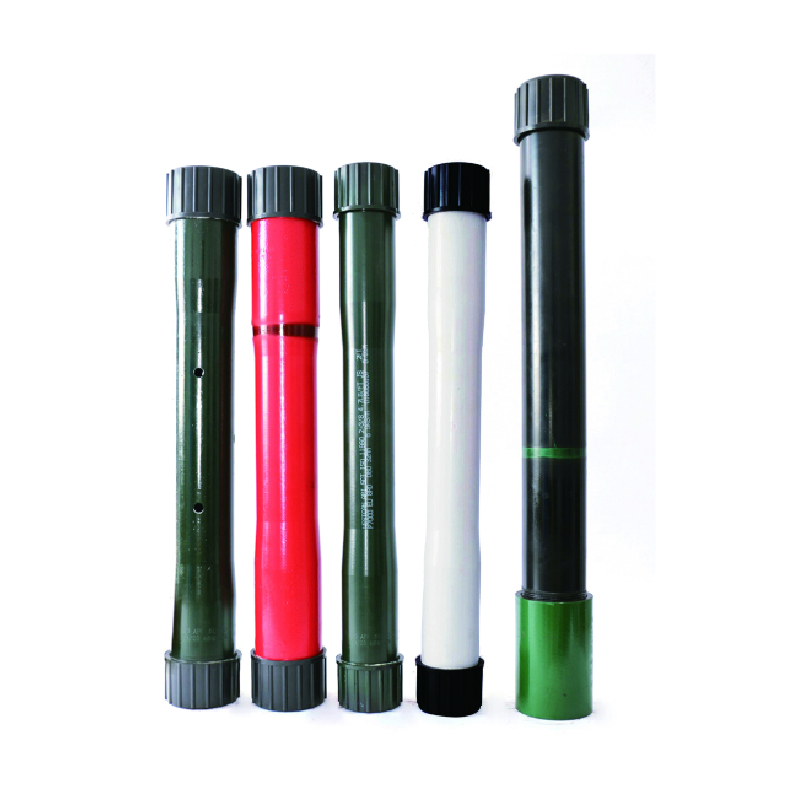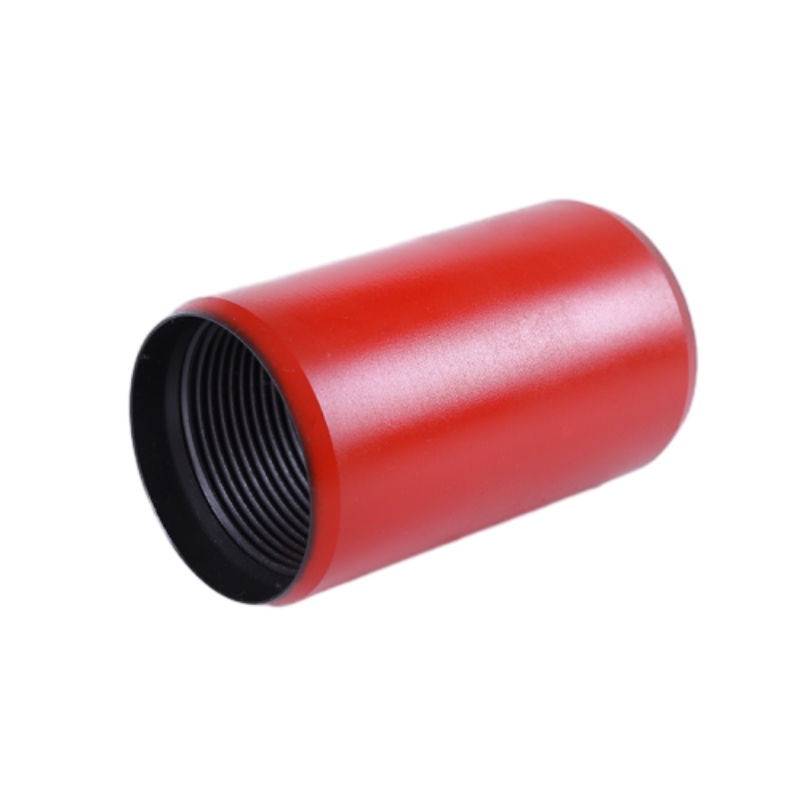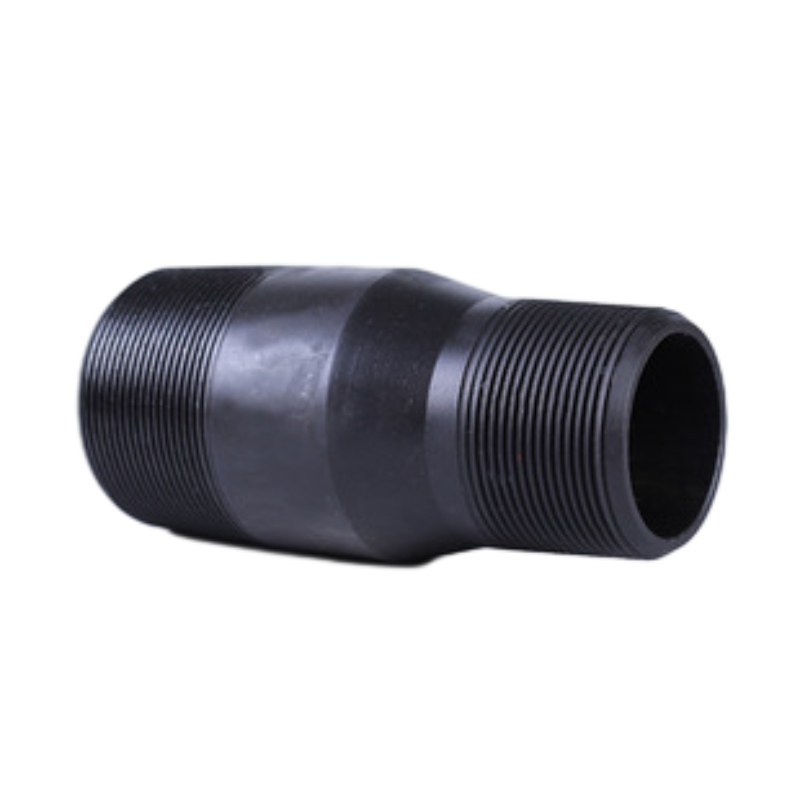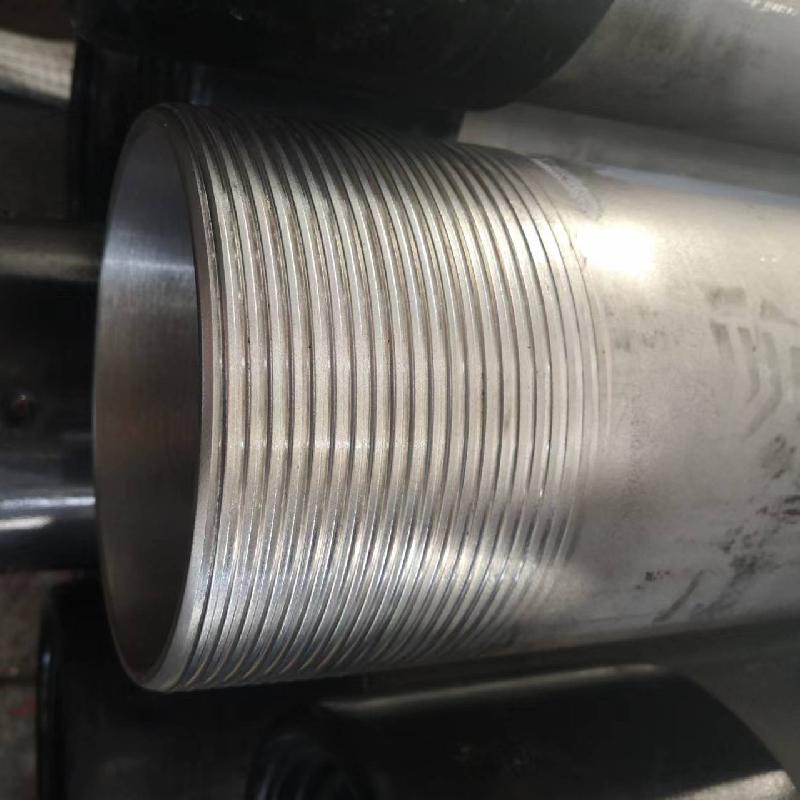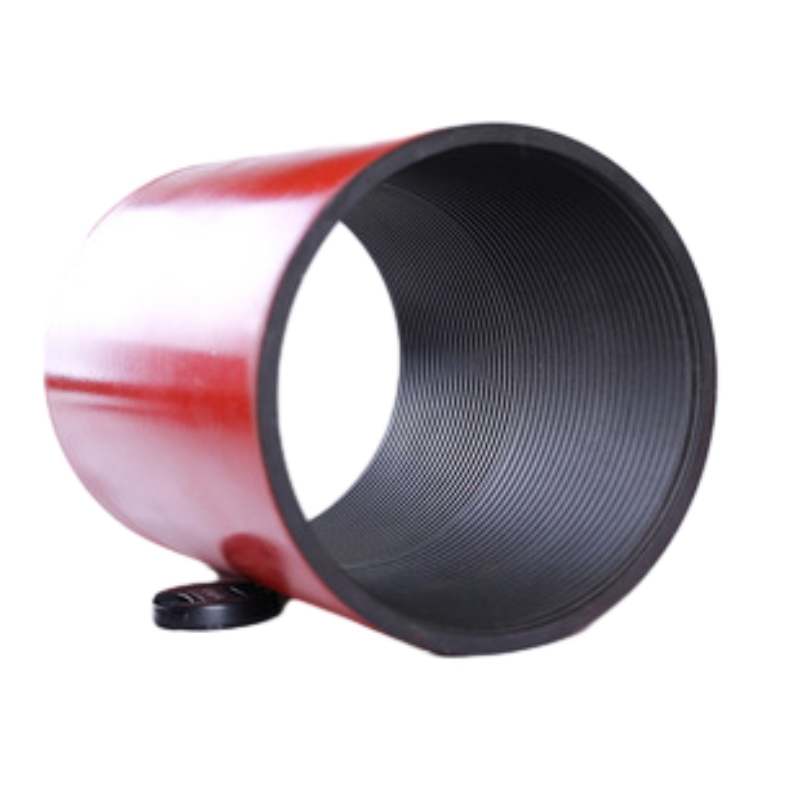


Durable 3 Inch Steel Pipe Couplings for Industrial Use | WJP Petroleum
Understanding the 3 Inch Steel Pipe Coupling: What Makes It a Reliable Choice?
Having spent a good chunk of my career around industrial equipment—specifically in piping systems—I've seen countless fittings come and go. But a 3 inch steel pipe coupling really stands out for its mix of strength, versatility, and dependability. It’s honestly kind of fascinating how something so seemingly simple carries so much weight in critical systems, whether that’s on an oil rig or in a manufacturing plant.
To start with, these couplings are primarily designed to join two pieces of steel pipe, offering a secure, leak-proof connection. They’re typically made from carbon steel or forged steel, which gives them excellent resistance to pressure and corrosion—something we can’t overlook given the tough environments these parts operate in. Frankly, when I first saw a high-grade steel coupling in action, it felt like a testament to engineering resilience; it’s that robust.
Oddly enough, despite advances in composite materials, steel remains the go-to for many. I suppose it’s because steel balances cost and performance so well. Plus, industry standards demand reliability—something you can’t always guarantee with newer materials. Many engineers I’ve spoken with describe these couplings as their “trusted workhorse.”
Key Specifications of a Typical 3 Inch Steel Pipe Coupling
| Specification | Details |
|---|---|
| Size | 3 inch nominal pipe size (NPS) |
| Material | Carbon steel (ASTM A105) / Forged steel |
| Pressure Rating | Typically up to 3000 psi (varies by class) |
| Connection Type | Threaded or welded |
| Finish | Black oxide or galvanized |
| Testing | Hydrostatic and non-destructive testing (NDT) |
What I find particularly interesting is how these couplings undergo rigorous testing. Hydrostatic pressure tests, for example, simulate real-world stress to ensure no leaks or failures occur. The welds or threads? NDT methods—like magnetic particle inspection—spot flaws invisible to the naked eye. It’s a level of scrutiny that gives field engineers peace of mind, especially when these fittings end up millions of feet underground or offshore.
Now, in terms of usage, these couplings get deployed everywhere. From pipelines transporting crude oil to water lines in heavy industry. A colleague once told me about how a 3 inch steel pipe coupling saved a site shutdown because it held up flawlessly under abnormal pressure spikes. Stories like that definitely color my perception—there’s a quiet confidence in these parts that often goes unspoken.
Vendor Comparison for 3 Inch Steel Pipe Couplings
| Vendor | Material Grade | Pressure Capacity | Customization Options | Typical Lead Time |
|---|---|---|---|---|
| WJP Petroleum | ASTM A105, forged steel | Up to 3000 psi | Thread type, finishes, alloy options | 2–3 weeks |
| Vendor B | ASTM A182 stainless steel | 2500 psi | Limited threading options | 4–6 weeks |
| Vendor C | Carbon steel (varied grades) | Up to 2800 psi | Standard finishes only | 3–5 weeks |
When I evaluate suppliers, I tend to look beyond just specs. Lead time, ability to customize threads or finishes, and the supplier’s responsiveness really matter, especially when projects face tight deadlines. For example, WJP Petroleum often stands out because they balance quality with flexibility and reasonable delivery times. In my experience, having a vendor who makes options like alloy upgrades accessible can save headaches down the line.
So what’s your takeaway if you’re shopping for a reliable 3 inch steel pipe coupling? I’d say: don’t underestimate the small stuff. These couplings might not be glamorous, but their role is critical. Make sure they meet relevant standards (ASME, ASTM), are tested thoroughly, and come from a supplier you can trust.
And, hey, if you’ve got a memorable story about a coupling saving the day, I’d love to hear it. It’s these real-world experiences that really bring the specs to life.
References:
1. ASTM International, "Standard Specification for Carbon Steel Forgings for Piping Applications (ASTM A105)"
2. ASME B16.11, "Forged Steel Fittings, Socket-Welding and Threaded"
3. Practical Hydrostatic Testing Procedures for Pipe Fittings, Industrial Journal, 2020
-
The Ultimate Industrial Guide to using مفصل الجرو Swivel JointsNewsApr.16,2026
-
Comprehensive Guide to api الجرو المشترك in Industrial ApplicationsNewsApr.09,2026
-
Comprehensive Guide to Puppy Joint Health with غلاف مفصل الجرو SupplementsNewsApr.07,2026
-
Optimizing Oilfield Performance with تمرير المفاصل الجرو and WJ Petroleum ExpertiseNewsApr.04,2026
-
Understanding Puppy Mills ¿qué es un porro de cachorros? Responsible Breeding PracticesNewsMar.31,2026
-
Comprehensive Guide to Perforated Puppy Joints and Long Term Canine HealthNewsMar.28,2026