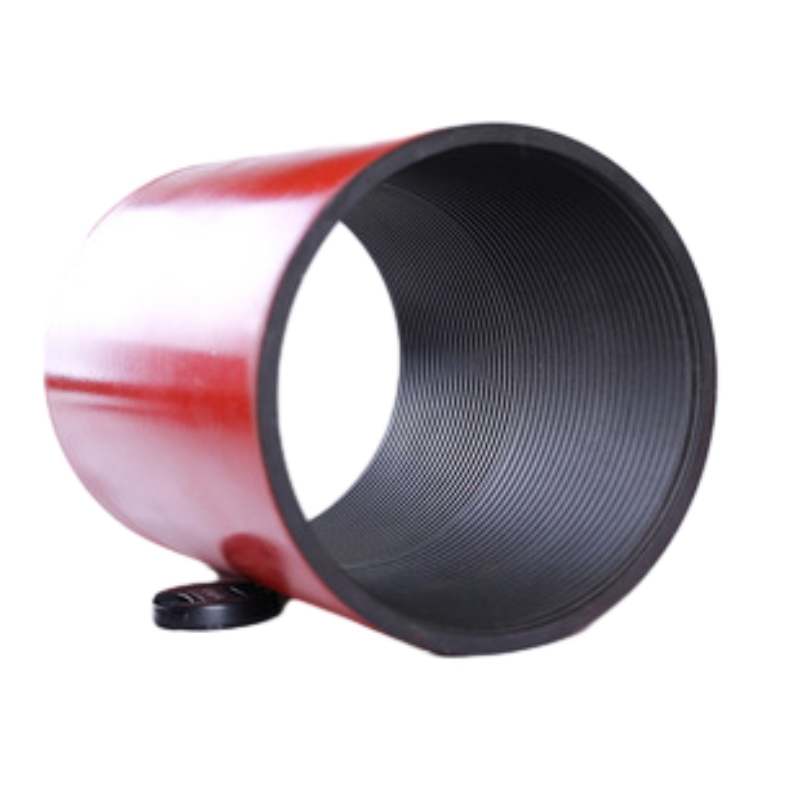


Stainless Steel Threaded Coupling: Durable Solutions for Industrial Piping | WJ Petroleum
Stainless Steel Threaded Coupling is a key solution in the industry, specifically within oil and gas, petrochemical, and industrial piping sectors. This article explores how https://www.wjpetroleum.com supports professionals with durable, high-performance products, and explains why this product is an ideal choice for businesses in these sectors.
Table of Contents
- Stainless Steel Threaded Coupling Overview
- Benefits & Use Cases of Stainless Steel Threaded Coupling
- Cost, Maintenance & User Experience
- Sustainability & Market Trends
Stainless Steel Threaded Coupling Overview
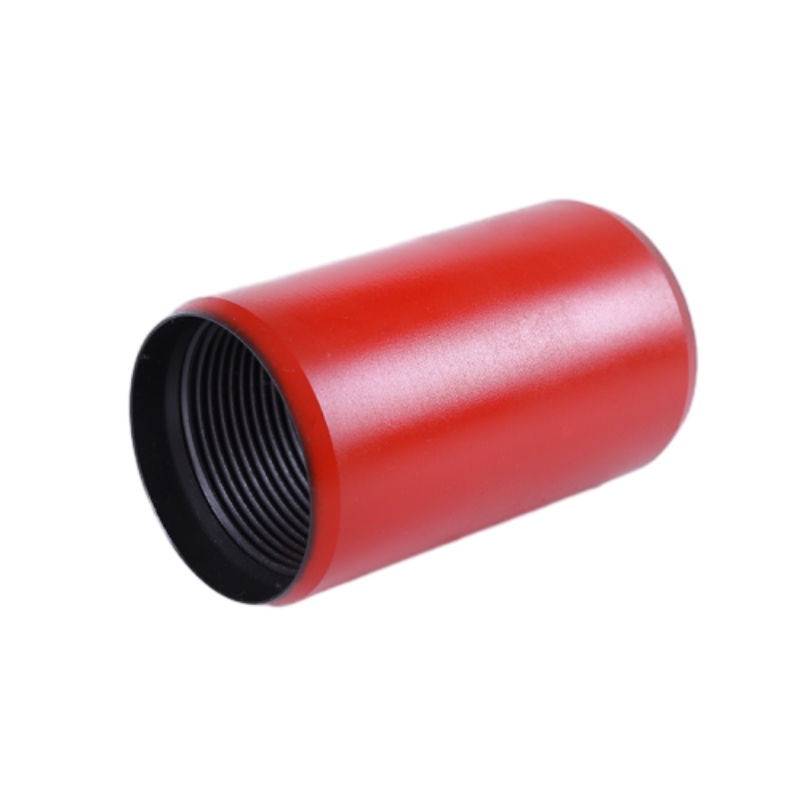
If you’re involved in piping or fluid transport systems, you know connections matter — a lot. Stainless Steel Threaded Couplings are cylindrical fittings designed to join two threaded pipes securely, allowing for easy assembly and disassembly while maintaining integrity under pressure. They’re typically made from corrosion-resistant stainless steel grades like 304 and 316, which handle aggressive environments better than traditional carbon steel. Frankly, this product feels like the unsung hero of industrial piping; it rarely attracts attention until it’s time for maintenance or replacement — and at that point, its durability (or the lack of it) becomes painfully apparent.
- Stainless Steel Threaded Couplings fit pipe sizes ranging from 1/8 inch up to several inches, tailored for high-pressure scenarios.
- Typical tensile strengths hover near 75,000 psi, enabling reliable operation in oilfield and chemical plant piping.
| Specification | Detail |
|---|---|
| Material Grades | 304, 316 Stainless Steel |
| Connection Type | NPT, BSPT, etc. |
| Pressure Rating | Up to 6000 psi |
| Temperature Range | -50°C to 500°C |
Benefits & Use Cases of Stainless Steel Threaded Coupling
Oddly enough, the real strength of Stainless Steel Threaded Couplings shows in their versatility. Whether you’re running high-pressure chemicals through a refinery or extending your gas pipeline, these couplings provide a robust seal that stops leaks without sacrificing flexibility. You might hear engineers rave about their resistance to corrosion, which stands up well in saltwater or acidic environments. Plus, ease of installation means downtime drops — a win in industries where minutes count.
- Common in oilfield equipment, where threaded connections make rapid field repairs possible.
- Valued in petrochemical plants for compatibility with aggressive fluids and high temperatures.
- Preferred in water systems thanks to longevity against rust and scale deposits.
Vendor Comparison: Stainless Steel Threaded Couplings
| Vendor | Material Grades | Pricing ($USD per piece) | Lead Time | Warranty |
|---|---|---|---|---|
| WJ Petroleum | 304, 316 SS | 5-10 (bulk discounts) | 2-4 weeks | 1 Year |
| Competitor A | 304 SS only | 7-12 | 3-6 weeks | 6 Months |
| Competitor B | 316 SS | 10-15 | 4 weeks | 1 Year |
Cost, Maintenance & User Experience
When weighing costs, it’s tempting to pick the cheapest parts — but with Stainless Steel Threaded Couplings, long-term ROI quickly proves the smarter bet. Their corrosion resistance reduces the frequency of replacements, which, frankly, can save tens of thousands on emergency repairs in a busy plant. Users I talked to often emphasize how maintenance crews appreciate these couplings' familiarity and standardized threading, cutting training time. Plus, companies report improved safety records because couplings don’t degrade unexpectedly.
- WJ Petroleum customers cite fewer leak incidents after switching to stainless fittings.
- Routine inspections are simpler due to coated surfaces resisting deposits.
Sustainability & Market Trends
In an age increasingly focused on sustainability, Stainless Steel Threaded Couplings hold an advantage that’s easy to overlook. Since stainless steel is 100% recyclable, many companies feel it's a greener choice compared to coated or plated steel parts. Regulatory trends are also nudging industries to favor corrosion-resistant materials to avoid leaks and contamination—a growing liability risk in environmental assessments. Market analysts note rising demand in Asia-Pacific and North America, driven by infrastructure upgrades and stricter standards. So, investing in stainless steel components seems less of a cost and more of a future-proofing strategy.
- Sustainability policies encourage reuse and recycling of stainless steel pipe fittings.
- Technological advances enable higher precision threading, enhancing sealing efficacy.
Frequently Asked Questions about Stainless Steel Threaded Coupling
- What is Stainless Steel Threaded Coupling and how does it work?
- It's a tubular connector made from stainless steel that screws onto threaded pipe ends, joining two pipes securely and preventing leaks through mechanical engagement and sealing materials like PTFE tape.
- What are the main benefits of using Stainless Steel Threaded Coupling in industrial applications?
- Key advantages include excellent corrosion resistance, ease of installation, high pressure tolerance, and longevity, contributing to lower maintenance costs and increased safety.
- How does Stainless Steel Threaded Coupling compare to traditional alternatives?
- Compared to carbon steel or brass fittings, stainless steel offers superior corrosion resistance and mechanical strength, reducing failure risks in harsh environments.
- What industries can benefit most from Stainless Steel Threaded Coupling implementation?
- Industries such as oil and gas, chemical processing, petrochemical, marine, and water treatment all rely on these couplings for reliable, leak-proof pipeline connections.
Conclusion on Stainless Steel Threaded Coupling from china
Ultimately, Stainless Steel Threaded Couplings represent a pragmatic investment for B2B decision makers aiming for high reliability and long service life in piping systems. With the backing of trusted vendors like WJ Petroleum, businesses can navigate demanding industries with less downtime and more confidence.
- They bring together durability, safety, and sustainablity in one package.
- - Visit our website: https://www.wjpetroleum.com
Reflecting on these couplings, it seems that even in high-tech systems, sometimes the simplest components make the biggest difference. Choosing quality, tested materials and reliable vendors can save headaches down the line, especially in industries where failure isn’t an option.
References:
1. ASTM International Standards on Threaded Pipe Fittings
2. “Corrosion in Oil and Gas Pipelines,” Journal of Materials Engineering, 2022
3. Market Insights on Pipe Fitting Trends, Industrial Research Corp., 2023
-
The Ultimate Industrial Guide to using مفصل الجرو Swivel JointsNewsApr.16,2026
-
Comprehensive Guide to api الجرو المشترك in Industrial ApplicationsNewsApr.09,2026
-
Comprehensive Guide to Puppy Joint Health with غلاف مفصل الجرو SupplementsNewsApr.07,2026
-
Optimizing Oilfield Performance with تمرير المفاصل الجرو and WJ Petroleum ExpertiseNewsApr.04,2026
-
Understanding Puppy Mills ¿qué es un porro de cachorros? Responsible Breeding PracticesNewsMar.31,2026
-
Comprehensive Guide to Perforated Puppy Joints and Long Term Canine HealthNewsMar.28,2026