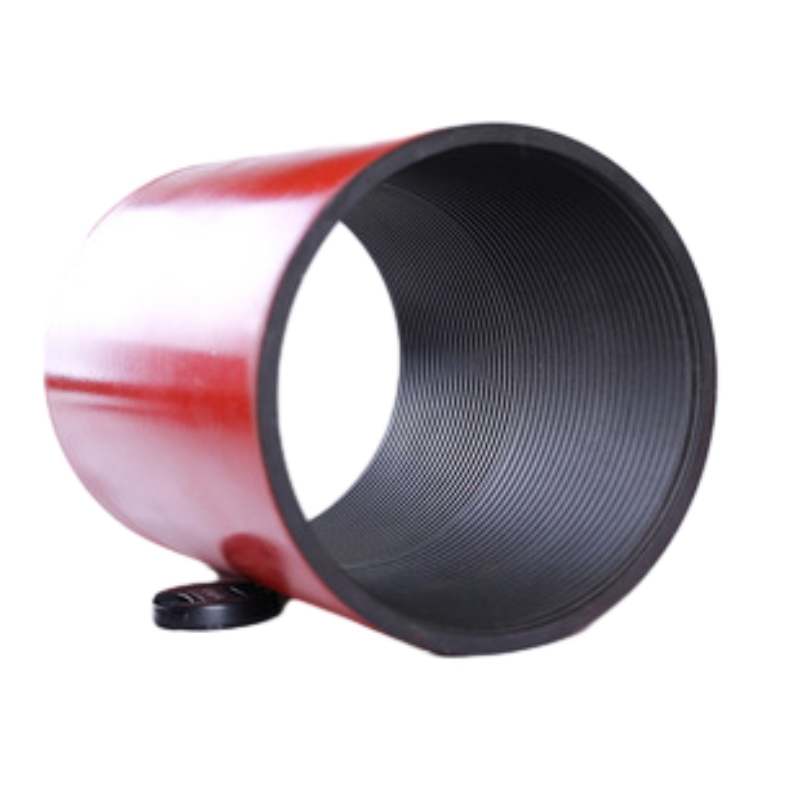


Stainless Steel Reducer Coupling – Durable and Versatile Pipe Fittings for Global Industry
Understanding Stainless Steel Reducer Couplings: Vital Components in Modern Industry
Stainless steel reducer couplings might not be a household term, but they play an unexpectedly pivotal role across various industries worldwide. Fundamentally, these components enable the secure connection of pipes with different diameters — a seemingly simple task that, frankly, has enormous implications. From maintaining water supply systems in bustling cities to ensuring integrity in chemical plants, grasping what a stainless steel reducer coupling is and why it matters can open up new perspectives on efficiency, safety, and innovation in industrial practice.
Introduction: The Global Relevance of Stainless Steel Reducer Couplings
On a global scale, the industrial world is increasingly reliant on durable, corrosion-resistant, and versatile equipment. According to the International Organization for Standardization (ISO), stainless steel use in pipe fittings has steadily increased by over 7% annually over the last decade, reflecting a shift toward stainless materials over traditional alloys (1). Why? Challenges like increasing environmental regulations, demand for longer-lasting materials, and the need to reduce downtime in industries ranging from petrochemical to water treatment have driven attention to components like stainless steel reducer couplings. These fittings are crucial in addressing mismatched pipe diameters that otherwise jeopardize system performance and safety — a problem that’s far from trivial when you consider global infrastructure growth.
What Exactly Is a Stainless Steel Reducer Coupling?
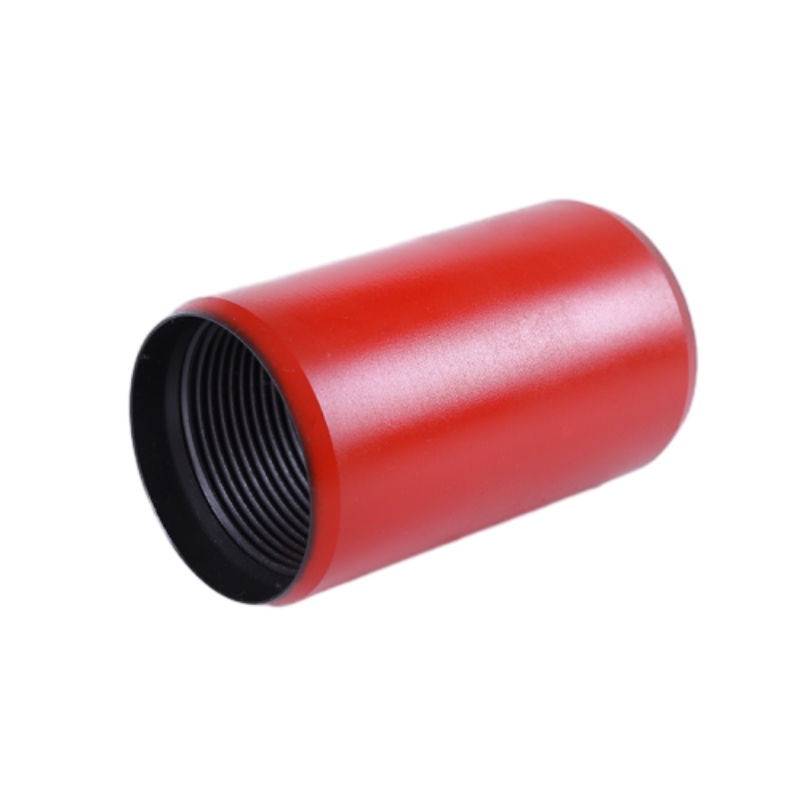
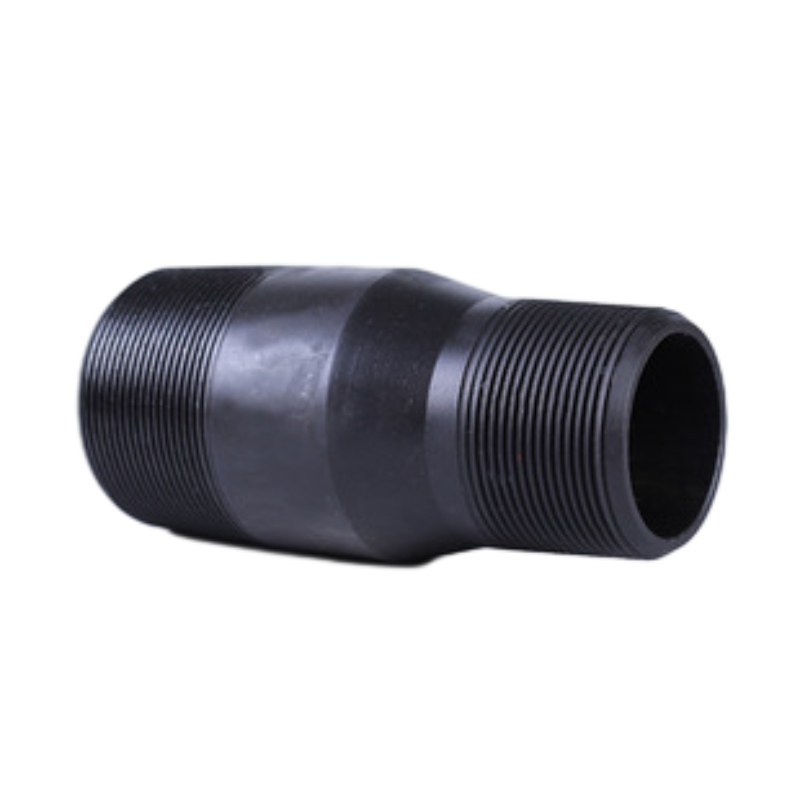
In simple terms, a stainless steel reducer coupling is a mechanical connector used to join pipes of different sizes. Imagine two pipes: one small, one large — a reducer coupling is the “adapter” that links them. Stainless steel, as the material, provides durability against corrosion, high temperatures, and pressure changes. Its role spans from providing a leak-proof seal to ensuring mechanical stability in piping systems. This isn't just about industry convenience; in humanitarian and infrastructure projects, such as water provision in developing regions, these couplings ensure that vital resources flow safely without contamination or system failure.
Key Factors of Stainless Steel Reducer Couplings
1. Durability & Corrosion Resistance
Stainless steel alloys, often 304 or 316 grades, resist rust and chemical degradation. This durability means fewer replacements, less maintenance, and better safety margins — particularly important in seawater desalination plants or chemical refineries.
2. Mechanical Strength & Pressure Handling
These couplings are built to endure high pressures without deforming. This is crucial in industries like oil & gas, where even slight breaches can trigger catastrophic failures.
3. Versatility & Compatibility
Reducer couplings accommodate a wide range of pipe sizes and materials, making them adaptable across applications from municipal water systems to food processing lines.
4. Ease of Installation & Maintenance
Unlike welded joints, many reducer couplings offer quicker installation and simpler removal, reducing labor costs and downtime.
5. Cost Efficiency Over Time
While stainless steel can come at a premium upfront, the extended life cycle and reduced maintenance ultimately lower total costs.
Global Applications & Real-World Use Cases
The use of stainless steel reducer couplings spans continents and sectors. In the Middle East, large-scale oil refineries rely on them to connect piping systems handling corrosive fluids under immense pressure. In Europe, water treatment plants use these couplings to upgrade old pipelines, maintaining potable water quality. Oddly enough, in disaster-stricken regions of Southeast Asia, NGOs have leveraged stainless steel couplings in temporary clean water distribution networks — components that must be both durable and quickly deployable. Even remote mining operations in South America use couplings to link varying pipe sizes as deposits and extraction techniques evolve.
Advantages & Long-Term Value of Stainless Steel Reducer Couplings
- Reliability: Ensures leak-proof, sturdy connections that stand the test of time.
- Sustainability: Longer lifespan reduces waste, supporting circular economy models.
- Financial Savings: Reduced downtime and maintenance translate to cost benefits.
- Safety & Dignity: Secure water or gas transport protects communities and employees alike.
- Innovation Edge: Enables modular and scalable industrial designs.
Future Trends and Innovations
Technology continues to push the boundaries of stainless steel coupling capabilities. For example, precision manufacturing coupled with digital quality inspections improve consistency and performance guarantees. Green energy projects, such as hydrogen fuel infrastructure, require couplings that resist embrittlement, a new challenge addressed by advanced alloy development. Automation and smart sensors embedded in pipe networks could integrate directly with couplings, offering real-time leak detection and predictive maintenance alerts. In short, the evolution of these humble fittings is quietly supporting some of the world's smartest infrastructure.
Challenges & Expert Solutions
Despite their advantages, stainless steel reducer couplings face limitations too. Installation errors, inappropriate alloy selections, or quality variances can cause failures. Experts recommend rigorous supplier vetting and proper training for installers. Innovations like standardized certification (e.g., ISO 9001 quality systems) and material traceability help ensure performance. For particularly tough environments, hybrid solutions that combine stainless steel with protective coatings or sacrificial anodes are gaining traction.
FAQ About Stainless Steel Reducer Couplings
- What sizes of pipes can stainless steel reducer couplings connect?
- They typically cover a broad spectrum, ranging from small 1/2-inch pipes up to several inches in diameter, allowing seamless connectivity in varied piping systems.
- How corrosion resistant are these couplings in saltwater environments?
- Grades like 316 stainless steel offer excellent resistance to chloride-induced corrosion, making them suitable for offshore and desalination applications.
- Are stainless steel reducer couplings reusable after disassembly?
- Many couplings are designed for multiple installations, but it’s crucial to inspect seals and threads to assure integrity before reuse.
- Can these couplings handle high-temperature industrial fluids?
- Yes, depending on the alloy grade and design, many couplings safely withstand elevated temperatures exceeding 400°C.
- Where can I source certified stainless steel reducer couplings?
- Reputable industrial suppliers and manufacturers with ISO certifications are preferred. Checking technical datasheets and compliance documentation is always recommended.
Product Specification: Example Stainless Steel Reducer Coupling
| Specification | Details |
|---|---|
| Material Grade | 304, 316 Stainless Steel |
| Pressure Rating | Up to 10,000 psi |
| Temperature Range | -40°C to 400°C |
| Size Range | 1/2" to 12" diameter |
| Connection Type | Threaded, Welded, or Flanged |
Vendor Comparison: Leading Stainless Steel Reducer Coupling Manufacturers
| Vendor | Material Grades | Certifications | Lead Time | Price Range |
|---|---|---|---|---|
| SteelCouple Inc. | 304, 316 | ISO 9001, API | 2-3 weeks | $$$ |
| PipeFit Solutions | 316L, Duplex Steel | ISO 9001, PED | 3-4 weeks | $$$$ |
| GlobalFit | 304, 316L | ISO, NSF | 1-2 weeks | $$ |
If you’re sourcing couplings, a good place to start is with detailed specs and reputable manufacturers — and of course, where possible, stainless steel reducer coupling experts who can guide your choices based on your project’s specific needs.
Conclusion: Why Stainless Steel Reducer Couplings Matter
At first glance, stainless steel reducer couplings might feel like just another small detail in vast industrial setups. But in reality, they are linchpins of safety, sustainability, and scalability. When you think about the long-term benefits — durability, reduced downtime, environmental compatibility — it becomes clear: investing in quality stainless steel reducer couplings pays dividends over time. If you want to explore more or discuss your project’s needs, visiting our website is a smart next step.
References
-
The Ultimate Industrial Guide to using مفصل الجرو Swivel JointsNewsApr.16,2026
-
Comprehensive Guide to api الجرو المشترك in Industrial ApplicationsNewsApr.09,2026
-
Comprehensive Guide to Puppy Joint Health with غلاف مفصل الجرو SupplementsNewsApr.07,2026
-
Optimizing Oilfield Performance with تمرير المفاصل الجرو and WJ Petroleum ExpertiseNewsApr.04,2026
-
Understanding Puppy Mills ¿qué es un porro de cachorros? Responsible Breeding PracticesNewsMar.31,2026
-
Comprehensive Guide to Perforated Puppy Joints and Long Term Canine HealthNewsMar.28,2026