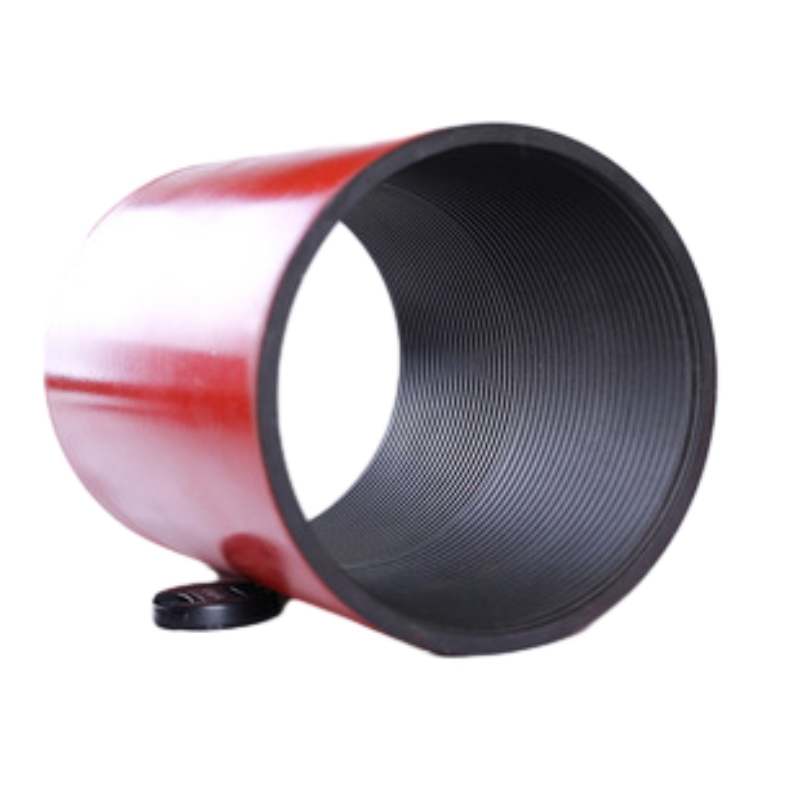


Reliable Stainless Steel Pipe Coupling Solutions for Industrial Use | WJ Petroleum
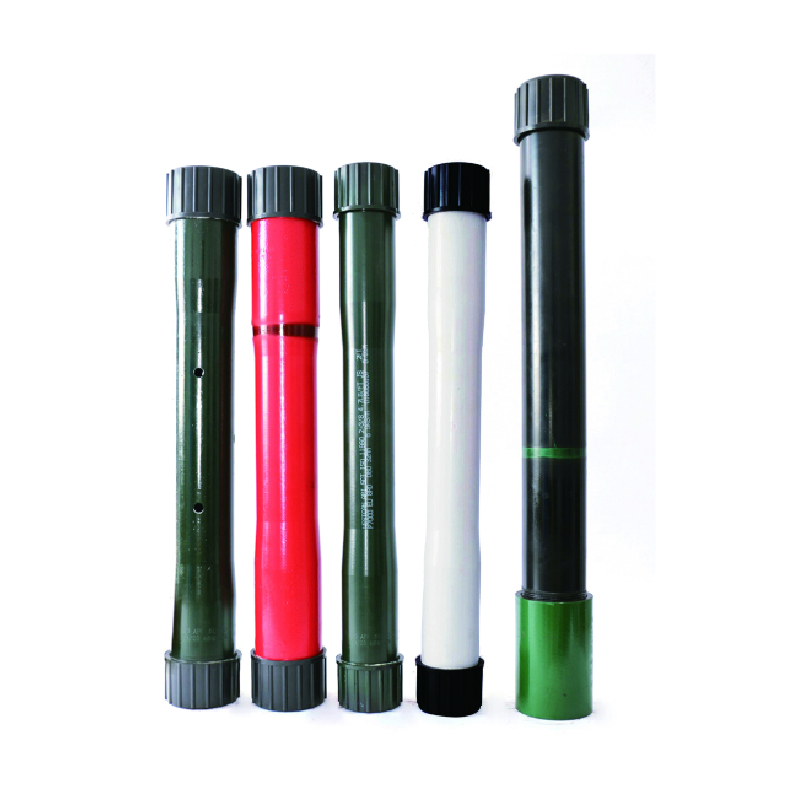
Stainless Steel Pipe Coupling is a key solution in the industry, specifically within oil & gas, petrochemical, and infrastructure sectors. This article explores how https://www.wjpetroleum.com supports professionals with durable, high-performance products, and explains why this product is an ideal choice for businesses in these sectors.
Table of Contents
- Stainless Steel Pipe Coupling Overview
- Benefits & Use Cases of Stainless Steel Pipe Coupling
- Cost, Maintenance & User Experience
- Sustainability & Market Trends
Stainless Steel Pipe Coupling Overview
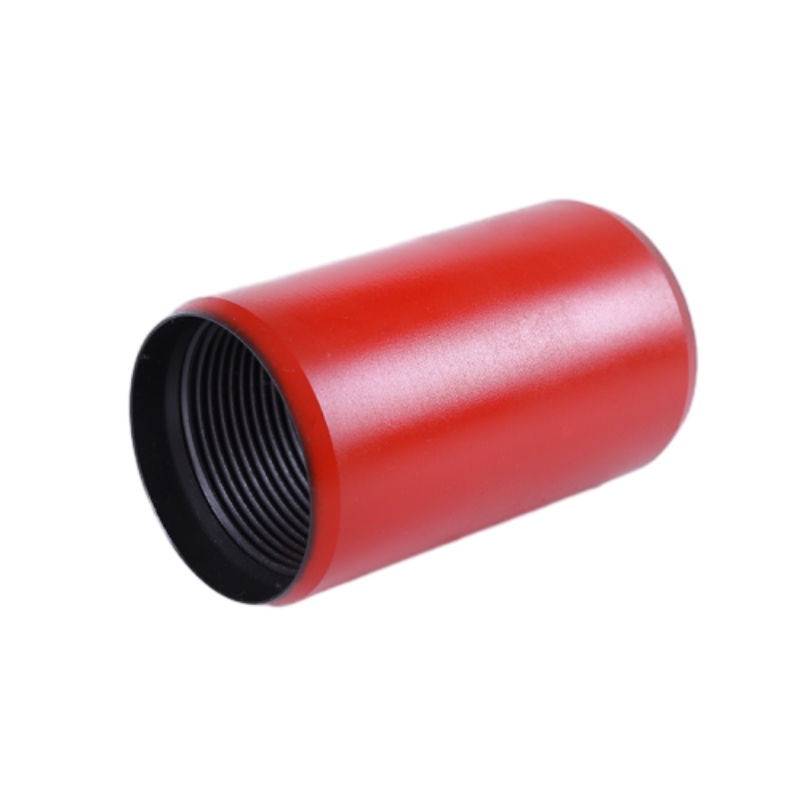
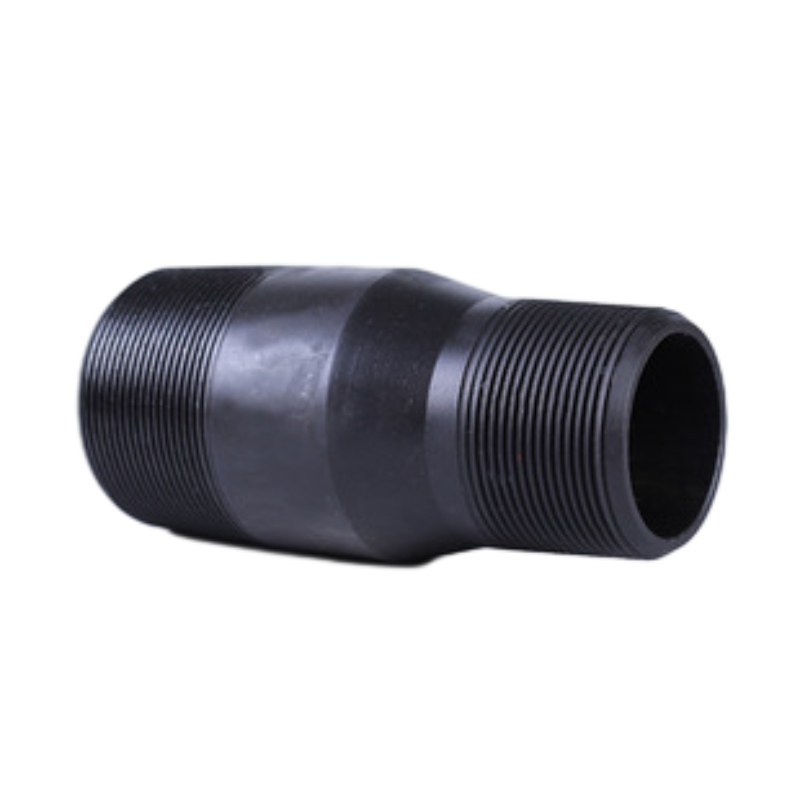
When you think about the core components holding industrial piping systems together, Stainless Steel Pipe Coupling emerges as an unsung hero. Essentially, these couplings connect two pipe ends, ensuring a secure, leak-proof seal that can withstand harsh environments. What’s interesting — and frankly vital — is the material itself: stainless steel offers exceptional corrosion resistance and mechanical strength, which makes it suitable for industries where failure is not an option.
To get a bit technical, many pipe couplings, especially from trusted suppliers like WJ Petroleum, use grades such as 304 or 316 stainless steel. These grades have been tested repeatedly under high pressure, extreme temperatures, and chemically aggressive conditions. For example, a recent case study showed that 316 stainless steel couplings maintained integrity under 1500 psi pressure, even with exposure to seawater — which is quite remarkable for offshore drilling rigs. It’s these specs that truly position stainless steel couplings as a staple in building reliable infrastructure.
| Specification | Details |
|---|---|
| Material Grade | 304, 316 Stainless Steel |
| Pressure Rating | Up to 1500 PSI |
| Temperature Range | -50°C to 400°C |
| Diameter Range | 1/2" to 24" |
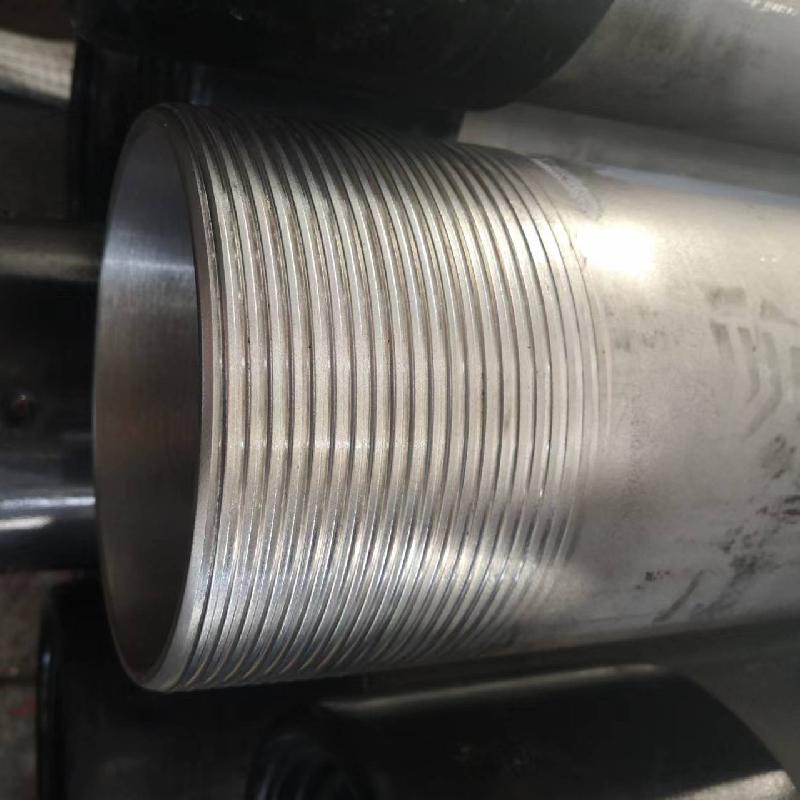
| End Types | Butt weld, threaded, flanged |
Benefits & Use Cases of Stainless Steel Pipe Coupling
Across sectors like oil & gas and petrochemical plants, stainless steel pipe couplings aren’t just connectors; they’re mission-critical components that keep lines running smoothly. In several applications—think high-pressure steam lines, wastewater treatment, and offshore oil platforms—the robustness of these couplings means fewer shutdowns and greater uptime. Oddly enough, many engineers I’ve talked to say the ease of installation with quality stainless steel couplings reduces both field labor costs and potential error margins, which is no small win.
In terms of features, the corrosion resistance is an obvious frontrunner, but there’s also the ability to resist scaling and biological fouling, which keeps flow rates stable. Compared to alternatives like carbon steel or PVC, stainless steel offers an unbeatable combination of longevity and reliability, especially when paired with precision manufacturing and strict quality control at companies like WJ Petroleum. So when your operation demands consistent peak performance, these couplings deliver that quiet confidence.
Cost, Maintenance & User Experience
Sure, stainless steel pipe couplings come with a higher upfront cost than some cheaper materials, but when you factor in longevity and near-zero maintenance requirements, the total cost of ownership looks a lot more inviting. From what I’ve observed in the field and through feedback from companies using WJ Petroleum’s offerings, these components often last decades without needing replacement, which translates to impressive ROI.
A client in the petrochemical sector recently reported that switching to stainless steel couplings reduced unplanned outages by 35% over two years—pretty telling feedback. Plus, the durability cuts down on stock holding costs for spares because replacements are less frequent. All in all, these pipes and fittings feel like an investment in peace of mind.
| Vendor | Material Quality | Pressure Rating | Customization | Lead Time |
|---|---|---|---|---|
| WJ Petroleum | 316 Stainless Steel (High Grade) | Up to 1500 PSI | Available on request | 2-4 weeks |
| Competitor A | 304 Stainless Steel | Up to 1200 PSI | Limited options | 3-6 weeks |
| Competitor B | Carbon Steel (Coated) | Up to 1000 PSI | Custom only for large orders | 4-8 weeks |
Sustainability & Market Trends
Sustainability is more than a buzzword these days; it’s a driving force behind how companies select products like stainless steel pipe couplings. Stainless steel itself is highly recyclable, which fits with growing regulations encouraging circular economy practices. Plus, since these couplings last so long, you avoid the environmental costs tied to frequent replacements.
Market trends also show a steady rise in the demand for corrosion-resistant pipe fittings, especially in heavy industries investing to meet both safety and environmental standards. Frankly, it feels like those companies aligning early with sustainable supply chains will have an edge — and vendors with proven product quality, like WJ Petroleum, are well-positioned to capitalize on that.
Frequently Asked Questions about Stainless Steel Pipe Coupling
- What is Stainless Steel Pipe Coupling and how does it work?
- At its core, a stainless steel pipe coupling joins two pipes to form a continuous flow path. It works by creating a secure seal, typically using welding, threading, or compression, that prevents fluid leaks even under high pressure or temperature. The stainless steel material adds a layer of corrosion and heat resistance that ensures long-term service.
- What are the main benefits of using Stainless Steel Pipe Coupling in industrial applications?
- The main benefits include outstanding corrosion resistance, durability under extreme conditions, reduced maintenance needs, and an overall longer lifespan compared to alternatives. This leads to increased system reliability and cost savings over time.
- How does Stainless Steel Pipe Coupling compare to traditional alternatives?
- Compared to materials like carbon steel or PVC, stainless steel couplings offer superior corrosion resistance and higher pressure and temperature ratings. They also tend to deliver better long-term value through lower maintenance expenses and fewer operational disruptions.
- What industries can benefit most from Stainless Steel Pipe Coupling implementation?
- Industries including oil & gas, petrochemical, water treatment, food processing, and offshore drilling greatly benefit from these couplings. Their high performance under demanding conditions makes them a common choice in projects requiring reliability and safety.
Conclusion on Stainless Steel Pipe Coupling from china
To wrap things up, stainless steel pipe couplings stand out as a highly valuable component for B2B decision makers aiming for durability, safety, and operational efficiency. The proven quality and broad industry applicability make them indispensable in modern infrastructure projects. For anyone in the market, visiting https://www.wjpetroleum.com is a sensible starting point to find robust, trusted solutions tailor-made for your needs.
- Recap the value of Stainless Steel Pipe Coupling.
- - Visit our website: https://www.wjpetroleum.com
Oddly enough, sometimes the simplest hardware holds the key to lasting reliability — stainless steel pipe couplings certainly prove this time and again.
References:
1. ASTM A182 / A182M - Standard Specification for Forged or Rolled Alloy and Stainless Steel Pipe Flanges.
2. “Corrosion Resistance of Stainless Steel in Petrochemical Applications,” Journal of Industrial Materials, 2022.
3. WJ Petroleum Product Data Sheets & Customer Testimonials, 2023.
-
The Ultimate Industrial Guide to using مفصل الجرو Swivel JointsNewsApr.16,2026
-
Comprehensive Guide to api الجرو المشترك in Industrial ApplicationsNewsApr.09,2026
-
Comprehensive Guide to Puppy Joint Health with غلاف مفصل الجرو SupplementsNewsApr.07,2026
-
Optimizing Oilfield Performance with تمرير المفاصل الجرو and WJ Petroleum ExpertiseNewsApr.04,2026
-
Understanding Puppy Mills ¿qué es un porro de cachorros? Responsible Breeding PracticesNewsMar.31,2026
-
Comprehensive Guide to Perforated Puppy Joints and Long Term Canine HealthNewsMar.28,2026