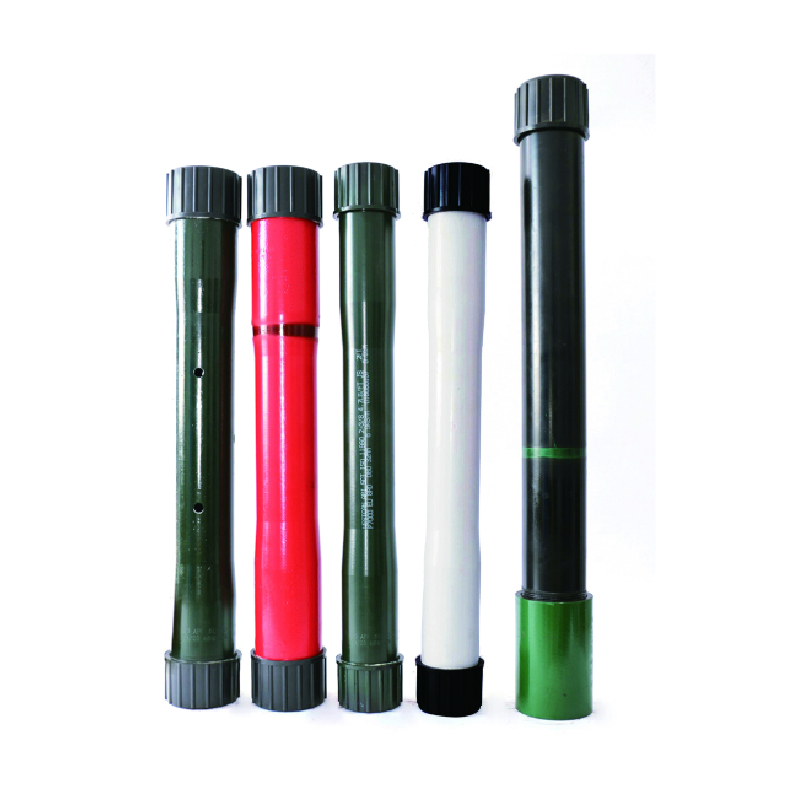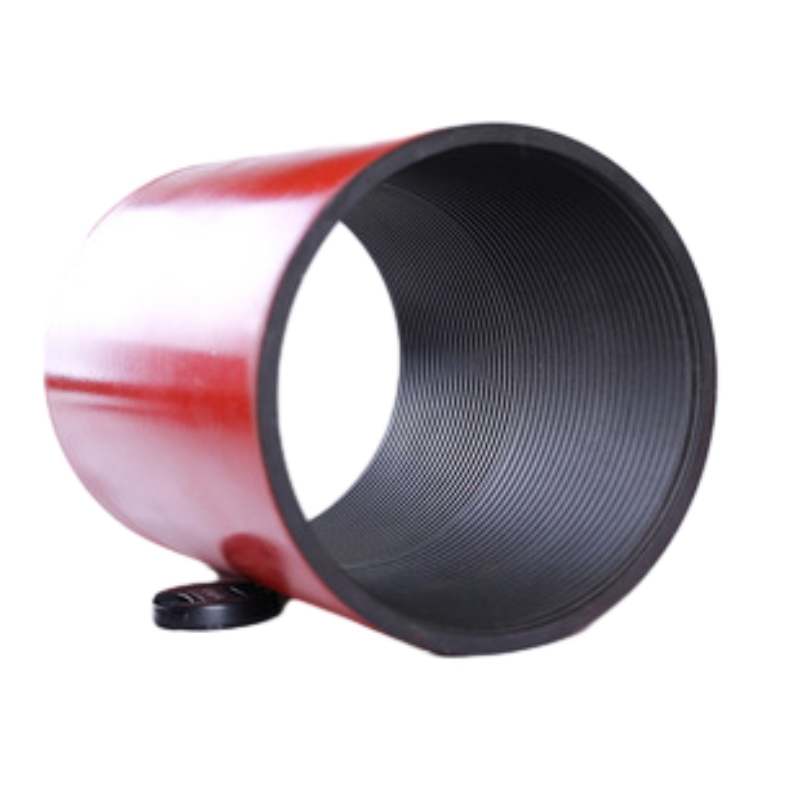


Understanding the 1 4 Pipe Coupler A Comprehensive Guide for Piping Systems
Understanding the 1 4 Pipe Coupler: A Comprehensive Guide
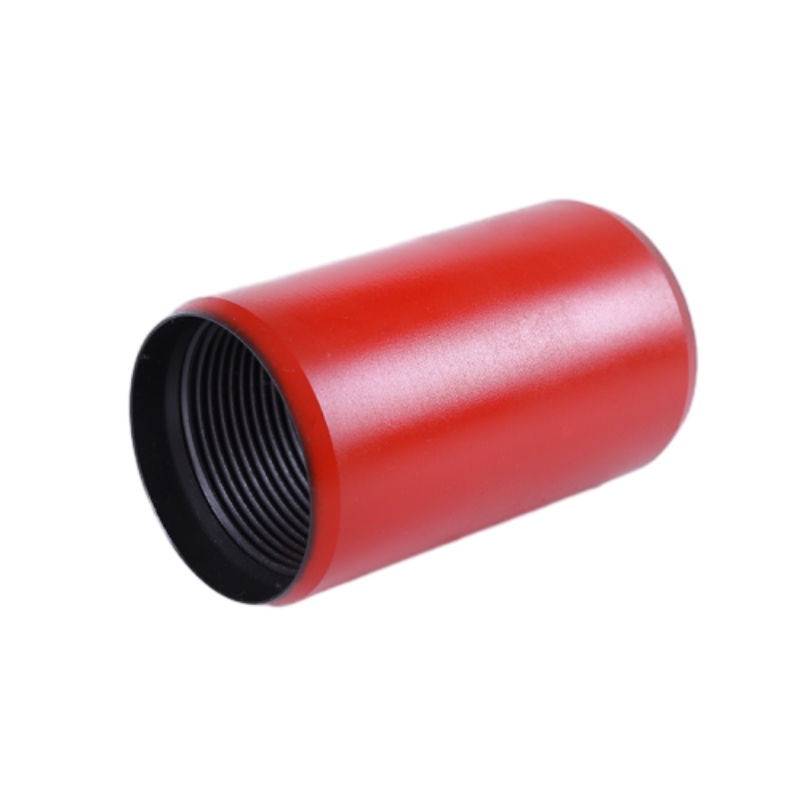
The 1 4 pipe coupler is a fundamental component in piping systems across various industries, including oil & gas, petrochemicals, and water management. Its primary function is to connect two pipes with a nominal diameter of 1/4 inch, ensuring a secure and leak-proof joint. Selecting the right coupler is crucial for maintaining system integrity and preventing costly downtime. At WJ Petroleum, we specialize in providing high-quality 1 4 pipe couplers engineered for reliability and performance. This article dives deep into the details of 1 4 pipe couplers, covering types, materials, applications, and essential considerations for optimal selection.
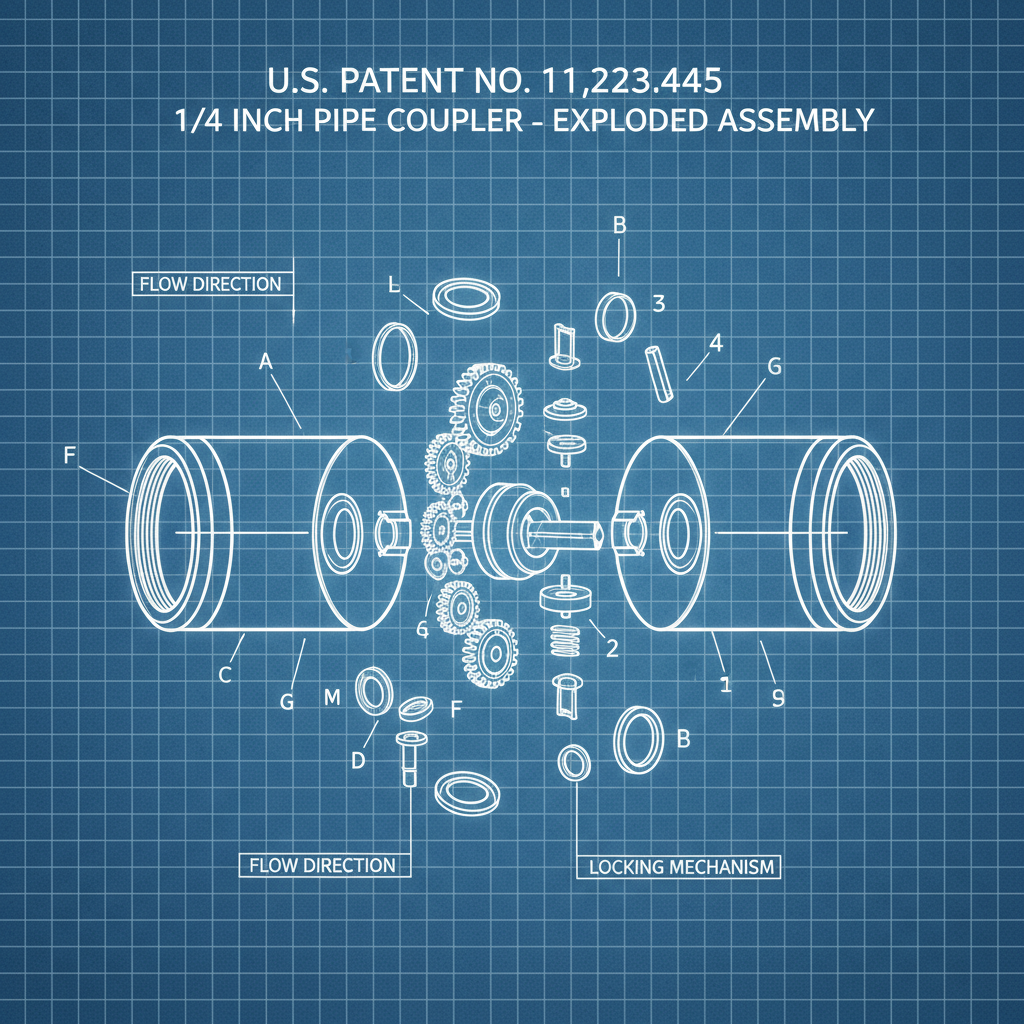
Types of 1 4 Pipe Couplers
Different applications demand different types of 1 4 pipe couplers. Understanding these variations is key to selecting the right component for your specific needs. Common types include:
- Compression Couplers: These rely on compression fittings to create a tight seal, ideal for low-pressure applications.
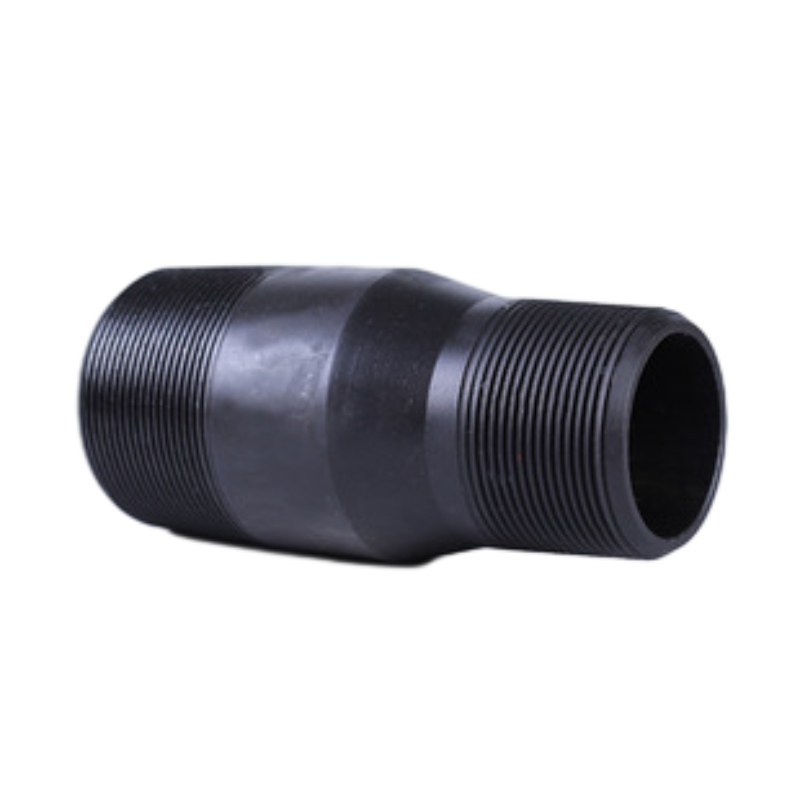
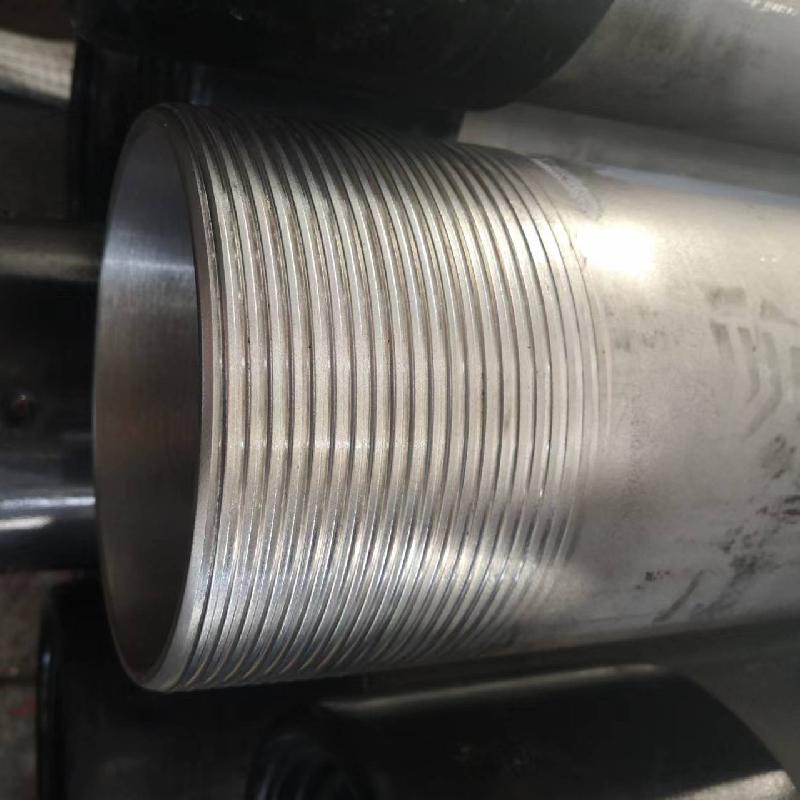
- Threaded Couplers: Utilizing threads for connection, they provide a strong and secure joint, suitable for higher-pressure systems.
- Slip Couplers: Designed for minor adjustments in pipe length and absorption of thermal expansion/contraction.
- Flare Couplers: Creating a robust seal by flaring the pipe ends, offering excellent resistance to leakage.
The best type of coupler will depend on factors such as the pressure requirements of the system, the material of the pipes, and the environmental conditions.
Materials Used in 1 4 Pipe Coupler Construction
The material of a 1 4 pipe coupler significantly impacts its durability, corrosion resistance, and suitability for specific applications. Commonly used materials include:
- Stainless Steel: Offers exceptional corrosion resistance, making it ideal for harsh environments and chemical handling.
- Carbon Steel: A cost-effective option providing good strength and durability for general-purpose applications.
- Brass: Known for its corrosion resistance and ease of machining, often used in plumbing and low-pressure systems.
- Plastic (e.g., PVC, PP): Lightweight and corrosion-resistant, suitable for applications involving non-aggressive fluids.
Choosing the right material ensures compatibility with the fluid being transported and prevents premature failure of the coupling.
Applications of 1/4 Pipe Couplers
The versatility of the 1 4 pipe coupler extends to numerous industries and applications. Some notable examples include:
- Instrumentation and Control Systems: Connecting small-diameter tubing for pneumatic and hydraulic control signals.
- Laboratory Equipment: Joining pipes in analytical instruments and fluid handling systems.
- Chemical Processing: Used in low-pressure chemical transfer lines with compatible materials.
- Water Filtration Systems: Connecting components within water purification and filtration units.
- Automotive and Aerospace: Utilized in various fluid and air lines within these industries.
The compact size and ease of installation make 1 4 pipe couplers a practical solution in applications where space is limited.
Key Benefits: Compact size, easy installation, secure connection, wide material options, compatibility with various fluids.
1/4 Pipe Coupler Comparison: Material & Pressure Ratings
Here's a comparison table outlining the key properties of common materials used in 1/4 pipe coupler construction:
Selecting the Right 1 4 Pipe Coupler: Key Considerations
Choosing the appropriate 1 4 pipe coupler involves careful consideration of several factors:
- Fluid Compatibility: Ensure the coupler material is compatible with the fluid being transported to prevent corrosion or contamination.
- Pressure Requirements: Select a coupler with a pressure rating that exceeds the maximum operating pressure of the system.
- Temperature Range: Consider the operating temperature and choose a coupler that can withstand those conditions.
- Regulatory Compliance: Verify the coupler meets relevant industry standards and regulations.
- Installation Method: Select a coupler compatible with your preferred installation method (e.g., compression, threading).
At WJ Petroleum, our team of experts can assist you in selecting the optimal 1 4 pipe coupler for your specific application.
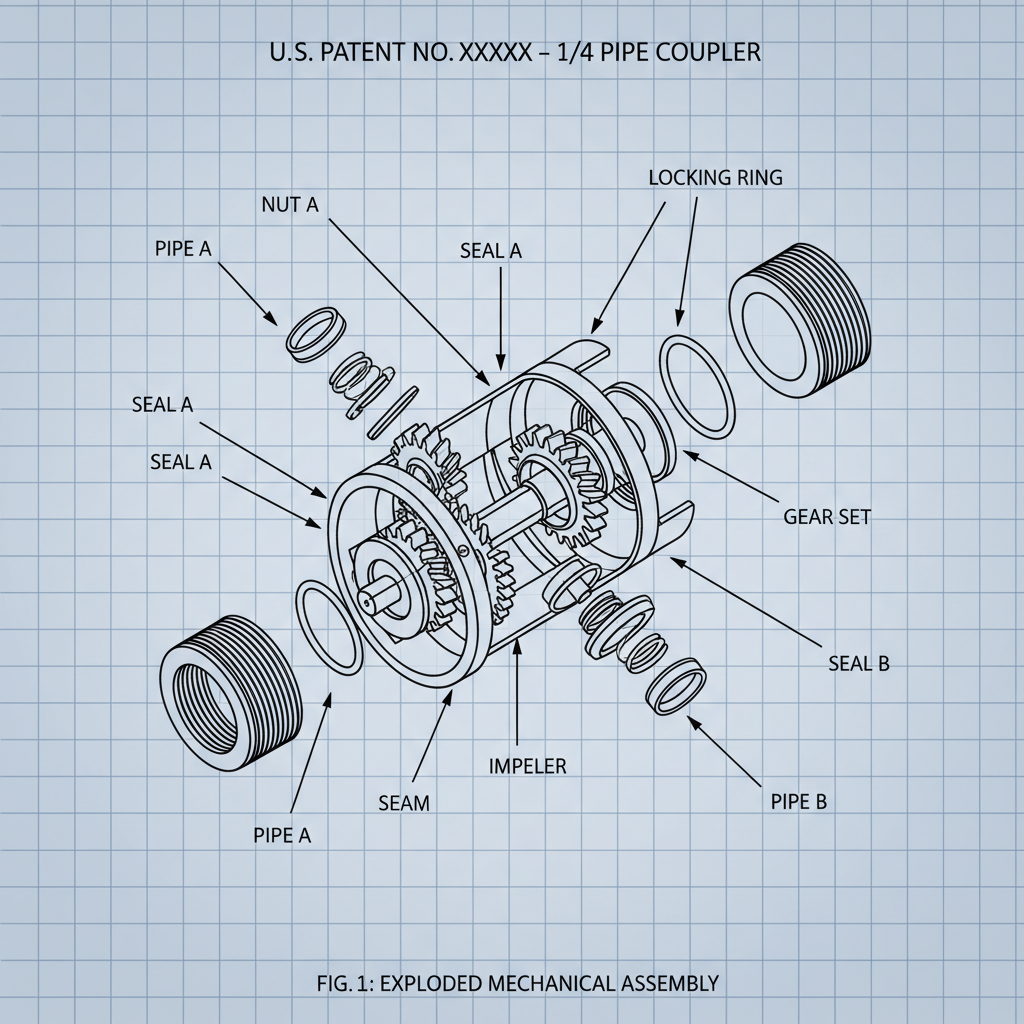
Conclusion: Ensuring System Integrity with Quality Couplers
The 1 4 pipe coupler, though small in size, plays a vital role in the safety and efficiency of numerous piping systems. Choosing a high-quality coupler from a reputable supplier like WJ Petroleum ensures a reliable and leak-proof connection. By carefully considering the factors outlined in this article, you can select the optimal coupler for your application and maintain the integrity of your system for years to come.
Frequently Asked Questions (FAQs)
What is the difference between a compression coupler and a threaded coupler?
Compression couplers create a seal by compressing a ferrule onto the pipe, while threaded couplers use threads for a mechanical connection. Compression couplers are easier to install and disassemble, making them ideal for temporary connections or situations where frequent maintenance is required. Threaded couplers provide a stronger, more permanent connection, suitable for higher-pressure applications. The choice depends on the specific requirements of the system and the desired level of security.
Can I use a plastic coupler with high-temperature fluids?
Generally, no. Most common plastics like PVC and PP have limited temperature resistance. Exposure to high temperatures can cause them to soften, deform, or even fail. For high-temperature applications, materials like stainless steel or brass are preferred. Always check the temperature rating of the coupler material to ensure it is compatible with the fluid temperature.
How do I prevent leaks when using a threaded 1 4 pipe coupler?
To prevent leaks with threaded couplers, ensure the threads are clean and free of debris. Apply a suitable thread sealant (e.g., Teflon tape or pipe dope) to the male threads before tightening. Tighten the coupler firmly, but avoid over-tightening, which can damage the threads. Regular inspection and re-tightening may be necessary, especially in applications with vibration or fluctuating temperatures.
Where can I find high-quality 1/4 pipe couplers?
You can find a comprehensive selection of high-quality 1 4 pipe couplers at WJ Petroleum. We offer a wide range of materials, types, and sizes to meet your specific needs, along with expert technical support to ensure you choose the right product for your application.
-
The Ultimate Industrial Guide to using مفصل الجرو Swivel JointsNewsApr.16,2026
-
Comprehensive Guide to api الجرو المشترك in Industrial ApplicationsNewsApr.09,2026
-
Comprehensive Guide to Puppy Joint Health with غلاف مفصل الجرو SupplementsNewsApr.07,2026
-
Optimizing Oilfield Performance with تمرير المفاصل الجرو and WJ Petroleum ExpertiseNewsApr.04,2026
-
Understanding Puppy Mills ¿qué es un porro de cachorros? Responsible Breeding PracticesNewsMar.31,2026
-
Comprehensive Guide to Perforated Puppy Joints and Long Term Canine HealthNewsMar.28,2026