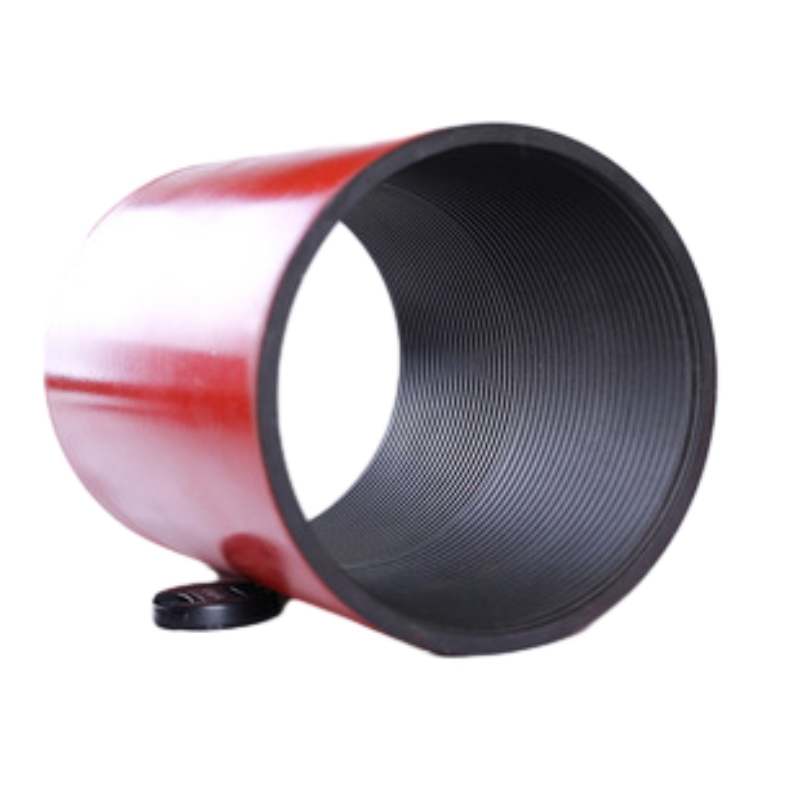


Bull Plug vs Round Head Plug: Key Differences & Uses
Bull Plug vs Round Head Plug: What’s the Real Difference?
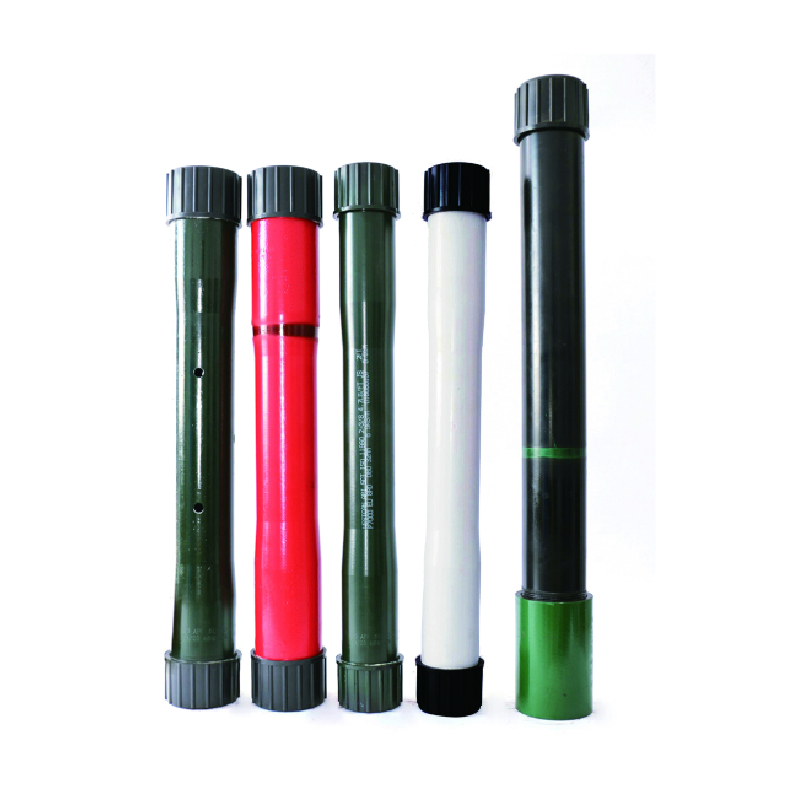
Having spent quite a few years in the industrial equipment world, I’ve come across all sorts of plugs and fittings. Two that often pop up—and sometimes cause a bit of head-scratching—are the bull plug and round head plug. At face value, both seem simple enough: they’re caps, basically, but in real terms, there’s a lot more nuance when choosing between them.
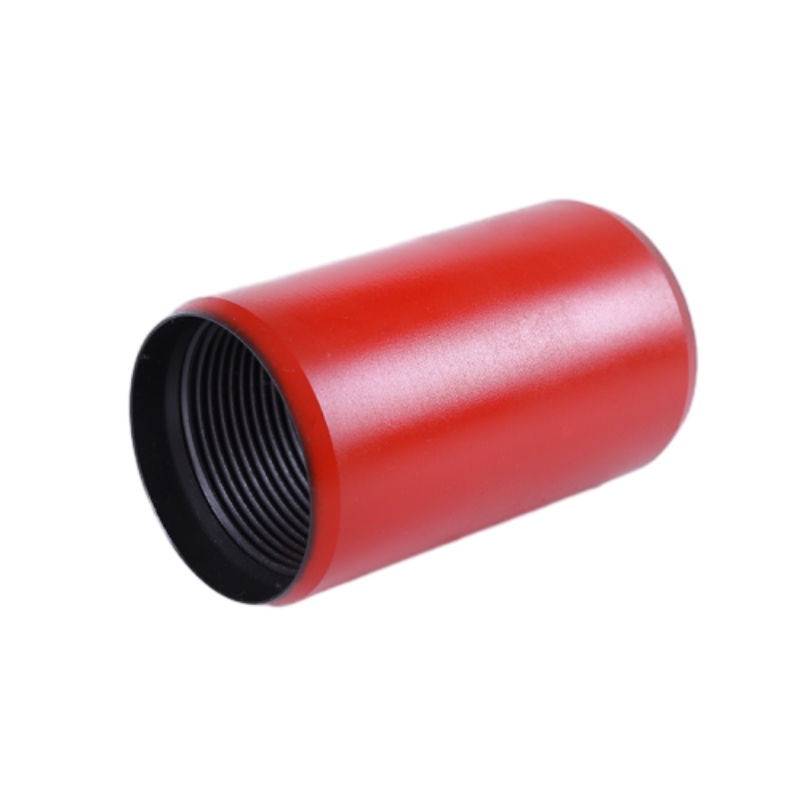
Start with the bull plug. It’s a solid, cylindrical fitting usually crafted from carbon steel or stainless steel. You’ll find it predominantly in pipeline and pressure system applications where a strong, secure seal is mandatory. The bull plug’s name comes from its robust shape—it’s “bullish,” strong and reliable, you might say.
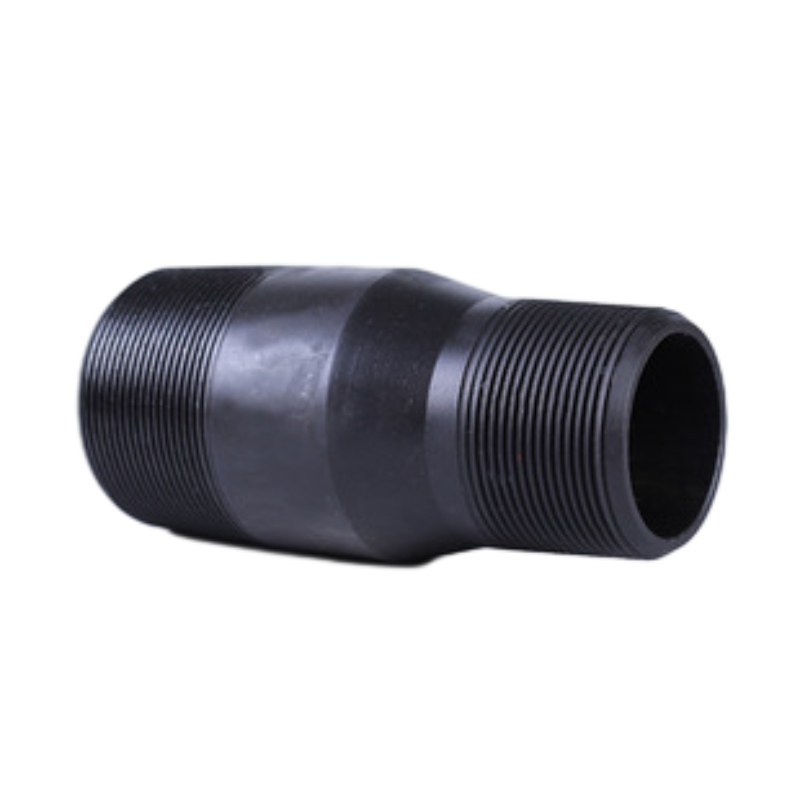
Round head plugs, on the other hand, offer a slightly different profile. They have a domed top—rounded and smooth—primarily designed for aesthetic reasons or for situations where you want a less protruding cap. Many engineers prefer the round head plug when surface finish and visual appeal matter, even in heavy-duty environments.
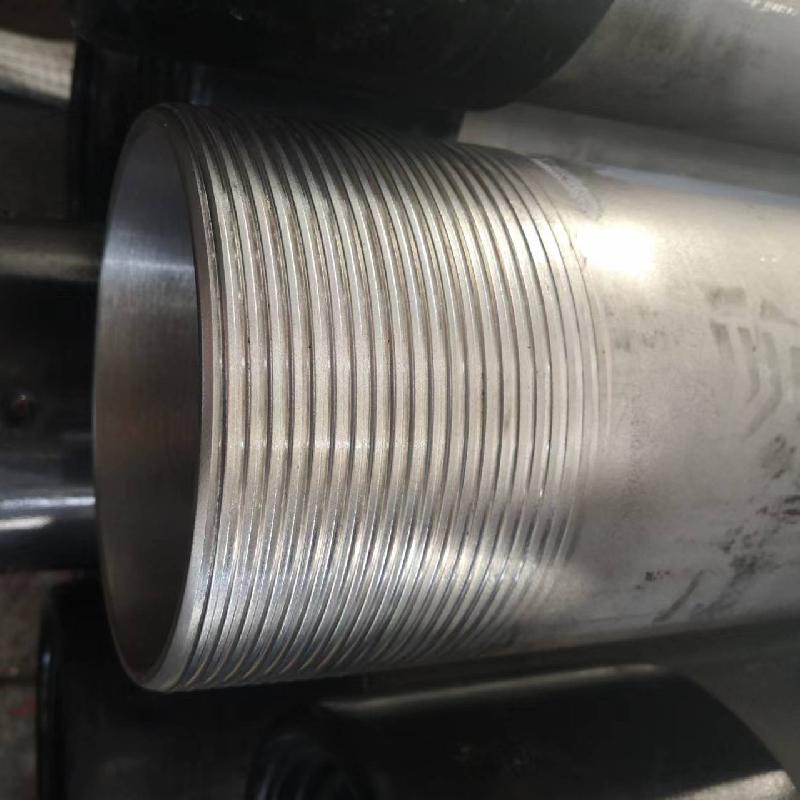
Oddly enough, the inner workings between the two are similar—they both screw into a fitting’s female thread to seal pipe ends. But a bull plug will typically handle higher pressures and harsher conditions, in part because it’s often thicker and more rigid. Round head plugs tend to come in lighter variants, sometimes using brass or lighter steels, especially in lower-pressure setups.
Material-wise, both can be found in carbon steel, stainless steel, brass, or even alloy options depending on usage. I’ve noticed that for corrosive environments, stainless steel variants of both plug types are indispensable. In fact, choosing the correct material can be a make-or-break decision in applications involving chemicals or marine exposure.
Testing standards generally align with ANSI/ASME and API specifications, ensuring these plugs meet stringent pressure and temperature requirements. You might find some bull plugs rated for pressures exceeding several thousand psi, while round head plugs’ specs vary widely depending on manufacturer and application.
One fun story from the field: a client once switched from round head plugs to bull plugs on their refinery piping after repeated leak failures. The bull plug’s thicker walls and more robust threading gave them peace of mind and practically eliminated leaks—plus, it saved them some costly downtime.
Product Specifications Overview
| Feature | Bull Plug | Round Head Plug |
|---|---|---|
| Material | Carbon Steel, Stainless Steel | Carbon Steel, Brass, Stainless Steel |
| Design | Solid cylindrical, thick walls | Domed rounded top, thinner walls |
| Pressure Rating | Up to 6000 psi (varies by size/material) | Up to 3000 psi (generally lower) |
| Thread Types | NPT, BSP, others | Typically NPT or BSP |
| Common Use | High-pressure pipeline sealing | Low-to-medium pressure caps, general sealing |
Vendor Comparison: Bull Plug vs Round Head Plug Suppliers
| Vendor | Product Range | Pricing | Customization | Lead Time |
|---|---|---|---|---|
| WJ Petroleum | Extensive (bull plugs & round head plugs) | Competitive | High (material, thread, size) | Usually 2-4 weeks |
| ABC Fittings Co. | Moderate | Mid-range | Limited | 3-6 weeks |
| Industrial Caps Ltd. | Small selection | Higher-end | Custom only | Varies, often 4+ weeks |
To sum it up, if your system’s under extreme pressure or handling harsh chemicals, a bull plug feels like a safer bet—it’s robust and time-tested. Round head plugs, meanwhile, fit better in low-pressure or aesthetic-focused applications, plus they often come with cost benefits. It’s a choice that’s less about “which is better” and more about what suits your project’s particular needs.
If you ever find yourself deciding on plugs for a project, I’d suggest getting familiar with the specs and perhaps requesting samples to test fit and finish. And hey, you might want to check out WJ Petroleum—they have a pretty solid range with customization options that frankly come in handy when you’re dealing with unusual specs.
In the end, it’s about making informed choices, especially when a part failure could cost you time and money. With a little care, these little plugs can be your unsung heroes.
Reference highlights:
- ANSI/ASME B16.11 - Forged fittings specifications.
- API Standards for pressure components in petroleum refining.
- Field experience and client case studies from industry projects.
-
Comprehensive Guide to api الجرو المشترك in Industrial ApplicationsNewsApr.09,2026
-
Comprehensive Guide to Puppy Joint Health with غلاف مفصل الجرو SupplementsNewsApr.07,2026
-
Optimizing Oilfield Performance with تمرير المفاصل الجرو and WJ Petroleum ExpertiseNewsApr.04,2026
-
Understanding Puppy Mills ¿qué es un porro de cachorros? Responsible Breeding PracticesNewsMar.31,2026
-
Comprehensive Guide to Perforated Puppy Joints and Long Term Canine HealthNewsMar.28,2026
-
Understanding Articulación de Cachorros Cruzados and Optimizing Puppy Joint HealthNewsMar.26,2026