

Bullplugs in Industrial Equipment | Reliable Pipe End Seals
Bullplugs: The Unsung Heroes in Industrial Pipeline Management
After spending well over a decade in the industrial equipment sector, I’ve grown to appreciate the small yet mighty components that keep systems running smoothly—bullplugs are definitely one of those. For those outside the oil & gas or heavy industrial world, bullplugs might not ring a bell, but if you’ve ever worked with pipelines or pressure systems, you know these simple fittings can be game changers.
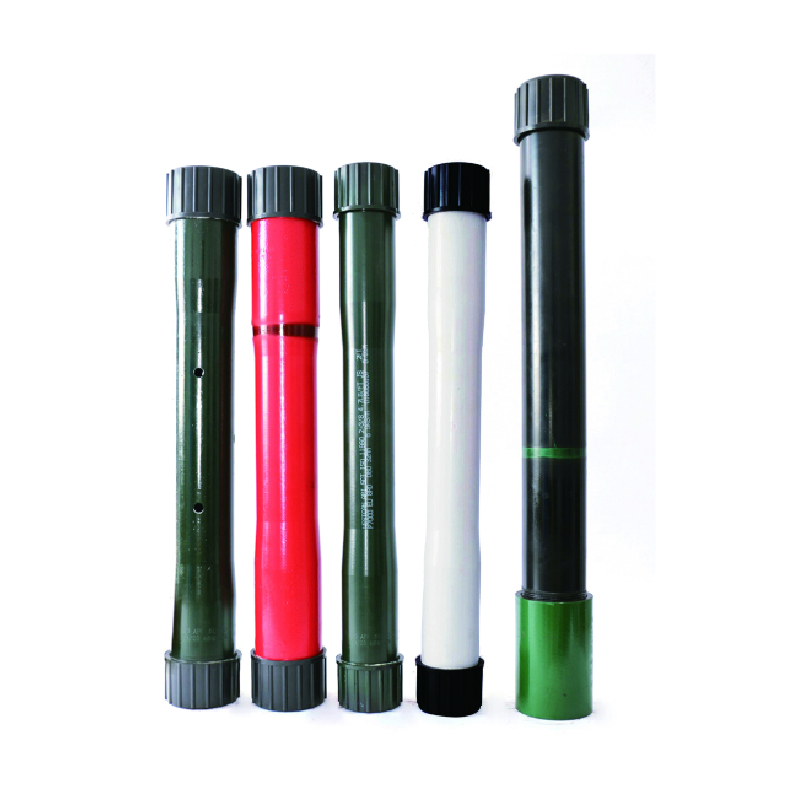
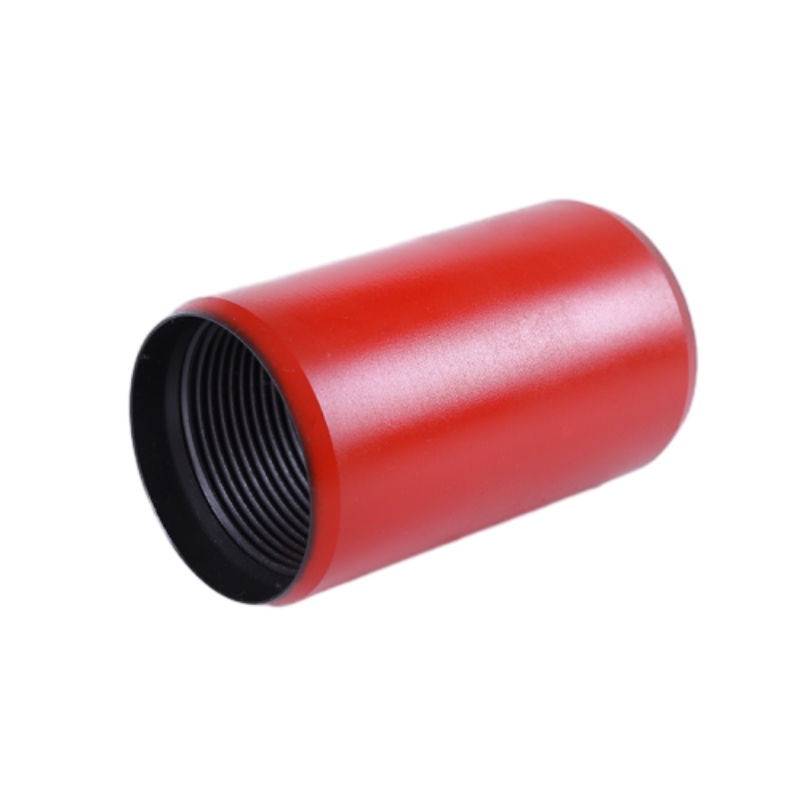
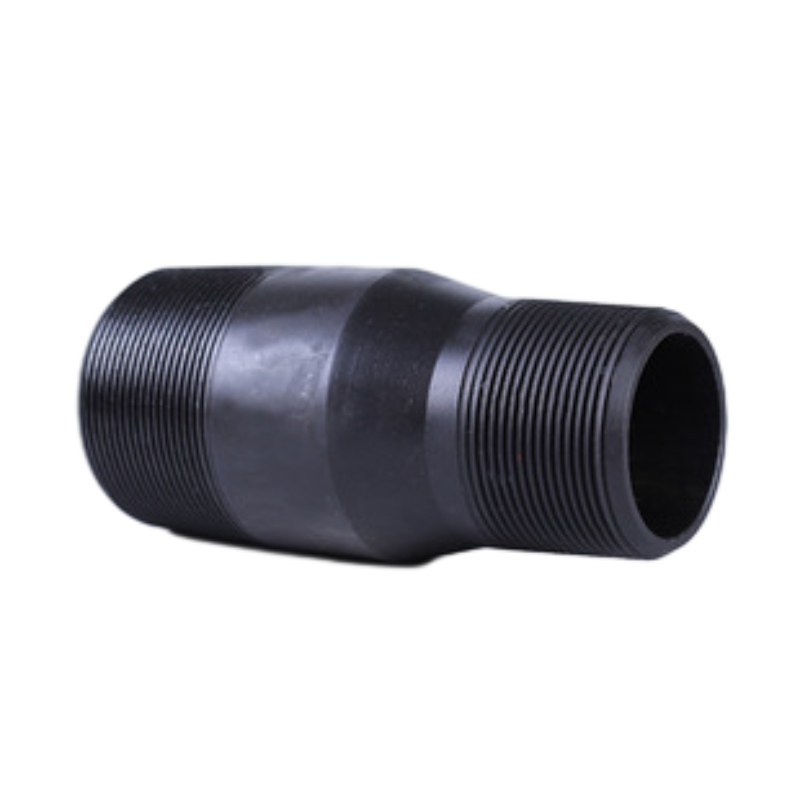
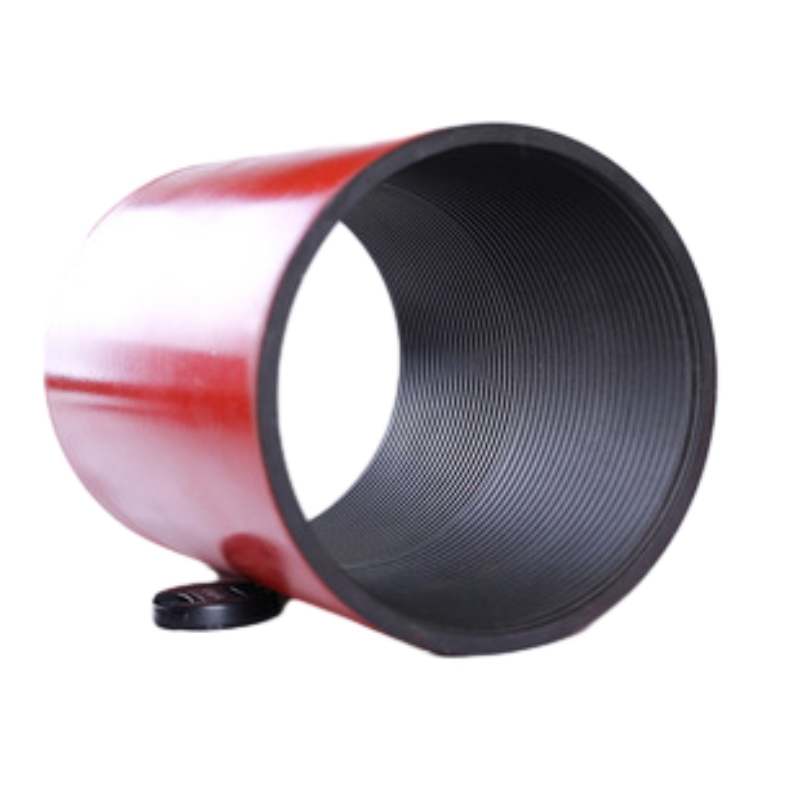
In real terms, a bullplug (sometimes called a plug or 'bull plug') is essentially a heavy-duty pipe fitting designed to close off or seal the end of a pipe or valve. They’re usually threaded so you can tighten them firmly, and they hold pressure well — which, frankly, is crucial when dealing with volatile fluids under high pressure.
Materials typically vary — forged steel, stainless steel, even brass in lighter applications. My preference, and what industry veterans often nod to, is forged carbon steel, mainly because of its toughness and resistance to impact. Oddly enough, many engineers say the forged aspect also gives the bullplug a bit more confidence when under stress — it’s like the component quietly says, “I’ve got this.”
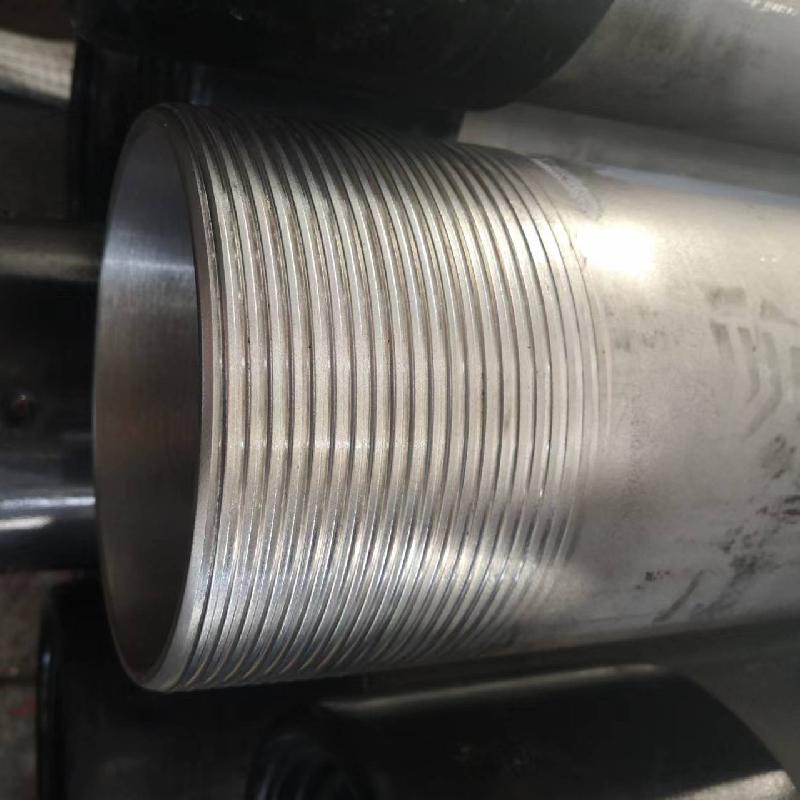
Over the years, I’ve noticed that while bullplugs seem straightforward, the devil’s in the details—thread quality, dimensional tolerances, heat treatment, and surface finish all affect performance, especially if you’re talking about deep-sea pipelines or heavy duty refinery installations. One quick story I recall was when a project we managed had repeated bullplug failures. We traced it back to a substandard vendor whose machining quality was off. Lesson learned: not all bullplugs are created equal.
Product Specifications at a Glance
| Specification | Typical Range / Value |
|---|---|
| Material | Forged Carbon Steel, Stainless Steel |
| Thread Type | NPT, API, BSP (varies by application) |
| Pressure Rating | Up to 10,000 psi (depending on class) |
| Sizes | 1/2" to 8" (common sizes) |
| Testing | Hydrostatic & dimensional inspections standard |
Vendor Comparison – What to Watch For
| Feature | Vendor A | Vendor B | Vendor C |
|---|---|---|---|
| Material Quality | Certified ASTM A105 Forged Steel | Forged Carbon Steel (No Certification) | Stainless Steel 316L |
| Thread Accuracy | +/- 0.05 mm | +/- 0.15 mm | +/- 0.07 mm |
| Pressure Rating | 10,000 psi | 7,500 psi | 8,500 psi |
| Certifications | ISO 9001, API Spec Q1 | None | ISO 14001 |
| Lead Time | 2 weeks | 4 weeks | 3 weeks |
What really makes a bullplug stand out isn’t just the specs on a sheet, but how it holds up when things get tough. I remember one client commended how a particular brand’s bullplugs handled a sudden pressure spike during maintenance — no leaks, no stress. Customizations also play a role: some manufacturers offer special coatings or heat treatments, which can improve corrosion resistance or tensile strength. You sort of get the feeling these components get the often overlooked but mission-critical attention they deserve.
In the age of tighter regulations, safety standards, and environmental concerns, choosing the right bullplug can mean the difference between a smooth operation and costly downtime. It feels like the more things evolve in industry, the more we lean into components like these for reliability. So, if you’re browsing bullplug options for your project, remember to factor in not just price, but supplier certification, material origin, and testing protocols — because frankly, these ensure you're not just buying a plug, but peace of mind.
For anyone interested, the folks over at WJ Petroleum offer a solid lineup with good custom options. It’s reassuring to work with a vendor that prioritizes quality control as much as practical application.
All told, bullplugs might be small, but they’re mighty important and deserve your careful consideration when specifying industrial equipment.
In the end, it’s these little fittings—quiet and sturdy—that often keep the big machines humming without a hitch.
References:
1. API Spec Q1 – Quality Management in Oil & Gas
2. ASTM Standards for Forged Steel Fittings
3. Industry experience from multiple operational pipeline projects
-
The Ultimate Industrial Guide to using مفصل الجرو Swivel JointsNewsApr.16,2026
-
Comprehensive Guide to api الجرو المشترك in Industrial ApplicationsNewsApr.09,2026
-
Comprehensive Guide to Puppy Joint Health with غلاف مفصل الجرو SupplementsNewsApr.07,2026
-
Optimizing Oilfield Performance with تمرير المفاصل الجرو and WJ Petroleum ExpertiseNewsApr.04,2026
-
Understanding Puppy Mills ¿qué es un porro de cachorros? Responsible Breeding PracticesNewsMar.31,2026
-
Comprehensive Guide to Perforated Puppy Joints and Long Term Canine HealthNewsMar.28,2026