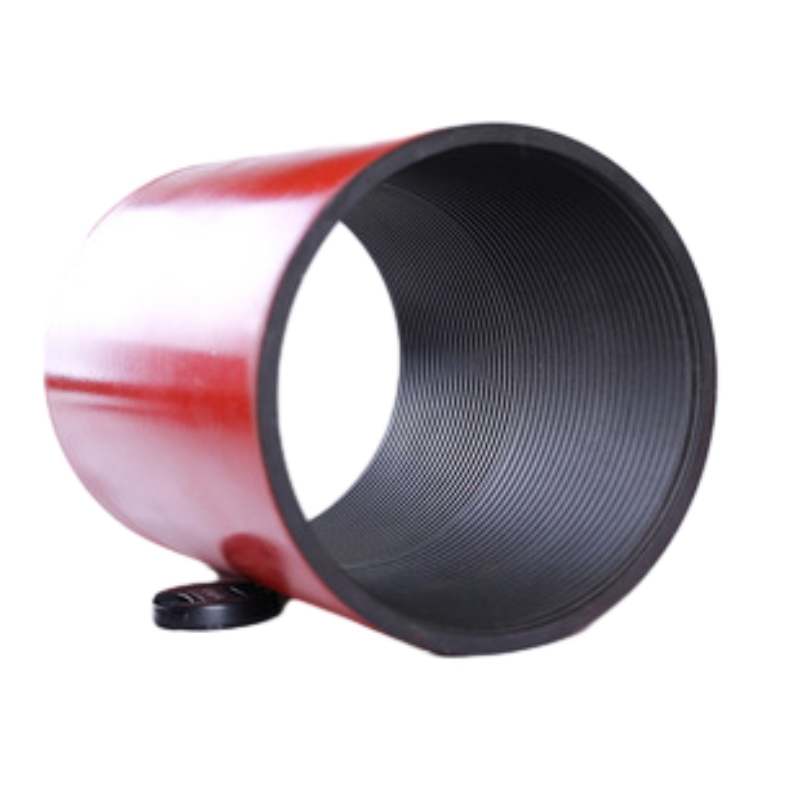


Bull Plug Oil and Gas: Essential Components for Pipeline Safety and Efficiency
Bull Plug Oil and Gas: A Key Component in Energy Infrastructure
When you think of oil and gas infrastructure, components like pipelines, valves, and rigs probably come to mind. But one often overlooked yet essential element is the bull plug. Bull plugs in the oil and gas industry serve a critical role in maintaining system integrity and safety. Globally, as energy demand grows and the industry faces tighter regulations and environmental challenges, understanding what bull plugs do is not just technical trivia—it’s a matter of operational excellence and sustainability.
In this article, I’ll break down what bull plug oil and gas actually means, why they matter across the world’s oilfields and refineries, and how the market is evolving. Frankly, if you work in upstream or downstream sectors, having a grasp on these components can help you avoid costly downtime or safety issues.
Global Context: Why Bull Plugs Matter
The International Energy Agency (IEA) reports that global oil demand averages around 100 million barrels per day, with pipelines transporting a significant share of this volume. Problems like pressure leaks, corrosion, and accidental spills can cascade into environmental disasters and lost revenue. Here’s where bull plugs come in – their role in sealing pipe ends means keeping everything tight and secure.
According to ISO standards (ISO 9001 for quality management), components like bull plugs must meet rigorous durability and pressure-resistance requirements. But the challenge is not only about standards; it’s about functional reliability in harsh environments ranging from freezing Arctic rigs to blistering deserts.
What Is a Bull Plug in Oil and Gas?
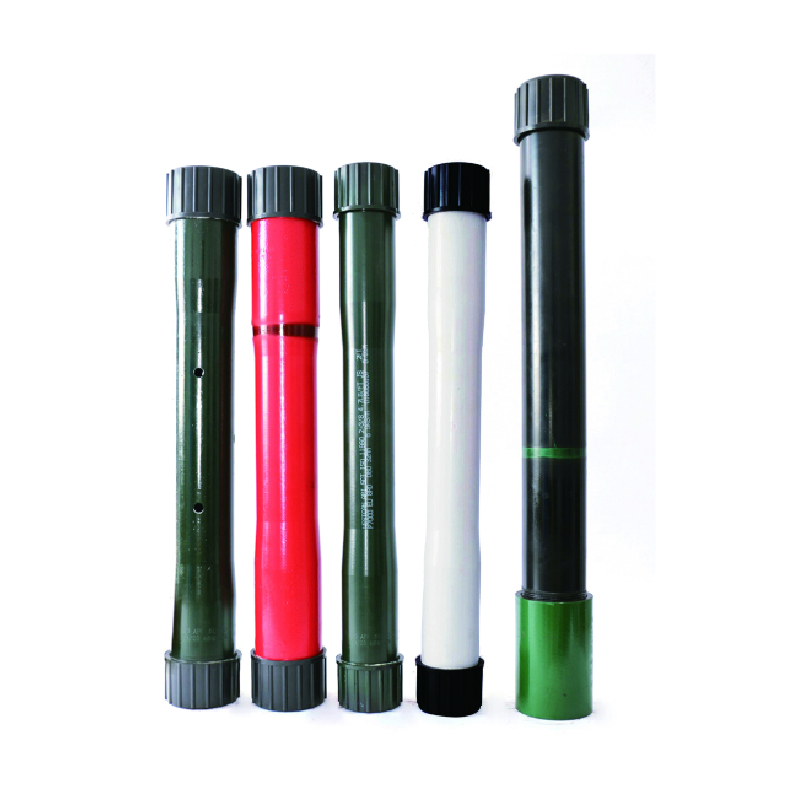
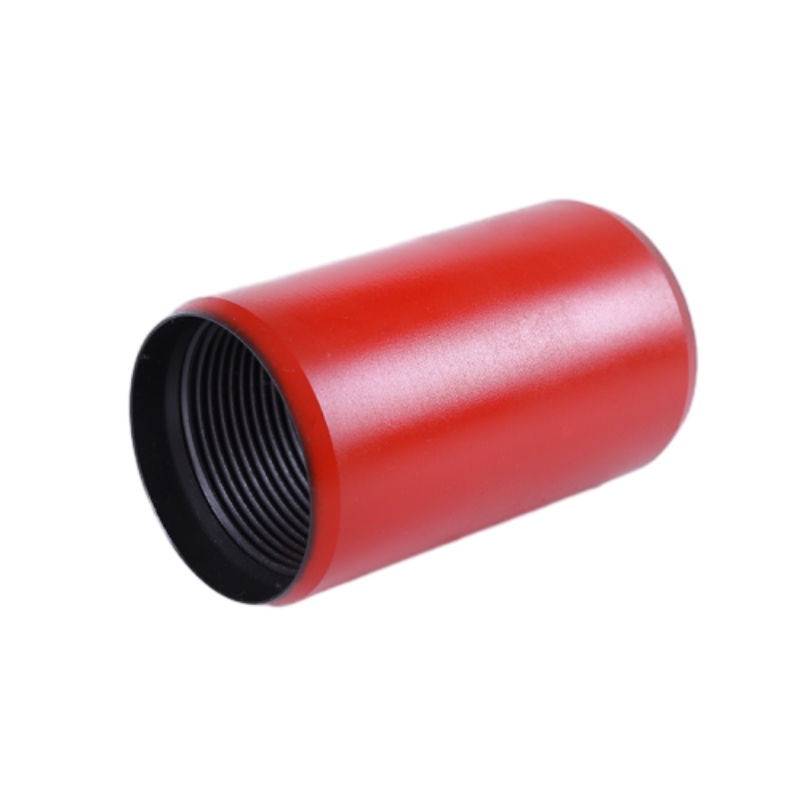
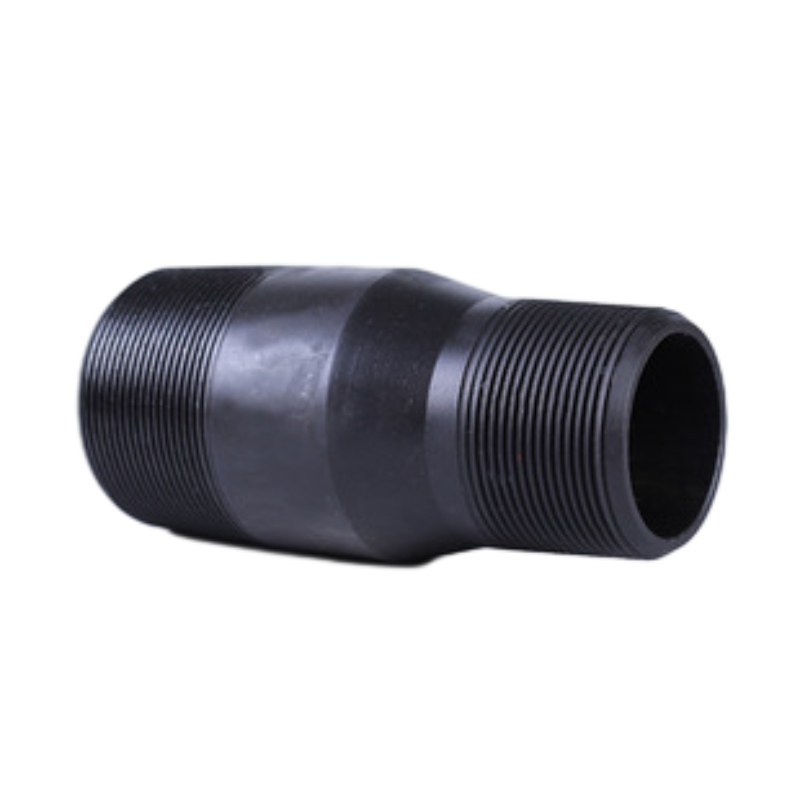
Simply put, a bull plug is a solid, heavy-duty pipe fitting designed to cap the end of a pipeline or vessel temporarily or permanently. Think of it as a “stopper” that can be threaded or welded onto pipe ends to prevent leakage. They’re made from materials like carbon steel, stainless steel, or alloy steels, chosen for strength and corrosion resistance.
In practical terms, bull plugs are crucial during construction, maintenance shutdowns, or when pipelines aren’t in service. By sealing off pipe sections securely, they ensure safety for workers and the environment.
Key Aspects of Bull Plug Oil and Gas
1. Durability
Bull plugs face extreme pressures—up to thousands of PSI—and varying temperatures. Durable materials and precise manufacturing tolerance help maintain a secure seal. ASTM A105 carbon steel is a common choice for moderate conditions, while more aggressive environments require stainless or alloy steels.
2. Pressure Rating
Each bull plug is rated for maximum allowable working pressure (MAWP) which must align with the pipeline’s specs. Using an underrated plug can lead to catastrophic leaks.
3. Compatibility
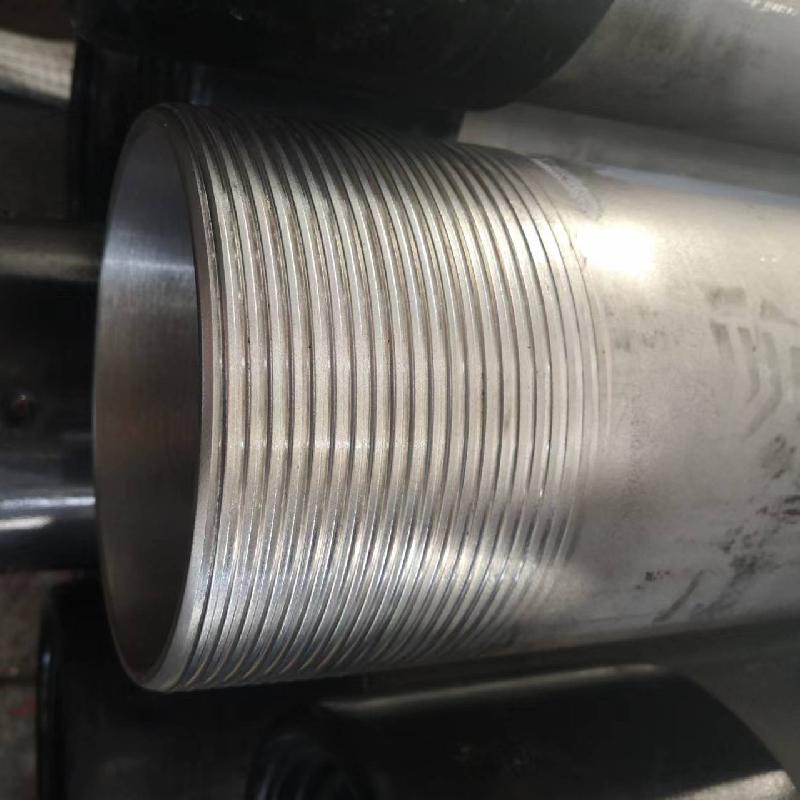
Threads and connection types matter. Bull plugs with National Pipe Thread (NPT), butt-weld, or socket-weld connections are selected based on pipeline design. Poor compatibility risks leaks and operational downtime.
4. Corrosion Resistance
Especially for offshore and sour gas operations, corrosion resistance is vital. Many modern bull plugs incorporate coatings or use stainless steel alloys to combat rust and chemical degradation.
5. Installation Flexibility
Some bull plugs are designed for quick screw-in installation, while others require welding. The choice depends on usage scenarios—temporary caps versus permanent seals.
| Parameter | Description |
|---|---|
| Material | Carbon Steel (A105), Stainless Steel (316L), Alloy Steel (Inconel) |
| Sizes | 1/2" to 48" nominal pipe size |
| Pressure Rating | Class 150 to Class 2500 (ASME B16.5 standards) |
| Connection Types | Threaded (NPT), Welded (Butt, Socket) |
| Coatings | Epoxy, galvanizing, and anti-corrosion paints |
Global Applications and Use Cases
- Pipeline construction: Bull plugs are key during testing and commissioning phases, temporarily closing pipes.
- Maintenance shutdowns: Operators cap pipe ends to isolate sections for repair or inspection.
- Emergency sealing: In cases of ruptures or leaks, bull plugs provide rapid containment solutions.
- Offshore drilling: Special corrosion-resistant plugs handle saltwater exposure.
Regions like the Middle East, Russia, and North America depend heavily on reliable bull plugs due to their vast pipeline networks. Organizations from major oil companies to pipeline contractors often specify premium bull plugs to minimize risks.
For example, in Arctic offshore rigs, where freezing temperatures can cause brittleness, operators select stainless steel plugs with special coatings to ensure longevity and safety.
Mini takeaway: Bull plugs perform quietly but indispensably across the global oil and gas infrastructure, adapting to diverse environmental and operational challenges.
Advantages and Long-Term Value
It boils down to reliability and safety. Using a high-quality bull plug reduces leaks, protects workers, and helps preserve fragile ecosystems near drilling sites. Over time, the costs saved from avoided accidents and downtime easily justify the investment in robust components.
Emotionally, operators gain peace of mind knowing that even small parts like plugs help maintain dignity and safety in demanding workplaces. Logically, better materials and precise engineering translate into years of trouble-free service.
Future Trends & Innovations
Interestingly, the drive to sustainability is pushing the bull plug market toward greener, more durable alloys and coatings. There is growing interest in smart bull plugs equipped with embedded sensors for real-time pressure and leak detection — quite futuristic but promising. Automation in installation using robotic welding or screwing tools promises faster and safer setups, especially offshore.
Policies aiming to curb methane leaks are also prompting innovations in sealing technology — tighter and more resilient bull plugs are becoming a necessity in the low-emissions era.
Challenges & Solutions
The main challenge is ensuring bull plugs hold up over decades in aggressive conditions without failure. Corrosion, thread wear, and mechanical impacts can degrade performance.
Experts advocate careful material selection, routine inspection schedules, and using advanced coatings to extend life. Some operators are trialing composite materials that mimic steel strength but resist corrosion better.
| Vendor | Material Options | Price Range | Lead Time | Certification |
|---|---|---|---|---|
| EnergySeal Inc. | Carbon, Stainless, Alloy Steel | $$$ | 3-4 weeks | ISO 9001, API 6A |
| ShellSeal Technologies | Stainless Steel, Composite | $$$$ | 4-6 weeks | API 6D, NACE MR0175 |
| PipeGuard Supplies | Carbon Steel, Coated Options | $ | 2-3 weeks | ISO 9001 |
FAQ: Frequently Asked Questions About Bull Plug Oil and Gas
Q1: What materials are best for bull plugs in corrosive environments?
Stainless steel 316L and specialized alloys like Inconel are preferred in corrosive conditions because they resist rust and chemical attack better than carbon steel. Coatings also add extra protection.
Q2: Can bull plugs be reused?
Generally, if a bull plug is undamaged and free from corrosion, it can be cleaned and reused. However, repeated threading or welding can degrade integrity, so inspection is critical before reuse.
Q3: How do I choose between threaded or welded bull plugs?
Threaded plugs allow faster installation and removal, ideal for temporary sealing. Welded plugs offer a permanent seal but require welding tools and safety procedures. The decision depends on operational needs.
Q4: Are bull plugs standardized internationally?
Yes, most bull plugs conform to standards like ASME B16.5 for dimensions and pressure ratings. Certifications like ISO 9001 ensure quality management during manufacturing.
Conclusion
Bull plugs might seem like minor components, but they are linchpins in oil and gas infrastructure safety and efficiency. From preventing leaks to enabling maintenance, they mitigate risks and support sustainable operations worldwide. Given the challenges of climate change and evolving regulations, investing in advanced, quality bull plugs is wise for any serious operator.
Interested in learning more or sourcing reliable bull plugs for your projects? Visit bull plug oil and gas today to explore options tailored to your needs.
Reflecting on this, it’s odd how such a small, straightforward device carries enormous responsibility under the glare of global energy demands and safety standards.
References
-
The Ultimate Industrial Guide to using مفصل الجرو Swivel JointsNewsApr.16,2026
-
Comprehensive Guide to api الجرو المشترك in Industrial ApplicationsNewsApr.09,2026
-
Comprehensive Guide to Puppy Joint Health with غلاف مفصل الجرو SupplementsNewsApr.07,2026
-
Optimizing Oilfield Performance with تمرير المفاصل الجرو and WJ Petroleum ExpertiseNewsApr.04,2026
-
Understanding Puppy Mills ¿qué es un porro de cachorros? Responsible Breeding PracticesNewsMar.31,2026
-
Comprehensive Guide to Perforated Puppy Joints and Long Term Canine HealthNewsMar.28,2026