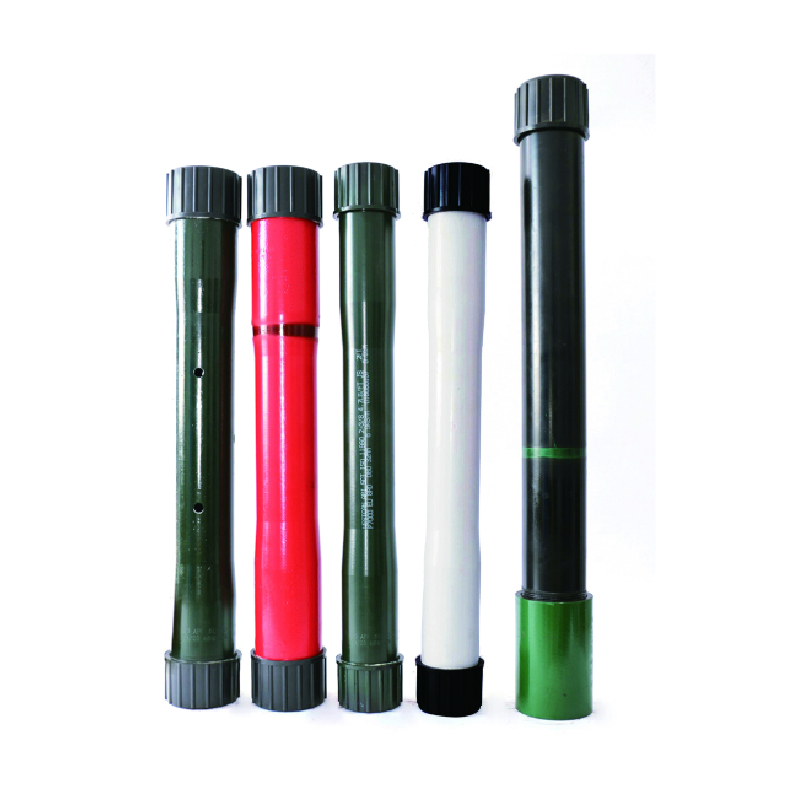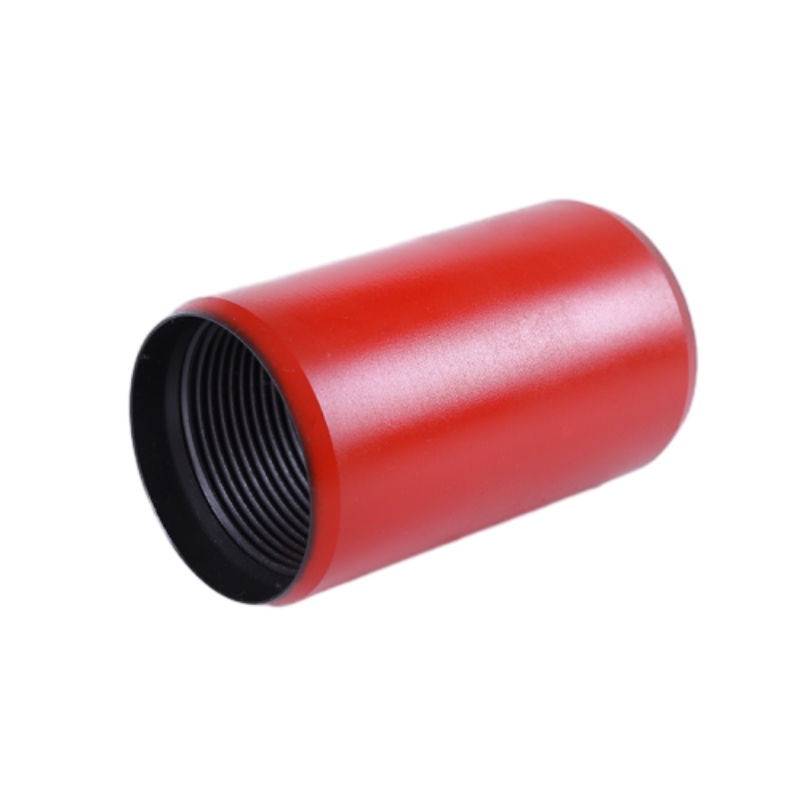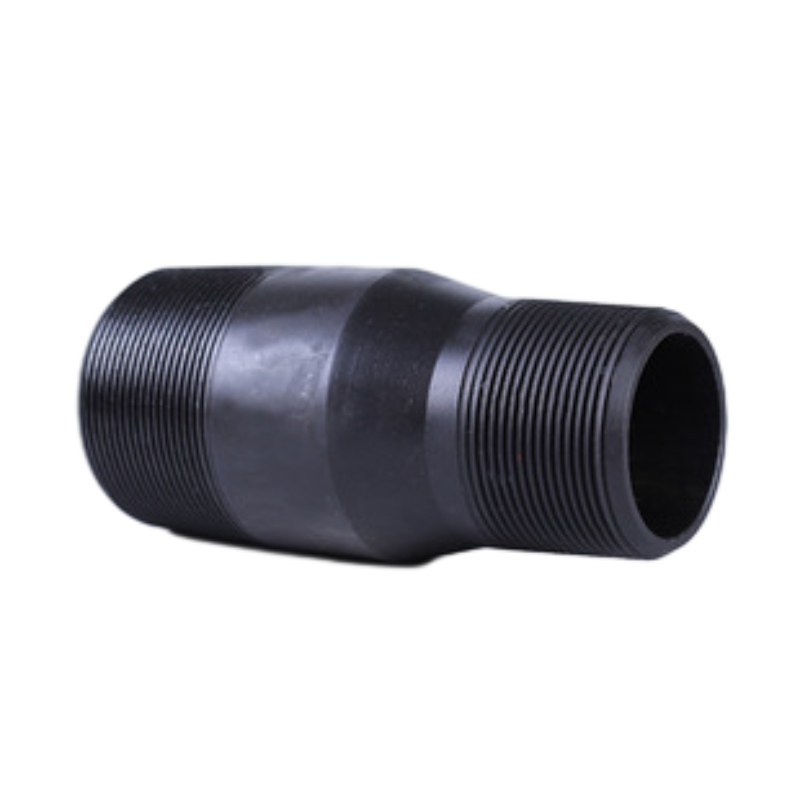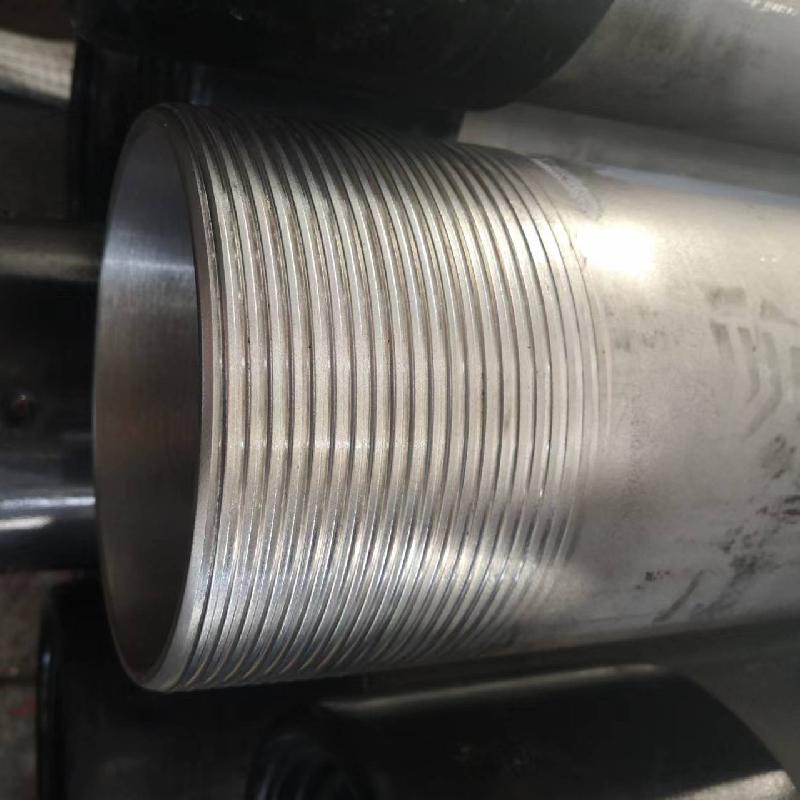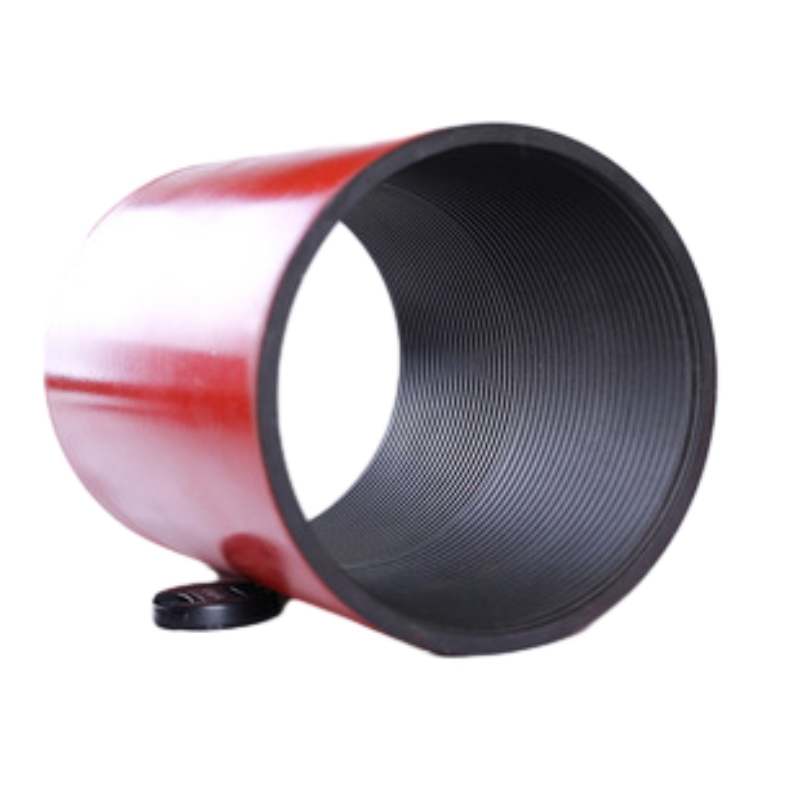


Hex Bull Plug: Essential Industrial Pipe Fitting Explained & Compared
Understanding the Hex Bull Plug: A Small Component with a Global Impact
When it comes to industrial plumbing and piping, the hex bull plug is one of those unsung heroes—simple, yet absolutely vital. At first glance, it might look like just another fitting, but its role in sealing and capping pipe ends across various sectors is immense. Globally, industries like oil and gas, chemical processing, and water management rely on components like the hex bull plug to maintain safe, efficient, and cost-effective systems. Frankly, understanding what this little hardware is, how it works, and where it’s applied can save businesses and engineers a lot of headaches. Plus, it ties into larger themes of sustainability, safety, and infrastructure reliability worldwide.
Global Context: Why Hex Bull Plugs Matter
The demand for reliable piping systems is soaring, especially as infrastructure grows in emerging markets and industries seek more efficient processes. According to the International Organization for Standardization (ISO), piping components—including plugs and fittings—must meet high-quality standards to avoid costly leaks or downtime. Oddly enough, problems caused by poor pipe sealing can lead to environmental hazards, economic losses, and jeopardize worker safety. So, the humble hex bull plug plays a key role beyond just a mechanical seal; it’s a guardian of environmental and operational integrity.
Globally, the market for these fittings is expanding. World Bank data points toward increased infrastructure investments in Asia and Africa where industries are rapidly scaling up. This grows the need for dependable components that fit well into complex systems—enter the trusty hex bull plug.
What is a Hex Bull Plug?
In simple terms, a hex bull plug is a pipe fitting designed to close off the end of a pipe or valve. Its “hex” refers to the six-sided shape that allows for easy wrench tightening, and “bull plug” distinguishes it from other types of plugs by its durability and thickness—making it suitable for high-pressure applications.
Think of it like a robust stopper that ensures fluids or gases stay safely contained. Beyond industrial uses, these plugs also tie into humanitarian needs—like clean water delivery systems or emergency repair kits in disaster zones—where dependable sealing means the difference in maintaining service and preventing contamination.
Key Features of Hex Bull Plugs
1. Durability
Most hex bull plugs are forged from materials such as carbon steel, stainless steel, or alloy steel. This means they can withstand high pressure, extreme temperatures, and corrosive environments. For example, the oil and gas sector often requires plugs that resist harsh chemicals and fluctuating climate conditions.
2. Ease of Installation
The hexagonal design is not just aesthetic; it facilitates turning with standard wrenches, reducing installation time and improving safety. This is important for maintenance crews working in tight or hazardous conditions.
3. Versatility
They come in various sizes — from tiny diameters for instrumentation tubing to large, threaded plugs for industrial pipelines. Some are threaded, others are welded, depending on the use case.
4. Cost Efficiency
Because a single well-made bull plug can last for years without leaking or degrading, replacement and downtime costs are slashed. This reliability is especially valuable in remote or high-risk operations.
5. Compliance and Standards
Reputable manufacturers often ensure their plugs meet ASTM, ANSI, or ISO standards, which provides confidence in quality and safety, reinforcing trust across industrial sectors.
Tech Specs Snapshot
| Specification | Detail |
|---|---|
| Material | Carbon Steel, Stainless Steel, Alloy Steel |
| Thread Type | NPT, BSPT, ISO Threads |
| Pressure Rating | Up to 6000 PSI (varies by material) |
| Temperature Range | -46°C to 400°C |
| Sizes | 1/8 inch to 6 inches and above |
Mini takeaway: The hex bull plug is not your everyday fitting; its design and material choices enable longevity and safety across various demanding environments.
Global Applications & Use Cases
- Oil & Gas: Used extensively to seal pipeline ends during installation and maintenance, helping prevent leaks of hazardous substances.
- Chemical Plants: Protect pipes carrying corrosive or volatile materials, ensuring process integrity.
- Water & Wastewater Management: Cap unused lines in municipal systems—critical in keeping water clean and infrastructure functioning.
- Disaster Relief: In post-disaster recovery, portable systems often need reliable caps for water supply lines.
- Remote Industrial Zones: Sites lacking easy access depend on low-maintenance parts like hex bull plugs to minimize downtime.
To give you a real-world example, an oil rig in the North Sea—a place famously unforgiving—uses high-grade hex bull plugs to ensure pipes are sealed amid massive pressure and salty sea air. Without these components, the risk of catastrophic failures would skyrocket.
Vendor Comparison: Top Hex Bull Plug Suppliers
| Vendor | Material Options | Pressure Rating | Lead Time | Certifications |
|---|---|---|---|---|
| Alpha Fittings | Carbon Steel, Stainless Steel | Up to 3000 PSI | 2-4 Weeks | ISO 9001, API Spec 6A |
| Beta Components | Alloy Steel, Stainless Steel | Up to 6000 PSI | 1-3 Weeks | ASTM A105, ISO 14001 |
| Gamma Supplies | Carbon Steel only | Up to 2000 PSI | 3-5 Weeks | None disclosed |
Advantages and Long-Term Value
Choosing the right hex bull plug isn’t just about sealing a pipe; it’s about investing in longevity, safety, and efficiency. These plugs help reduce leak risk, which translates to lower environmental impact and compliance with strict regulations. In practice, maintenance teams find they save time and money because fewer replacements are needed.
From an emotional standpoint, operators appreciate the trust factor—knowing systems are secure gives peace of mind, especially in critical sectors like energy and water.
Future Trends and Innovations
Manufacturers are now experimenting with new alloys and coatings to improve corrosion resistance and lifespan. Digital transformation is making its way into the industry too; for example, sensors integrated near plugs can monitor pressure or leaks in real time.
Green energy’s rise is prompting demand for hex bull plugs that perform flawlessly in renewable infrastructure like geothermal or biofuel pipelines. So, sustainability meets innovation here, showing how an old-fashioned component keeps evolving.
Challenges & Solutions
One challenge is occasional mismatches in thread standards, leading to installation troubles or leaks. Industry groups recommend strict adherence to international standards (like ISO 7-1 for pipe threads) as the best remedy. Another pitfall is counterfeit or subpar plugs entering the supply chain—a reminder to always source from certified vendors.
FAQ: Frequently Asked Questions About Hex Bull Plugs
- Q: What is the difference between a hex bull plug and a standard pipe plug?
A: A hex bull plug is thicker and stronger, designed for high-pressure and heavy-duty sealing, whereas a standard pipe plug is typically thinner and used for lower pressure applications. - Q: Can hex bull plugs be reused after removal?
A: It depends on the material and condition. While some can be reused if undamaged, it's usually safer to replace them to ensure reliable sealing. - Q: How do you determine the right size of hex bull plug?
A: Size corresponds to the nominal pipe size (NPS) it will seal. Measuring the pipe thread diameter and type is essential to ordering the correct plug. - Q: Are hex bull plugs suitable for outdoor pipelines exposed to weather?
A: Yes, especially those made from stainless or alloy steel with corrosion-resistant coatings can endure harsh outdoor environments.
Conclusion
So, while it might seem like a simple fitting, the hex bull plug packs quite a punch in the world of industrial piping. Beyond just closing off pipe ends, it represents a commitment to safety, durability, and operational excellence that many industries depend on. From large-scale oil rigs to emergency water supplies, these plugs quietly keep things running smooth and safe.
If you’re interested in sourcing high-quality hex bull plugs for your projects, feel free to visit hex bull plug to explore options and certifications. Investing in the right components today can save considerable resources tomorrow.
Mini final takeaway: Never underestimate the power of good hardware—it’s often the small things that keep the big picture working.
References:
1. ISO piping standards
2. Wikipedia: Piping
3. World Bank: Infrastructure Investment
-
The Ultimate Industrial Guide to using مفصل الجرو Swivel JointsNewsApr.16,2026
-
Comprehensive Guide to api الجرو المشترك in Industrial ApplicationsNewsApr.09,2026
-
Comprehensive Guide to Puppy Joint Health with غلاف مفصل الجرو SupplementsNewsApr.07,2026
-
Optimizing Oilfield Performance with تمرير المفاصل الجرو and WJ Petroleum ExpertiseNewsApr.04,2026
-
Understanding Puppy Mills ¿qué es un porro de cachorros? Responsible Breeding PracticesNewsMar.31,2026
-
Comprehensive Guide to Perforated Puppy Joints and Long Term Canine HealthNewsMar.28,2026