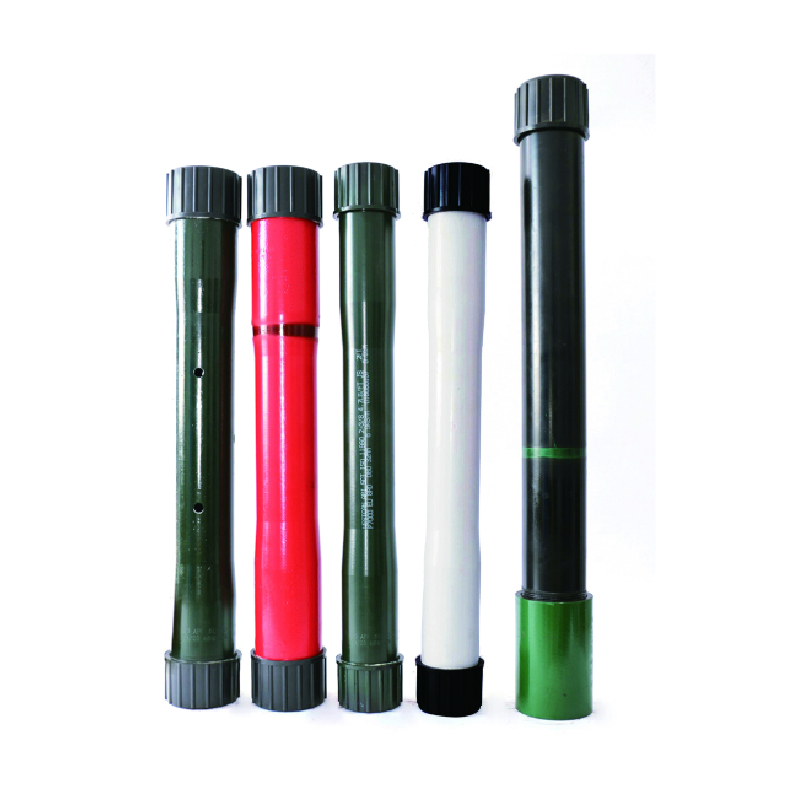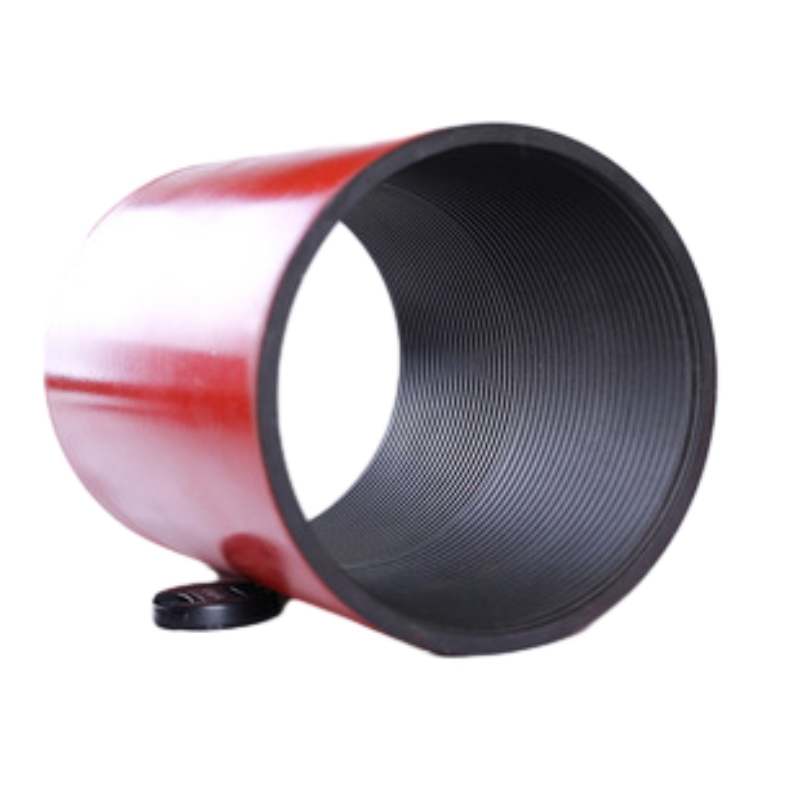


Threaded Bull Plug Guide - Materials, Specs & Vendor Comparison
Understanding the Threaded Bull Plug: A Veteran’s Take
Having spent over a decade in the industrial equipment sector, I can tell you that not all components grab as much quiet respect as the threaded bull plug. It’s one of those little unsung heroes you seldom notice until something goes wrong, frankly. If you’ve ever dealt with pressurized piping systems, you’ll know that a reliable seal at pipe ends is critical—and that’s exactly where the bull plug comes in.
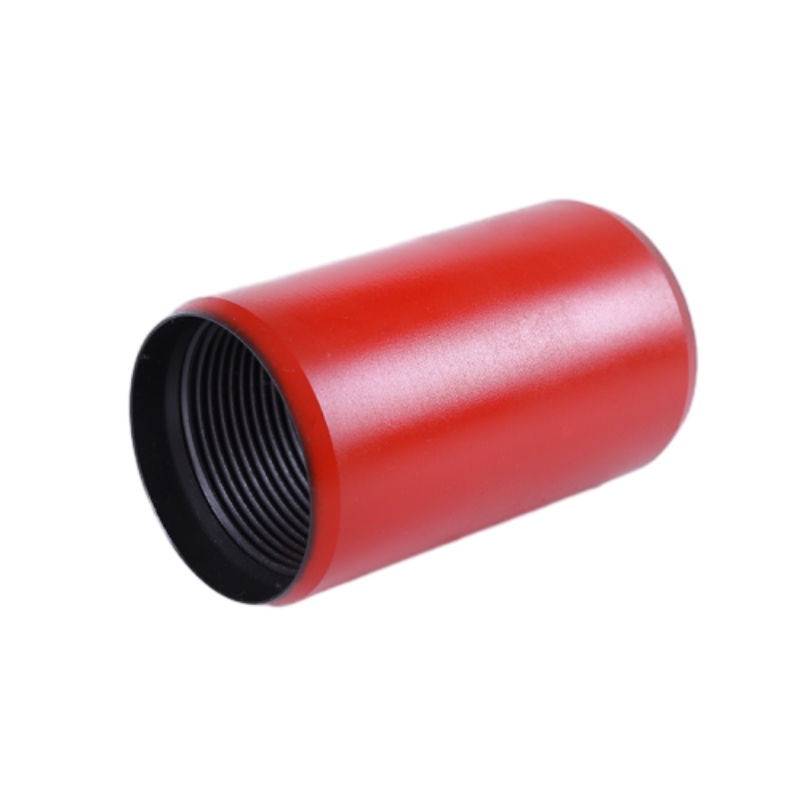
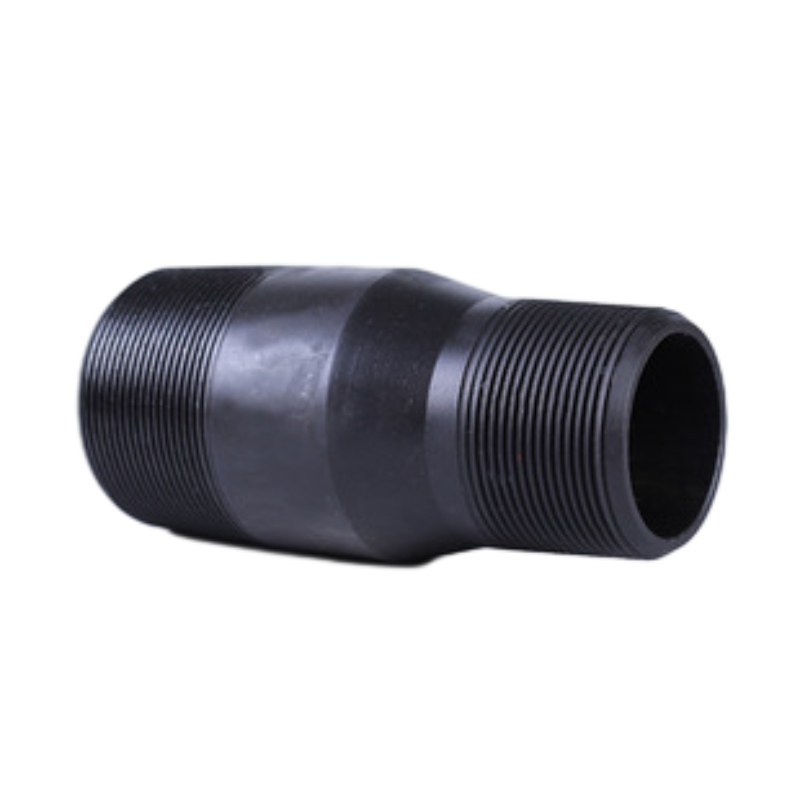
Threaded bull plugs, in simple terms, are basically end caps that screw into the open ends of pipes, valves, or fittings to block the flow and protect the system from contamination or mechanical damage. Oddly enough, despite being a small part, their design and material choices hugely impact system durability and maintenance schedules. Over the years, I’ve noticed that whether you’re working in oil and gas, chemical plants, or water treatment, picking the right bull plug can save you countless headaches.
Design & Material Insights
In real terms, the typical threaded bull plug is forged from carbon steel, stainless steel, or sometimes alloy metals depending on corrosive exposures and pressure requirements. Carbon steel is common for general petroleum applications, offering a good balance between cost and strength. When you need corrosion resistance, stainless steel—especially grades like 316—is preferred. I remember one project years ago, where swapping from carbon steel plugs to stainless steel ones extended maintenance intervals drastically, cutting downtime.
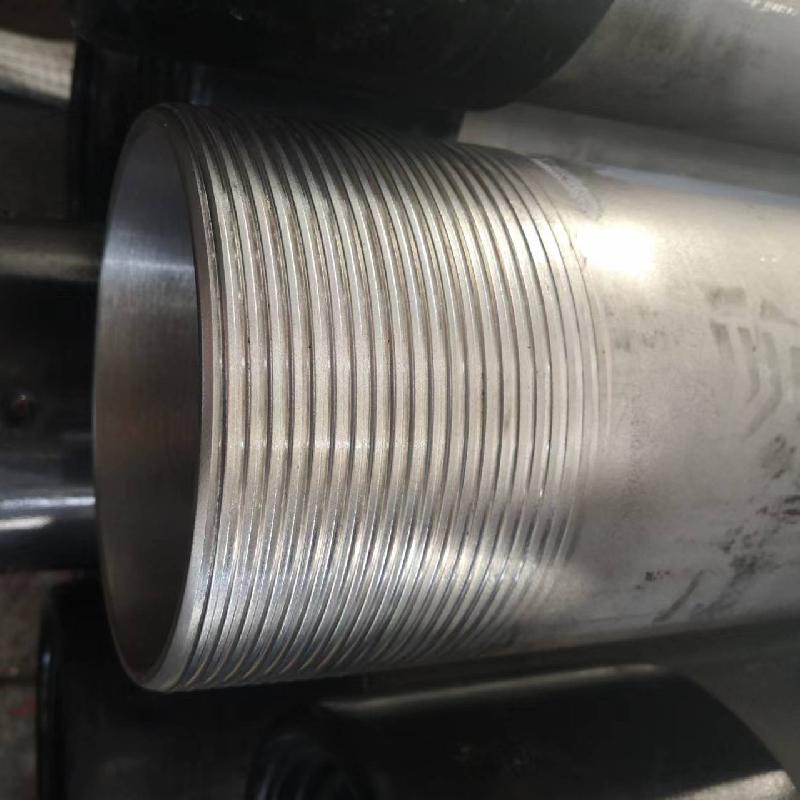
The threads themselves follow standard dimensions—NPT (National Pipe Thread) being the most prevalent in North America. A crucial detail that many overlook is thread quality. Poor threading can cause leaks which defeats the whole purpose of the bull plug. So, manufacturers invest heavily in precise machining. Some engineers I know even specify thread gauging as part of quality acceptance.
Application and Testing
These plugs get tested under various standards, such as API 6A for wellhead equipment or ASTM specifications for piping components—that's industry-speak for “you can trust these won’t blow or leak under rated pressures.” Personally, I find it reassuring when a vendor provides traceable test certificates. It’s something I insist on when ordering for critical industrial operations.
In practice, installation is straightforward but requires care. Apply the appropriate thread sealant or tape for pressure-tight sealing, and avoid overtightening; otherwise, you risk damaging the threads. I recall a time on a jobsite near the Gulf Coast where an installer over-tightened a bull plug, cracking it. Lesson learned: even simple parts need respect!
Product Specifications
| Specification | Typical Values |
|---|---|
| Material | Carbon Steel / Stainless Steel (316) / Alloy Steel |
| Thread Type | NPT (National Pipe Thread) |
| Nominal Size Range | 1/8" to 6" typical |
| Pressure Rating | Up to 6000 psi (depending on material & design) |
| Finish | Black Oxide / Zinc Plating / Polished |
Vendor Comparison
Choosing where to source your threaded bull plugs is equally important. You want dependable quality, certification, and timely delivery. Here’s a quick comparison of three vendors I’ve evaluated based on my years in the field:
| Vendor | Material Options | Certifications | Lead Time | Price Level |
|---|---|---|---|---|
| WJ Petroleum | Carbon, Stainless (316) | API, ASTM | 1–2 weeks | Competitive |
| Steel Components Inc. | Carbon steel mostly | ASTM only | 3–4 weeks | Low |
| Premium Alloys | Stainless, Alloy steels | API, ISO | 2 weeks | High |
In my experience, choosing a vendor like WJ Petroleum often strikes the right balance between cost, availability, and quality. You get robust products backed by solid certifications – which, I suppose, gives peace of mind when you’re running critical operations. And yes, having that technical support on call is something I've valued repeatedly.
Final Thoughts
So, used correctly, a threaded bull plug is a simple but indispensable piece of your industrial puzzle. Whether you’re sealing off line ends or protecting equipment during shutdowns, they do the job quietly yet effectively. Keep an eye on quality, materials, and installation practices — that’s what ultimately keeps your system leak-free and maintenance light.
And hey, if you’ve got any war stories or tips about these parts, I’m all ears. It feels like every use case has its own peculiar lesson to teach.
References:
1. API Spec 6A – Specification for Wellhead and Christmas Tree Equipment
2. ASTM A105 – Standard Specification for Carbon Steel Forgings
3. NPT Thread Standards Documentation
-
The Ultimate Industrial Guide to using مفصل الجرو Swivel JointsNewsApr.16,2026
-
Comprehensive Guide to api الجرو المشترك in Industrial ApplicationsNewsApr.09,2026
-
Comprehensive Guide to Puppy Joint Health with غلاف مفصل الجرو SupplementsNewsApr.07,2026
-
Optimizing Oilfield Performance with تمرير المفاصل الجرو and WJ Petroleum ExpertiseNewsApr.04,2026
-
Understanding Puppy Mills ¿qué es un porro de cachorros? Responsible Breeding PracticesNewsMar.31,2026
-
Comprehensive Guide to Perforated Puppy Joints and Long Term Canine HealthNewsMar.28,2026