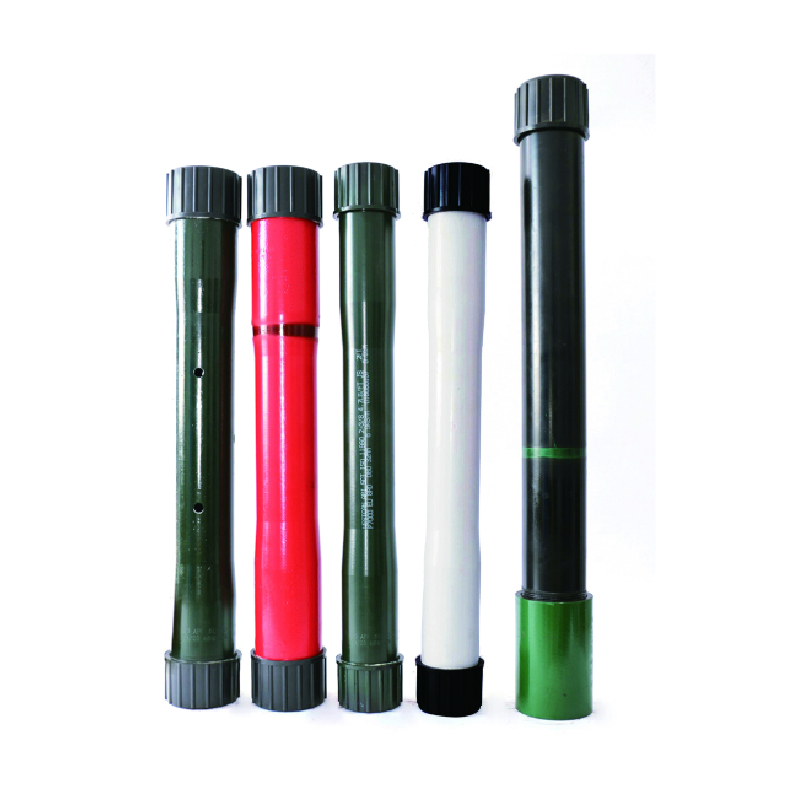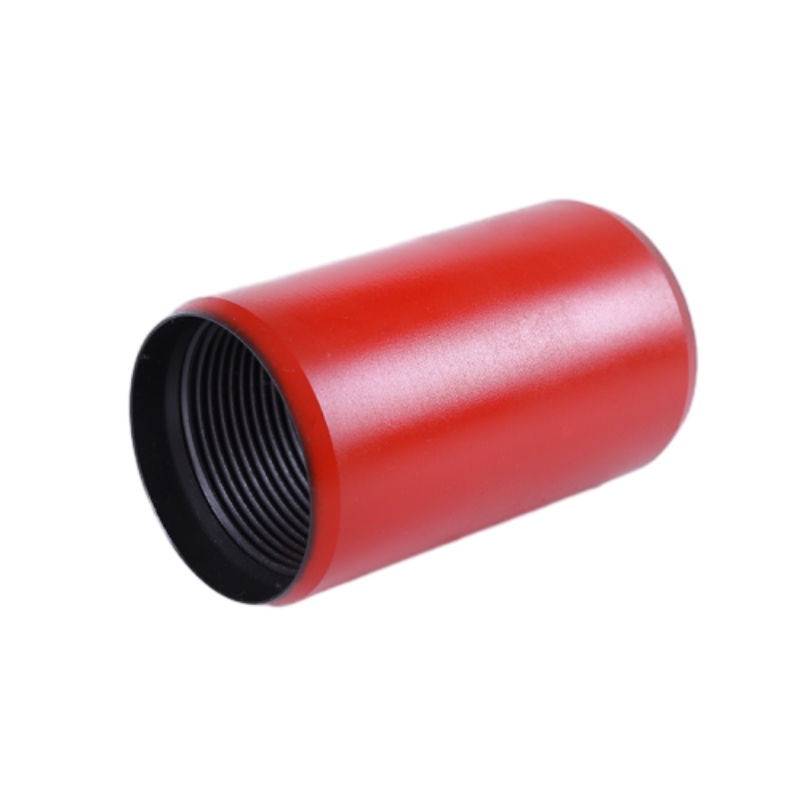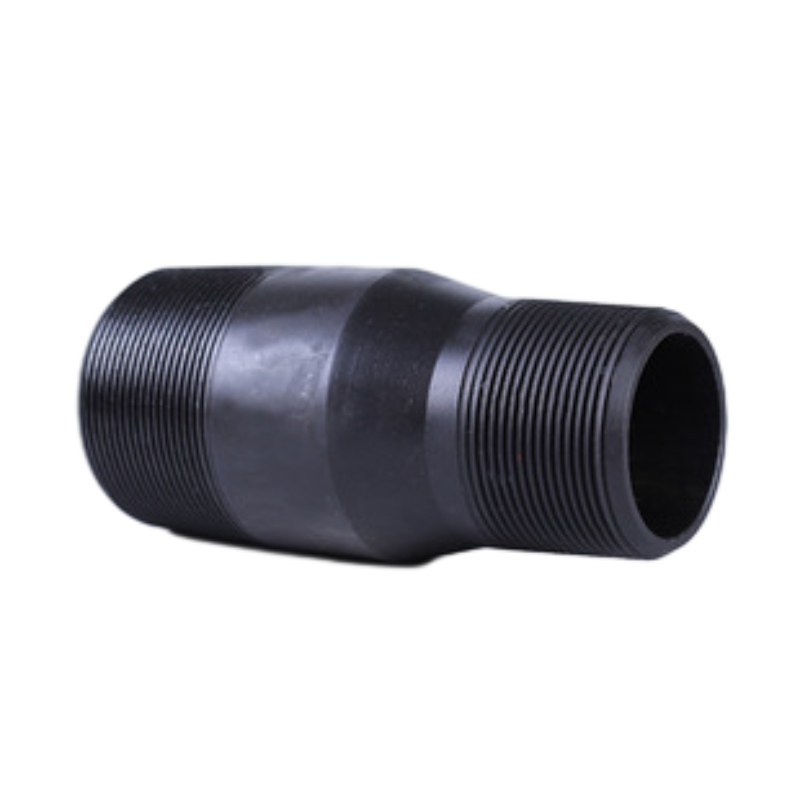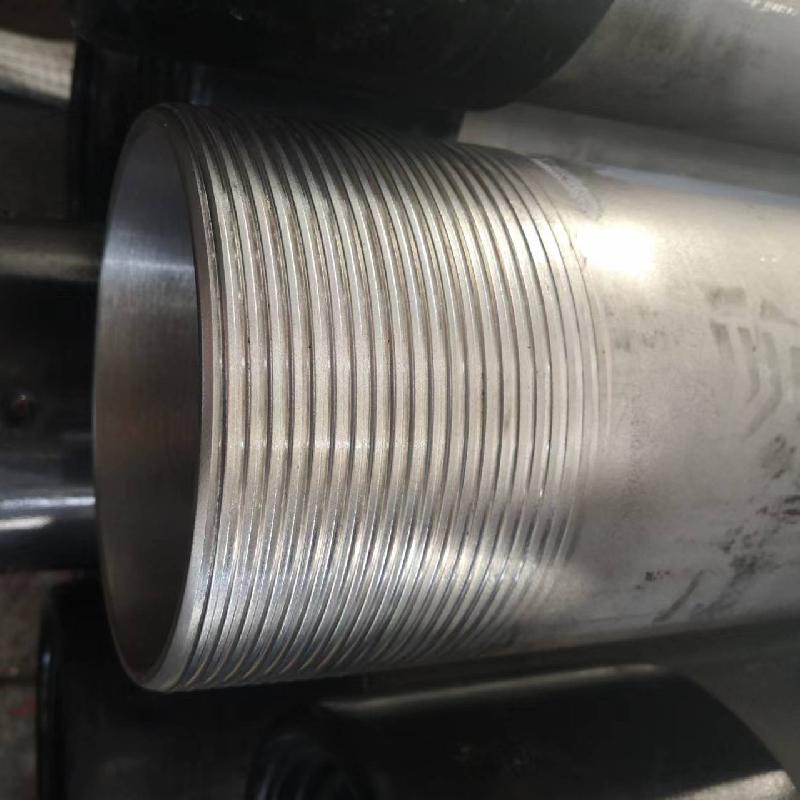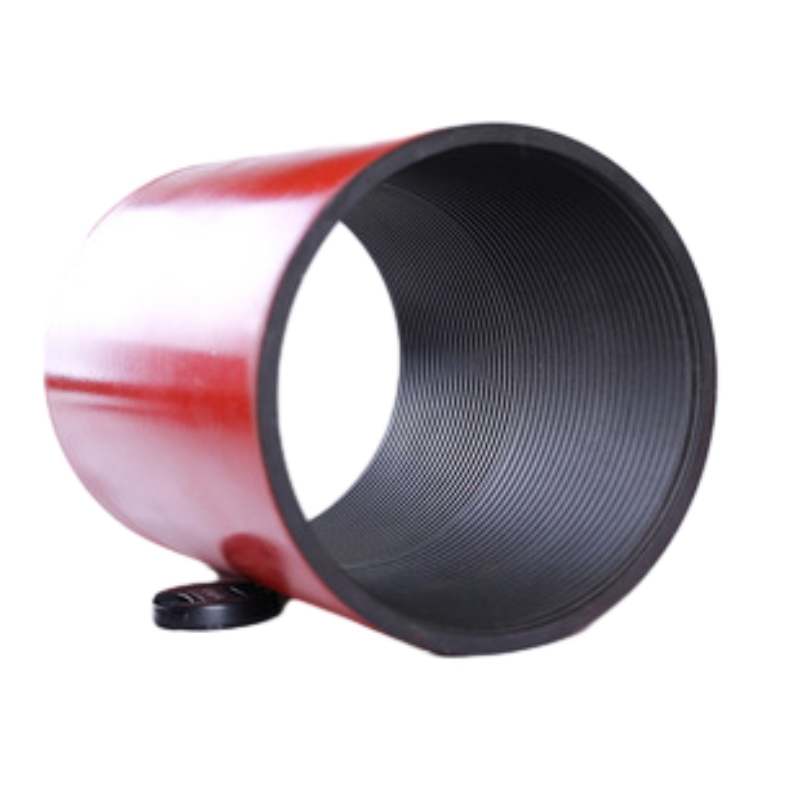


Reliable 1 Steel Coupling for Industrial Equipment | WJ Petroleum
Understanding the 1 Steel Coupling: A Staple in Industrial Connections
Having spent over a decade in the industrial equipment sector, I can tell you—steel couplings are somewhat like the unsung heroes of machinery. They quietly hold shafts together, withstand the harshest environments, and keep production lines humming along. The 1 steel coupling in particular has always caught my eye for its simplicity paired with rugged performance.
In real terms, a steel coupling is just a device that connects two shafts to transmit power. But don’t let that simplicity fool you. The design details matter a lot, especially when you’re talking about high-torque, high-vibration industrial setups—think oil rigs, heavy manufacturing, or even power plants.
From what I’ve seen, the modern 1 steel coupling often uses carbon or alloy steel, chosen for durability and resistance to fatigue. There’s something oddly reassuring about its mass, the weight that speaks of sheer strength. While stainless steel variants offer corrosion resistance, carbon steel remains the go-to for many applications because, frankly, it balances cost and performance pretty well.
Here’s a simple snapshot of typical specs you might expect from a 1 steel coupling:
| Specification | Details |
|---|---|
| Material | Carbon Steel (AISI 1045); Optional Alloy Steel |
| Outer Diameter | 60 mm - 200 mm (varies by size) |
| Torque Capacity | Up to 1500 Nm |
| Operating Temperature | -40°C to +150°C |
| Finish | Machined, black oxide coating or paint |
Now, if you’re wondering how the market stacks up across different vendors, I’ve done the rounds over the years. Oddly enough, despite many manufacturers offering “standard” steel couplings, there’s quite a bit of variation in quality and service. One customer I worked with once switched suppliers and swore it was like night and day — less downtime, cleaner fits, and fewer headaches all around.
| Vendor | Material Quality | Customization Options | Lead Time | Price Range |
|---|---|---|---|---|
| WJ Petroleum | High-grade carbon steel; ISO certified | Custom sizes & finishes available | 2-3 weeks (standard orders) | Mid-range |
| Industrial Couplings Co. | Standard carbon steel | Limited customization | 4-6 weeks | Budget |
| SteelLink Solutions | Alloy steel; higher corrosion resistance | Wide customization | 3-4 weeks | Premium |
One thing I’ve learned is the importance of rigorous testing before a coupling leaves the shop floor. Vendors like WJ Petroleum run fatigue and torsion tests to verify that their steel couplings can handle repeated loads without failing unexpectedly. I remember a project where runtime was critical — the coupling was our weak point until we switched to a thoroughly tested design. That change saved weeks of downtime.
Another side worth mentioning: because many setups differ, flexibility in customization can’t be overstated. Whether it’s adapting diameters, keyway shapes, or protective coatings, a good coupling supplier should listen and respond. Frankly, “one size fits all” doesn’t work well in such demanding environments.
So, if you’re in the market for a resilient 1 steel coupling, consider what lies beyond just the price tag. It’s durability, testing rigor, and supplier support that ultimately keep your operations smooth in the long run. In my experience, that’s where real value lives.
At the end of the day, whether it’s thousands of tons of machinery or just a small industrial setup, the coupling is the quiet partner in every success story. Choosing wisely is more than just business—it’s a bit like trust.
References:
- "Mechanical Power Transmission: Coupling Design and Use," Industrial Equipment Journal, 2019.
- WJ Petroleum Product Catalog and ISO Certification Documents, 2023.
- "Field Guide to Industrial Couplings," Machinery Maintenance Weekly, 2021.
-
The Ultimate Industrial Guide to using مفصل الجرو Swivel JointsNewsApr.16,2026
-
Comprehensive Guide to api الجرو المشترك in Industrial ApplicationsNewsApr.09,2026
-
Comprehensive Guide to Puppy Joint Health with غلاف مفصل الجرو SupplementsNewsApr.07,2026
-
Optimizing Oilfield Performance with تمرير المفاصل الجرو and WJ Petroleum ExpertiseNewsApr.04,2026
-
Understanding Puppy Mills ¿qué es un porro de cachorros? Responsible Breeding PracticesNewsMar.31,2026
-
Comprehensive Guide to Perforated Puppy Joints and Long Term Canine HealthNewsMar.28,2026