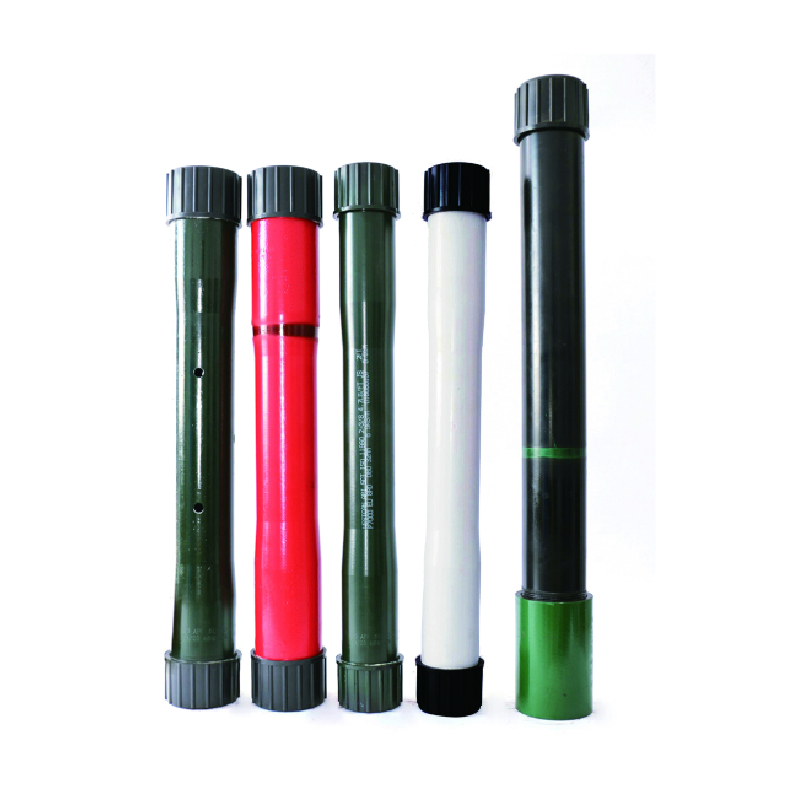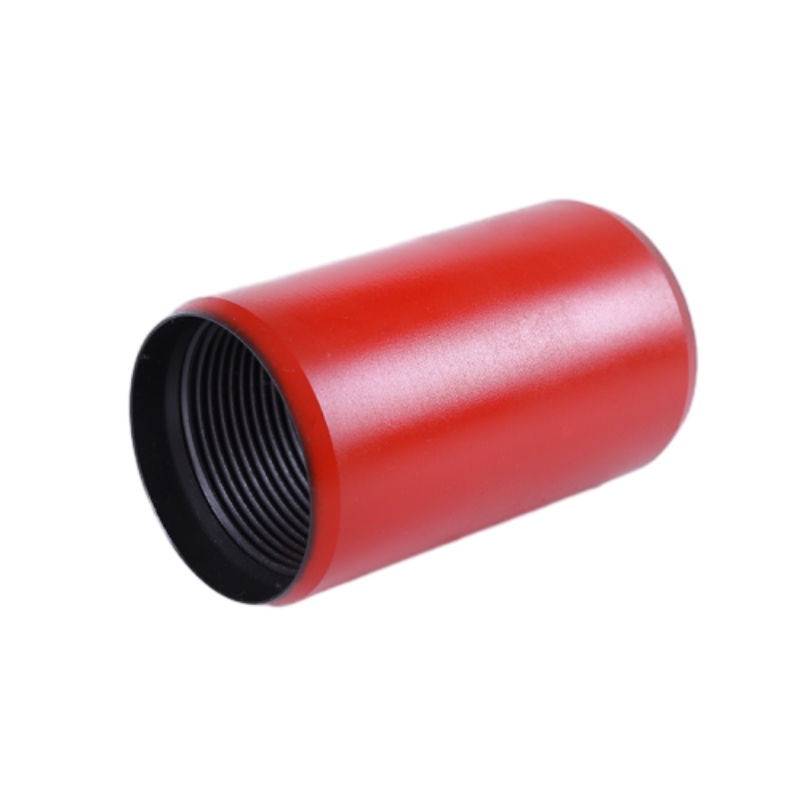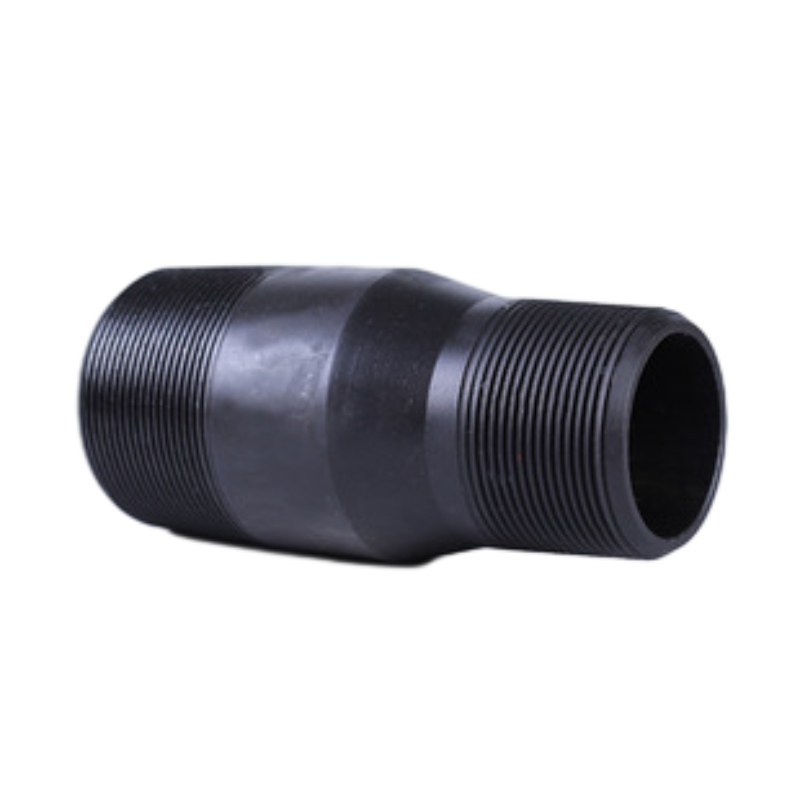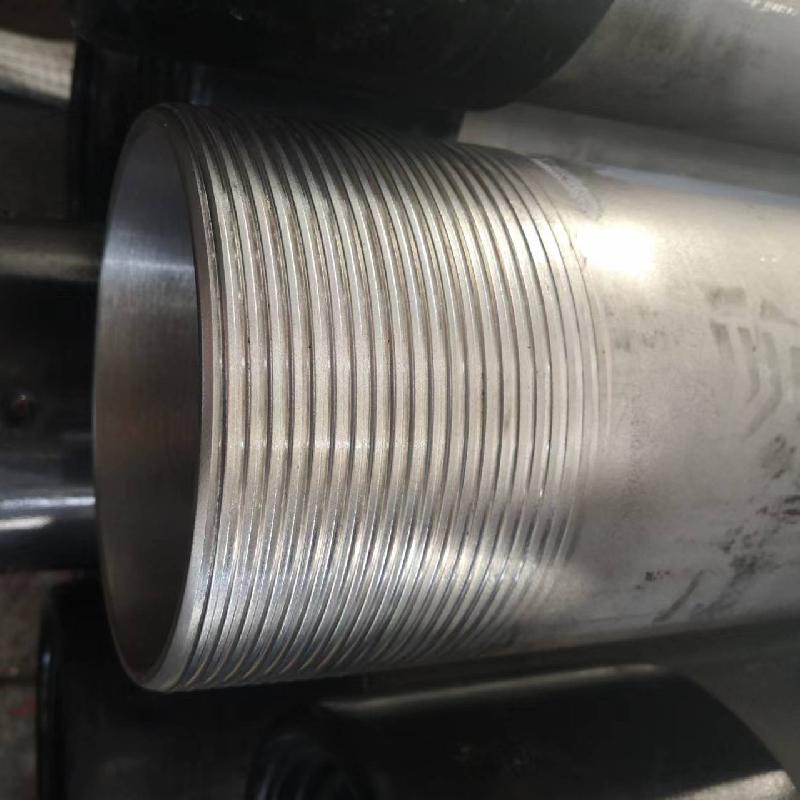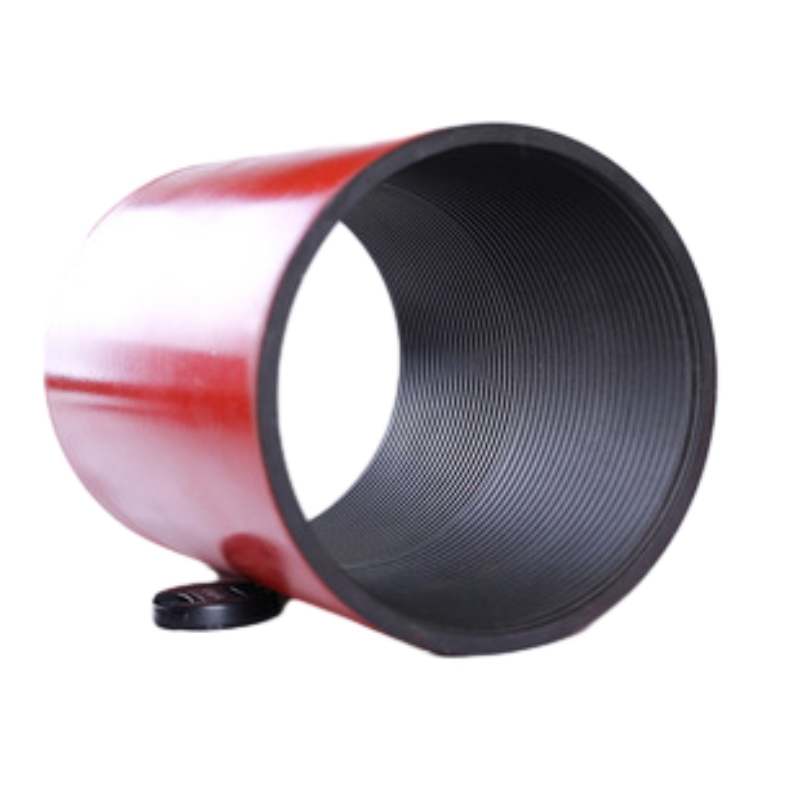


Comprehensive Guide to Boquilla de Asiento de la Bomba: Specs, Uses & Future Trends
Understanding the Boquilla de Asiento de la Bomba: Why It’s More Important Than You Think
If you’re not deeply immersed in industrial pumping systems, the term boquilla de asiento de la bomba might sound like jargon from a foreign film. Yet, this crucial component quietly underpins many of the world’s essential fluid-handling operations. From oil rigs in the Gulf of Mexico to water treatment plants in Europe and irrigation sites across Africa, the boquilla de asiento de la bomba plays an unassuming but vital role in ensuring reliability and safety.
Why should you care? Because understanding this element means appreciating the subtle engineering considerations that enable powerful pumps to work efficiently, avoid costly downtime, and contribute to sustainable resource management globally. It’s a small but pivotal puzzle piece in the big machinery of modern industry and humanitarian infrastructure.
The Boquilla de Asiento de la Bomba in the Global Industry Context
The global pumping systems market is projected to exceed $70 billion by 2025, driven largely by industries such as oil & gas, water treatment, and chemical manufacturing (UNIDO). Beneath these sprawling figures lies a tacit challenge—ensuring pumps maintain structural integrity under extreme pressures and corrosive environments. Enter the boquilla de asiento de la bomba: a nozzle seat or pump seat component that acts as a sealing, positioning, and stability element within pump assemblies.
As water scarcity intensifies (UN estimates predict nearly half the world could face shortages by 2025), and as oil fields move to more hostile environments, the demand for durable, efficient pumping components is rising exponentially. The boquilla doesn’t just support pumps mechanically—it supports resilient infrastructure globally.
Mini takeaway: This component plays a silent but essential role in tackling worldwide resource challenges by enabling reliable pump operation.
What is a Boquilla de Asiento de la Bomba?
Simply put, a boquilla de asiento de la bomba is the "nozzle seat" or "pump seat"—a part usually made of corrosion-resistant metals or advanced polymers that fits inside the pump housing, providing a surface against which sealing elements or valves rest. It ensures tightness, minimizes leakage, and sustains the mechanical alignment of pump internals.
Think about it as the seatbelt of a pump: hardly noticed, but utterly essential to keep everything in place and running smoothly. It’s particularly critical in centrifugal and reciprocating pumps used worldwide for moving fluids efficiently, often in challenging environments requiring precision engineering.
In the humanitarian sphere, where reliable water delivery systems are life-saving, such components bridge the technical and the practical: they make modern solutions viable in remote or resource-scarce regions.
Key Factors That Define the Effectiveness of Boquillas de Asiento
Durability and Material Quality
A boquilla’s lifespan hinges on materials—from stainless steel grades to composites resistant to chemical abrasion or high temperatures. Engineers often opt for 316L stainless steel or tantalum coatings when corrosive liquids are involved, enhancing longevity and reducing maintenance frequency.
Precision in Design and Fit
The seat must fit precisely with the pump’s gasket or valve lining. Poor fitment leads to leaks or even catastrophic failures. Advances in CNC machining and 3D scanning have improved tolerances from millimeters to microns, which many pump technicians say feels like the difference between a rushing leak and quiet, steady operation.
Cost Efficiency and Maintainability
While high-grade boquillas may cost more upfront, they reduce downtime costs over the pump’s lifetime. Some designs integrate easily replaceable seats, minimizing full assembly disassembly—a boon for remote operations where downtime is expensive.
Compatibility and Customization
Given the diversity of pumps worldwide, versatility matters. Vendors offer tailored seats to fit various pump brands and sizes, sometimes with specialized coatings to withstand extreme pH levels or high salinity.
Environmental Resistance
Resistance to thermal cycling, pressure surges, and chemical attack can’t be overstated. Some water utilities dealing with saline or contaminated sources report doubling the lifespan of pump components after upgrading their boquillas.
Mini takeaway: The right boquilla is a fusion of material science, precision engineering, and user-focused design.
Global Applications: Where Are Boquillas de Asiento de la Bomba Making a Difference?
- Oil and Gas Fields: Especially in offshore installations, such as the North Sea or Gulf of Mexico, where pump seals must endure saltwater corrosion and high pressures daily.
- Water Treatment Plants: European and Asian plants rely on advanced pump seats to maintain clean water delivery while reducing leaks of potentially hazardous chemicals.
- Agricultural Irrigation in Sub-Saharan Africa: Pump seat quality can determine the reliability of water access for crops, with significant implications for food security.
- Disaster Relief Scenarios: After floods or earthquakes, temporary pumping setups depend on robust components for rapid deployment and sustained operation.
A recent case in Central America saw NGOs upgrading pumping equipment for rural water projects with more durable boquillas, extending system uptime remarkably and boosting community trust in water access infrastructure.
Advantages & Why It Matters Long-Term
On paper, a well-made boquilla cuts operational costs by minimizing leaks and maintenance. Emotionally, it safeguards lives by ensuring water and fuel delivery never falters. Smarter investments here ripple outwards toward sustainability, user dignity, and infrastructure resilience.
- Cost savings: Fewer repairs and replacements.
- Safety: Reduced risks of leaks prevent environmental damage.
- Longevity: Extends the life of complex pump systems.
- Trust and Reputation: Operators gain reliability, building stakeholder confidence.
Product Specifications for a Typical Boquilla de Asiento de la Bomba
| Specification | Value/Option |
|---|---|
| Material | 316L Stainless Steel, Tantalum-coated option available |
| Operating Temperature | -20°C to 200°C |
| Pressure Rating | Up to 160 bar |
| Corrosion Resistance | Excellent (suitable for seawater and chemical fluids) |
| Compatibility | Customizable for major pump brands |
| Maintenance | Modular replacement available, easy install |
Comparing Leading Suppliers of Boquillas de Asiento de la Bomba
| Vendor | Material Options | Custom Designs | Typical Lead Time | Price Range |
|---|---|---|---|---|
| PumpTech Solutions | 316L SS, Carbon Steel, Polymer | Yes, extensive | 4-6 weeks | $$ |
| AquaSeal Components | Stainless Steel, Tantalum-coated | Limited | 6-8 weeks | $$$ |
| Global Pump Parts | Standard SS, Forged Steel | Some | 3-5 weeks | $ |
Future Trends and Innovations Shaping Boquillas de Asiento de la Bomba
Looking ahead, the push towards sustainability and smarter industrial practices is reshaping how these components are developed and deployed. For one, green energy-powered automation is prompting manufacturers to produce components with lighter but stronger alloys, cutting energy use during pumping operations.
Digital transformation adds sensors inside boquillas to monitor wear and predict failures before downtime hits—something that’s still a novelty but spreading quickly. Furthermore, research into biodegradable or recyclable polymers for pump seats is underway, promising reduced environmental footprints in post-use disposal.
One might say, the humble pump seat is finally getting its moment in the spotlight alongside smart tech and eco-innovations.
Challenges and Practical Solutions
Despite their importance, boquillas face common issues like wear due to abrasive fluids or sudden pressure spikes causing premature failure. Logistics challenges arise too; custom seats take time to produce and ship, which can stall emergency repairs.
Experts now recommend integrating predictive maintenance programs combined with sourcing multiple suppliers to mitigate lead-time risks. Innovations in 3D printing of metal parts also hold promise for fast, localized manufacturing.
Frequently Asked Questions About Boquilla de Asiento de la Bomba
- What materials are best suited for boquillas in corrosive environments?
- Materials like 316L stainless steel or tantalum coatings provide excellent corrosion resistance. Polymers with chemical resistance may also be used, depending on the fluid type and temperature.
- How often should boquillas be inspected or replaced?
- Inspection intervals depend on operating conditions, but many recommend inspections every 6-12 months. High-wear situations may require more frequent checks to avoid failures.
- Can a boquilla de asiento de la bomba be customized for unique pump designs?
- Absolutely. Many vendors offer custom machining and design services to ensure compatibility with proprietary pump models and specialized applications.
- Is installation generally complex?
- While installation varies by pump type, modular designs often allow for relatively quick replacement without full system disassembly, reducing downtime significantly.
- Where can I source reliable boquillas for industrial use?
- Leading suppliers vary regionally, but companies like PumpTech Solutions and AquaSeal Components are globally recognized. It helps to work with vendors experienced in your specific industry.
Final Thoughts & Next Steps
It’s funny how something as seemingly minor as a boquilla de asiento de la bomba can hold the keys to operational efficiency, safety, and even community well-being across continents. Whether you’re troubleshooting a stubborn pump, spec’ing new infrastructure, or just curious about this niche, it pays to appreciate these components’ invisible yet indispensable role.
Ready to explore quality options and expert advice? Visit our website and dive deeper into premium pump components designed to keep your systems humming reliably.
References:
-
The Ultimate Industrial Guide to using مفصل الجرو Swivel JointsNewsApr.16,2026
-
Comprehensive Guide to api الجرو المشترك in Industrial ApplicationsNewsApr.09,2026
-
Comprehensive Guide to Puppy Joint Health with غلاف مفصل الجرو SupplementsNewsApr.07,2026
-
Optimizing Oilfield Performance with تمرير المفاصل الجرو and WJ Petroleum ExpertiseNewsApr.04,2026
-
Understanding Puppy Mills ¿qué es un porro de cachorros? Responsible Breeding PracticesNewsMar.31,2026
-
Comprehensive Guide to Perforated Puppy Joints and Long Term Canine HealthNewsMar.28,2026