

Comprehensive Guide to Drill Pipe Crossover – Industrial Insights & Applications
Understanding Drill Pipe Crossover: A Global Industrial Essential
Drill pipe crossover is a seemingly niche piece of oilfield hardware, but in reality, it plays a pivotal role in the global energy industry. It might not grab headlines like rigs or drilling platforms, yet its contribution is critical—allowing the smooth connection between different drill pipe components. Why does this matter? Well, in an era where efficient resource extraction can influence economies and communities worldwide, ensuring safe and efficient drill pipe connections is key to operational success and environmental safety.
Introduction: The Global Relevance of Drill Pipe Crossover
With the world increasingly reliant on oil and gas—accounting for roughly 31% of global energy consumption according to the International Energy Agency (IEA)—the demand on drilling infrastructure is immense. However, drilling environments are harsh and lean on equipment reliability. Drill pipe crossover connectors, which link different thread types or sizes of drill pipes, solve a practical challenge that might sound trivial but is actually crucial: preventing leaks, ensuring mechanical strength, and reducing downtime.
Considering the global footprint of drilling operations from the North Sea to West Africa and the Middle East, the consistent performance of drill pipe crossovers impacts safety, cost-efficiency, and ultimately, the supply chain for energy consumers. Oddly enough, despite technical progress, improper use or failure of these connectors remains a significant cause of operational delays.
What Exactly Is a Drill Pipe Crossover?
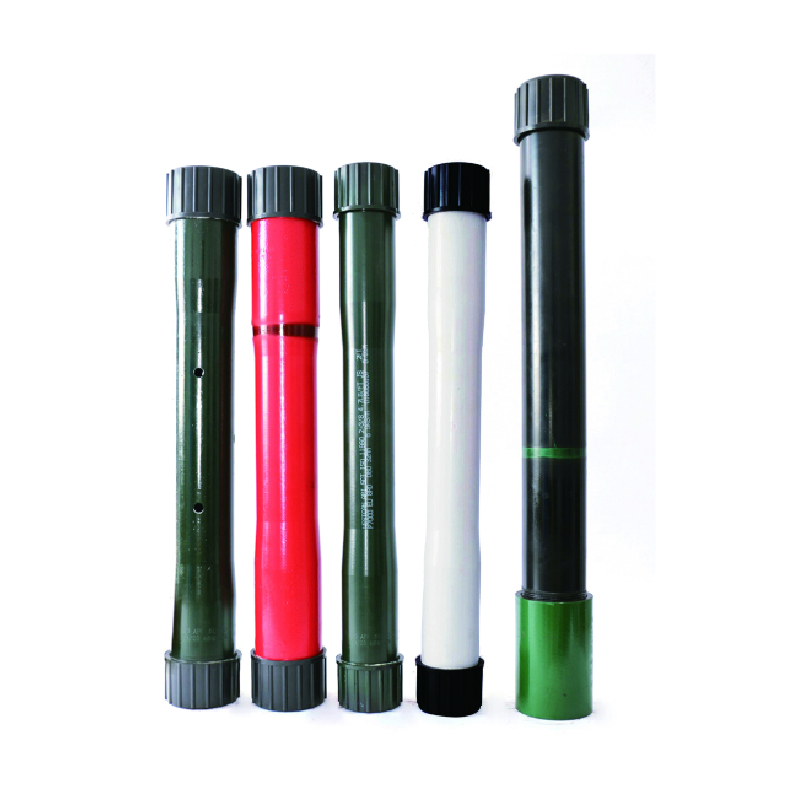
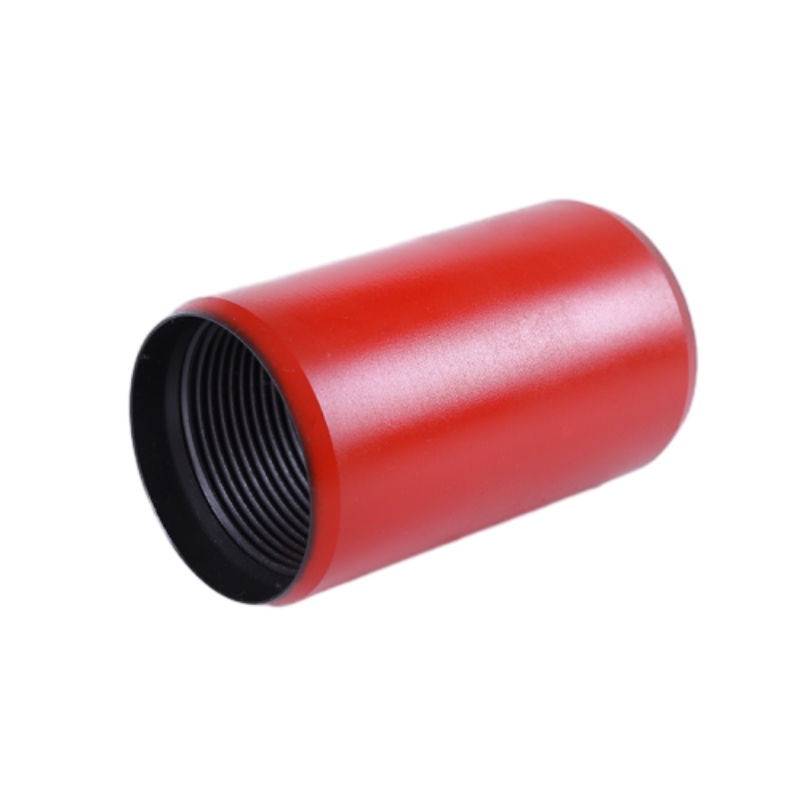
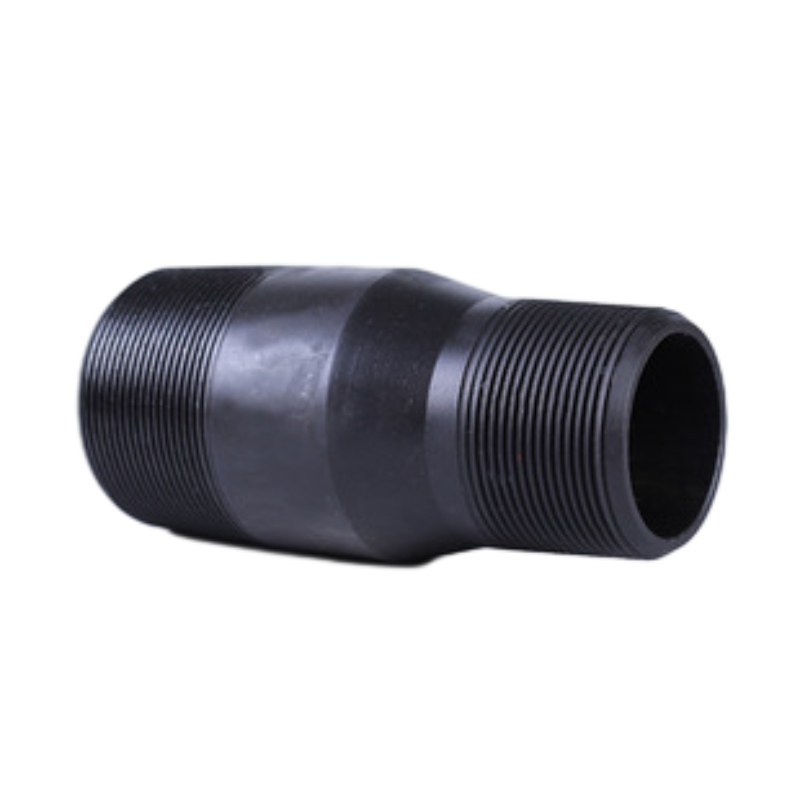
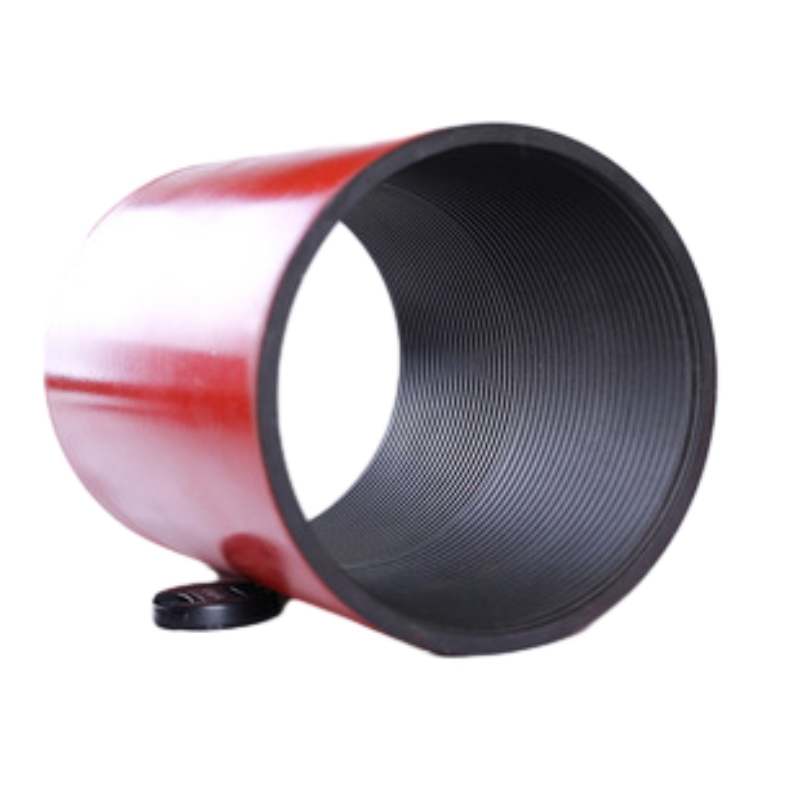
Simply put, a drill pipe crossover is a specialized coupling used to connect two drill pipes or tubular components that have different thread sizes or connections, like from an API standard to proprietary thread types. Think of it as an adaptor in plumbing but engineered for extreme pressures, torque, and harsh environmental conditions underground.
This small but mighty component ensures compatibility across diverse drill string assemblies and allows operators to mix and match pipes, enhancing operational flexibility. In humanitarian contexts—such as quick-deploy drilling kits used for water wells in disaster zones—drill pipe crossovers facilitate modularity and adaptability on-site.
Key Components & Factors of Drill Pipe Crossovers
1. Durability
Materials used in manufacturing drill pipe crossovers are typically high-strength alloys (like 4145H or chromium-molybdenum steel), chosen to withstand extreme mechanical stress, corrosion, and temperature fluctuations deep underground.
2. Thread Compatibility
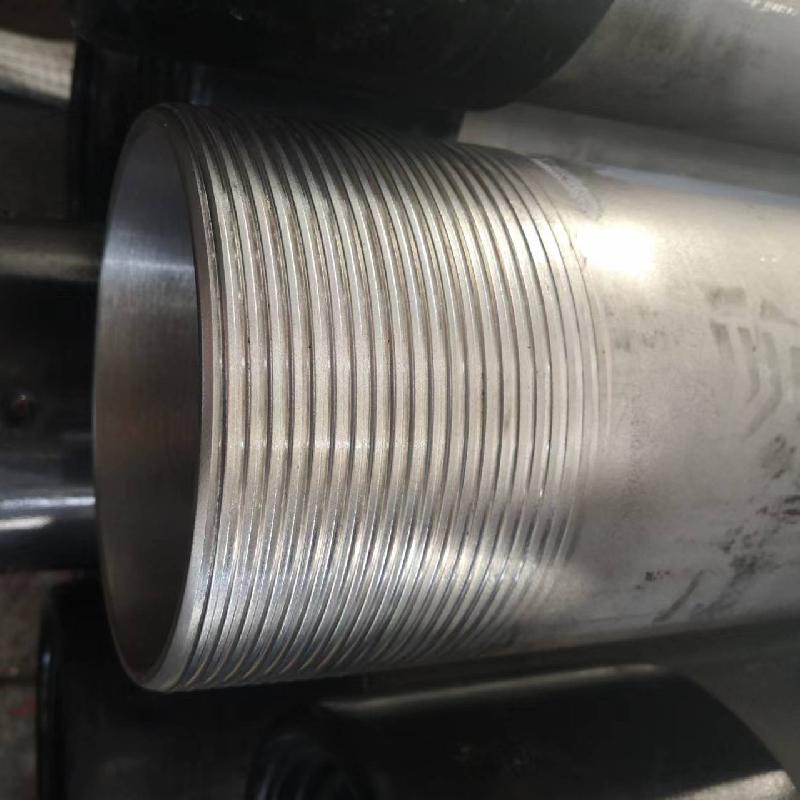
The core purpose is to bridge different thread forms—such as API Regular, API Buttress, or proprietary connections—and sizes like 2 3/8" to 2 7/8". Precise thread design reduces the risk of thread galling or failure, which are common pain points in drilling.
3. Pressure & Torque Ratings
Crossovers must match or exceed the maximum torque and pressure ratings of connected pipes to ensure structural integrity during drilling operations.
4. Cost Efficiency
Because drill pipe crossovers are consumables subject to wear, balancing material quality with price is vital for minimizing operational costs over a rig’s lifecycle.
5. Ease of Inspection and Maintenance
Regular nondestructive testing (NDT) and inspections add layers of safety. Crossovers designed for easy inspection often speed up maintenance and reduce downtime.
Product Specifications: Typical Drill Pipe Crossover
| Parameter | Specification |
|---|---|
| Material | 4145H Modified Steel |
| Thread Type | API Reg. Make Up to API Buttress |
| Outer Diameter | Varies (2 3/8" – 2 7/8") |
| Torque Rating | Up to 22,000 ft-lbs |
| Pressure Rating | Up to 15,000 psi |
| Weight | Typically 15–35 lbs |
Comparing Leading Manufacturers of Drill Pipe Crossovers
| Vendor | Material Quality | Product Range | Inspection Standards | Lead Time |
|---|---|---|---|---|
| Company A | High (4145H steel) | Standard & Custom Sizes | Ultrasonic + Visual | 4 weeks |
| Company B | Medium (Low alloy steel) | Limited Sizes | Visual Inspection Only | 2 weeks |
| Company C | Premium (Chromium-molybdenum) | Full Customization | Ultrasonic + Magnetic Particle | 6 weeks |
Global Applications & Use Cases
Drill pipe crossovers are ubiquitous yet unsung heroes in the drilling ecosystem. From the offshore rigs of the Gulf of Mexico to the complex shale plays in the Permian Basin, these components allow drill string assemblies to adapt to the diverse mechanical standards of pipes or tools from multiple vendors.
In emerging markets like Sub-Saharan Africa, where local operators often assemble rigs piecemeal from international suppliers, drill pipe crossover adaptability helps maintain operational continuity. In disaster relief operations focused on drilling for potable water, modular drill systems featuring reliable crossovers enable faster deployment and resource sharing. (drill pipe crossover)
Advantages & Long-Term Value
- Operational Flexibility: Enables use of diverse drill pipe inventories without costly replacement.
- Reduced Downtime: High-quality crossovers minimize connection failures that cause expensive rig shutdowns.
- Cost Savings: Investing in durable crossovers pays off by lowering repair and replacement frequency.
- Safety and Reliability: Properly matched crossovers reduce risk of blowouts or mechanical failures.
On the emotional front, drilling crews often speak about the peace of mind that reliable connections afford, knowing their safety relies on these small components behaving flawlessly under immense pressures. It’s trust in the unseen hardware that keeps big rigs running.
Future Trends & Innovations in Drill Pipe Crossovers
The industry is edging towards greater integration of digital monitoring into drill pipe components. Smart crossovers embedded with sensors to monitor torque, temperature, and structural fatigue in real time are under development. This could revolutionize maintenance schedules and safety protocols.
Additionally, greener, more corrosion-resistant alloys and coatings are emerging to extend service life, align with sustainability goals, and reduce environmental impacts related to frequent part replacements. Automation in manufacturing also promises tighter tolerances and faster delivery times.
Challenges & Solutions
Despite advances, drill pipe crossovers face challenges such as mismatched thread wear, limited supply of custom sizes, and variable inspection rigor across vendors. Short lead times are often a bottleneck on drilling projects with tight schedules.
The most effective solutions? Partnering with reputable manufacturers that offer comprehensive testing and certification, maintaining an inventory of versatile standard crossovers, and adopting digital systems for lifecycle management. Many operators find that early investment in these aspects yields smoother field operations.
FAQ: Frequently Asked Questions About Drill Pipe Crossover
- What is a drill pipe crossover used for?
- It connects drill pipes or tools with differing thread types or sizes, ensuring a secure and pressure-tight assembly in the drill string.
- How do I choose the right drill pipe crossover?
- Consider thread compatibility, pressure & torque ratings, material quality, and vendor reputation. Confirm the crossover matches your drill pipe specs precisely to avoid failure.
- Can drill pipe crossovers be customized?
- Yes, many manufacturers offer custom sizes and thread types to fit specialized drilling needs, although this may increase lead time and cost.
- How often should crossovers be inspected?
- Regular inspections using nondestructive testing methods like ultrasonic or magnetic particle inspection are advised before each rig deployment cycle to ensure integrity.
- Is it safe to mix drill pipe crossovers from different manufacturers?
- It’s generally best to use crossovers certified for compatibility to your pipes and tools. Incompatible combinations risk connection failure under load.
Conclusion
While drill pipe crossovers may seem like minor cogs in the rig’s complex machinery, their importance can’t be overstated. They allow the flexibility, safety, and operational efficiency that keep drilling rigs productive and safe worldwide. Investing in quality crossovers translates to long-term savings, fewer headaches, and better environmental control.
For more on drill pipe crossovers and how to source reliable parts, visit our website today.
Mini takeaway: Never underestimate the value of the connector you can’t see — the drill pipe crossover quietly upholding drilling operations globally.
References
-
The Ultimate Industrial Guide to using مفصل الجرو Swivel JointsNewsApr.16,2026
-
Comprehensive Guide to api الجرو المشترك in Industrial ApplicationsNewsApr.09,2026
-
Comprehensive Guide to Puppy Joint Health with غلاف مفصل الجرو SupplementsNewsApr.07,2026
-
Optimizing Oilfield Performance with تمرير المفاصل الجرو and WJ Petroleum ExpertiseNewsApr.04,2026
-
Understanding Puppy Mills ¿qué es un porro de cachorros? Responsible Breeding PracticesNewsMar.31,2026
-
Comprehensive Guide to Perforated Puppy Joints and Long Term Canine HealthNewsMar.28,2026