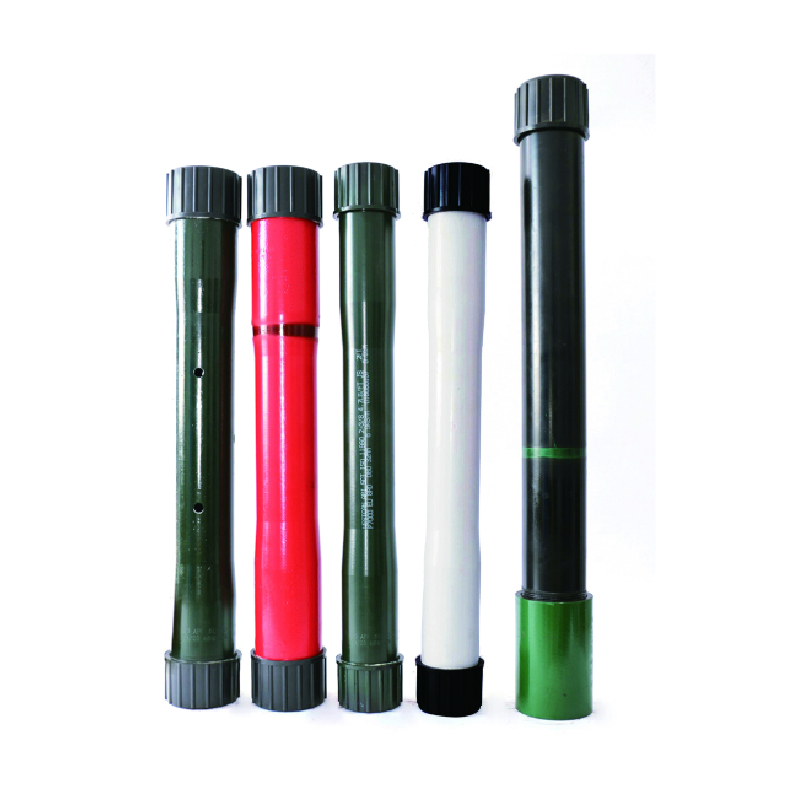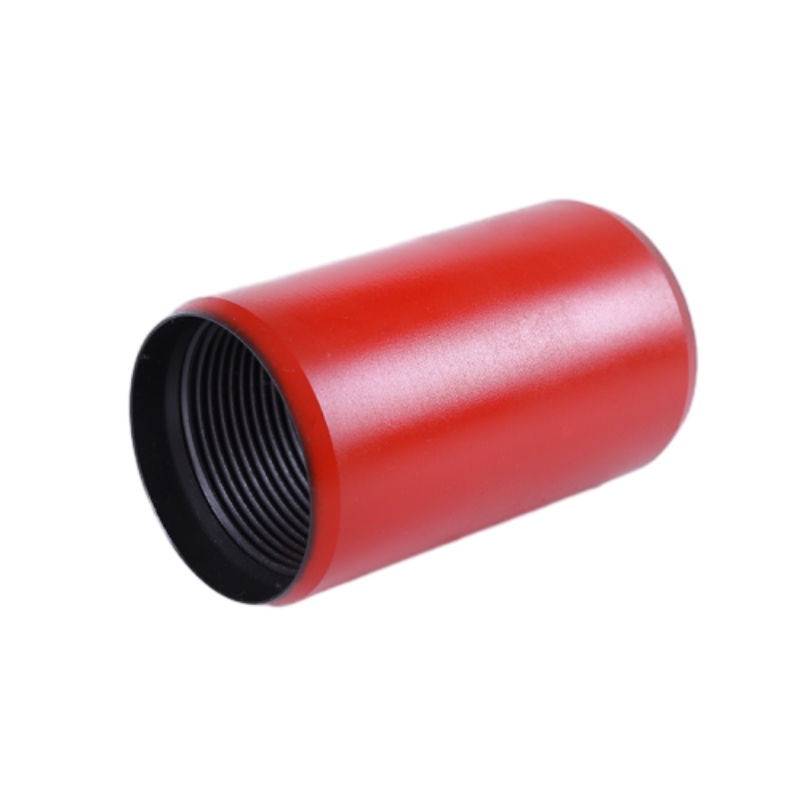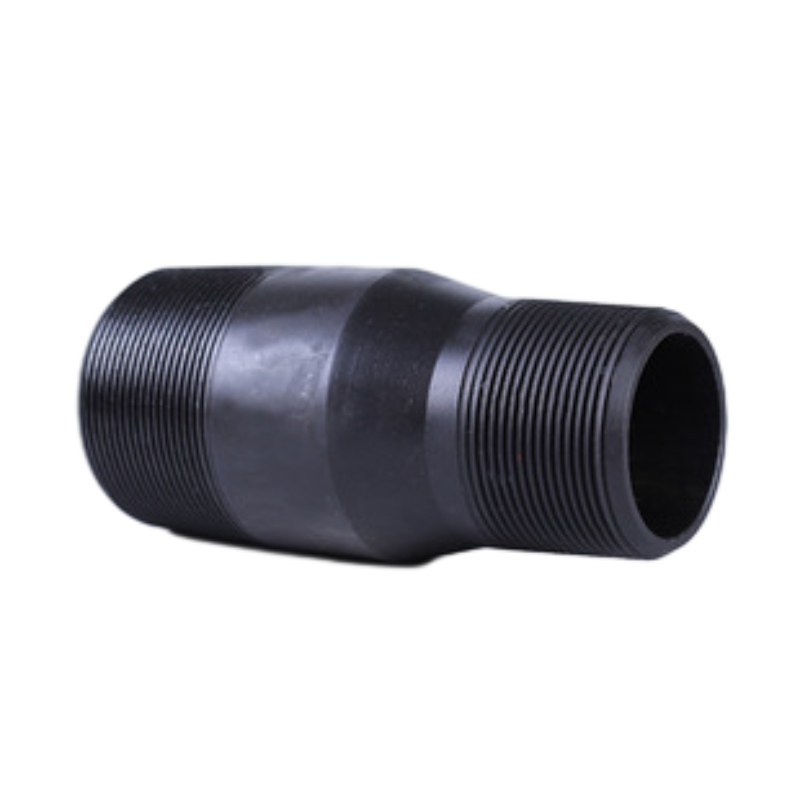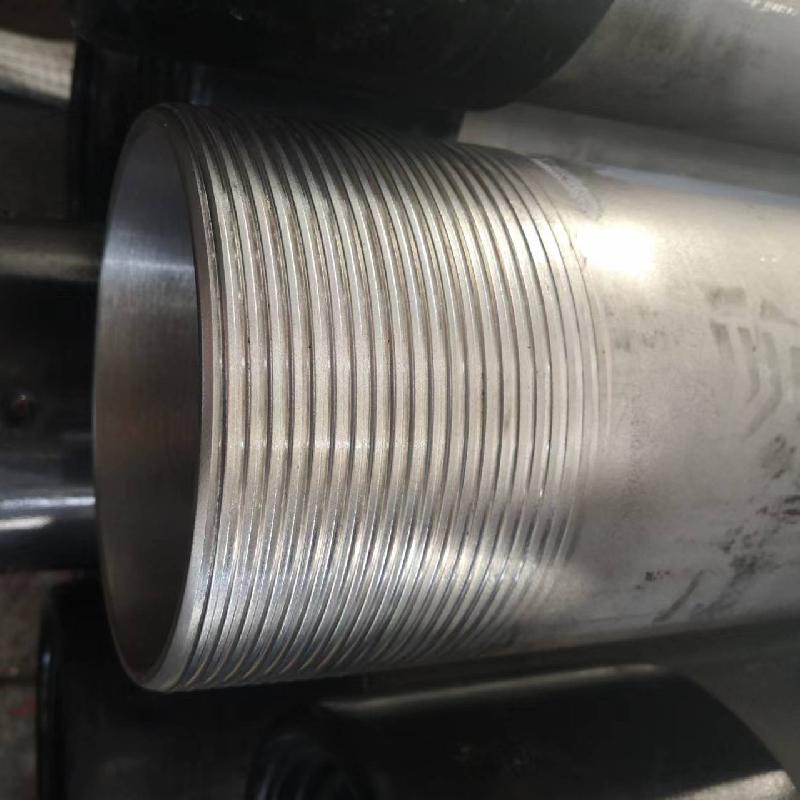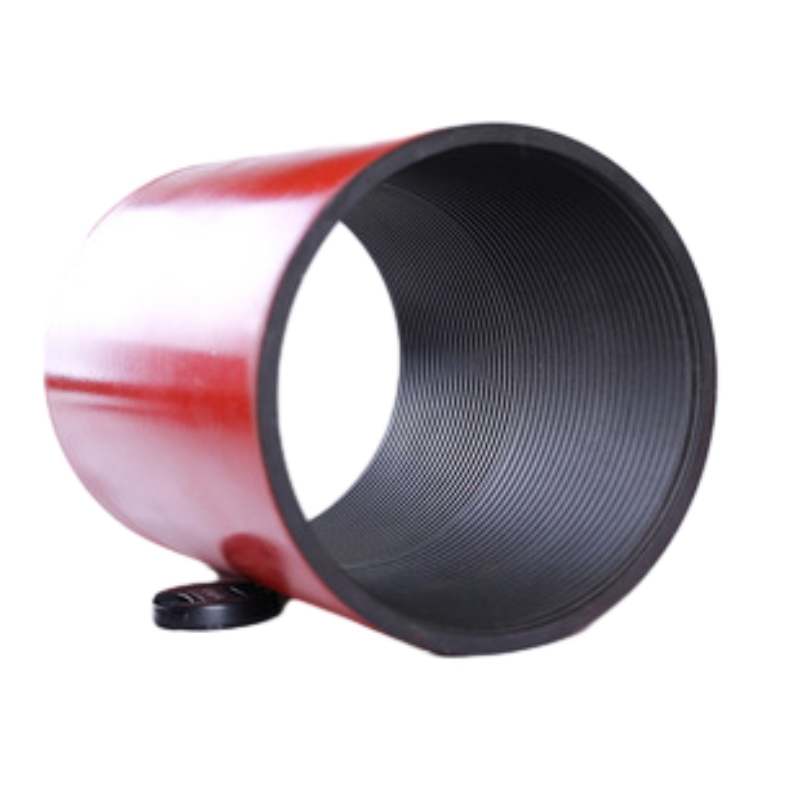


Durable 4 Stainless Steel Couplings for Industrial Piping | Reliable & Corrosion-Resistant
Exploring the 4 Stainless Steel Coupling: Reliability Meets Industrial Strength
Having spent a fair chunk of my career around industrial piping and fluid systems, I’ve gotten pretty familiar with what makes a coupling tick — especially 4 stainless steel couplings. They’re small components, but boy, are they critical. Oddly enough, we often overlook their role until something goes wrong. Then suddenly, you realize just how much downtime and headaches hinge on the integrity of these connectors.
Steel is the backbone here — stainless steel specifically — because it offers not just strength but corrosion resistance in environments that can be downright brutal. Whether you’re in oil & gas, chemical processing, or marine applications, a coupling that rusts or weakens can be a serious risk. I remember one project involving offshore piping where a switch from carbon steel to stainless steel couplings made all the difference in longevity and maintenance schedules.
The “4” in the 4 stainless steel coupling typically refers to the size — usually 4 inches in nominal diameter — which is a sweet spot for many mid-range industrial pipelines. This size balances flow capacity and mechanical strength. You don’t want something too tiny clogging the works, nor too massive for the operational requirements.
One thing I always look for is the quality of the stainless steel grade. Grades 304 and 316 are common, with 316 offering better resistance against chlorides and salty environments. In real terms, specifying the right grade upfront could save considerable maintenance headaches down the line.
| Feature | Specification |
|---|---|
| Material Grade | 304 / 316 Stainless Steel |
| Size (Nominal Diameter) | 4 Inches |
| Connection Type | Butt Weld / Threaded / Flanged (varies by application) |
| Operating Pressure | Up to 3000 psi |
| Temperature Range | -20°F to 800°F (-29°C to 427°C) |
| Corrosion Resistance | Excellent (Especially grade 316) |
Customization is another angle worth mentioning. Some vendors will work with customers to tailor coupling design — bolt patterns, surface finish, or even special coatings for extreme environments. I recall a client from the petrochemical sector who needed couplings that would also resist H2S gas exposure; the vendor’s willingness to engineer a special finish was a game changer.
Speaking of vendors, not all couplings are created equal. Frankly, you get what you pay for. I’ve seen some cheaper castings fail prematurely, while premium forged stainless steel variants endure far longer. Here’s a rough vendor comparison that might give you a clearer picture:
| Vendor | Material Grade Options | Customization | Typical Lead Time | Price Range |
|---|---|---|---|---|
| WJ Petroleum | 304, 316 | High (custom finishes available) | 2-4 weeks | Mid-Range |
| Generic Supplier A | 304 only | Low | 1 week | Low |
| Premium Metals Co. | 316, 317L, Duplex | Medium | 4-6 weeks | High |
In terms of testing, many industrial-grade stainless steel couplings undergo pressure and leak testing to verify integrity. Welded styles need X-ray or ultrasonic inspection — a necessary pain but important for peace of mind. Several times, I’ve witnessed the difference this extra step made in avoiding surprises in the field. Safety and reliability aren’t luxuries here; they’re necessities.
In sum, selecting the right 4 stainless steel coupling is a bit like choosing a partner for the long haul. You want one that won’t falter and will keep things flowing smoothly under pressure – literally. For those who’ve been around industrial equipment as long as I have, it’s clear that making that choice carefully is worth the effort.
In fact, if you’re browsing couplings today and want a trustworthy option with solid customization and quality assurance, definitely check out 4 stainless steel coupling offerings from WJ Petroleum—they’ve been consistent champions in the field.
Quick takeaway: Don’t underestimate the coupling—it’s the unsung hero of any piping system.
- “Stainless Steel Grades and Uses,” ASM International, 2022.
- “Industrial Pipe Couplings Overview,” Plant Engineering Journal, 2021.
- WJ Petroleum Product Catalog, 2024 Edition.
-
The Ultimate Industrial Guide to using مفصل الجرو Swivel JointsNewsApr.16,2026
-
Comprehensive Guide to api الجرو المشترك in Industrial ApplicationsNewsApr.09,2026
-
Comprehensive Guide to Puppy Joint Health with غلاف مفصل الجرو SupplementsNewsApr.07,2026
-
Optimizing Oilfield Performance with تمرير المفاصل الجرو and WJ Petroleum ExpertiseNewsApr.04,2026
-
Understanding Puppy Mills ¿qué es un porro de cachorros? Responsible Breeding PracticesNewsMar.31,2026
-
Comprehensive Guide to Perforated Puppy Joints and Long Term Canine HealthNewsMar.28,2026