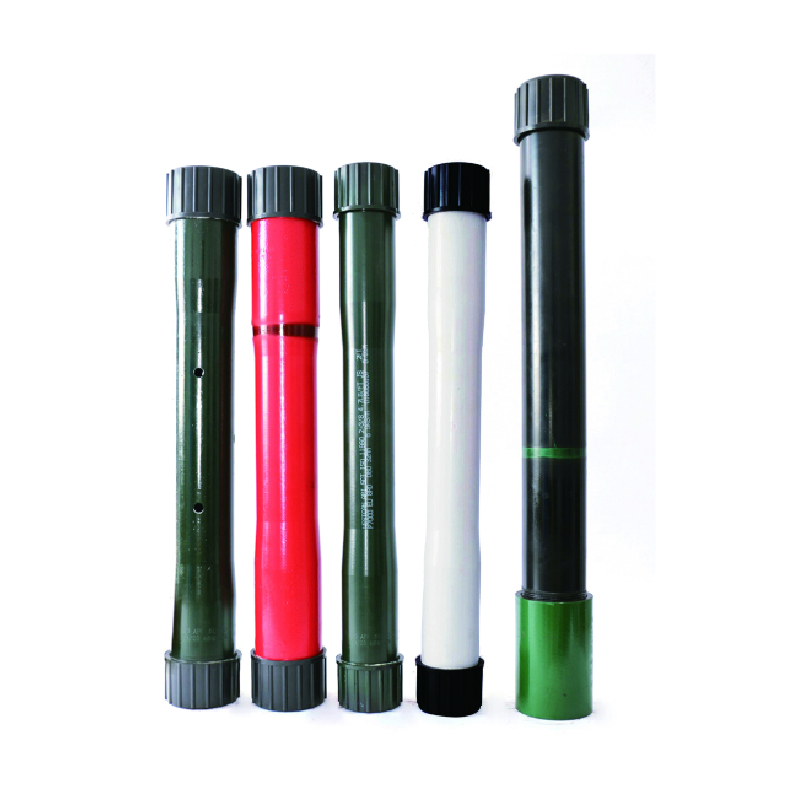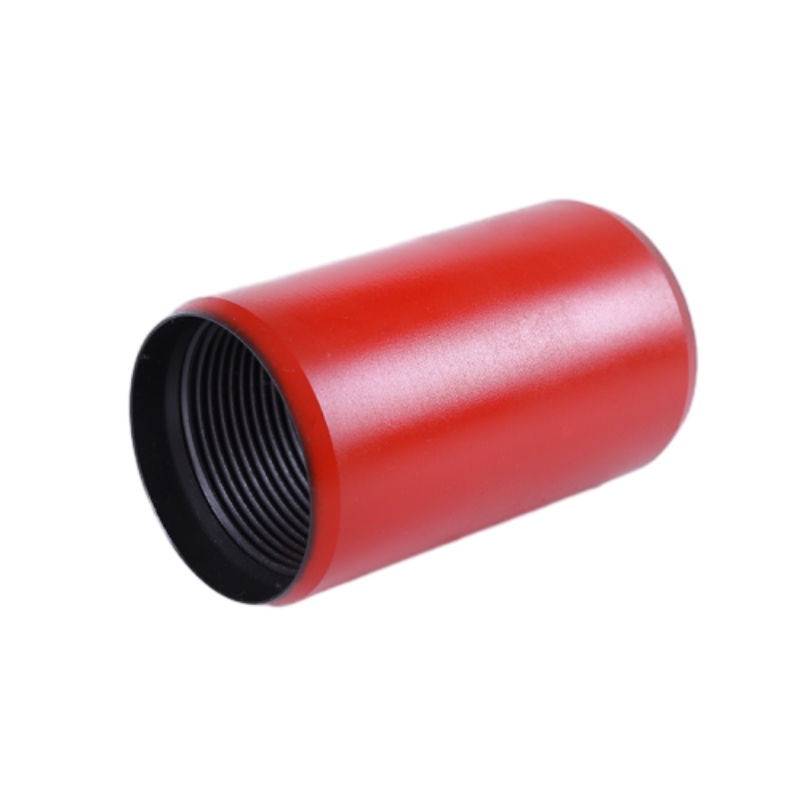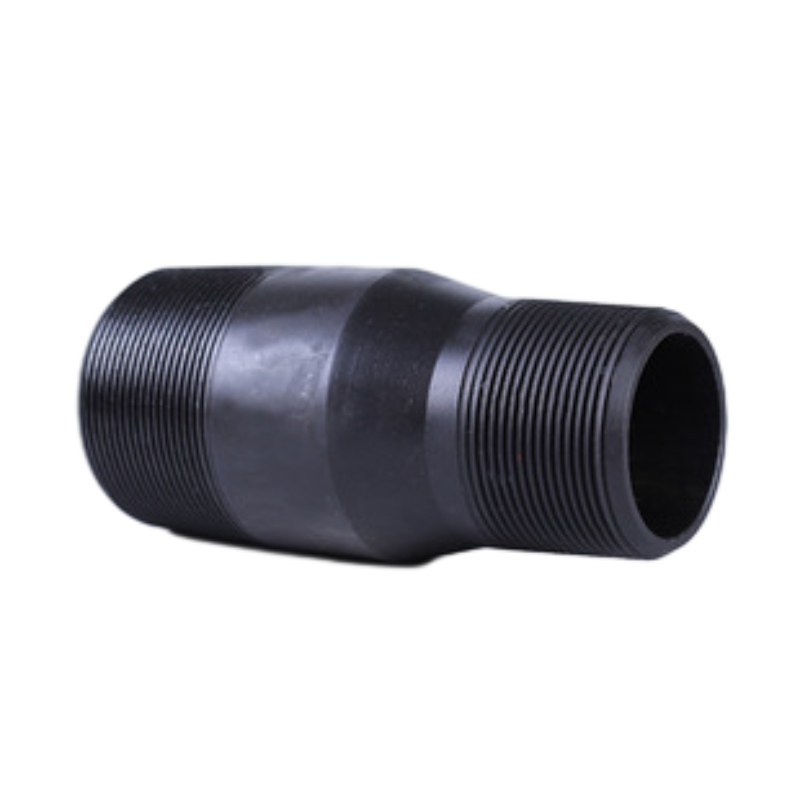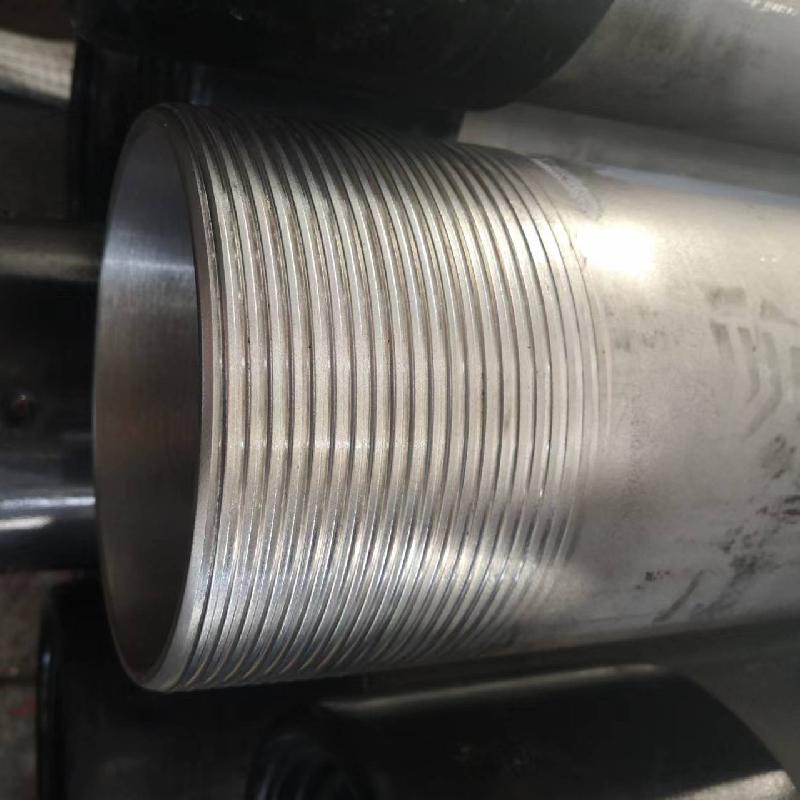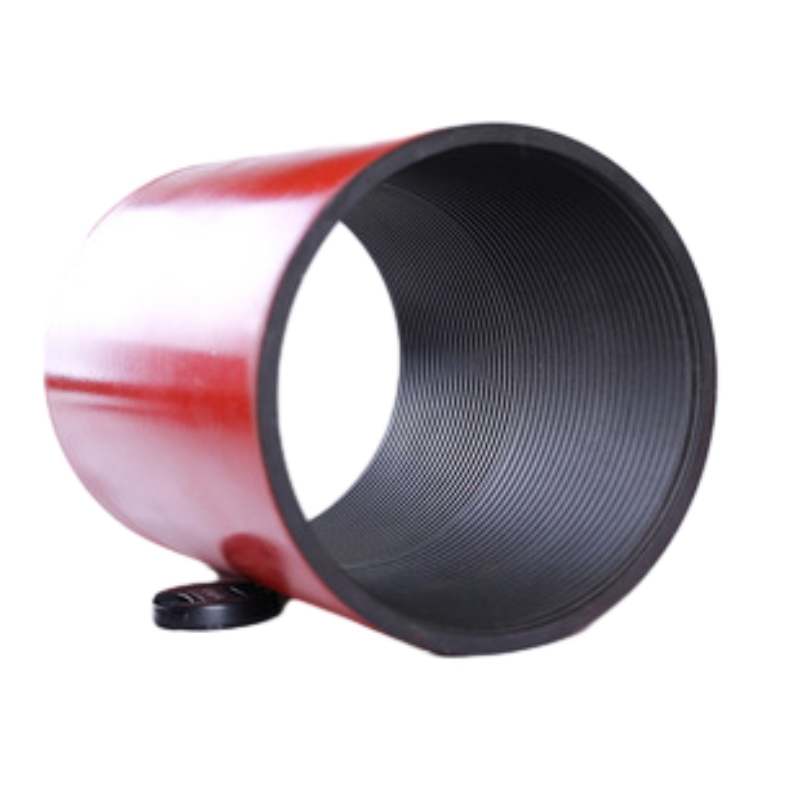


Durable Pipe Coupling Stainless Steel for Industrial Piping Solutions
Pipe Coupling Stainless Steel: Durable Connections in Industrial Piping
Working in the industrial equipment sector for over a decade, I’ve come across a lot of hardware. But few are as deceptively important (and sturdy) as pipe coupling stainless steel. Oddly enough, these small connectors do more than just join pipes—they often make or break an entire system’s integrity.
Stainless steel pipe couplings stand out because of their resistance to corrosion, high tensile strength, and adaptability across industries—from petrochemical plants to clean water systems. You know, once I saw a refinery team swap out their old galvanized steel couplings for stainless ones. The difference? Fewer leaks, less downtime, and frankly, a safer work environment.
What’s behind this reliability? Let’s start with the material. Stainless steel, especially grades like 304 and 316, offers incredible chemical resistance. Grade 316, with its extra molybdenum, is particularly favored in environments exposed to chlorides or saline—which is pretty common in offshore and coastal applications. In real terms, that means a coupling won’t degrade under harsh conditions, saving operators a ton of headache.
Design-wise, pipe couplings come in several types—like butt weld, threaded, or flanged. But the most popular for industrial setups tend to be the rigid and flexible couplings made from stainless steel. Flexible couplings allow for slight misalignment or thermal expansion and contraction. I remember a pipeline project where flexible stainless steel couplings reduced stress on joints during temperature swings—it felt like a small change that prevented major failures down the line.
Then there’s the matter of testing and certification, which can’t be overlooked. Most couplings undergo pressure and leak testing in line with ASTM or ISO standards. This compliance means you’re not just throwing a coupling on and hoping for the best. Instead, manufacturers back their products with documented performance, which engineers and maintenance teams really appreciate.
Customization is another advantage. Many vendors will tailor coupling sizes, pressure ratings, and even coatings to meet your exact needs. I always advise managers to think ahead about future modifications—they’ll thank themselves when downtime isn’t caused by incompatible or undersized parts.
| Attribute | Specification |
|---|---|
| Material Grade | 304, 316 Stainless Steel |
| Pressure Rating | 150 psi to 3000 psi |
| Size Range | 1/2" to 24" diameter |
| Operating Temperature | -200°C to 870°C (-328°F to 1598°F) |
| Typical Applications | Chemical, Petrochemical, Water Treatment, Food Processing |
But how do you decide between vendors? Honestly, I’ve seen also a lot of variance in customer service, product availability, and pricing that goes beyond the specs sheet. So here’s a quick comparison of three popular suppliers in the stainless steel coupling space:
| Vendor | Product Variety | Customization Options | Lead Time | Price Range |
|---|---|---|---|---|
| WJ Petroleum | Extensive (stocks 50+ types) | High (custom sizes & coatings) | 2-3 weeks | Moderate to Premium |
| StainlessTech Co. | Moderate (focused on standard sizes) | Limited | 1-2 weeks | Competitive |
| Pipeline Solutions | Broad (including exotic alloys) | Moderate | 3-4 weeks | Premium |
I’ve personally worked with WJ Petroleum on several projects. What stood out was their proactive support and the quality consistency, which you need because downtime due to equipment failure isn’t just inconvenient—it’s costly.
One quick story: A client in the food processing sector was facing regular gasket leaks in their piping system. Switching to stainless steel pipe couplings with high-grade sealing quickly stopped the issue. It’s the sort of thing that feels like a minor upgrade but results in a huge operational impact.
So, in the grand scheme of industrial piping, opting for pipe coupling stainless steel is a solid investment. Not just because of strength or corrosion resistance, but also because of reliability, safety, and peace of mind. And that’s honestly priceless out in the field.
If you’re planning any pipeline installation or repair work, take the time to source the right couplings—trust me, it pays off.
Quick takeaway: Stainless steel couplings might seem standard equipment, but they’re quietly heroic in keeping complex industrial systems running smoothly.
- ASTM International. “Standards for pipe fittings.”
- Smith, John. Industrial Piping Materials and Design. 3rd Edition. 2019.
- Corrosion Engineering Handbook, 2021 Edition.
-
The Ultimate Industrial Guide to using مفصل الجرو Swivel JointsNewsApr.16,2026
-
Comprehensive Guide to api الجرو المشترك in Industrial ApplicationsNewsApr.09,2026
-
Comprehensive Guide to Puppy Joint Health with غلاف مفصل الجرو SupplementsNewsApr.07,2026
-
Optimizing Oilfield Performance with تمرير المفاصل الجرو and WJ Petroleum ExpertiseNewsApr.04,2026
-
Understanding Puppy Mills ¿qué es un porro de cachorros? Responsible Breeding PracticesNewsMar.31,2026
-
Comprehensive Guide to Perforated Puppy Joints and Long Term Canine HealthNewsMar.28,2026