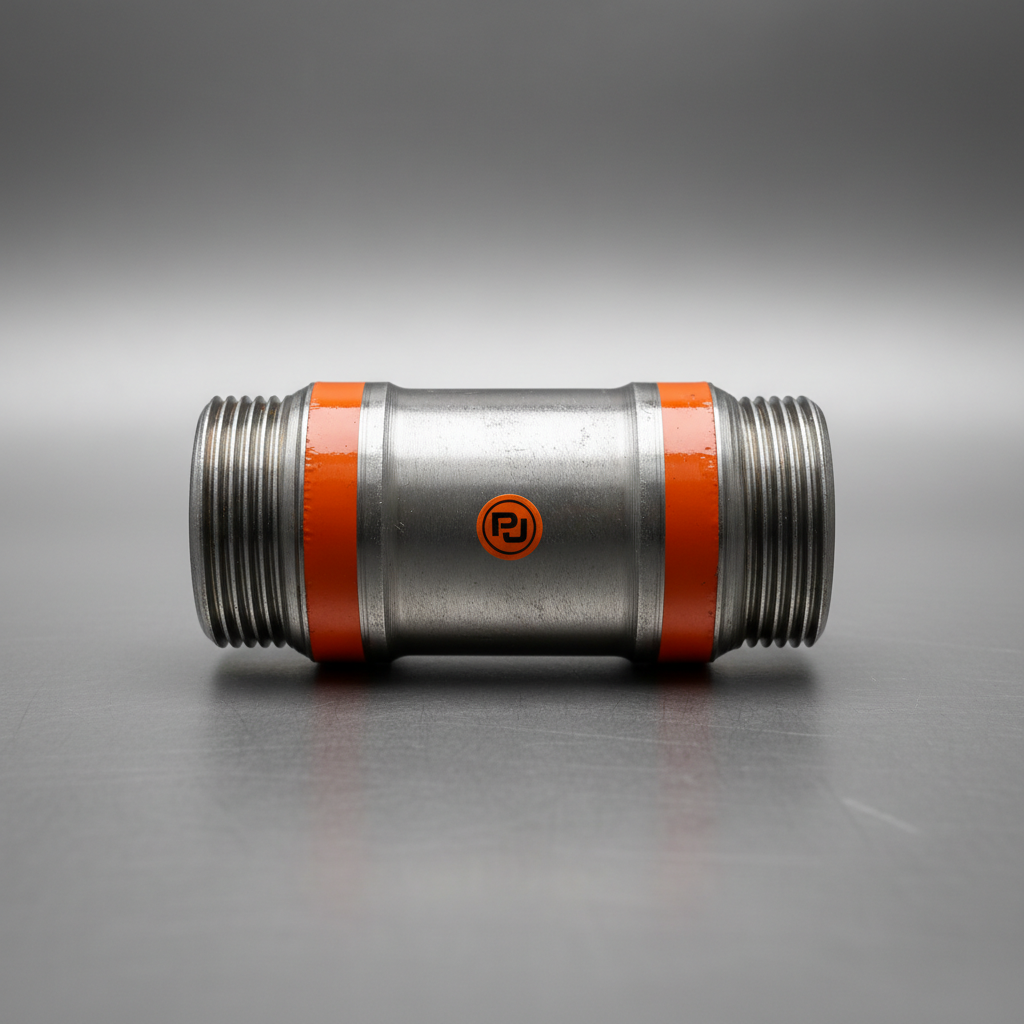
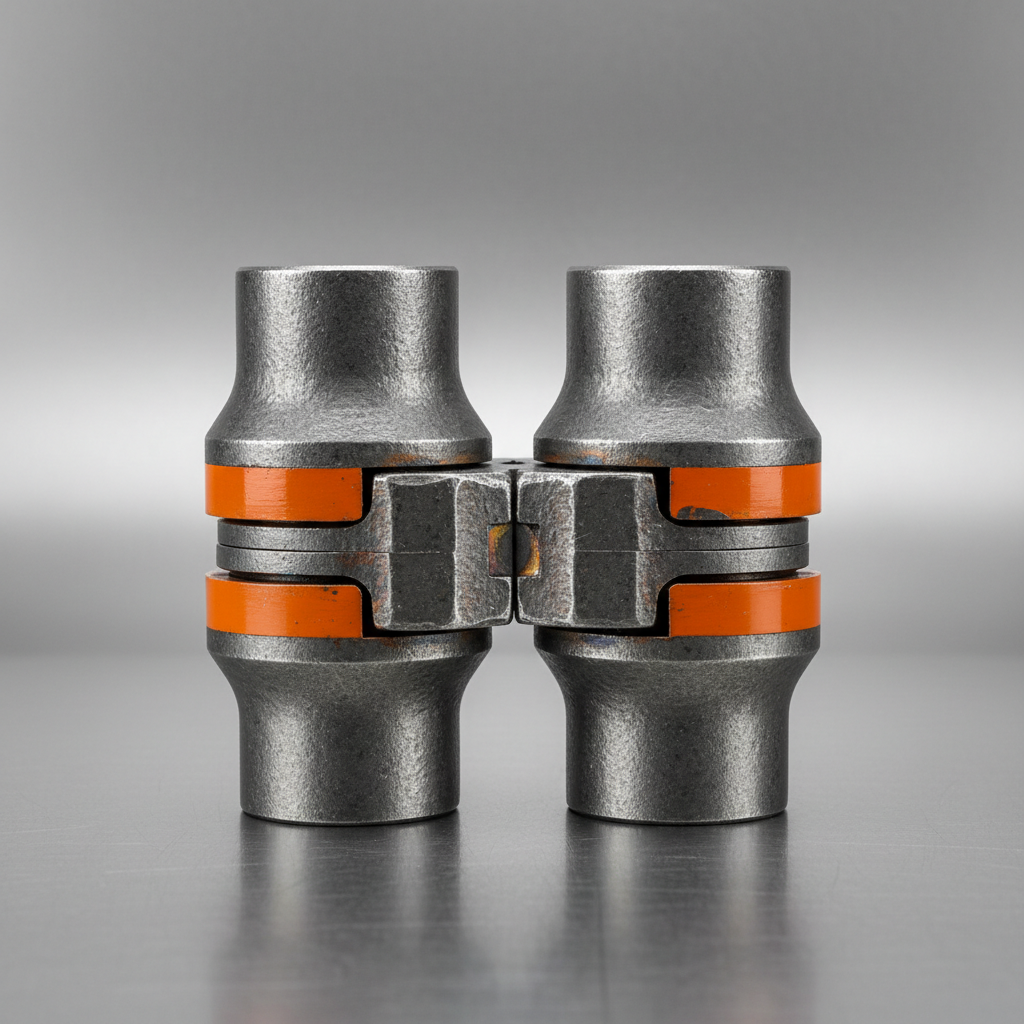
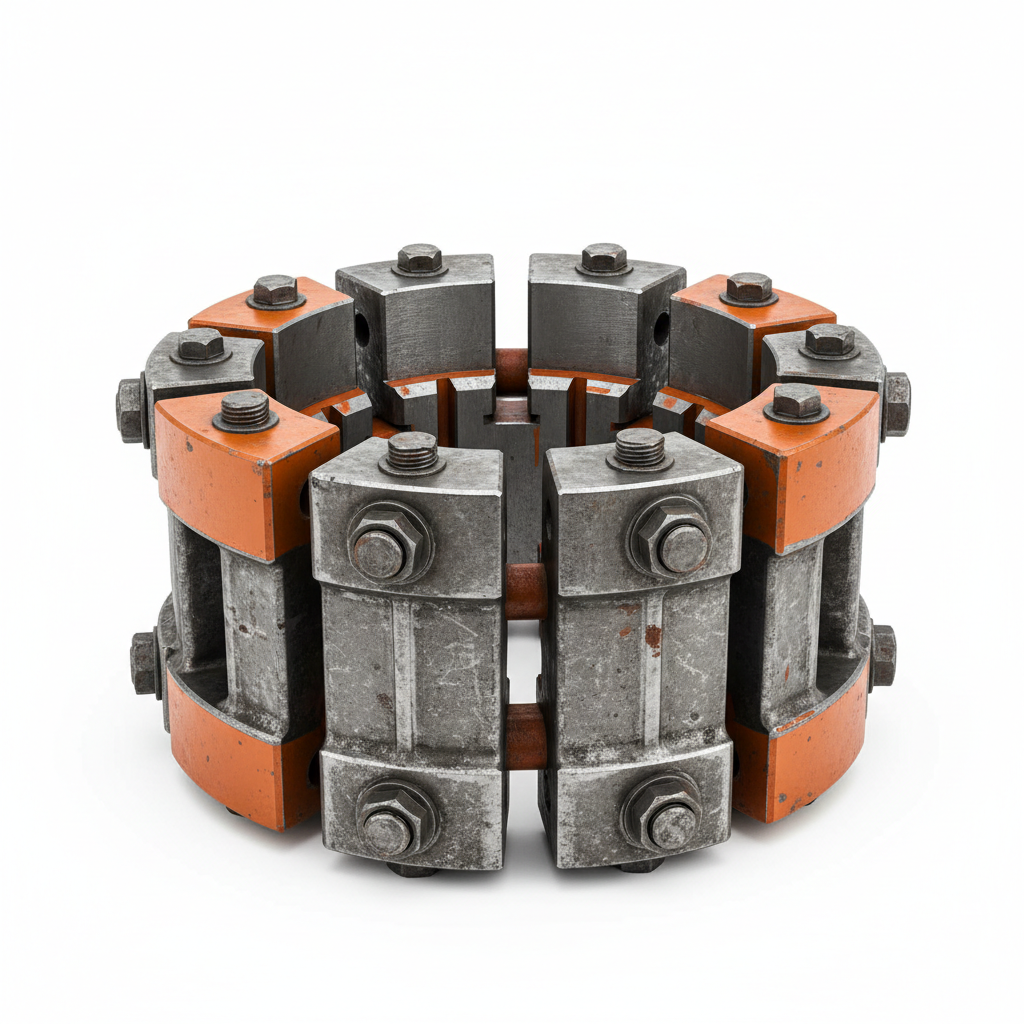
Casing pup joints are short sections of casing pipe used in well construction to make up the necessary length when standard casing lengths are insufficient. These joints play a crucial role in ensuring well integrity and efficient drilling operations. Their application extends across the oil and gas industry globally, impacting resource extraction and energy production. The precise and reliable connection offered by a casing pup joint is paramount for maintaining borehole stability and preventing costly downhole failures.
The global demand for energy continues to drive the need for efficient and reliable well construction techniques. Casing pup joints are essential components within this process, streamlining operations and minimizing downtime. Data from the U.S. Energy Information Administration indicates a consistent need for oil and gas well maintenance and new drilling, highlighting the ongoing relevance of these components. Challenges such as varying well depths and geological formations necessitate the flexibility provided by pup joints, allowing for customized solutions in diverse drilling environments.
Understanding the functionality and application of casing pup joints is vital for petroleum engineers, drilling contractors, and anyone involved in the oil and gas supply chain. Proper selection, handling, and installation contribute directly to the safety, efficiency, and cost-effectiveness of well operations. Increased focus on wellbore integrity and environmental protection further underscores the importance of high-quality casing pup joint solutions.
The Fundamentals of casing pup joint
At its core, a casing pup joint is a short length of steel pipe, typically ranging from 5 to 10 feet, used to precisely adjust the depth of casing strings during well construction. This adaptability is crucial in situations where standard casing lengths don't perfectly align with the target depth, preventing unnecessary waste and ensuring optimal wellbore coverage. casing pup joint are manufactured to the same specifications as standard casing, ensuring compatibility and maintaining well integrity.
The effective use of pup joints reduces the need for cutting and welding casing on-site, minimizing potential weak points in the casing string. This translates to enhanced safety, reduced operational costs, and a faster overall drilling process. Proper threading and connection methods are vital for pup joints to withstand the high pressures and stresses encountered in downhole environments.
The Global Significance of casing pup joint
The oil and gas industry operates on a global scale, demanding standardized components like casing pup joints that meet international quality standards. Organizations such as the American Petroleum Institute (API) establish rigorous specifications for casing materials and manufacturing processes, ensuring consistency and reliability across different regions. These standards are crucial for maintaining safe and efficient drilling operations worldwide.
Demand for casing pup joint is particularly high in areas with complex geological formations, such as deepwater offshore drilling and unconventional shale gas exploration. These challenging environments require precise wellbore control and robust casing systems to prevent blowouts and environmental damage. Consequently, the demand for high-quality pup joints remains consistent and significant in these regions.
The increasing focus on environmental sustainability is also driving innovation in casing pup joint manufacturing. There's a growing demand for materials and processes that minimize waste, reduce carbon emissions, and enhance the overall lifecycle of well construction components. Suppliers are increasingly focusing on responsible sourcing and environmentally conscious production methods.
Defining casing pup joint in Modern Applications
In contemporary well construction, the casing pup joint is no longer simply a 'make-up' piece. It's an integral part of a sophisticated system designed to optimize well performance and safety. Modern pup joints often incorporate advanced features like premium connections and corrosion-resistant coatings to enhance longevity and reliability in harsh downhole conditions.
Furthermore, the integration of digital technologies is transforming the way pup joints are managed throughout their lifecycle. Real-time monitoring systems can track the usage, wear, and tear of pup joints, enabling proactive maintenance and preventing failures. This data-driven approach improves operational efficiency and minimizes the risk of costly downtime.
The precision engineered casing pup joint is thus critical to maximizing production and minimizing environmental impact, illustrating its central role in responsible energy development.
Key Attributes of High-Quality casing pup joint
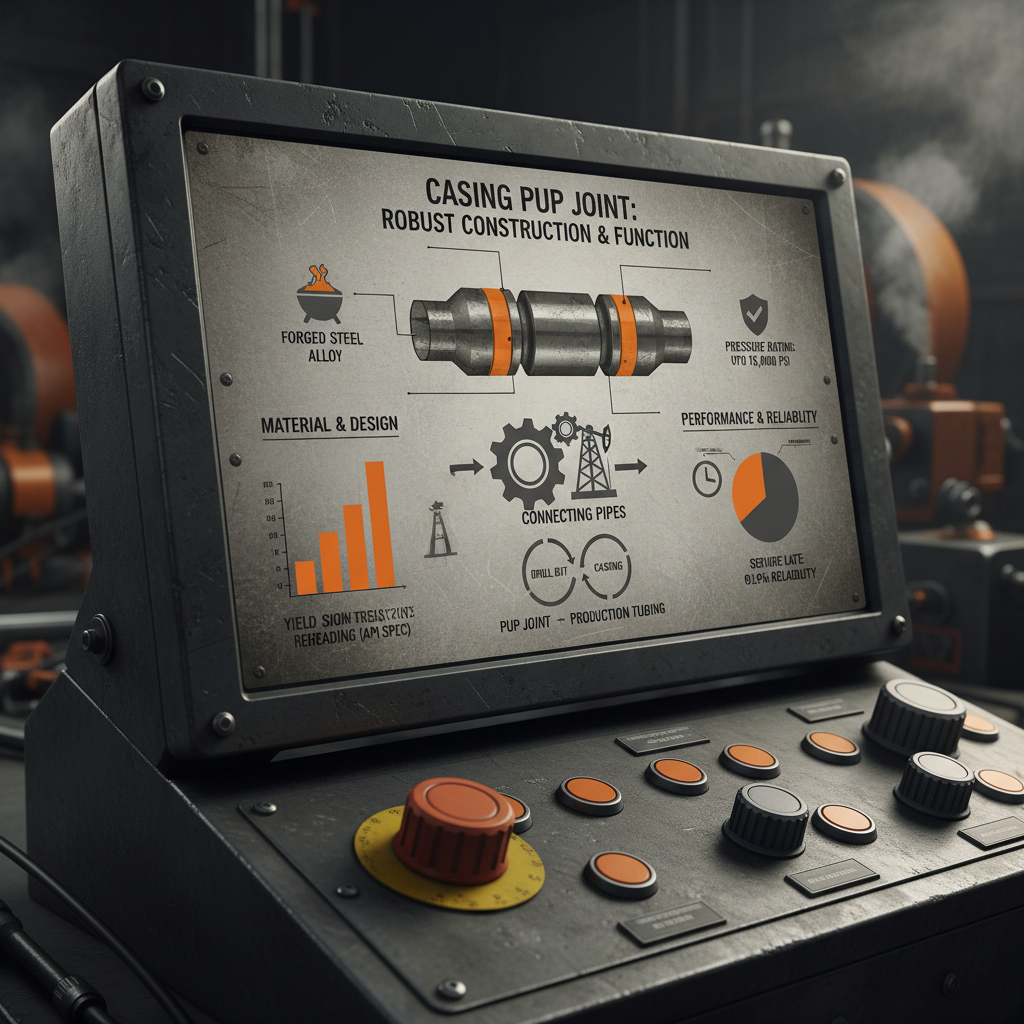
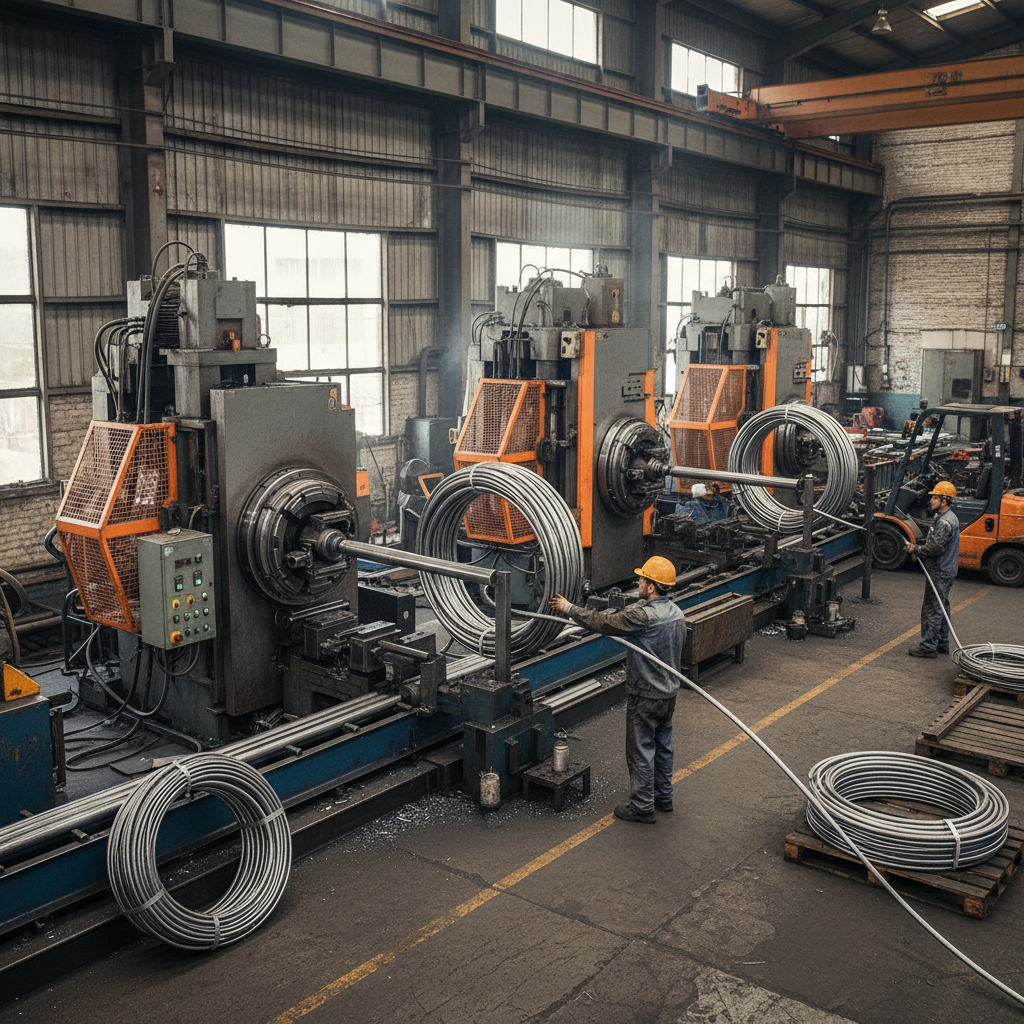
Durability is paramount. High-quality casing pup joints are manufactured from high-strength steel alloys designed to withstand extreme pressures, temperatures, and corrosive environments. Rigorous quality control processes, including non-destructive testing, ensure that each pup joint meets stringent industry standards.
Precise threading is another critical attribute. The threads on pup joints must be meticulously machined to ensure a leak-proof connection with adjacent casing sections. Various thread types are available, each optimized for specific applications and pressure ratings. Proper threading minimizes the risk of joint failure and maintains wellbore integrity.
Performance Metrics for Different casing pup joint Methods
Worldwide Applications of casing pup joint
Casing pup joints find widespread application in onshore and offshore oil and gas drilling operations across the globe, from the prolific shale fields of North America to the deepwater reserves of Brazil and the challenging environments of the Arctic. They are essential for constructing wellbores in diverse geological formations.
In post-disaster relief operations, where rapid well intervention is required to control gas leaks or stabilize damaged wells, the availability of pre-fabricated casing pup joint can significantly accelerate the response time. The speed and ease of installation contribute to mitigating environmental risks and protecting communities.
Advantages and Long-Term Value of casing pup joint
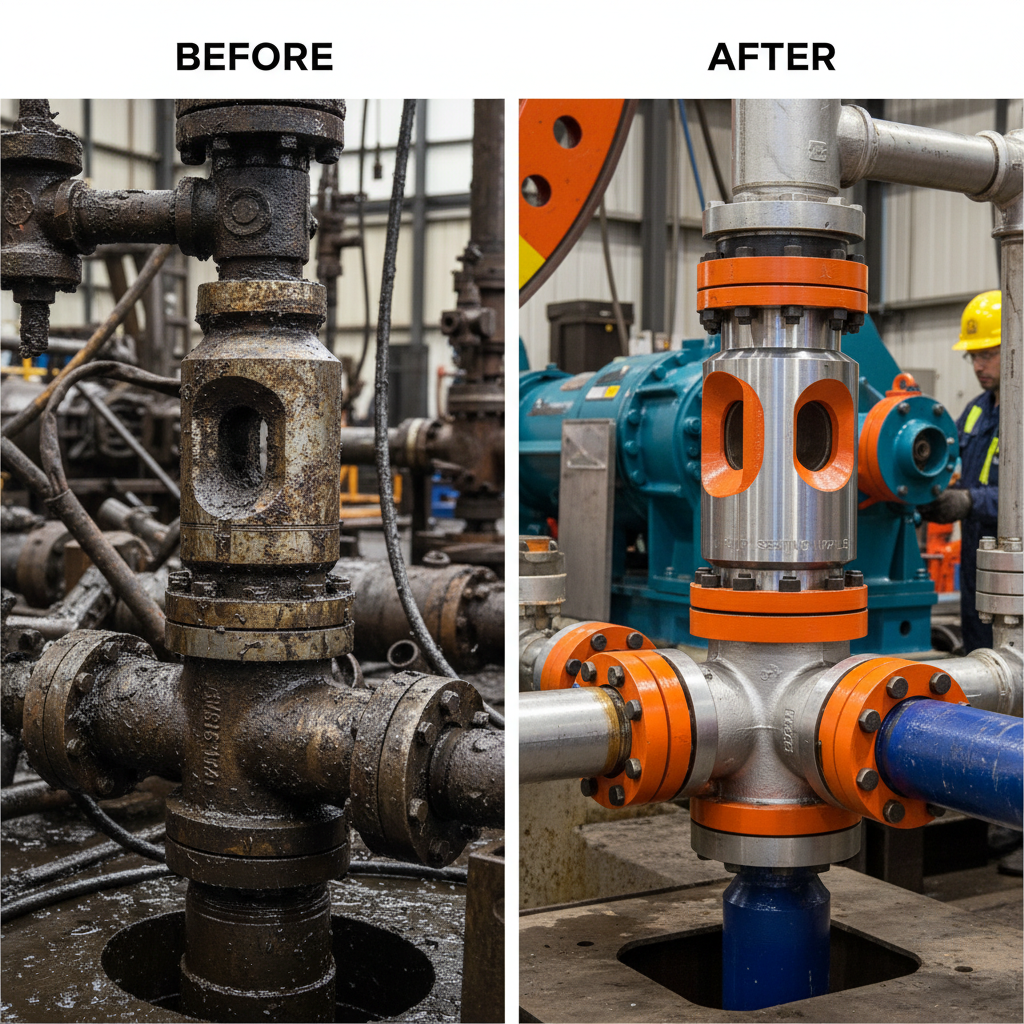
The primary advantage of using casing pup joints is increased efficiency in well construction. By allowing for precise adjustments to casing length, pup joints minimize waste, reduce the need for on-site cutting and welding, and accelerate the drilling process. This translates into significant cost savings for operators.
Beyond cost efficiency, the use of high-quality pup joints enhances the long-term reliability and safety of wellbores. A well-constructed casing string, utilizing properly installed pup joints, is less susceptible to leaks, corrosion, and mechanical failure, reducing the risk of environmental damage and costly remediation efforts.
Future Trends and Innovations in casing pup joint Technology
The future of casing pup joint technology is likely to be shaped by advancements in materials science and digital technologies. Research is underway to develop lighter, stronger, and more corrosion-resistant alloys for pup joint manufacturing, reducing the overall weight of casing strings and improving their longevity.
The integration of smart technologies, such as sensors and data analytics, will enable real-time monitoring of pup joint performance, allowing for predictive maintenance and preventing failures. Furthermore, automation and robotics will streamline the installation process, reducing human error and improving efficiency.
Sustainable manufacturing practices and the development of eco-friendly materials are also gaining prominence, aligning with the industry's growing commitment to environmental responsibility.
Summary of Key Analysis Dimensions for casing pup joint
| Material Grade |
Connection Type |
Corrosion Resistance |
Pressure Rating (PSI) |
| API 5L Grade B |
BTC (Buttress Tapered Thread) |
Standard |
5,000 |
| API 5L Grade P110 |
VAM Top |
Enhanced with Coating |
10,000 |
| Duplex Stainless Steel |
Premium Thread |
Excellent |
15,000 |
| API 5CT Grade J55 |
LPGC |
Standard |
3,000 |
| API 5L X70 |
BJ |
Moderate |
7,500 |
| Alloy Steel |
Integral Joint |
Corrosion Inhibited |
8,000 |
FAQS
The lifespan of a casing pup joint varies depending on factors like well conditions, fluid composition, and the quality of the materials used. However, a well-maintained casing pup joint constructed from high-grade steel can typically last for the entire productive life of the well, which can range from 20 to 50 years or more. Regular inspection and proper handling are crucial for maximizing lifespan.
Determining the correct size and type requires careful consideration of several factors, including the casing diameter, thread type, pressure rating, and the specific geological conditions of the well. Consulting with a qualified petroleum engineer or casing specialist is highly recommended. They can assess your needs and ensure you select a pup joint that meets the required specifications.
Common failure causes include corrosion, thread damage, fatigue cracking, and improper installation. Corrosion can occur due to exposure to corrosive fluids, while thread damage can result from improper handling or make-up procedures. Fatigue cracking can develop over time due to cyclic stress. Preventive maintenance and adherence to best practices are vital for mitigating these risks.
Yes, look for pup joints that comply with API (American Petroleum Institute) specifications, such as API 5CT and API 5L. These standards ensure the product meets stringent quality and performance requirements. Certifications from reputable testing laboratories can also provide assurance of the pup joint's integrity and reliability.
Safe handling involves using appropriate lifting equipment, avoiding dropping or damaging the threads, and protecting them from corrosion. Proper storage requires a dry, covered area, free from debris and contaminants. Regularly inspect pup joints for any signs of damage or corrosion and address them promptly.
Premium connections offer enhanced sealing capabilities, higher load-bearing capacity, and improved resistance to fatigue and corrosion compared to standard connections. They are particularly beneficial in high-pressure, high-temperature environments and can significantly extend the lifespan and reliability of the casing string. This investment often leads to reduced operational costs and enhanced safety.
Conclusion
In conclusion, casing pup joints are indispensable components in modern well construction, providing crucial flexibility, efficiency, and reliability. Their role extends beyond simply making up length; they are integral to ensuring wellbore integrity, enhancing safety, and optimizing resource extraction. The advancements in materials, manufacturing processes, and digital technologies are continually improving the performance and longevity of these essential tools.
Looking ahead, the focus will likely remain on developing more sustainable and cost-effective casing pup joint solutions. Continued research into corrosion-resistant materials, automated installation techniques, and predictive maintenance strategies will be key to maximizing the value of these components and ensuring the long-term sustainability of the oil and gas industry. For high-quality casing pup joint solutions, visit our website today!