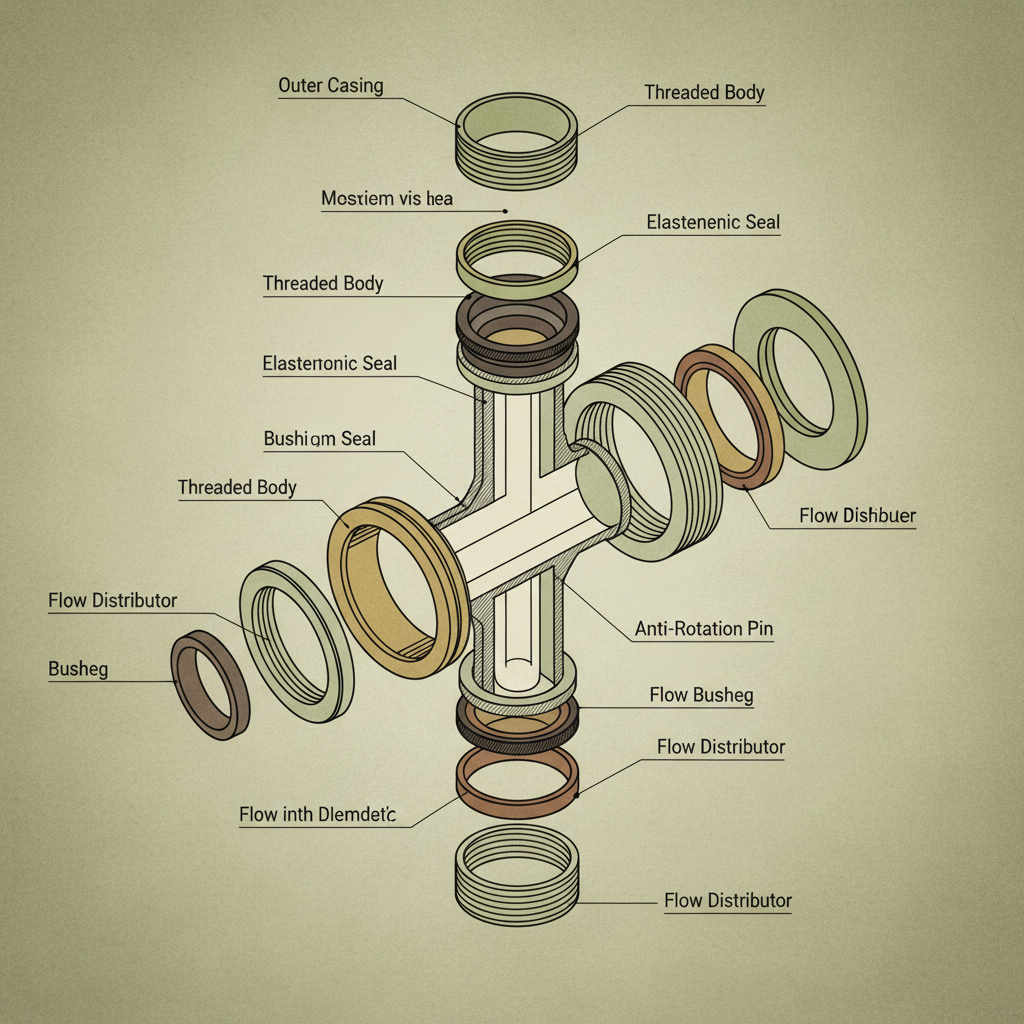
Casing collars represent a critical component in the oil and gas industry, functioning as a means to connect sections of casing pipe during well construction. Their reliable performance directly impacts well integrity, operational safety, and long-term production efficiency. Understanding the intricacies of casing collar design, materials, and installation is paramount for successful drilling and completion operations globally.
The global demand for energy continues to drive the need for efficient and safe drilling practices. Casing collars play a vital role in maintaining wellbore stability, preventing fluid migration, and isolating different geological formations. With increasing complexity in drilling environments – including deepwater and unconventional resource extraction – the demand for robust and reliable casing collar technologies continues to rise. According to the U.S. Energy Information Administration, global oil and natural gas production is expected to increase in the coming years, further highlighting the importance of these critical components.
Beyond the oil and gas sector, the principles behind casing collar design and connection methods find applications in other industries requiring robust tubular connections, such as water well construction, geothermal energy production, and even large-diameter pipeline construction. This versatility demonstrates the broader significance of this seemingly specialized component.
The Importance of Casing Collars
Casing collars are more than just connectors; they are integral to the structural integrity of a well. A properly installed casing collar ensures a robust and reliable connection that can withstand the immense pressures and stresses encountered during drilling, completion, and production. Failure to select or install the correct casing collar can lead to costly repairs, environmental damage, and even catastrophic well failures.
The development of advanced casing collar technologies has been driven by the need to address increasingly complex drilling challenges. From high-collapse pressure environments to corrosive wellbore fluids, modern casing collars are engineered to perform reliably under a wide range of conditions. This continuous innovation is crucial for maintaining the safety and efficiency of oil and gas operations worldwide.
Defining Casing Collars and Their Role
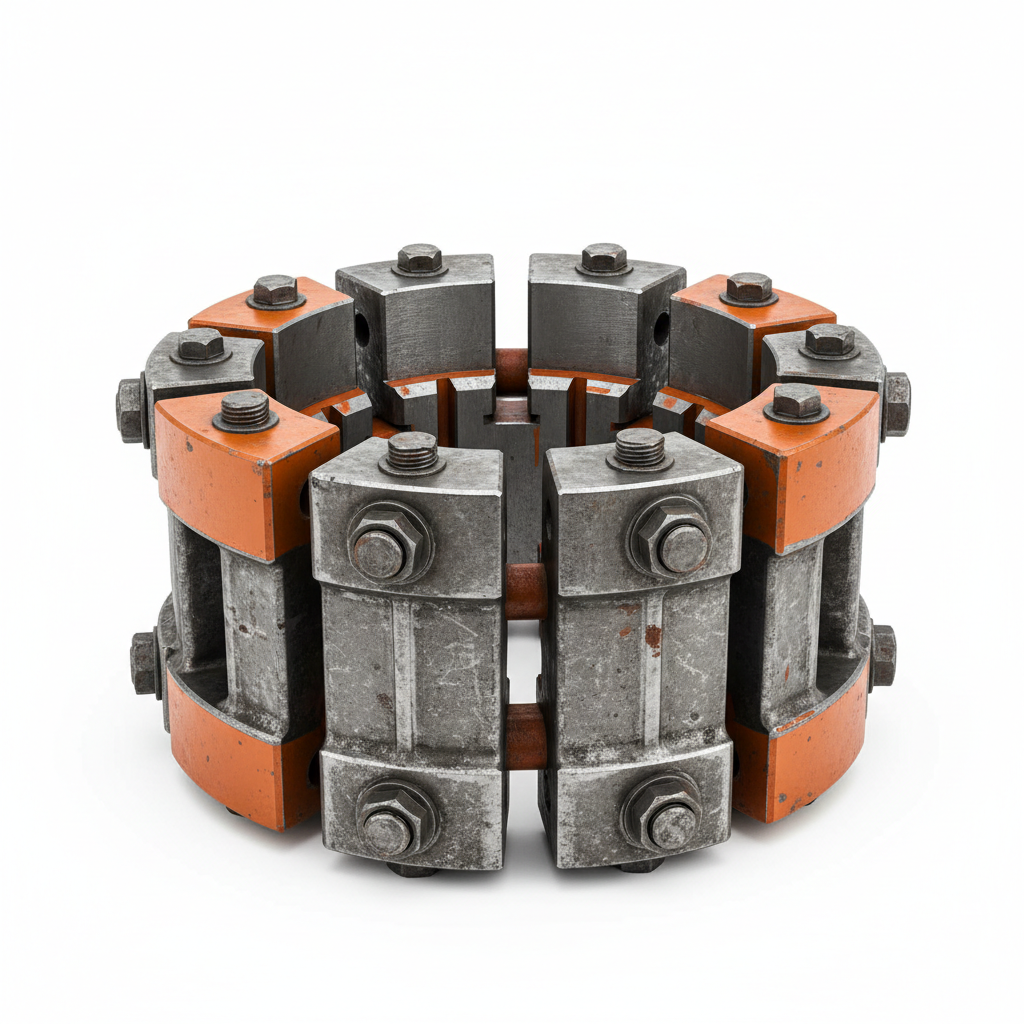
A casing collar is a specialized coupling used to join sections of oilfield casing pipe. These sections are typically 30-40 feet in length, and casing collars provide a strong, leak-proof connection between them as the well is drilled deeper. The collar's design allows for quick and efficient makeup and breakout, minimizing rig time and optimizing operational efficiency.
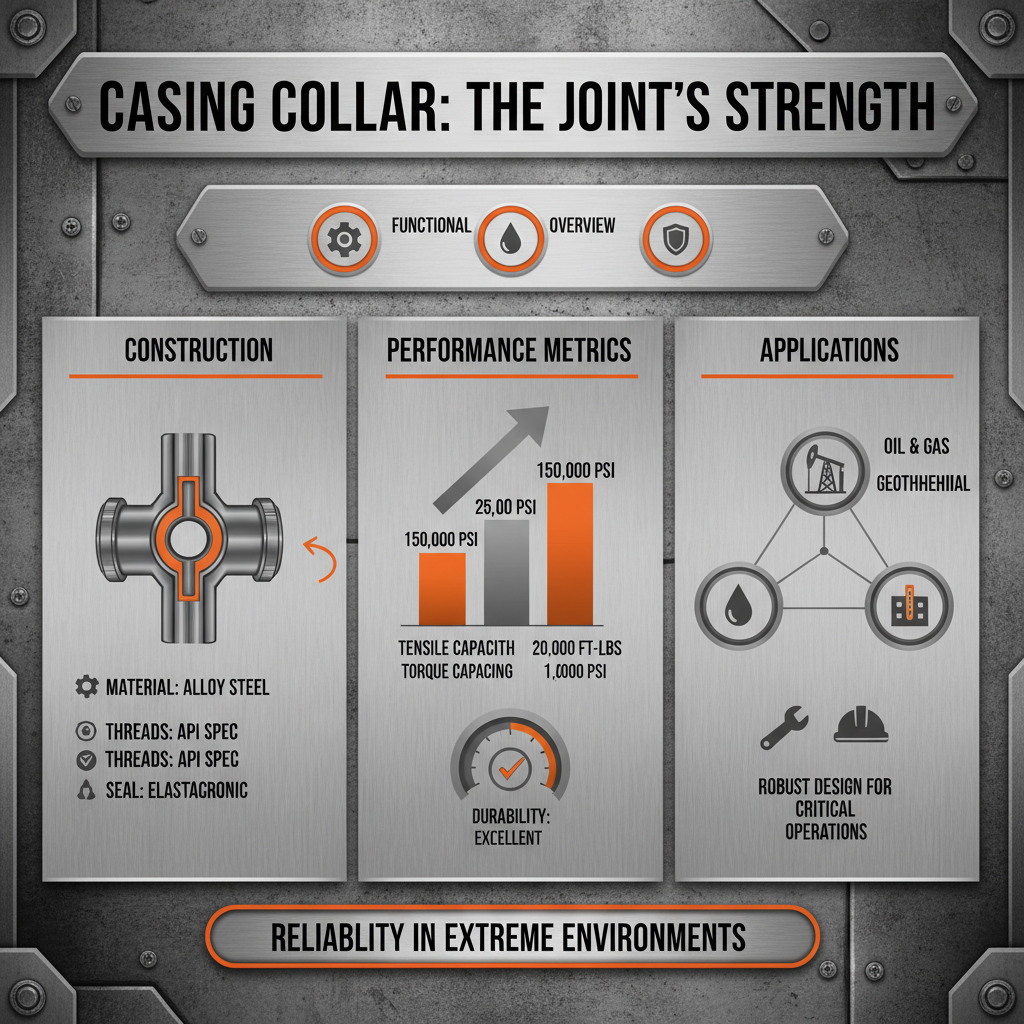
The primary role of a casing collar is to transmit tensile, compressive, and torsional loads along the wellbore. They are also designed to withstand internal and external pressures, preventing fluid migration between formations. Different types of casing collars are available, each suited to specific well conditions and operational requirements, including flush-joint collars, premium connections, and expansion collars.
Understanding the relationship between casing collars and well integrity is essential. A properly functioning casing collar system isolates zones, preventing cross-contamination of fluids and ensuring the safe and sustainable production of hydrocarbons. This function is vital for both conventional and unconventional resource development.
Key Factors Influencing Casing Collar Performance
Material Selection: The materials used in casing collar construction significantly impact their strength, corrosion resistance, and overall performance. High-alloy steels are commonly employed to withstand harsh wellbore environments, but the specific alloy composition is tailored to the anticipated conditions. Proper material selection is crucial to prevent premature failure and maintain well integrity.
Connection Design: The design of the connection threads and sealing surfaces is critical for ensuring a leak-proof and reliable connection. Various connection designs are available, each offering different levels of performance and torque capacity. Premium connections, for example, often incorporate advanced features like metal-to-metal seals and torque-controlled makeup to enhance reliability.
Manufacturing Precision: Accurate manufacturing tolerances are essential for ensuring proper fit and alignment between casing collar components. Deviations from specified tolerances can compromise the connection's strength and sealing capabilities. Quality control procedures throughout the manufacturing process are therefore vital.
Installation Procedures: Correct installation practices, including proper torque application and thread cleaning, are crucial for achieving optimal casing collar performance. Improper installation can lead to thread damage, insufficient sealing, and premature failure. Following manufacturer’s recommendations and employing trained personnel are essential.
Corrosion Resistance: The wellbore environment can be highly corrosive due to the presence of saltwater, hydrogen sulfide, and carbon dioxide. Selecting casing collars with appropriate corrosion-resistant coatings or materials is essential for prolonging their lifespan and preventing failures.
Global Applications and Industry Use Cases
Casing collars are ubiquitous in oil and gas exploration and production worldwide, from the vast shale plays of North America to the deepwater fields off the coast of Brazil and Africa. Their application is particularly critical in challenging environments where wellbore stability is a concern.
In post-disaster relief operations, casing collars are sometimes repurposed for rapid water well construction, providing access to clean water in emergency situations. This illustrates the versatility of these components beyond their primary oilfield application. Remote industrial zones often rely on casing collar technology for efficient construction of robust wells for process and cooling water.
The demand for casing collars is closely linked to global energy consumption patterns. As developing nations increase their energy demands, the need for reliable and efficient oil and gas production will continue to drive the market for casing collar technology. Furthermore, the increasing focus on unconventional resource development – such as shale gas and tight oil – is creating new challenges and opportunities for casing collar manufacturers.
Casing Collar Performance Comparison
Advantages and Long-Term Value Proposition
The primary advantage of utilizing high-quality casing collars lies in the enhanced safety and reliability of well operations. By minimizing the risk of wellbore failures, these components protect personnel, the environment, and valuable infrastructure. Reduced downtime for repairs and maintenance translates into significant cost savings over the well’s lifespan.
From a sustainability perspective, robust casing collars contribute to responsible resource management by preventing fluid migration and minimizing the potential for environmental contamination. Utilizing durable materials and advanced designs extends the lifespan of the well, reducing the need for frequent interventions and associated environmental impacts.
Future Trends and Innovations in Casing Collar Technology
The future of casing collar technology is focused on digitalization and automation. Real-time monitoring of casing collar performance using embedded sensors is becoming increasingly common, providing valuable data for predictive maintenance and proactive risk management. This data-driven approach enhances operational efficiency and reduces the likelihood of unexpected failures.
Developments in materials science are also driving innovation, with the emergence of new alloys and coatings offering improved corrosion resistance and higher strength-to-weight ratios. Furthermore, additive manufacturing (3D printing) is being explored as a potential method for producing customized casing collars with optimized designs for specific well conditions.
Challenges and Solutions in Casing Collar Implementation
One of the key challenges in casing collar implementation is ensuring consistent quality control throughout the supply chain. Counterfeit or substandard components can compromise well integrity and lead to costly failures. Implementing rigorous inspection and certification processes is crucial for mitigating this risk.
Another challenge is optimizing casing collar selection for increasingly complex well designs. Advanced modeling and simulation tools can help engineers predict the stresses and strains on casing collars under various operating conditions, allowing for informed selection of the most appropriate technology. Collaboration between manufacturers and operators is also essential for developing customized solutions that meet specific well requirements.
Addressing logistical challenges related to the transportation and handling of large, heavy casing collars is also critical. Developing efficient and reliable supply chain management systems can minimize delays and ensure that casing collars are delivered to the wellsite on time and in good condition.
Summary of Common Casing Collar Challenges and Mitigation Strategies
| Challenge Area |
Impact on Operations |
Mitigation Strategy |
Cost Estimate (USD) |
| Quality Control Issues |
Wellbore Failure, Environmental Risk |
Rigorous Inspection, Certification |
$5,000 - $20,000 per well |
| Corrosion in Harsh Environments |
Reduced Lifespan, Increased Maintenance |
Corrosion-Resistant Alloys, Coatings |
$10,000 - $50,000 per well |
| Improper Installation |
Leakage, Connection Failure |
Training, Torque Monitoring |
$2,000 - $8,000 per well |
| Complex Well Designs |
Suboptimal Collar Selection |
Advanced Modeling, Simulation |
$15,000 - $60,000 per well |
| Supply Chain Disruptions |
Delays, Increased Costs |
Diversified Suppliers, Inventory Management |
$5,000 - $15,000 per well |
| Extreme Temperature Variations |
Material Degradation, Seal Failure |
Specialized Materials, Thermal Expansion Design |
$8,000 - $35,000 per well |
FAQS
Standard casing collars are typically manufactured to API specifications and are suitable for general-purpose applications. Premium casing collars, on the other hand, are engineered with enhanced features such as metal-to-metal seals, optimized thread designs, and higher torque capacities. They are designed for challenging environments and critical applications where well integrity is paramount, providing a more robust and reliable connection.
Casing collars should be inspected before installation, during running, and periodically throughout the well's life. Pre-installation inspections verify the collar's dimensional accuracy and the integrity of its threads. During running, visual inspections should be performed to detect any damage or misalignment. Regular inspections during production help identify potential issues before they escalate into major failures.
Common causes of casing collar failure include corrosion, galling, over-torquing, under-torquing, thread damage, and material defects. Environmental factors, such as high temperatures, pressures, and corrosive fluids, can accelerate these failure mechanisms. Proper material selection, careful installation, and regular inspections are crucial for preventing failures.
Torque is a critical parameter in casing collar performance. Applying the correct torque ensures proper thread engagement and creates a leak-proof seal. Over-torquing can damage the threads, while under-torquing can lead to leakage. Torque-controlled makeup systems are often used to precisely control the applied torque and ensure consistent connection quality.
Advanced materials, such as high-alloy steels and non-metallic alloys, enhance casing collar reliability by providing superior corrosion resistance, higher strength, and improved fatigue life. These materials can withstand harsher wellbore environments and maintain their integrity for extended periods, reducing the risk of failure and extending the well's productive life.
Emerging technologies include the use of fiber optic sensors embedded within the casing collar to monitor strain, temperature, and pressure in real-time. This data can be used to detect potential issues before they escalate into major failures. Wireless telemetry systems are also being developed to transmit data from downhole to the surface without the need for wired connections.
Conclusion
In conclusion, casing collars represent a foundational element in ensuring the safety, reliability, and efficiency of oil and gas operations, and indeed, any application relying on robust tubular connections. From their critical role in maintaining wellbore integrity to the advancements in materials and monitoring technologies, casing collars continue to evolve to meet the challenges of increasingly complex environments. Investing in high-quality casing collars and implementing proper installation and maintenance procedures are essential for minimizing risks and maximizing the long-term value of well assets.
Looking ahead, the integration of digital technologies, such as real-time monitoring and predictive analytics, will further enhance the performance and reliability of casing collars. Continued research and development in materials science will lead to even more durable and corrosion-resistant solutions. To learn more about our comprehensive range of casing collars and how we can support your operations, visit our website at www.wjpetroleum.com.