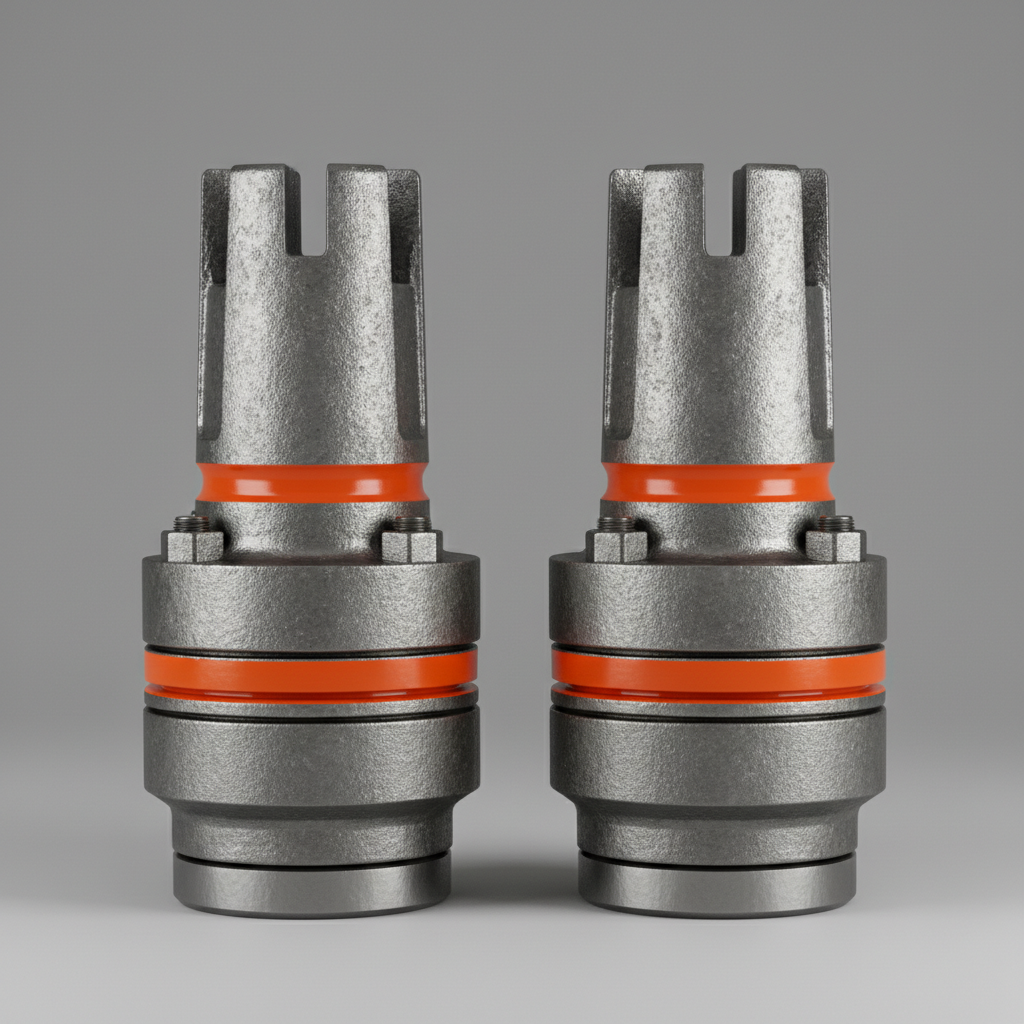
In the high-pressure environment of oil and gas extraction, the integrity of every single connection can determine the success or failure of a multi-million dollar drilling operation. The 2 bull plug serves as a critical termination component, designed to provide a secure, leak-proof seal at the end of a pipe run, ensuring that hazardous fluids and gases remain contained. By effectively blocking off unused ports or sealing the end of a string, these components prevent contamination and maintain the internal pressure necessary for efficient production.
Globally, the demand for precision-engineered drilling accessories has surged as operators push into deeper, more hostile geological formations. The 2 bull plug is not merely a cap; it is a safety barrier that adheres to rigorous API standards to withstand extreme axial loads and corrosive environments. Understanding the material science and threading precision behind these plugs is essential for engineers looking to minimize non-productive time (NPT) and enhance rig safety.
Whether integrated into a complex assembly of Casing Pup Joints or used as a temporary seal during maintenance, the reliability of a 2 bull plug is paramount. From preventing the ingress of debris in remote offshore platforms to ensuring the stability of onshore wellheads, this small but mighty component plays a disproportionate role in the overall operational security of the energy sector.
Engineering Standards of the 2 Bull Plug
The engineering of a 2 bull plug is governed by strict dimensional tolerances and thread specifications, typically aligning with API 5B or similar international standards. These standards ensure that the plug can be seamlessly integrated with other components like Casing Couplings or Tubing Pup Joints, regardless of the manufacturer, providing a universal fit that is critical during emergency rig-down operations.
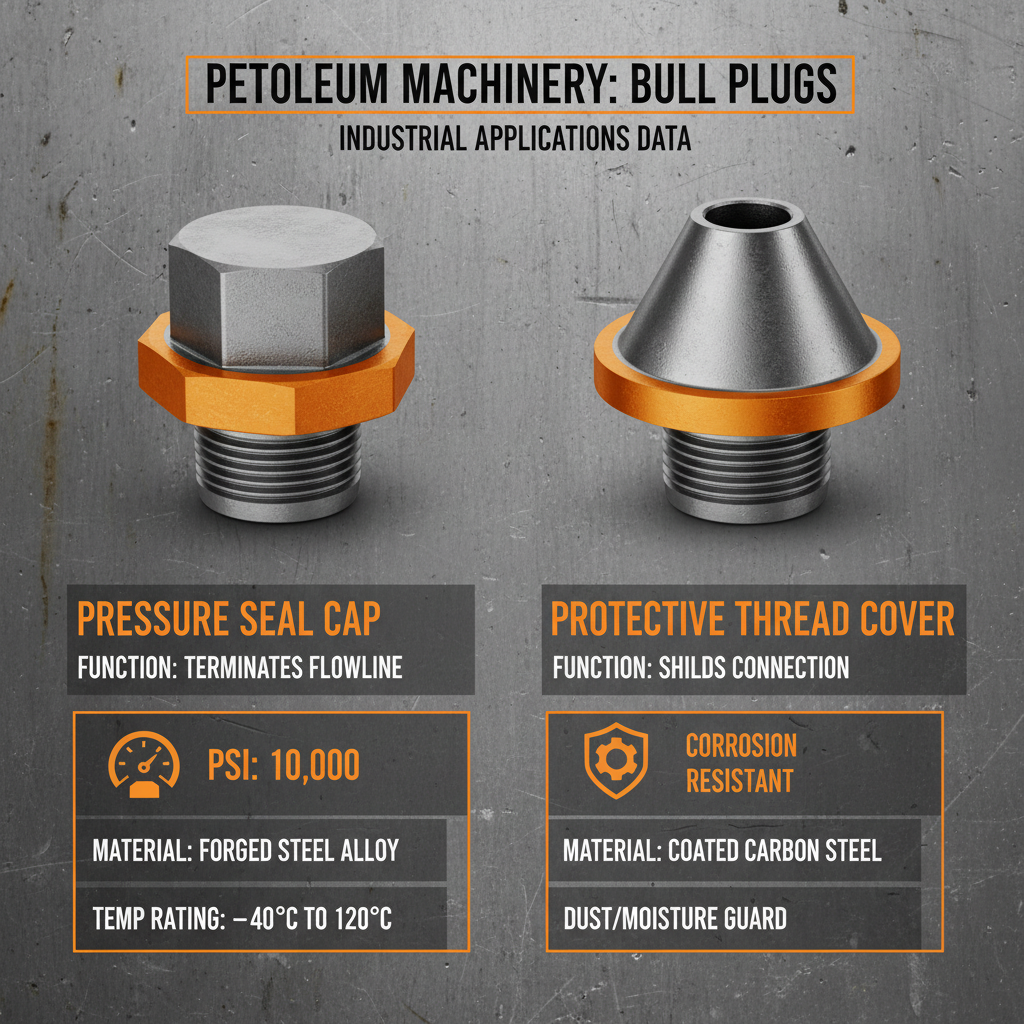
Beyond simple dimensions, the structural integrity of the plug is designed to handle immense compressive forces. By employing a heavy-walled hexagonal or square head, the 2 bull plug allows for maximum torque application during installation, ensuring a gas-tight seal that can withstand the fluctuating pressures inherent in deep-well drilling.
Material Selection for High-Pressure Environments
Choosing the right material for a 2 bull plug is a balancing act between strength and corrosion resistance. In standard applications, high-grade carbon steel is utilized for its immense tensile strength; however, in "sour" wells containing H2S, operators must opt for Chrome-alloy or Nickel-based alloys to prevent sulfide stress cracking.
The metallurgical properties of the 2 bull plug are often enhanced through heat treatment processes such as quenching and tempering. This optimizes the hardness of the threading surface while maintaining a ductile core, preventing the plug from becoming brittle under the extreme cold of Arctic drilling or the intense heat of geothermal reservoirs.
Furthermore, surface coatings such as phosphate or zinc-plating are frequently applied to the 2 bull plug. These coatings act as a first line of defense against oxidation and brine exposure, significantly extending the service life of the component and reducing the frequency of costly replacements.
Critical Installation Factors for 2 Bull Plug
Proper installation of a 2 bull plug begins with a meticulous inspection of the receiving threads. Any debris, burrs, or oxidation on the pipe end can lead to improper seating, creating microscopic leak paths that can lead to catastrophic pressure loss over time.
The application of thread compound is a non-negotiable step when securing a 2 bull plug. High-performance lubricants not only reduce friction during the make-up process but also act as a secondary sealant, filling the voids between the crests and roots of the threads to ensure a hermetic seal.
Finally, torque monitoring is essential to avoid over-stressing the 2 bull plug. Utilizing calibrated torque wrenches ensures that the plug is tightened to the specific foot-pounds required by the API specification, preventing thread deformation while guaranteeing a secure closure.
Comparative Performance Analysis
When evaluating different sealing strategies, the 2 bull plug often outperforms temporary caps due to its robust construction and permanent sealing capabilities. While lighter alternatives may suffice for transport, the bull plug is engineered for active pressure containment.
The efficiency of the 2 bull plug is measured by its ability to maintain a seal under thermal cycling. As temperatures shift during the drilling process, the material expands and contracts; a high-quality plug maintains its grip, whereas inferior products may loosen, leading to hazardous leaks.
Performance Metrics of 2 Bull Plug Variations
Global Field Applications and Use Cases
In the Permian Basin of the United States, the 2 bull plug is frequently used during the completion phase of shale wells to seal off auxiliary lines before the final production tubing is set. This prevents the infiltration of fracking fluids into the surrounding environment and protects the wellbore from external contamination.
Conversely, in the North Sea's offshore platforms, where saltwater corrosion is a constant threat, the use of specialized 2 bull plug components made from super-duplex stainless steel is standard. Here, the focus is on longevity and the reduction of maintenance intervals, as the cost of sending a crew for a simple plug replacement is prohibitively high.
Long-term Value and Reliability Metrics
The long-term value of investing in a premium 2 bull plug is found in the drastic reduction of leak-related downtime. While a budget plug may seem cost-effective upfront, the operational cost of a single leak—including environmental fines and lost production—far outweighs the initial price difference of a certified, high-grade component.
Reliability metrics for these components are tracked through "mean time between failures" (MTBF). High-end 2 bull plug units demonstrate exceptional stability over decades, meaning once installed and torqued correctly, they rarely require intervention, providing peace of mind to site supervisors and safety officers.
Moreover, the use of these plugs enhances the overall asset value of the oil field. A well-maintained system using standardized 2 bull plug seals is more attractive to investors and auditors, as it demonstrates a commitment to international safety and environmental standards.
Future Innovations in Sealing Technology
The future of the 2 bull plug lies in the integration of smart materials. Researchers are exploring the use of shape-memory alloys that can automatically tighten their seal in response to temperature increases, effectively creating a "self-healing" plug that eliminates the possibility of thermal-induced leaks.
Digital transformation is also reaching the drill floor. Future 2 bull plug designs may incorporate RFID tags or embedded sensors that allow engineers to remotely monitor the tension and integrity of the seal without having to physically visit the wellhead, streamlining the inspection process.
Sustainability is another driving force, with a shift toward "green" alloys that offer the same performance as traditional materials but with a lower carbon footprint during manufacturing. The next generation of the 2 bull plug will not only be stronger and smarter but also more environmentally responsible.
Analysis of 2 Bull Plug Specifications and Material Performance
| Material Grade |
Pressure Rating (PSI) |
Corrosion Resistance |
Application Suitability |
| Carbon Steel (L80) |
5,000 - 10,000 |
Moderate |
Standard Onshore Wells |
| 13Cr Stainless |
10,000 - 15,000 |
High |
CO2 Rich Environments |
| Super Duplex |
15,000+ |
Excellent |
Offshore / Deepwater |
| Inconel 718 |
20,000+ |
Extreme |
High-Pressure High-Temp (HPHT) |
| Galvanized Steel |
2,000 - 5,000 |
Low/Medium |
Temporary Capping |
| Custom Alloy X |
12,000 |
Very High |
H2S Sour Gas Wells |
FAQS
A 2 bull plug is specifically engineered for high-pressure containment and is typically machined from a solid piece of forged steel, whereas a standard cap may be formed from sheet metal or have thinner walls. Bull plugs offer superior strength and are designed to withstand the extreme axial and radial pressures found in oil and gas extraction, making them far more reliable for permanent or high-risk sealing applications.
Material selection depends on the chemical composition of the well fluids and the environmental conditions. For standard applications, carbon steel is sufficient. However, if you are dealing with CO2 or H2S (sour gas), you must select 13Cr or Nickel-based alloys to prevent stress corrosion cracking. Always refer to the NACE MR0175 standard to ensure the material is compatible with your specific corrosive environment.
While technically possible, it is not recommended for high-pressure applications. The threads of a 2 bull plug can undergo deformation or wear during the initial make-up and subsequent break-out. To ensure a 100% leak-proof seal, it is best practice to inspect the threads under magnification; if any galling or wear is present, the plug should be replaced to avoid potential failure in the field.
Torque specifications vary based on the thread type (e.g., API Regular, BTC, or Premium) and the size of the plug. You should always consult the manufacturer's torque chart or the API 5B guidelines. Using an under-torqued plug can lead to leaks, while over-torquing can strip the threads or cause the plug to crack, compromising the entire seal.
Yes, provided that the threading and size match. The 2 bull plug is designed to be a universal terminator for various pipe-end accessories. Since Casing Pup Joints and Casing Couplings follow standardized API threading, the bull plug can be easily threaded onto the end of a pup joint to seal a line during the transition between different drilling phases.
Inspection intervals depend on the criticality of the well. For high-pressure or high-corrosion environments, visual inspections for external corrosion and ultrasonic testing for wall thickness should be performed annually. In less volatile environments, inspections every 3-5 years may suffice. Any sign of seepage or external oxidation should trigger an immediate evaluation and potential replacement.
Conclusion
The 2 bull plug is a fundamental yet indispensable component in the architecture of modern oil and gas extraction. From its rigorous engineering standards and diverse material options to its critical role in preventing leaks and ensuring rig safety, the bull plug represents the intersection of precision metallurgy and practical field application. By adhering to correct installation protocols and selecting materials suited for the environment, operators can significantly enhance the reliability of their infrastructure.
Looking ahead, the integration of smart materials and digital monitoring will continue to evolve the 2 bull plug from a passive seal into an active safety asset. For companies aiming to optimize their production and minimize environmental risk, investing in high-quality, API-certified sealing components is the most effective strategy for long-term operational success. For more professional drilling solutions, visit our website: www.wjpetroleum.com