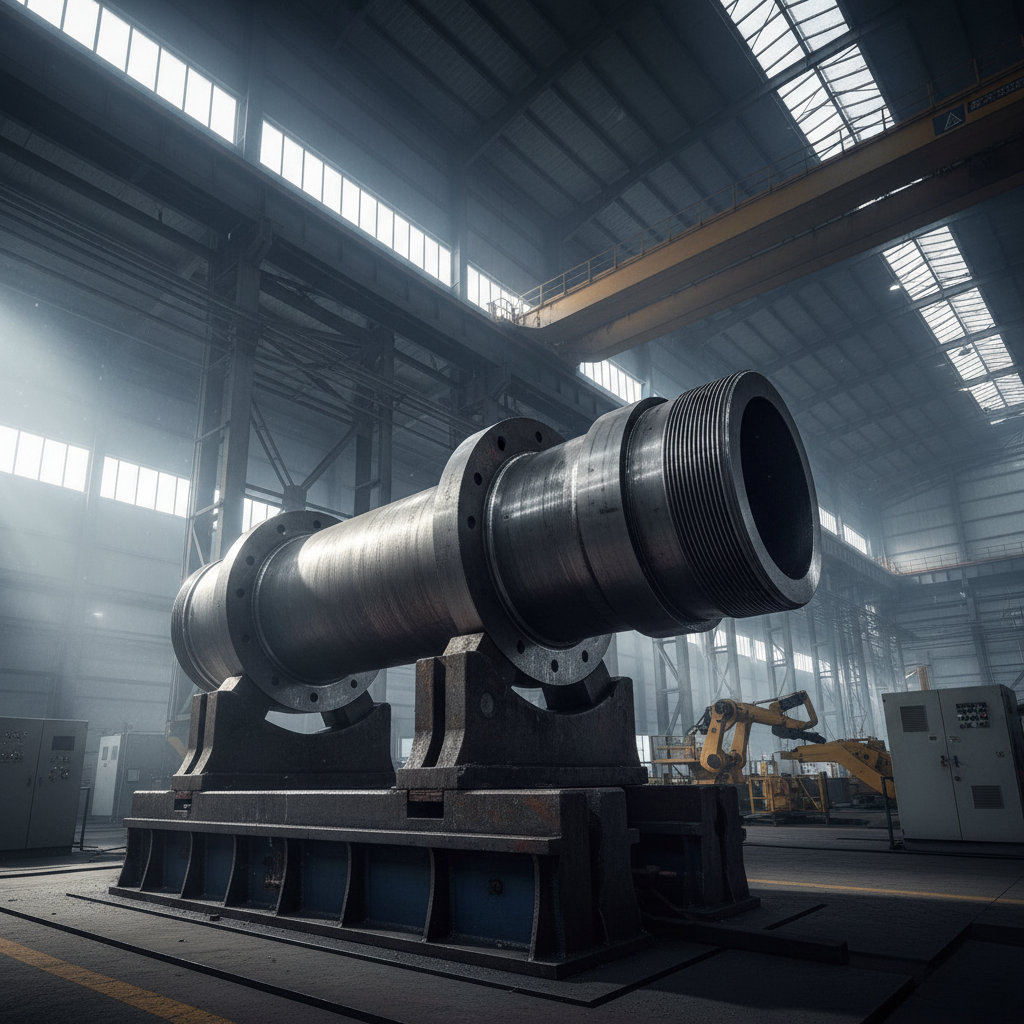
Honestly, things have been moving fast in the casing coupling world lately. Everyone's talking about high-strength alloys, trying to shave off weight while boosting durability. I was at a factory in Tianjin last month, and they were practically obsessed with this new chromium-molybdenum steel. Smells a bit like burnt metal when you weld it, not pleasant, but apparently it's worth it. It’s all about getting that extra yield strength, you know? Because if it fails downhole, well… that’s a headache nobody wants.
And you wouldn’t believe how many guys fall for the trap of over-engineering. They’ll design a coupling that can withstand pressures it'll never see, but forget about the little things like corrosion resistance in specific well environments. Or they make the damn thing so complicated, it takes three guys and a toolbox to assemble it. Simplicity, that's what I always say.
We mostly use 4140 and 4340 steel for the couplings. Feel pretty solid in your hand, a little oily to the touch, which is good – means it’s been properly treated. We’ve also been playing with duplex stainless steels lately; they’re a bit more expensive, but hold up much better in saltwater environments. The smell is different though…more…metallic? It’s hard to describe. And let me tell you, handling those things without gloves is a mistake you make only once.
The Latest Trends in Casing Coupling
To be honest, the biggest trend is miniaturization. Especially for directional drilling. Guys want to get couplings smaller and lighter without sacrificing strength. It's a tough balance. We're seeing a lot of research into composite materials, but nothing's really taken off commercially yet. Too many reliability concerns, you know? It’s also about speed now. Faster make-up and break-out times. Every minute downhole costs money.
And everyone's obsessed with traceability. They want to know where every piece of steel came from, what heat treatment it got, who inspected it, everything. It’s becoming a regulatory thing, which is good, I guess. Less room for error.
Design Pitfalls & Common Mistakes
Have you noticed how many designs just ignore the realities of the field? Engineers sitting in an office thinking about theoretical pressures while the guys on the rig are battling mud, corrosion, and sheer fatigue. Strangely, a lot of them forget about the thread form. You need something that's easy to clean, resistant to galling, and can handle multiple make-ups and break-outs. And don’t even get me started on the sealing surfaces. If they’re not perfectly machined, you’re asking for trouble.
I encountered this at a factory in Sichuan last time – they were using a new thread sealant that looked great on paper, but it just gunked up in cold weather. Total disaster. The rig crew couldn’t get the joints apart for hours. Cost them a fortune.
Another thing is tolerance stacking. Each component has its own tolerance, and if you don't account for how those tolerances accumulate, you end up with a coupling that won’t fit, or worse, fails prematurely. It's basic stuff, but you’d be surprised how often it happens.
Materials & On-Site Handling
Like I said, 4140 and 4340 are our bread and butter. They're relatively inexpensive, readily available, and can be heat-treated to get good strength and toughness. But they’re susceptible to corrosion, especially in H2S environments. You need to use proper corrosion inhibitors. Duplex stainless is getting more popular, but it’s significantly more expensive.
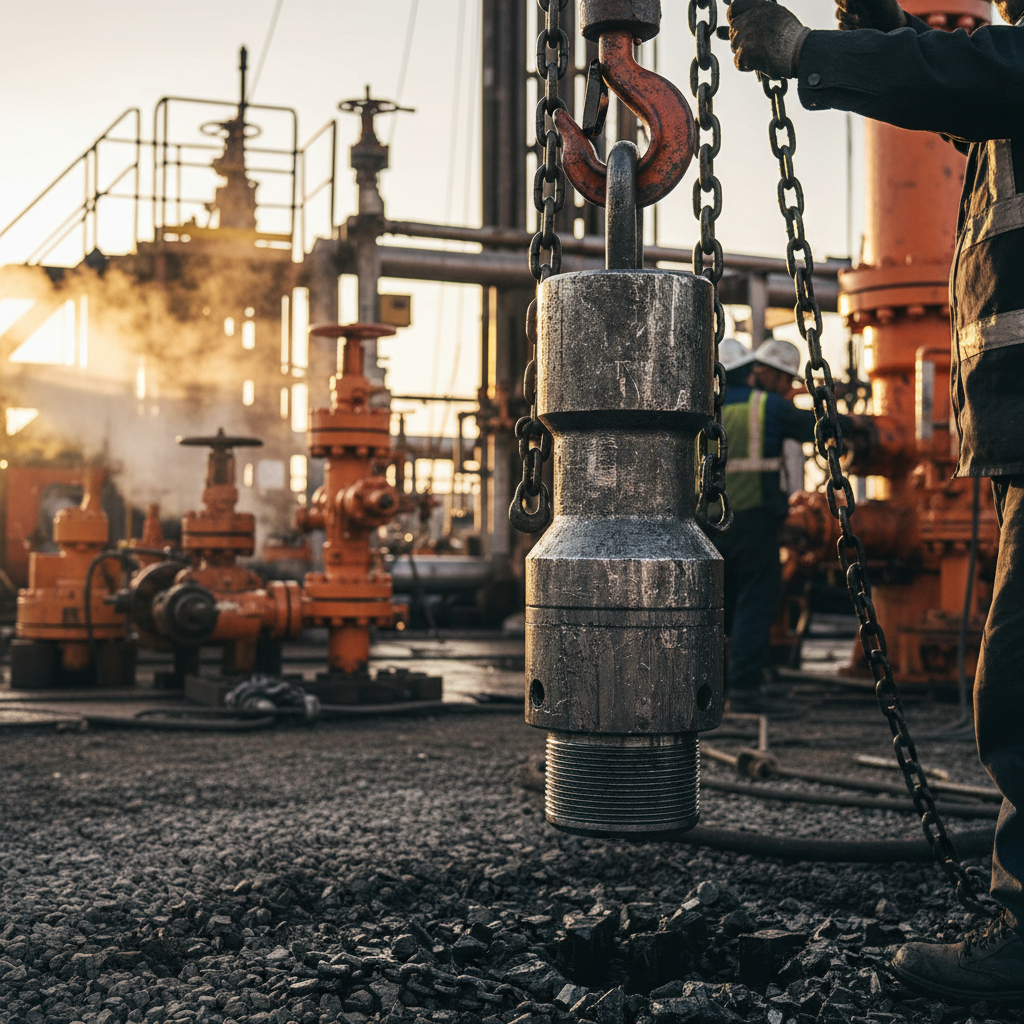
Handling those things on-site... it's rough. They're heavy, greasy, and often covered in mud. You need to use proper lifting equipment and wear gloves, seriously. I've seen guys get pinched fingers more times than I can count. And keep them clean! Dirt and grit can damage the threads and compromise the seal. Proper storage is key too - covered, dry, and protected from the elements.
We've started coating some of our couplings with a special epoxy to improve corrosion resistance and make them easier to clean. It adds a bit to the cost, but it saves a lot of headaches down the line. We’re also experimenting with different thread compounds – some are better at preventing galling, others are better at sealing in extreme temperatures.
Testing Procedures: Beyond the Lab
Lab tests are important, sure. We do tensile testing, yield strength testing, corrosion testing, the whole nine yards. But honestly, the real test is what happens downhole.
We send couplings to several trusted drilling contractors for field testing. We install them in actual wells and monitor their performance over time. We look for signs of corrosion, wear, and fatigue. We also collect data on make-up and break-out times. That's where you really find out what works and what doesn't.
Casing Coupling Performance Metrics
Real-World Application & User Habits
You know, it’s funny. We design these couplings for specific applications, but the guys in the field always find a way to use them in ways we never anticipated. They’ll use them as temporary supports, as anchors for cables, even as makeshift hammers. Seriously!
We've had customers using our couplings in geothermal wells, saltwater disposal wells, even in some experimental carbon capture projects. The applications are surprisingly diverse.
Advantages, Disadvantages & Customization
The biggest advantage of our couplings is their reliability. They're built to last, even in harsh environments. They're also relatively easy to install and maintain. Disadvantages? They're not the cheapest option on the market, but you get what you pay for. And some of the larger couplings can be a bit cumbersome to handle.
We offer a lot of customization options. We can adjust the length, diameter, thread form, and material to meet specific customer requirements. Last year, a customer in the North Sea wanted a coupling with a special coating to resist hydrogen embrittlement. It was a challenging project, but we delivered.
A Customer Story: The Shenzhen Smart Home Fiasco
Anyway, I think about this one all the time. Last month, that small boss in Shenzhen who makes smart home devices insisted on changing the interface to for some reason – said it was "more modern." He wanted to use our couplings to connect these sensors in his smart home system. We tried to tell him it was overkill, that a standard threaded connection would be much more reliable, but he wouldn't listen. He wanted sleek, he wanted cutting-edge.
The result? The connectors kept failing because the port couldn't handle the vibrations and constant movement. He ended up having to recall the entire product line, costing him a fortune. He called me up, practically begging for help, but it was too late.
It just goes to show, sometimes the simplest solution is the best. And listening to the guys on the ground is critical.
Summary of Casing Coupling Critical Characteristics
| Key Characteristic |
Importance Level (1-10) |
Typical Failure Mode |
Mitigation Strategy |
| Thread Integrity |
10 |
Stripping, Galling |
Proper Lubrication, Torque Control |
| Corrosion Resistance |
9 |
Pitting, Crevice Corrosion |
Material Selection, Coatings |
| Seal Integrity |
8 |
Leakage, Blowout |
Proper Sealing Compound, Tightening Procedure |
| Material Strength |
7 |
Yielding, Fracture |
Appropriate Alloy Selection, Heat Treatment |
| Dimensional Accuracy |
6 |
Fit Issues, Stress Concentration |
Precision Machining, Quality Control |
| Surface Finish |
5 |
Increased Friction, Corrosion Hotspots |
Polishing, Coating |
FAQS
Honestly, it's usually a combination of factors. Corrosion is a big one, especially in harsh environments. Then there's improper make-up torque – too loose and you get leaks, too tight and you risk damaging the threads. And let’s not forget the simple stuff: physical damage during handling and transportation. A dropped coupling can be a costly mistake.
Critical. Absolutely critical. It creates a barrier against leaks and prevents corrosion. You need to choose a sealant that’s compatible with the well fluids and temperatures. And apply it correctly! Too little and you'll get leaks, too much and it can contaminate the well. We recommend a specific sealant for each application.
It depends. If the threads are in good condition and the sealing surfaces aren’t damaged, then yes, they can be reused. But you need to inspect them thoroughly before each reuse. Check for any signs of wear, corrosion, or damage. If in doubt, replace it. It’s not worth risking a failure downhole.
That varies depending on the size and type of coupling. There’s a torque specification for each one. It’s crucial to use a calibrated torque wrench and follow the manufacturer’s recommendations. Over-torquing can damage the threads, and under-torquing can lead to leaks. It's a delicate balance.
API 5CT is the main standard to look for. It covers the specifications for casing and tubing. Also, look for manufacturers that have ISO 9001 certification – that indicates they have a robust quality management system. Don't skimp on quality; it can save you a lot of money in the long run.
That's where the material selection becomes critical. You need to use high-strength alloys that can withstand those extreme conditions. Duplex stainless and super alloys are often used in those applications. We also pay close attention to the design of the sealing surfaces to ensure they maintain a tight seal under pressure. We've tested these couplings extensively in simulated downhole conditions.
Conclusion
Ultimately, we spend a lot of time talking about materials, design, and testing, but it all comes down to one thing: reliability. A casing coupling is a critical component of a well, and a failure can have serious consequences. It’s about minimizing risk, maximizing efficiency, and ensuring that the well operates safely and effectively.
And honestly, whether this thing works or not, the worker will know the moment he tightens the screw. That’s the final test. So, we build them to give them peace of mind. And if you need anything – advice, a custom solution, or just a second opinion – you know where to find us. Visit our website: www.wjpetroleum.com