In the complex world of oil and gas drilling, precision is the difference between a successful well and a costly failure. One of the most critical yet often overlooked components in the drill string is the crossover sub, a specialized tool designed to bridge the gap between two different connection types. Understanding what is a crossover sub? is essential for any drilling engineer or procurement specialist looking to optimize their tool string for maximum efficiency and safety.
Globally, the demand for versatile drilling equipment has surged as operators push into deeper, more challenging reservoirs. Whether it is transitioning from a casing pup joint to a tubing coupling or adapting different thread standards, the crossover sub serves as the "universal adapter" of the oilfield. Without these components, the logistical nightmare of mismatched equipment would lead to significant non-productive time (NPT) and increased operational risks.
By mastering the technical specifications and application scenarios of these tools, companies can ensure seamless integration of various tool strings, reduce the risk of connection failure, and improve the overall longevity of their drilling assets. From the high-pressure environments of the North Sea to the shale plays of Texas, the crossover sub remains an indispensable link in the energy extraction chain.
The Fundamental Definition of a Crossover Sub
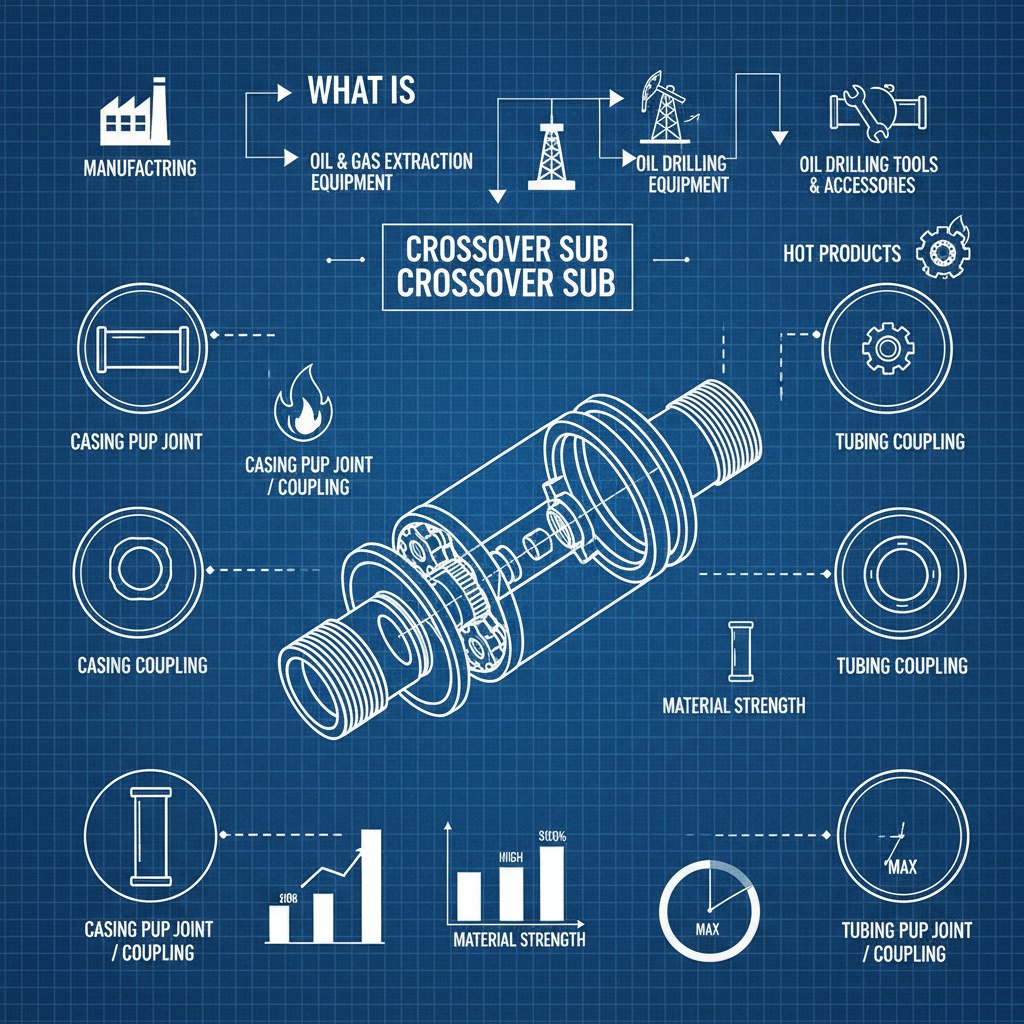
To put it simply, when someone asks what is a crossover sub?, the answer is a short piece of pipe with two different thread connections—one on each end. This allows an operator to connect two components that would otherwise be incompatible due to different thread sizes, types, or manufacturers. It is the essential bridge that allows a Tubing Pup Joint to connect to a Casing Coupling, or a drill collar to connect to a drill pipe.
Beyond just being an adapter, these subs are engineered to withstand the immense axial loads and torque encountered during drilling and completion operations. They are not merely "spacers" but high-strength structural components manufactured from premium alloys to ensure that the connection point does not become the weakest link in the drill string.
Global Industry Relevance and Standards
The global oil and gas industry relies on a dizzying array of standards, from API (American Petroleum Institute) to various proprietary premium connections. As exploration moves toward ultra-deepwater and high-pressure high-temperature (HPHT) environments, the need for precise transition tools has become a critical safety requirement. In regions like the Middle East and South America, where mixed fleets of equipment from different eras are common, the crossover sub is the only way to maintain operational continuity.
According to ISO standards for oil and gas equipment, the integrity of every joint in the string must be verified. The challenge arises when a project requires the use of specialized tools—such as high-torque connections for extended-reach drilling—that must interface with standard casing. This is where the technical application of the crossover sub solves a multi-million dollar problem by preventing the need to replace entire strings of pipe.
Moreover, the economic impact of a failed connection is staggering. A "twist-off" caused by an improper adapter can lead to days of fishing operations and potential loss of the wellbore. Consequently, the industry has moved toward high-grade E-E-A-T (Experience, Expertise, Authoritativeness, and Trustworthiness) in the manufacturing of these components, prioritizing metallurgical purity and precise machining over low-cost alternatives.
Core Technical Components and Design
The design of a crossover sub focuses on three primary pillars: material strength, thread precision, and pressure sealing. To answer what is a crossover sub? from a technical perspective, one must look at the heat-treatment process of the steel, which ensures the tool can handle the compressive and tensile stresses of thousands of feet of hanging weight.
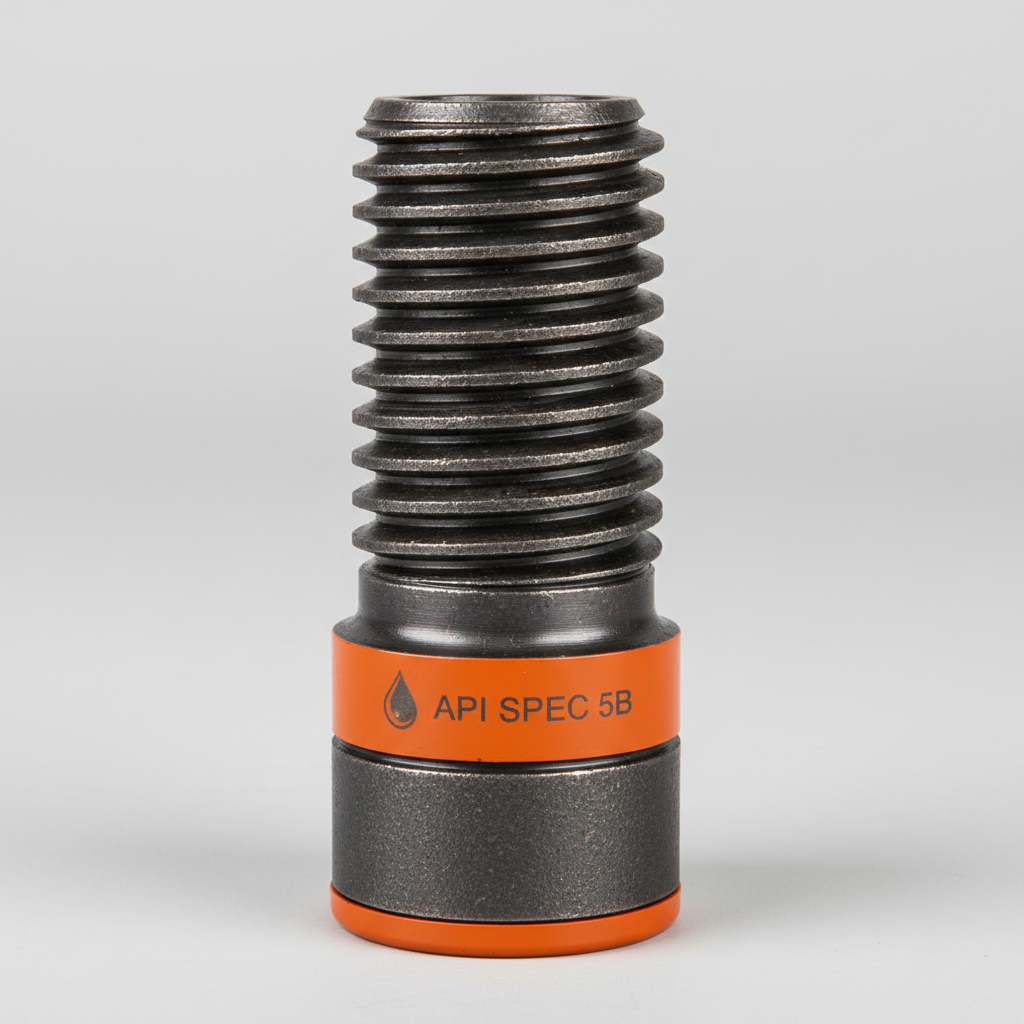
At the heart of the design is the thread profile. Whether it is an API Regular, IF (Internal Flush), or a premium gas-tight connection, the crossover sub must maintain perfect concentricity. Any deviation in the machining process can lead to uneven stress distribution, which significantly increases the risk of fatigue failure during rotation.
Finally, the internal bore of the sub must be optimized for fluid dynamics. A poorly designed internal transition can create turbulence, leading to erosion and premature wear. By ensuring a smooth transition between the two different diameters, manufacturers can maximize flow rates for drilling mud and completion fluids while maintaining the structural integrity of the tool.
Performance Metrics and Efficiency Factors
Measuring the effectiveness of a crossover sub involves analyzing its torque capacity and its resistance to hydrogen sulfide (H2S) or CO2 corrosion. In aggressive environments, a standard carbon steel sub will fail rapidly; hence, the industry utilizes Chrome or Nickel-based alloys to extend the service life. The efficiency of these tools is often measured by their "connection efficiency" rating—the percentage of the parent pipe's strength that the sub can maintain.
When evaluating different options, engineers look at the trade-off between weight and durability. A heavier wall thickness provides more safety but can increase the overall weight of the string, potentially affecting the hook load capacity of the rig. This balance is critical when determining the optimal specifications for a specific well plan.
Comparative Performance of Crossover Sub Materials
Real-World Applications in Drilling Zones
In practice, the application of a crossover sub varies by the stage of the well's life cycle. During the drilling phase, they are often used to connect the drill bit and bottom hole assembly (BHA) to the main drill string. In remote industrial zones, such as the Arctic or deep offshore basins, the ability to quickly adapt tools using crossovers prevents the need to ship entire tool strings back to the mainland for modification.
During the completion phase, these tools are used to transition from Casing Pup Joints to Tubing Pup Joints. For instance, in a high-pressure gas well, a crossover sub might be used to connect a specialized packer to the production tubing. This ensures that the seal is maintained while allowing the operator to use the most cost-effective pipe grade for the bulk of the wellbore.
Long-Term Value and Operational Reliability
The long-term value of investing in high-quality crossover subs lies in the reduction of catastrophic risk. While a generic adapter may be cheaper upfront, the "cost of failure" in an oil well—including environmental cleanup and lost production—far outweighs the initial saving. Reliability is built through rigorous testing, including Non-Destructive Testing (NDT) such as ultrasonic and magnetic particle inspection.
Beyond the technical, there is a logical and emotional angle: trust. A drilling crew's confidence in their equipment affects the speed and safety of the operation. Knowing that every what is a crossover sub? installation has been verified to meet API specifications allows the team to focus on the geological challenges rather than worrying about tool failure.
Furthermore, sustainable procurement practices are now prioritizing tools that can be refurbished and reused. High-grade crossover subs can be re-threaded and re-certified, reducing the industry's overall carbon footprint by decreasing the amount of steel that needs to be smelted and transported globally.
Future Innovations in Crossover Technology
The future of crossover subs is being shaped by digital transformation and advanced material science. We are seeing the introduction of "Smart Subs" embedded with sensors that can transmit real-time data on torque and stress levels back to the surface. This allows operators to know exactly when a connection is reaching its fatigue limit, transforming maintenance from a scheduled task to a predictive one.
Automation is also playing a role. New robotic handling systems on rigs require crossover subs with standardized external profiles to ensure they can be gripped and rotated with millimeter precision. This integration of hardware and software is reducing the manual labor required on the rig floor, significantly enhancing worker safety.
Additionally, the push toward green energy is influencing the metallurgy of these tools. As the industry pivots toward geothermal drilling—which involves even higher temperatures than traditional oil wells—new ceramic-metallic composites are being tested to replace traditional steel in crossover subs, offering unprecedented heat resistance and longevity.
Comparative Analysis of Crossover Sub Specifications by Application
| Application Zone |
Preferred Material |
Critical Metric |
Risk Level |
| Shallow Onshore |
AISI 4140 Steel |
Cost Efficiency |
Low |
| Deepwater Offshore |
High-Strength Alloy |
Tensile Strength |
High |
| Sour Gas Well |
13Cr / Super Chrome |
Corrosion Resistance |
Very High |
| HPHT Reservoirs |
Nickel-Based Alloy |
Thermal Stability |
Extreme |
| Geothermal Wells |
Composite/Tantalum |
Heat Conductivity |
High |
| Standard Completion |
API Grade Steel |
Thread Precision |
Medium |
FAQS
The primary purpose of a crossover sub is to act as an adapter that allows two components with different thread types or sizes to be connected securely. For example, it can connect a drill collar to a drill pipe or a casing pup joint to a tubing coupling, ensuring the drill string remains intact and functional across different equipment standards.
Material selection depends on the well environment. For standard wells, AISI 4140 steel is common. For corrosive environments containing H2S or CO2, Chrome or Nickel alloys are required to prevent stress corrosion cracking. For extreme temperatures, specialized heat-treated alloys are used to ensure the sub doesn't deform under pressure.
Crossover subs are designed for reuse. However, they must undergo a rigorous inspection process before being redeployed. This includes checking for thread wear, checking for cracks using NDT methods, and ensuring the dimensions still meet API standards. If the threads are worn, they can often be re-cut by a professional machine shop.
Using an incorrect sub can lead to "cross-threading," which damages the connections of both adjacent tools. More seriously, a sub with insufficient strength can cause a "twist-off," where the drill string breaks at the connection point. This leads to expensive fishing operations and potential loss of the wellbore.
A pup joint is a short length of pipe used to adjust the overall length of the string; it typically has the same connections on both ends. A crossover sub, conversely, is designed specifically to change the connection type from one end to the other, serving as a transition tool rather than a spacing tool.
Yes, many follow API (American Petroleum Institute) standards for thread profiles and tolerances. However, because they are used to connect disparate tools, many crossover subs are custom-manufactured to meet the specific requirements of a project's unique tool string, combining a standard API end with a proprietary premium end.
Conclusion
In summary, understanding what is a crossover sub? reveals that these tools are far more than simple adapters; they are the critical ligaments of the oil and gas drilling process. By bridging the gap between different connection standards and materials, the crossover sub enables the use of specialized tools, reduces operational downtime, and safeguards the integrity of the entire wellbore. From meticulous material selection to the adoption of smart sensor technology, the evolution of the crossover sub mirrors the industry's journey toward greater precision and safety.
As we look toward the future of energy extraction, the role of high-performance transition components will only grow. Whether you are managing a traditional oil field or pioneering geothermal energy, investing in precision-engineered crossover subs is a strategic move toward operational excellence. We encourage all operators to prioritize E-E-A-T principles in their procurement to ensure maximum reliability in the face of extreme subsurface challenges. For more information on premium drilling components, visit our website: www.wjpetroleum.com.