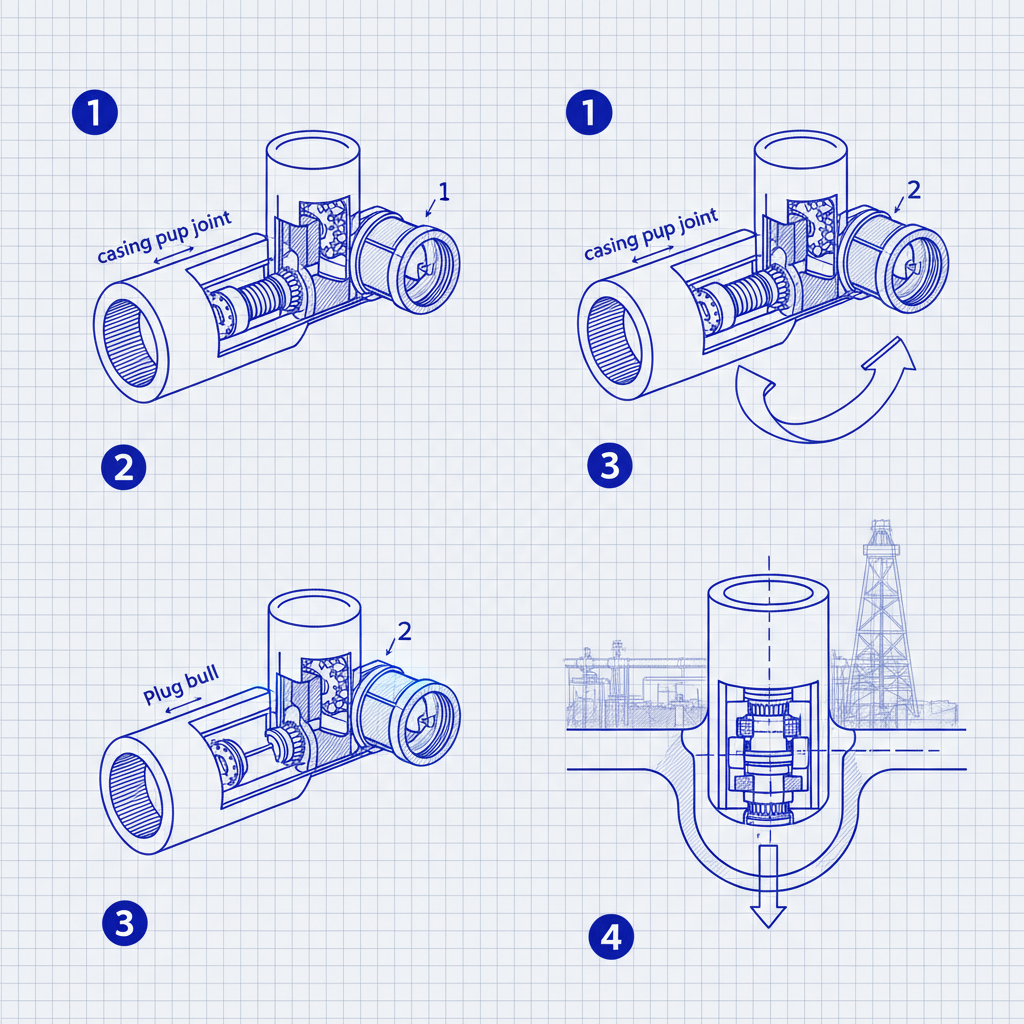
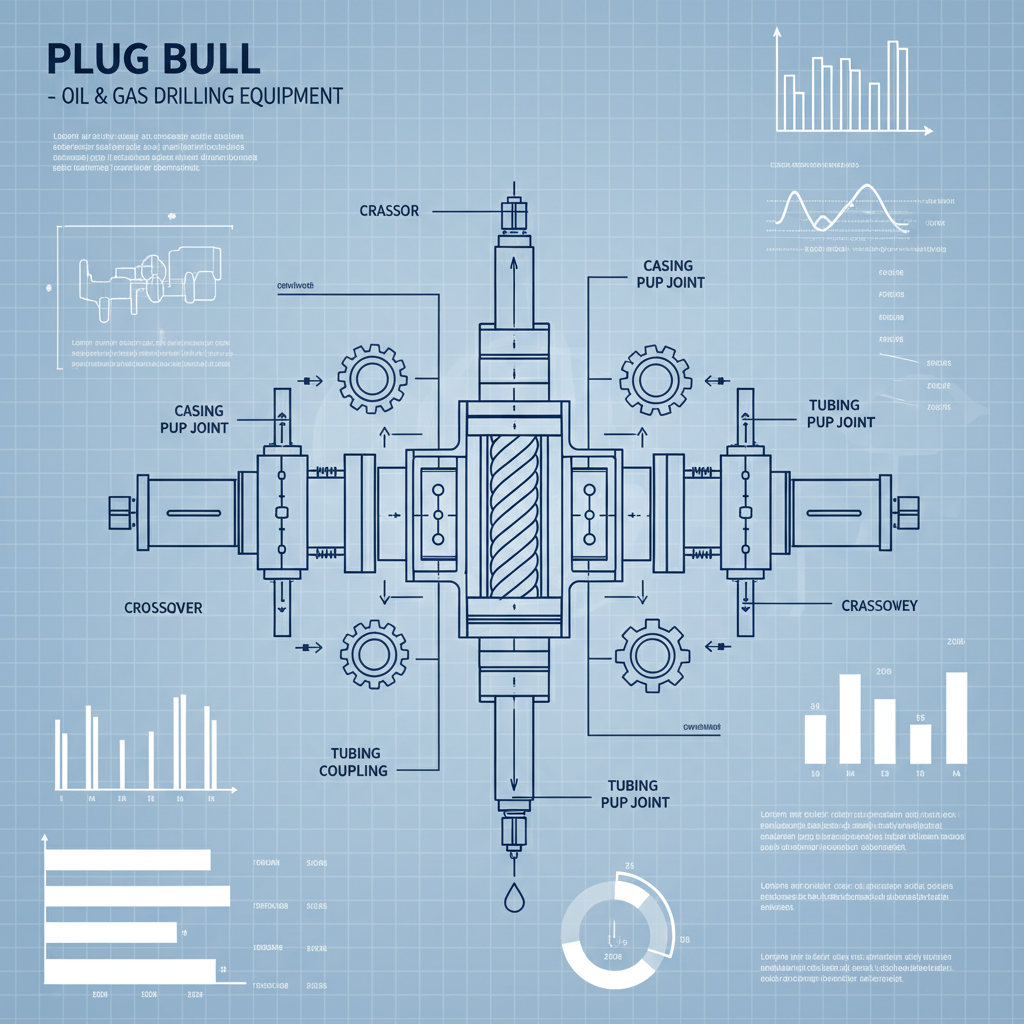
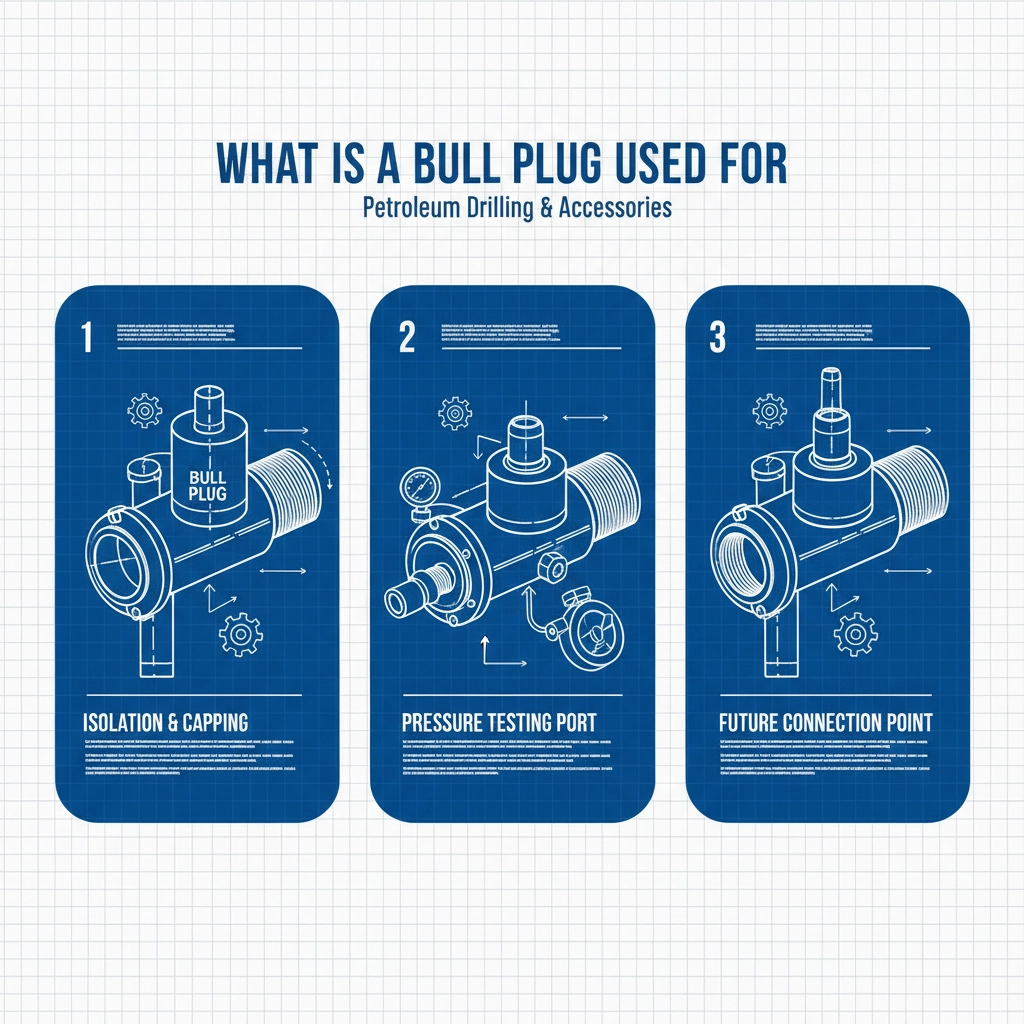
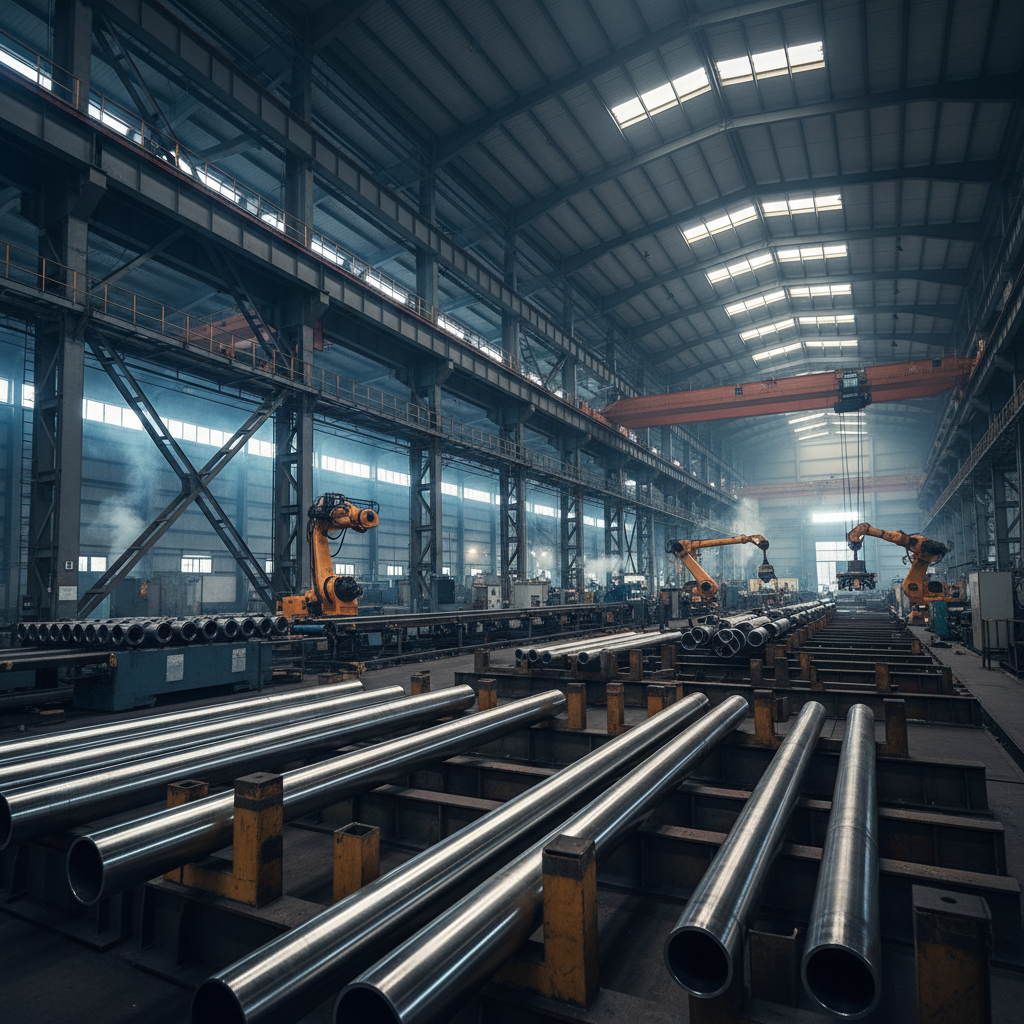
In the complex landscape of oil and gas extraction, the integrity of the wellbore is paramount to both operational safety and long-term productivity. Among the specialized components used to maintain this integrity, the plug bull serves as a critical interface, ensuring that pressure is contained and connections remain secure under extreme subterranean conditions. Understanding the nuances of these components is essential for engineers seeking to minimize downtime and maximize recovery rates in challenging reservoirs.
Globally, the demand for high-performance drilling accessories has surged as operators push into deeper, high-pressure, high-temperature (HPHT) environments. The plug bull represents a vital link in the casing and tubing string, bridging the gap between standard coupling dimensions and specific tool requirements. Without precise engineering and material selection, the risk of connection failure increases, potentially leading to catastrophic blowouts or expensive remediation work.
By focusing on the synergy between metallurgy and mechanical design, the industry has evolved the plug bull from a simple adapter into a precision-engineered tool. Whether utilized in offshore rigs in the North Sea or onshore shale plays in North America, these components are designed to withstand axial loads and corrosive fluids, making them indispensable to the modern oilfield's infrastructure.
The Technical Fundamentals of Plug Bull Design
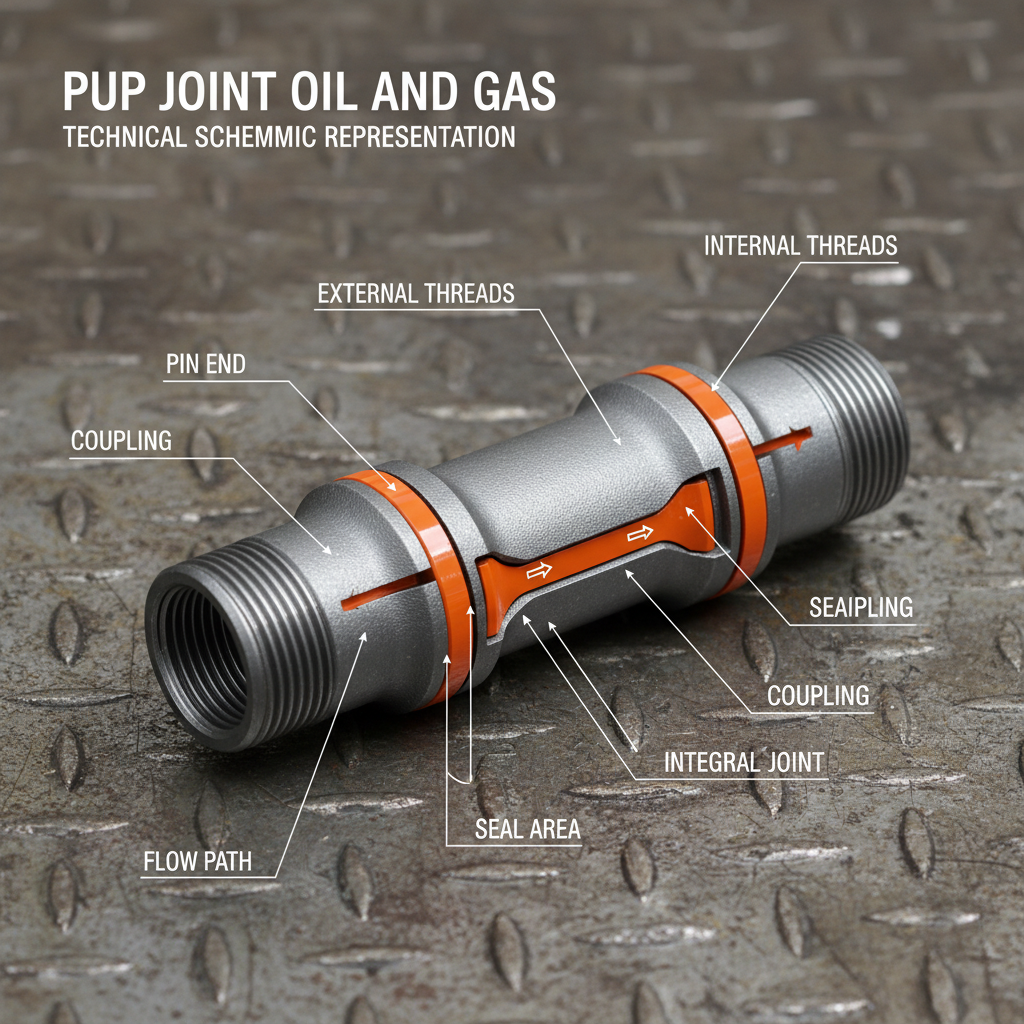
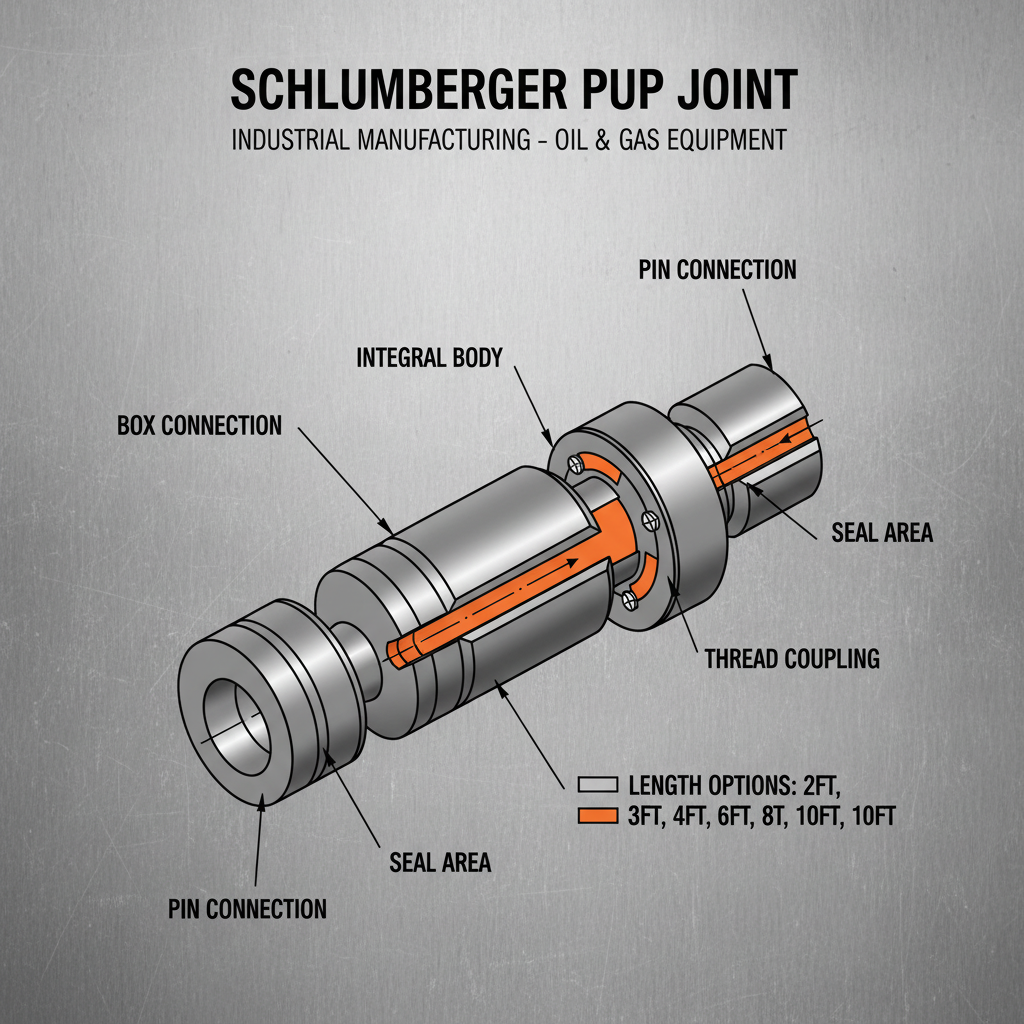
The core engineering of a plug bull centers on its ability to provide a gas-tight seal while maintaining structural rigidity. Unlike standard couplings, the plug bull is often customized to fit specific crossover needs, ensuring that the transition between different casing weights or thread types does not become a point of failure. This requires precise machining of the threads to meet API (American Petroleum Institute) standards, preventing galling and ensuring a smooth make-up process.
Beyond the threads, the internal geometry is optimized to reduce turbulence in the fluid stream. By minimizing pressure drops across the plug bull, operators can maintain higher flow rates during completion phases. This attention to detail ensures that the component supports the overall stability of the wellbore without introducing unnecessary restrictions.
Material Science and Durability Standards
The environment inside an oil well is one of the most hostile on Earth, characterized by corrosive H2S gases, high salinity brines, and crushing pressures. Therefore, the selection of materials for a plug bull is not merely a matter of cost but of survival. High-strength carbon steels are common, but for sour service environments, Chrome-moly alloys or 13Cr stainless steels are employed to prevent stress corrosion cracking.
Durability is further enhanced through specialized heat treatment processes. By normalizing and quenching the steel, manufacturers ensure that the plug bull possesses the necessary yield strength to withstand the immense tension and compression forces applied during the drilling and completion sequence. Surface coatings, such as phosphate or zinc-nickel, are often applied to provide an additional layer of protection against atmospheric corrosion during transit and storage.
Rigorous testing protocols, including Non-Destructive Testing (NDT), ultrasonic inspections, and hydrostatic pressure tests, are mandatory. These tests confirm that the plug bull is free from internal voids or micro-fractures that could expand under load. Adherence to ISO and API Q1 standards ensures that every component delivered to the rig site is capable of performing its function without fail.
Operational Integration and Installation
Integrating a plug bull into a completion string requires meticulous planning. It is typically positioned where a change in diameter or connection type is necessary, acting as a robust bridge between the casing pup joints and the main couplings. Correct torque application is the most critical factor during installation; under-torquing leads to leaks, while over-torquing can deform the threads.
The use of specialized thread compounds (dope) is essential when installing a plug bull. These compounds reduce friction and provide a secondary seal, preventing the "locking" of threads in high-temperature zones. In modern operations, computerized torque-turn monitoring systems are used to ensure that each plug bull is seated exactly to the manufacturer's specifications.
Once installed, the plug bull must be verified through pressure testing. This verification step ensures that the entire string is leak-proof before the well is put into production. By validating the integrity of these connection points, operators avoid the nightmare of "fishing" operations, where failed components must be retrieved from thousands of feet underground.
Performance Metrics and Comparative Analysis
Measuring the efficacy of a plug bull involves analyzing several KPIs: seal integrity, torque resistance, and fatigue life. In high-cycle environments—where the well undergoes frequent pressure fluctuations—the ability of the component to resist fatigue is the primary indicator of quality. Premium plug bull designs often feature modified root radii in the threads to distribute stress more evenly.
When compared to standard adapters, the specialized plug bull offers superior resistance to axial deformation. This is particularly evident in deep-water wells where the weight of the casing string exerts massive downward force. The following analysis illustrates how different design approaches for the plug bull impact overall system reliability.
Comparative Reliability of Plug Bull Design Variants
Global Applications in Diverse Geologies
The deployment of the plug bull varies significantly by region. In the Permian Basin, where shale fracking is dominant, these components are used in high volumes to facilitate rapid completion cycles. Here, the focus is on cost-efficiency and rapid make-up times without compromising the fundamental seal.
Conversely, in the deep-water fields of the Gulf of Mexico or the Brazilian pre-salt layers, the plug bull must meet extreme specifications. The combination of hydrostatic pressure from the ocean and geothermal heat from the earth requires a component that can maintain its dimensions under thermal expansion. In these contexts, the plug bull is often treated as a mission-critical asset where any failure could cost millions of dollars in lost production.
Economic Impact and Risk Mitigation
From a financial perspective, the investment in a high-quality plug bull is a form of insurance. While a premium alloy version may cost more upfront than a standard carbon steel part, the reduction in Non-Productive Time (NPT) provides a massive return on investment. A single leak at a connection point can halt operations for days, leading to rig standby costs that dwarf the price of the hardware.
Risk mitigation also involves the standardization of components. When operators use a consistent plug bull specification across a field, they simplify their supply chain and reduce the likelihood of installation errors. This standardization allows for more predictable maintenance schedules and easier auditing of well integrity.
Furthermore, the environmental impact of a failure cannot be overstated. A breach in wellbore integrity can lead to groundwater contamination or surface leaks. By ensuring that every plug bull is engineered for maximum containment, companies not only protect their profits but also fulfill their ESG (Environmental, Social, and Governance) commitments.
Future Innovations in Wellbore Plugging
The future of the plug bull lies in the integration of "smart" materials and digital monitoring. Research is currently underway into sensors that can be embedded within the plug bull to provide real-time data on stress and corrosion levels. This would transform the component from a passive piece of steel into an active monitoring node, alerting engineers to potential failures before they occur.
Additionally, additive manufacturing (3D printing) is beginning to influence the production of specialized plug bull components. This allows for the creation of complex internal geometries that are impossible to achieve with traditional CNC machining, potentially reducing fluid turbulence even further and increasing the longevity of the seal.
Sustainability is also driving innovation. The industry is exploring new, eco-friendly thread compounds and recyclable alloy blends that maintain the strength of the plug bull while reducing the carbon footprint of its manufacture. As the energy transition continues, these components will be essential not only for oil and gas but also for geothermal energy extraction.
Comparison of Plug Bull Material Specifications by Application
| Material Grade |
Corrosion Resistance |
Pressure Rating |
Primary Use Case |
| Carbon Steel (L80) |
Low |
Moderate |
Onshore Shale Wells |
| 13Cr Stainless |
High |
High |
CO2 Rich Environments |
| Nickel-Alloy (Inconel) |
Extreme |
Extreme |
Deep-Sea HPHT Wells |
| Chrome-Moly Steel |
Moderate |
High |
Standard Offshore |
| Duplex Stainless |
Very High |
High |
High Salinity Brines |
| Custom Alloy-X |
High |
Extreme |
Specialized Exploration |
FAQS
A plug bull is a precision-machined adapter used in oil and gas drilling to connect different sections of casing or tubing. It is primarily used to provide a secure, pressure-tight seal when transitioning between different thread types or diameters, ensuring that the wellbore remains stable and leak-proof under extreme subterranean pressures.
Material selection depends on the well's chemistry and pressure. For standard wells, carbon steel is sufficient. However, if H2S or CO2 is present (sour service), you must use 13Cr or nickel-based alloys to prevent corrosion. Always refer to the NACE MR0175 standard to ensure the material matches the environmental severity of your specific drilling site.
The most common failures are caused by improper torque during installation, leading to either leaks or thread deformation. Additionally, material fatigue due to extreme pressure cycling and chemical corrosion (like stress corrosion cracking) can compromise the structural integrity over time if the wrong alloy was selected.
While technically possible, it is generally discouraged. The intense stresses, heat, and corrosive exposure experienced during a well's life can create micro-fractures in the metal. To ensure safety and prevent catastrophic failure in a new well, a thorough NDT inspection and recertification are required, but replacing the component is usually more cost-effective than the risk of failure.
While both act as adapters, a plug bull is typically designed for specific capping or plugging functions within the casing string, often featuring more robust wall thicknesses and specialized sealing surfaces to handle the higher axial loads and pressure differentials found at the end of a string or at critical junction points.
You should ensure the manufacturer is API Q1 certified. The components themselves should meet API 5CT standards for casing and tubing. Additionally, request material test reports (MTRs) and certificates of compliance for NDT (Non-Destructive Testing) to verify that the metallurgy and dimensions meet the required specifications.
Conclusion
The plug bull may seem like a small component in the vast architecture of an oil well, but its role in ensuring pressure containment and structural integrity is indispensable. From the careful selection of corrosion-resistant alloys to the precision of API-standard threading, every detail of its design contributes to the safety and efficiency of global energy extraction. By balancing material science with rigorous operational standards, the industry can effectively mitigate risks and reduce costly downtime.
Looking ahead, the integration of smart sensors and additive manufacturing promises to make the plug bull even more reliable and efficient. As we move toward more challenging reserves and sustainable energy practices, the commitment to high-quality engineering in these critical components will remain the cornerstone of wellbore success. To ensure your operations are equipped with the highest standard of drilling accessories, we invite you to explore our professional solutions. Visit our website: www.wjpetroleum.com