In the high-stakes environment of oil and gas extraction, the integrity of pressure containment is paramount. A well-executed bull plug pipe layout serves as the critical final line of defense in piping systems, ensuring that inactive lines are sealed securely against extreme pressures and corrosive elements. Understanding the nuances of these layouts is not merely a technical requirement but a safety imperative for field engineers and site managers worldwide.
Globally, the demand for precision-engineered drilling accessories has surged as exploration moves into deeper and more hostile geological formations. A strategic bull plug pipe layout allows operators to isolate specific sections of a manifold or a wellhead assembly without compromising the overall system's stability. By integrating high-grade components like Casing Pup Joints and Crossover subs, companies can minimize leak paths and drastically reduce the risk of catastrophic blowouts.
Beyond immediate safety, optimizing the bull plug pipe layout contributes significantly to the operational lifespan of the infrastructure. Proper sealing prevents the ingress of contaminants and moisture, which are the primary drivers of internal corrosion in carbon steel piping. For professionals in the petroleum equipment manufacturing sector, mastering these configurations means balancing hydraulic efficiency with absolute containment reliability.
Global Relevance of Bull Plug Pipe Layout
The global energy landscape is currently characterized by a shift toward ultra-deepwater drilling and unconventional shale gas extraction. According to ISO standards for pressure piping, the failure of a single termination point can lead to environmental disasters and immense financial loss. A standardized bull plug pipe layout provides the necessary consistency across international borders, ensuring that a technician in the North Sea and an engineer in the Permian Basin follow the same safety protocols.
The challenge often lies in the volatility of pressure spikes. When a system is shut down or redirected, the remaining stagnant fluid can create "hammer" effects. By implementing a precise layout of bull plugs and couplings, operators can ensure that these forces are distributed safely across the pipe walls rather than stressing a single, weak joint. This global approach to piping architecture reduces downtime and enhances the overall sustainability of oil recovery projects.
Technical Definition and Industrial Meaning
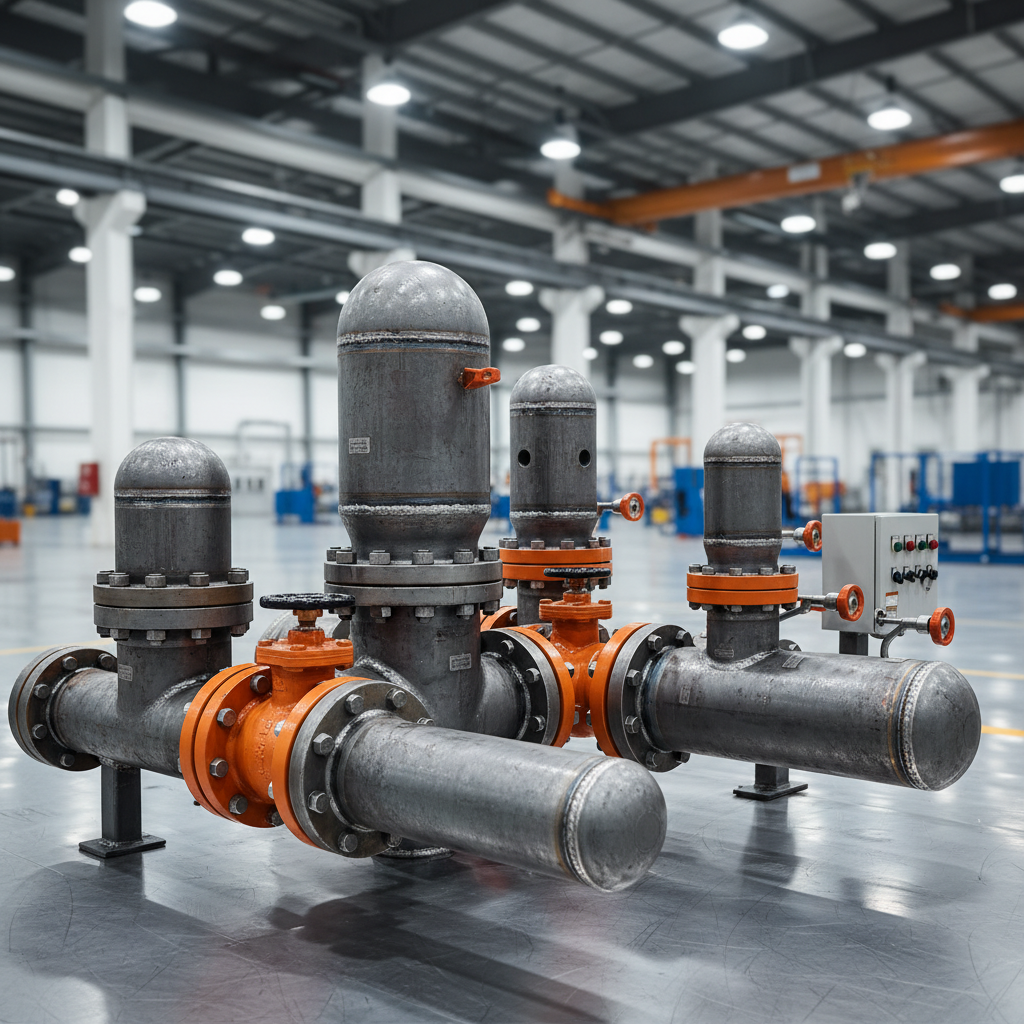
In simple mechanical terms, a bull plug pipe layout refers to the strategic placement of heavy-duty, threaded plugs used to close the end of a pipe or a fitting. Unlike standard caps that fit over the pipe, a bull plug is inserted into the fitting, creating a high-pressure seal that is integral to the piping structure. This layout is essential in modular piping systems where sections may need to be capped off temporarily or permanently during different phases of the well's lifecycle.
From an industrial perspective, this configuration is deeply connected to the need for "zero-leak" environments. In the context of hazardous materials and high-pressure hydrocarbons, any gap in the layout is a potential point of failure. Therefore, the meaning of a "correct" layout extends beyond mere closure; it encompasses the metallurgical compatibility between the plug, the coupling, and the pipe, ensuring that thermal expansion and contraction do not compromise the seal.
Furthermore, the bull plug pipe layout integrates seamlessly with other drilling accessories. For instance, using a Tubing Coupling or a Crossover allows for the transition between different pipe diameters before the final bull plug is installed. This versatility makes it an indispensable part of the drilling tool kit, enabling rapid adaptation to changing field conditions while maintaining strict adherence to safety regulations.
Core Components for Effective Sealing
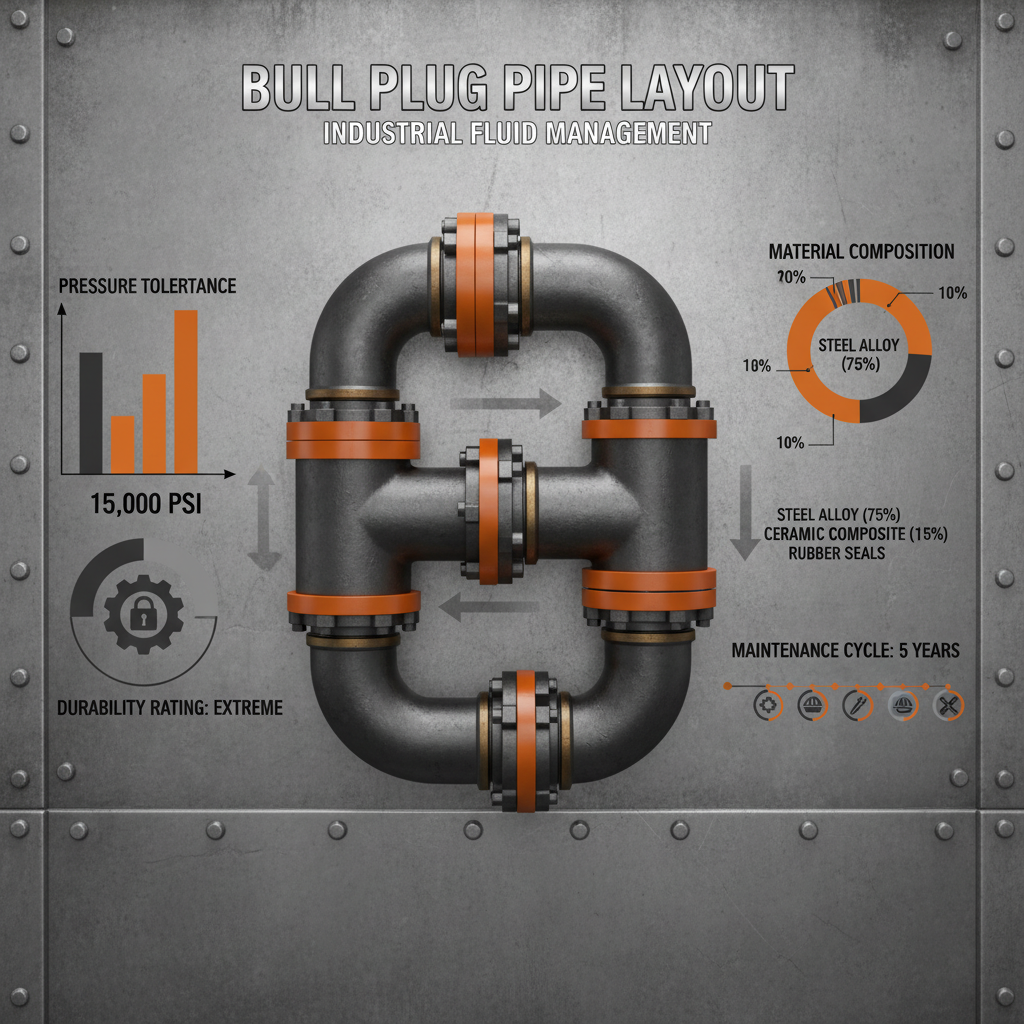
The effectiveness of a bull plug pipe layout depends heavily on the quality of the materials used. High-tensile alloys and chrome-plated finishes are common, as they provide the necessary resistance to H2S (sour gas) and CO2, which are prevalent in many deep-well environments. The primary component, the bull plug itself, must be forged to withstand the maximum rated working pressure (WRWP) of the entire line.
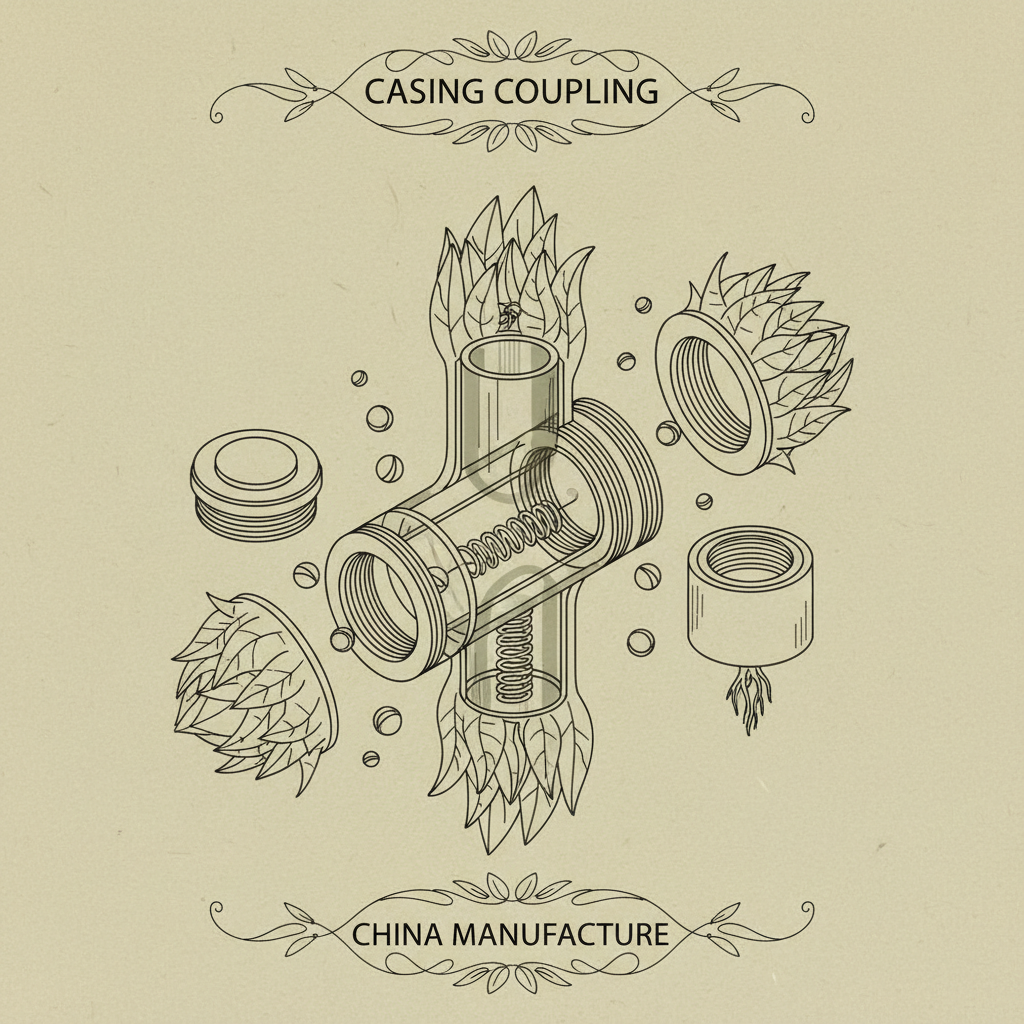
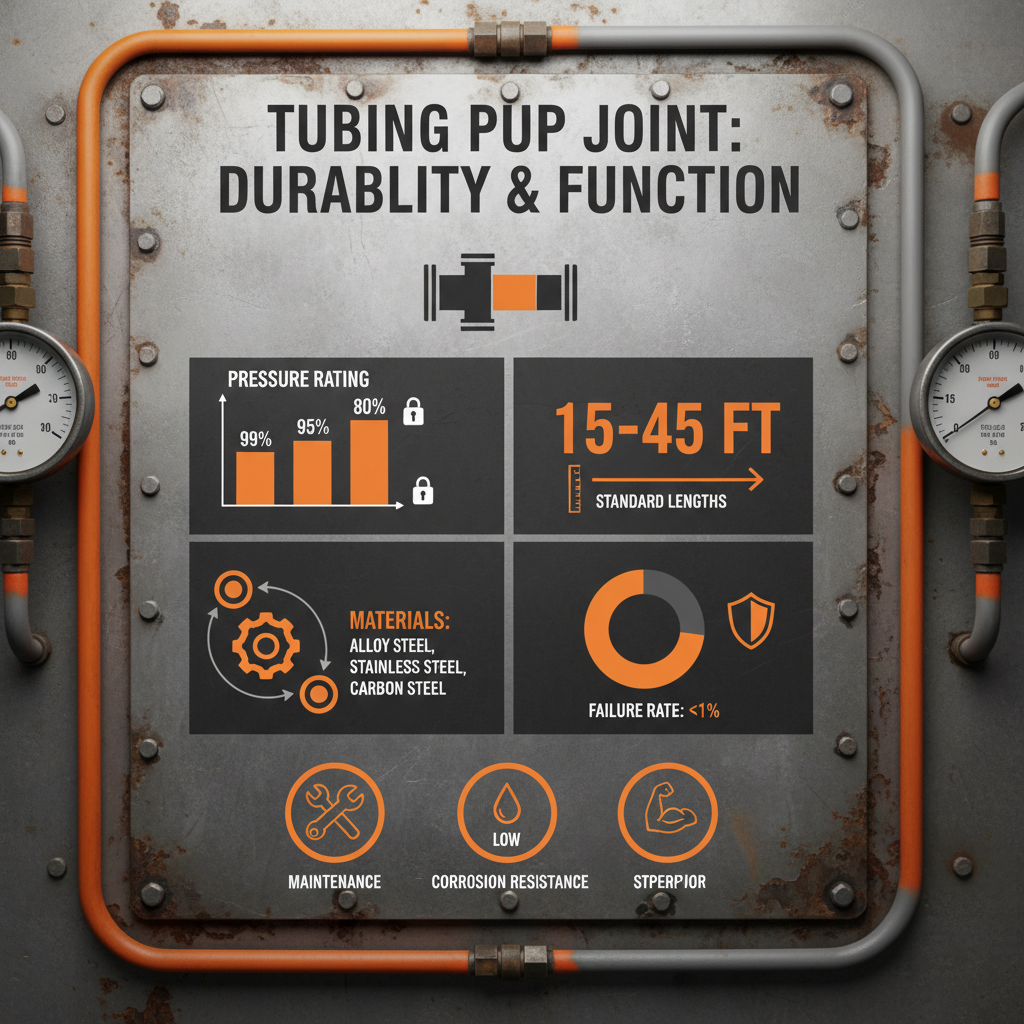
To complement the plugs, the layout often incorporates Casing Couplings and Tubing Pup Joints. These components allow for precise length adjustments, ensuring that the bull plug is positioned in a location where it is easily accessible for maintenance but shielded from physical impact. The synergy between the pup joint and the plug ensures that the mechanical stress is distributed evenly across the connection threads.
Lastly, the sealing medium—whether it be PTFE tape, anaerobic sealants, or metal-to-metal seals—plays a pivotal role. A layout that ignores the chemical compatibility of the sealant with the extracted hydrocarbons will inevitably fail. Therefore, a comprehensive layout plan includes a detailed specification of the thread type (e.g., API or premium threads) to ensure an airtight and leak-proof termination.
Key Factors Influencing Layout Efficiency
When designing a bull plug pipe layout, engineers focus on three primary metrics: pressure rating, accessibility, and material fatigue. A layout that is too complex increases the number of potential leak points, while one that is too simplistic may not allow for the necessary flexibility during future expansions. The goal is to create a streamlined flow that terminates in a secure, easily verifiable seal.
Another critical factor is the frequency of installation and removal. In temporary testing layouts, the threads are subject to significant wear. Utilizing high-quality Crossover components can protect the primary piping from this wear, confining the friction to replaceable parts. This strategic approach ensures that the long-term integrity of the main pipeline remains intact regardless of how many times the plug is cycled.
Efficiency Comparison of Bull Plug Pipe Layout Methods
Real-World Applications in Oilfields
In remote industrial zones, such as the Arctic or offshore platforms, a bull plug pipe layout is often used for the seasonal mothballing of equipment. During periods of low demand or extreme weather, certain lines are capped off to prevent internal freezing or the buildup of hydrates. The use of specialized Casing Pup Joints ensures that these plugs are placed exactly where they can be operated without removing heavy structural supports.
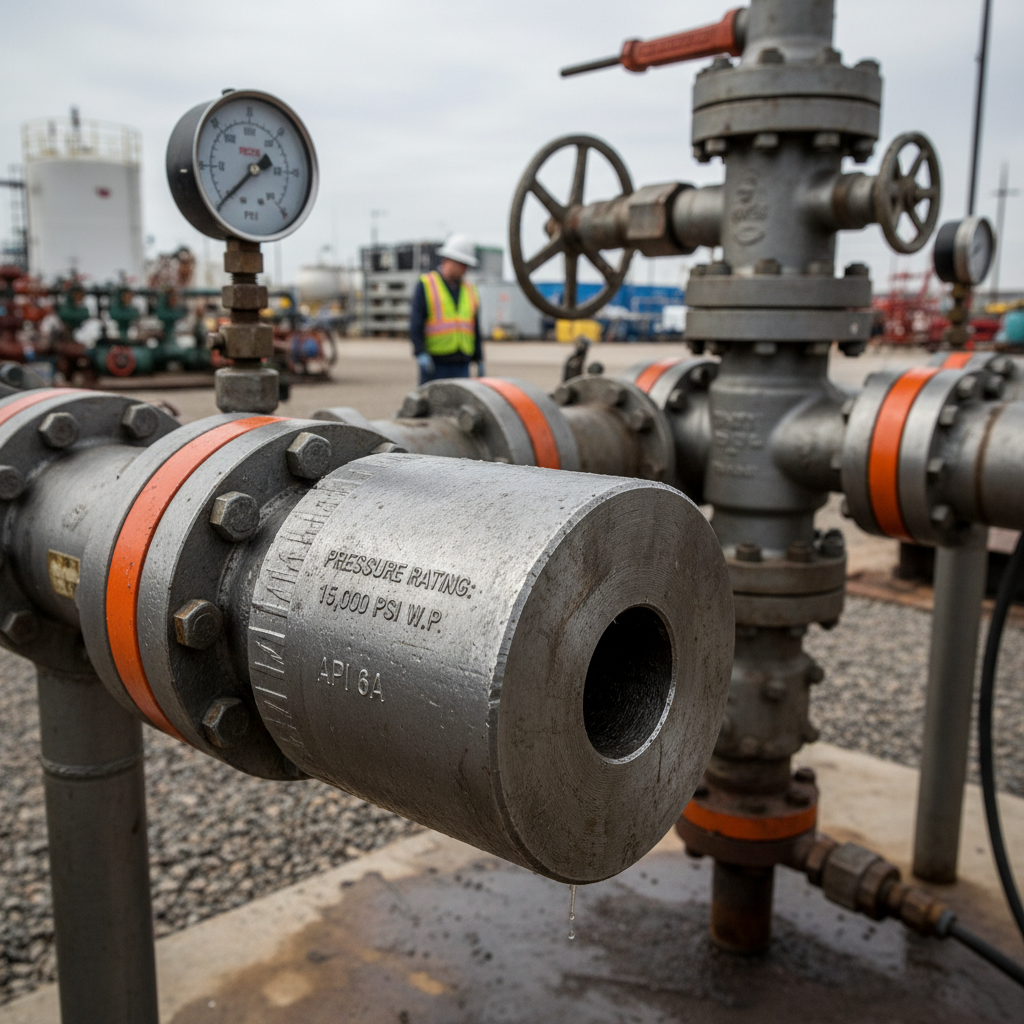
Another critical application is found in pressure testing operations. Before a well is brought online, the entire manifold is subjected to high-pressure hydraulic tests. The bull plug layout allows technicians to isolate specific "test loops," ensuring that pressure is concentrated on the joints being verified. This precise isolation is what allows for the detection of microscopic leaks that could otherwise lead to catastrophic failures during full-scale production.
Long-Term Value and Reliability Benefits
The adoption of a rigorous bull plug pipe layout provides immense tangible benefits in terms of cost reduction. By preventing unplanned leaks, operators avoid the astronomical costs associated with emergency shutdowns and environmental remediation. Moreover, the use of standardized components like Tubing Couplings means that replacement parts are readily available, reducing the "Mean Time To Repair" (MTTR) in the field.
From a psychological and safety perspective, the reliability of a proven layout builds trust among the workforce. When rig crews know that the termination points of their system are secured with industry-leading bull plugs, they can focus on their primary tasks with greater confidence. This sense of security is invaluable in high-risk environments where mental focus is the first line of defense against accidents.
Sustainability is also a key long-term value. A well-sealed layout prevents the fugitive emission of methane and other volatile organic compounds (VOCs). As global regulations on carbon footprints tighten, the ability to demonstrate a leak-proof infrastructure through a professional bull plug pipe layout becomes a competitive advantage and a regulatory necessity.
Future Trends in Pressure Containment
The future of the bull plug pipe layout is being shaped by the digital transformation of the oilfield. We are seeing the integration of "smart plugs" equipped with IoT sensors that can monitor pressure and temperature in real-time. These sensors can alert operators to a seal failure before a leak even occurs, transforming a reactive maintenance model into a predictive one.
Material science is also evolving, with the introduction of nano-coatings that provide unprecedented resistance to corrosion. Future layouts will likely incorporate composite materials that offer the strength of steel but with a fraction of the weight, making the installation of bull plugs faster and safer for personnel. This shift toward "green" materials aligns with the industry's broader move toward sustainable energy practices.
Automation is the final frontier. Robotic systems are being developed to install and remove bull plugs in hazardous zones, removing human workers from the "red zone" of high-pressure lines. This intersection of mechanical layout and robotics will redefine the safety standards of the petroleum industry, ensuring that pressure containment is handled with surgical precision.
Comparative Analysis of Bull Plug Layout Material Performance
| Material Grade |
Pressure Resistance |
Corrosion Rating |
Deployment Cost |
| Carbon Steel (API) |
High |
Moderate |
Low |
| Chrome-Moly Alloy |
Very High |
High |
Medium |
| Stainless Steel 316 |
Moderate |
Very High |
High |
| Inconel 718 |
Extreme |
Extreme |
Very High |
| Composite Hybrid |
Moderate |
High |
Medium |
| Tungsten Carbide Coated |
High |
High |
High |
FAQS
A bull plug is threaded into the internal opening of a fitting, whereas a pipe cap screws onto the external threads of a pipe. In a professional bull plug pipe layout, bull plugs are preferred for high-pressure termination because they utilize the strength of the fitting's wall, providing a more robust seal against extreme internal pressures compared to external caps.
Inspection frequency depends on the medium being transported. For sour gas or highly corrosive fluids, we recommend a quarterly ultrasonic or visual inspection. In standard production environments, an annual check combined with pressure testing during scheduled shutdowns is typically sufficient to ensure the layout remains leak-free.
It is strongly discouraged to mix thread standards (e.g., NPT and BSPP) without a proper Crossover component. Mixing threads can lead to "cross-threading" or microscopic gaps that cause leaks under pressure. Always use a certified Crossover to transition between different standards to maintain the integrity of the layout.
For offshore applications, corrosion resistance is critical. We recommend Inconel or high-grade Stainless Steel 316. These materials withstand the salt-spray environment and the internal corrosive nature of the hydrocarbons, ensuring the bull plug doesn't seize or degrade over time.
While the plug itself is a dead-end, the layout around it—including the use of Casing Pup Joints and specific couplings—is designed to absorb and distribute the kinetic energy of the fluid. By optimizing the distance and the wall thickness of the terminating section, the layout minimizes the shock experienced by the primary pipeline.
Yes, the industry is moving toward robotic torque tools and automated manifolds. These systems can install bull plugs to an exact torque specification, removing human error and significantly reducing the risk of under-tightening (which causes leaks) or over-tightening (which damages the threads).
Conclusion
The technical precision of a bull plug pipe layout is a cornerstone of modern petroleum engineering. By integrating high-quality forged plugs with essential accessories like Crossover subs and Tubing Couplings, operators can achieve a perfect balance of safety, durability, and operational flexibility. From the prevention of fugitive emissions to the protection of personnel in hazardous zones, the strategic implementation of these layouts is an investment in the long-term viability of any drilling project.
Looking forward, the synergy of smart materials and IoT monitoring will continue to evolve the way we handle pressure containment. We encourage engineers and procurement managers to prioritize high-grade, certified components to future-proof their infrastructure against the increasing challenges of deep-well extraction. For professional-grade drilling accessories and customized layout solutions, visit our website: www.wjpetroleum.com.