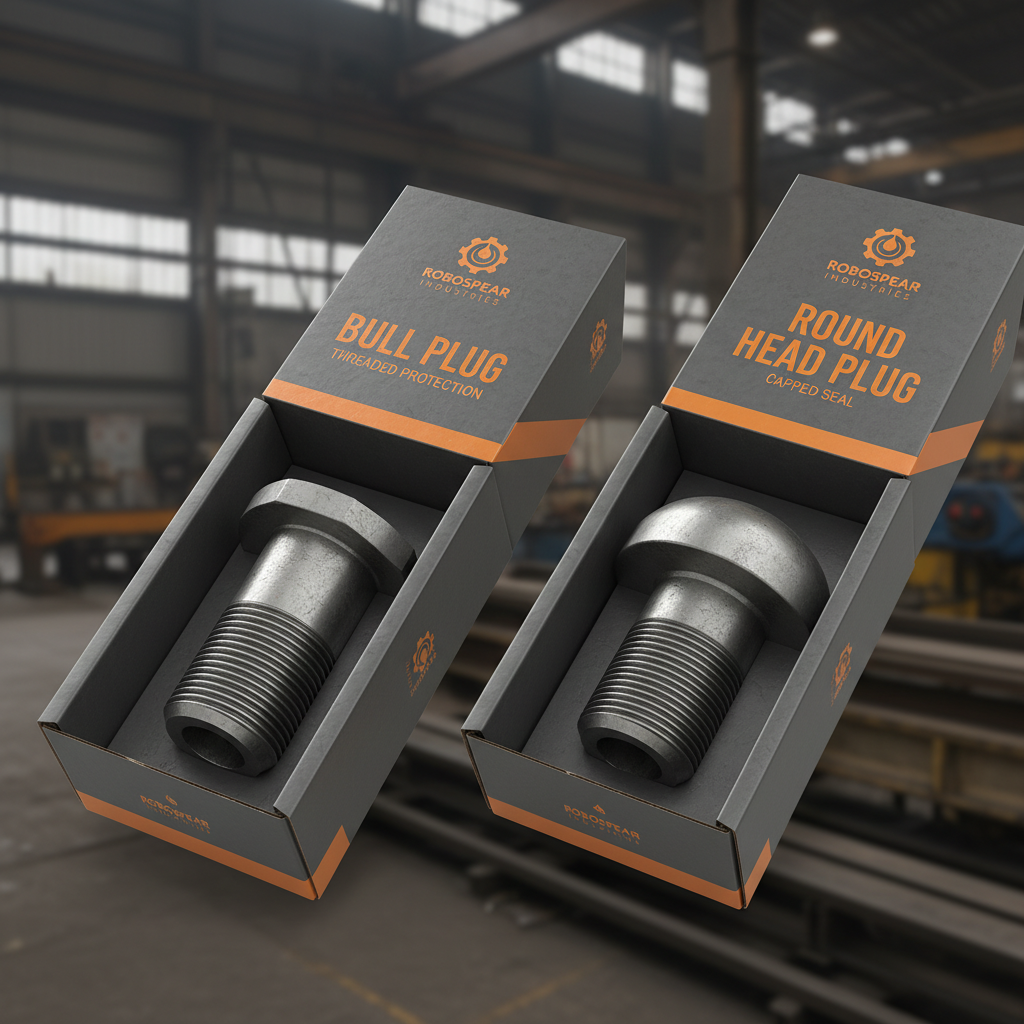
In the demanding world of oil and gas extraction, the integrity of every single connection can mean the difference between seamless production and a catastrophic blowout. The bull plug pressure rating serves as a critical safety benchmark, ensuring that these specialized capping components can withstand the extreme hydrostatic and pneumatic pressures encountered in deep-well environments.
Understanding the nuances of a bull plug's pressure capacity is not merely a technical requirement but a fundamental safety protocol. Whether used for temporary sealing during maintenance or as a permanent end-cap for high-pressure piping, the rating determines the maximum allowable working pressure (MAWP), which prevents mechanical failure and hazardous leaks in the field.
Across global energy hubs from the Permian Basin to the North Sea, the adherence to standardized pressure ratings ensures interoperability and reliability. By aligning the bull plug pressure rating with the overall system requirements of casing pup joints and tubing couplings, operators can significantly mitigate risk and optimize the lifespan of their drilling infrastructure.
The Fundamentals of Bull Plug Pressure Rating
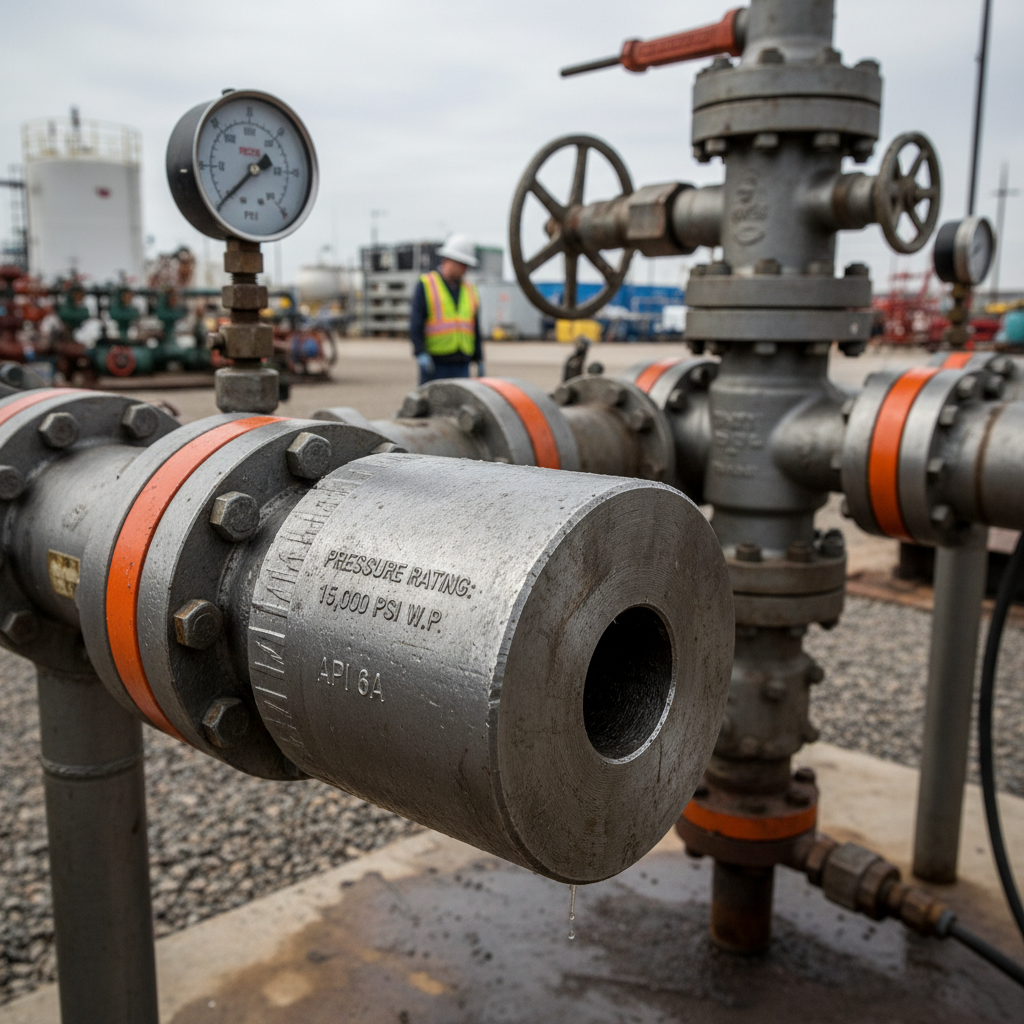
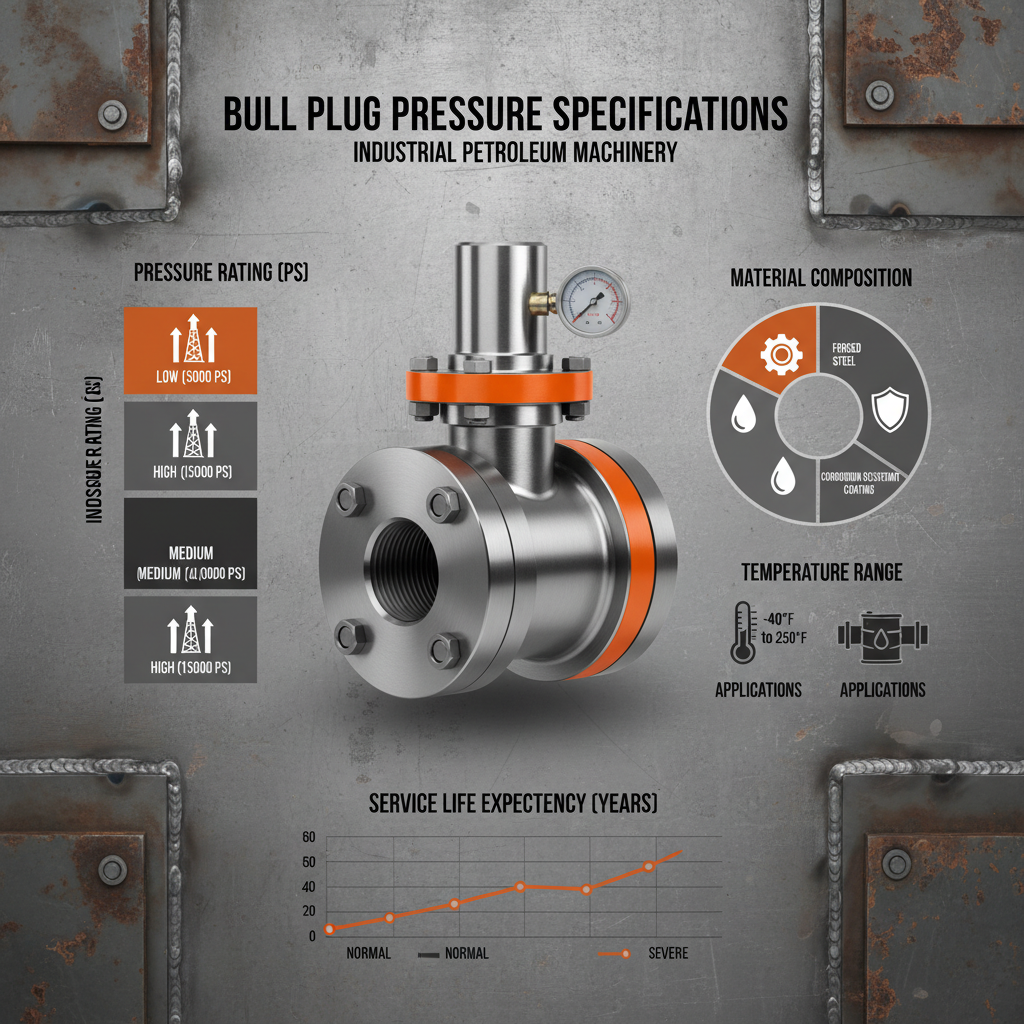
A bull plug is a heavy-duty capping device used to seal the end of a pipe or a fitting. The bull plug pressure rating refers to the maximum pressure that the plug can safely withstand without failing, leaking, or distorting. In the context of oilfield equipment, these ratings are often expressed in PSI (pounds per square inch) or Bar, and they are meticulously calculated based on the wall thickness and the yield strength of the material.
Unlike standard plugs, bull plugs are designed for high-stress environments. When paired with components like Casing Couplings or Tubing Pup Joints, the pressure rating must be consistent across the entire string to avoid "weak links." Ensuring that the rating meets or exceeds the maximum anticipated wellhead pressure is a non-negotiable aspect of well control and operational safety.
Material Science and Pressure Thresholds
The primary driver of a bull plug pressure rating is the metallurgy of the component. For standard applications, carbon steels are common, but for high-pressure, high-temperature (HPHT) wells, alloy steels or stainless steel grades are required. The molecular structure and heat treatment of the steel determine how the plug reacts under immense compressive forces.
Corrosion resistance also plays a pivotal role in maintaining the pressure rating over time. In environments where H2S (sour gas) or CO2 is present, the material can undergo stress corrosion cracking. If the material degrades, the effective pressure rating drops, potentially leading to catastrophic failure even if the operating pressure remains within the original design limits.
Therefore, the selection of material—such as AISI 4140 or 13Cr—is not just about durability but about stabilizing the pressure threshold. Engineers must cross-reference the material's yield strength with the geometric dimensions of the bull plug to certify its safety rating for specific depths and pressure zones.
Regulatory Standards for Pressure Ratings
To ensure global safety, the bull plug pressure rating is governed by strict international standards such as API (American Petroleum Institute) and ISO. These organizations provide the formulas and testing methodologies required to validate that a component can handle the loads it claims to support.
API 6A and API 5CT are frequently referenced when determining the appropriate bull plug pressure rating for wellhead and casing equipment. These standards mandate rigorous hydrostatic testing, where the plug is subjected to 1.5 times its rated working pressure to ensure there is a sufficient safety margin before any deformation occurs.
Compliance with these standards is essential for insurance, legal liability, and operational certification. When a company specifies a pressure rating, they are not just quoting a number; they are providing a guarantee that the part has been manufactured and tested according to a globally recognized safety framework.
Factors Influencing Pressure Capacity
Several physical and environmental variables can alter the effective bull plug pressure rating. The most prominent is temperature; as temperatures rise in deep-sea or geothermal wells, the strength of the metal decreases, effectively lowering the maximum pressure the plug can withstand.
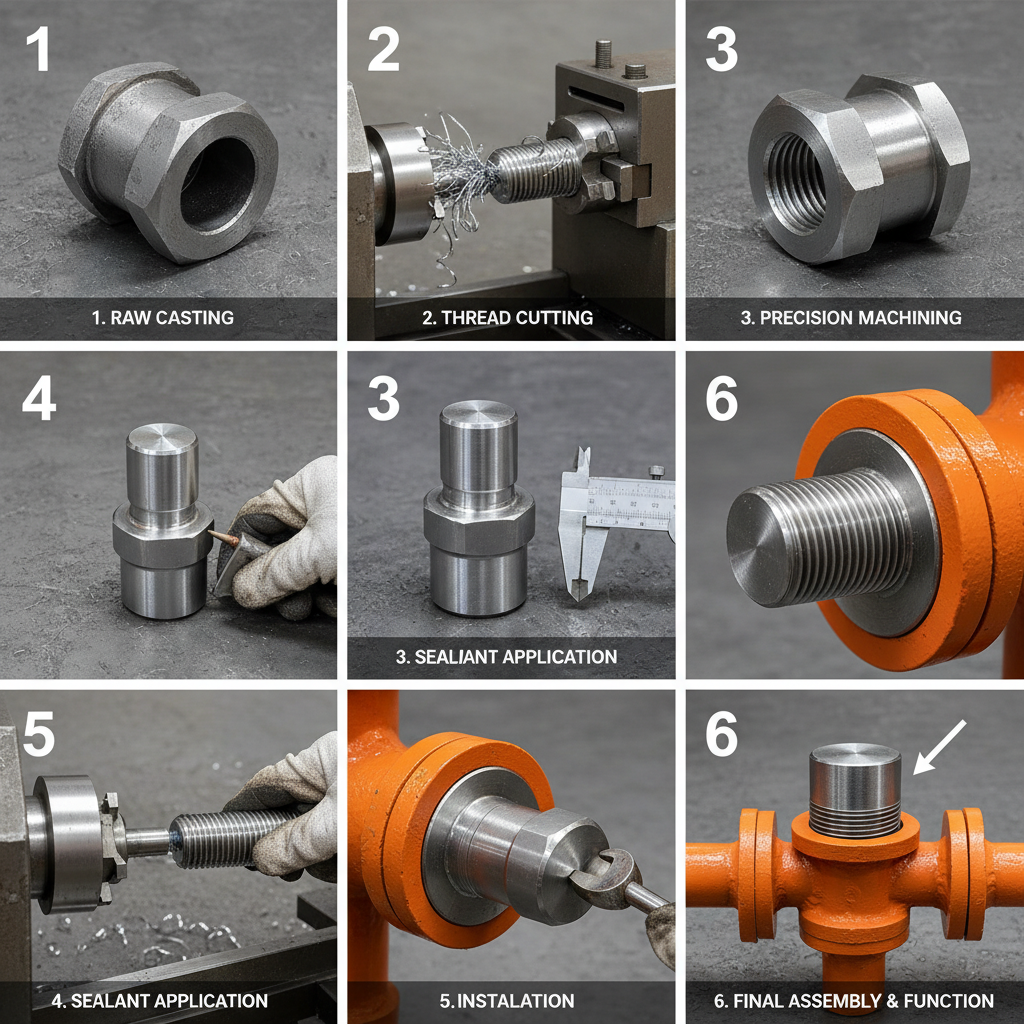
Additionally, the quality of the thread engagement (such as NPT or premium connections) is vital. A poorly machined thread can create stress concentrations, leading to a failure at a pressure far below the theoretical bull plug pressure rating. Precise machining and the use of high-quality thread lubricants are critical for maintaining the seal.
Comparative Analysis of Bull Plug Pressure Rating Factors
Global Applications in Extreme Environments
In the Arctic regions or offshore platforms in the Gulf of Mexico, the bull plug pressure rating is tested against extreme thermal cycling. In these areas, equipment must handle rapid transitions from freezing surface temperatures to scorching reservoir temperatures, all while maintaining a leak-proof seal at high pressures.
Furthermore, in remote industrial zones where maintenance is infrequent, the reliance on a high pressure rating provides a necessary safety buffer. By utilizing over-specified bull plugs, operators can ensure that their Crossovers and Tubing Couplings remain protected even during unexpected pressure surges or "slugging" events.
Long-term Reliability and Safety Value
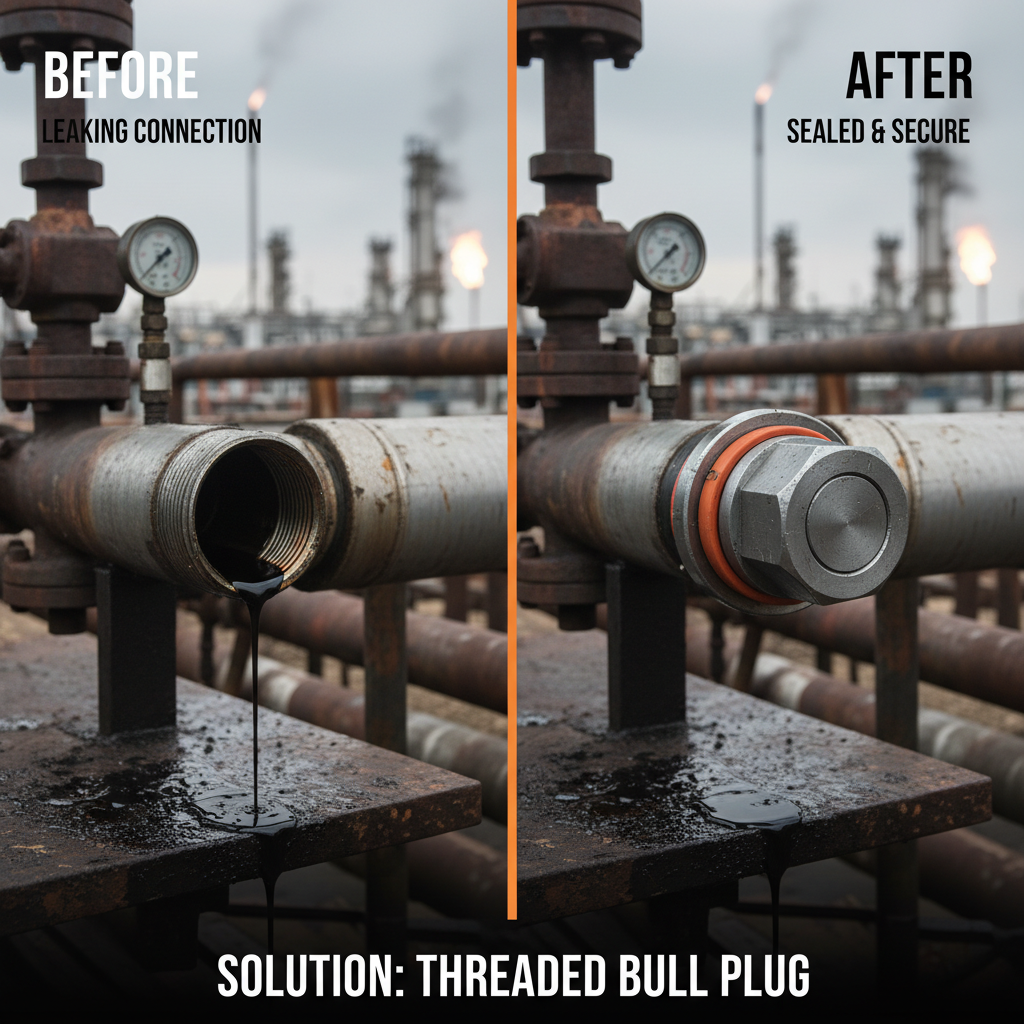
The long-term value of a correctly specified bull plug pressure rating extends beyond immediate containment. It provides peace of mind for field engineers and reduces the frequency of emergency shutdowns. When a plug is rated correctly, it minimizes the risk of "blow-by," ensuring that hazardous fluids remain contained.
From an economic perspective, investing in high-rated components reduces the Total Cost of Ownership (TCO). While a premium alloy plug may cost more initially, its ability to maintain its rating under corrosive conditions prevents costly well-intervention operations and environmental remediation costs associated with leaks.
Ultimately, the bull plug pressure rating is a proxy for trust. When an operator sees a certified rating, they are trusting the engineering, the metallurgy, and the quality control processes of the manufacturer to keep their personnel safe and their production steady.
Future Innovations in Pressure Sealing
The future of the bull plug pressure rating lies in the integration of smart materials and digital monitoring. We are seeing the emergence of "intelligent plugs" equipped with sensors that can monitor real-time pressure and stress levels, alerting operators if the actual load approaches the rated limit.
Additionally, the shift toward green energy, such as hydrogen transport and carbon capture and storage (CCS), is pushing pressure ratings to new heights. Hydrogen, being a smaller molecule, requires tighter seals and higher-grade materials to maintain the same pressure rating as traditional natural gas applications.
Automation in manufacturing, specifically 3D metal printing (additive manufacturing), allows for the creation of optimized internal geometries. This can potentially increase the bull plug pressure rating while reducing the overall weight of the component, leading to more efficient logistics and installation.
Technical Analysis of Pressure Rating Specifications by Material
|
Material Grade
|
Typical Pressure Rating
|
Corrosion Resistance
|
Recommended Application
|
| Carbon Steel (A105) |
5,000 - 10,000 PSI |
Low |
Standard Oil Wells |
| Alloy Steel (4140) |
15,000 - 20,000 PSI |
Medium |
High-Pressure Gas |
| Stainless Steel (316) |
3,000 - 7,000 PSI |
High |
Corrosive Fluid Lines |
| Duplex Steel |
10,000 - 15,000 PSI |
Very High |
Offshore/Subsea |
| Nickel Alloy (Inconel) |
20,000+ PSI |
Extreme |
Deepwater HPHT |
| Tungsten Carbide Coat |
Variable |
High (Erosion) |
Sand-Heavy Production |
FAQS
The rating is typically verified through hydrostatic testing. The plug is sealed and filled with a test fluid (usually water or oil) and pressurized to a level usually 1.5 times the rated working pressure. Engineers monitor the component for any signs of leakage, permanent deformation, or structural failure over a set duration to ensure the rating is accurate.
Yes, using a plug with a higher bull plug pressure rating than the rest of the system is generally safe and often recommended. It provides an extra safety margin. However, you must ensure that the threads are compatible and that the plug does not create a mechanical imbalance or over-stress the fitting it is screwed into.
When temperatures rise beyond the design specification, the yield strength of the metal decreases. This means the effective pressure rating drops. If the operating pressure remains high while the temperature climbs, the plug may suffer from "creep" or sudden rupture, as it can no longer support the internal load at that thermal state.
Most professional-grade bull plugs have the pressure rating stamped directly into the metal body along with the material grade and manufacturer's mark. If the stamp is worn, you must refer to the original Mill Test Report (MTR) or the equipment manifest to verify the rating before putting it into service.
Absolutely. While the bulk material determines the burst pressure, the thread type determines the seal integrity. Premium threads designed for the oil industry offer better sealing at higher pressures compared to standard NPT threads, which may leak at extreme ratings if not properly sealed with high-pressure tape or compounds.
No. A bull plug is a solid piece of metal that plugs a fitting, whereas a cap fits over the end of a pipe. Because bull plugs are typically solid and more robust, they often have a higher bull plug pressure rating compared to hollow caps of the same material and size.
Conclusion
In conclusion, the bull plug pressure rating is more than just a technical specification; it is a cornerstone of operational safety in the oil and gas industry. By integrating high-quality metallurgy, adhering to API/ISO standards, and accounting for environmental variables like temperature and corrosion, operators can ensure that their sealing components provide a reliable barrier against extreme pressures. The synergy between the bull plug and other components, such as Casing Pup Joints and Tubing Couplings, creates a cohesive system capable of withstanding the harshest conditions on earth.
As the industry moves toward deeper wells and more volatile energy sources, the demand for higher and more precise pressure ratings will only increase. We recommend that all operators perform regular audits of their capping equipment and prioritize the use of certified, traceable components to mitigate risk. For those seeking the highest standards in pressure-rated drilling accessories, we invite you to explore our comprehensive range of solutions. Visit our website: www.wjpetroleum.com