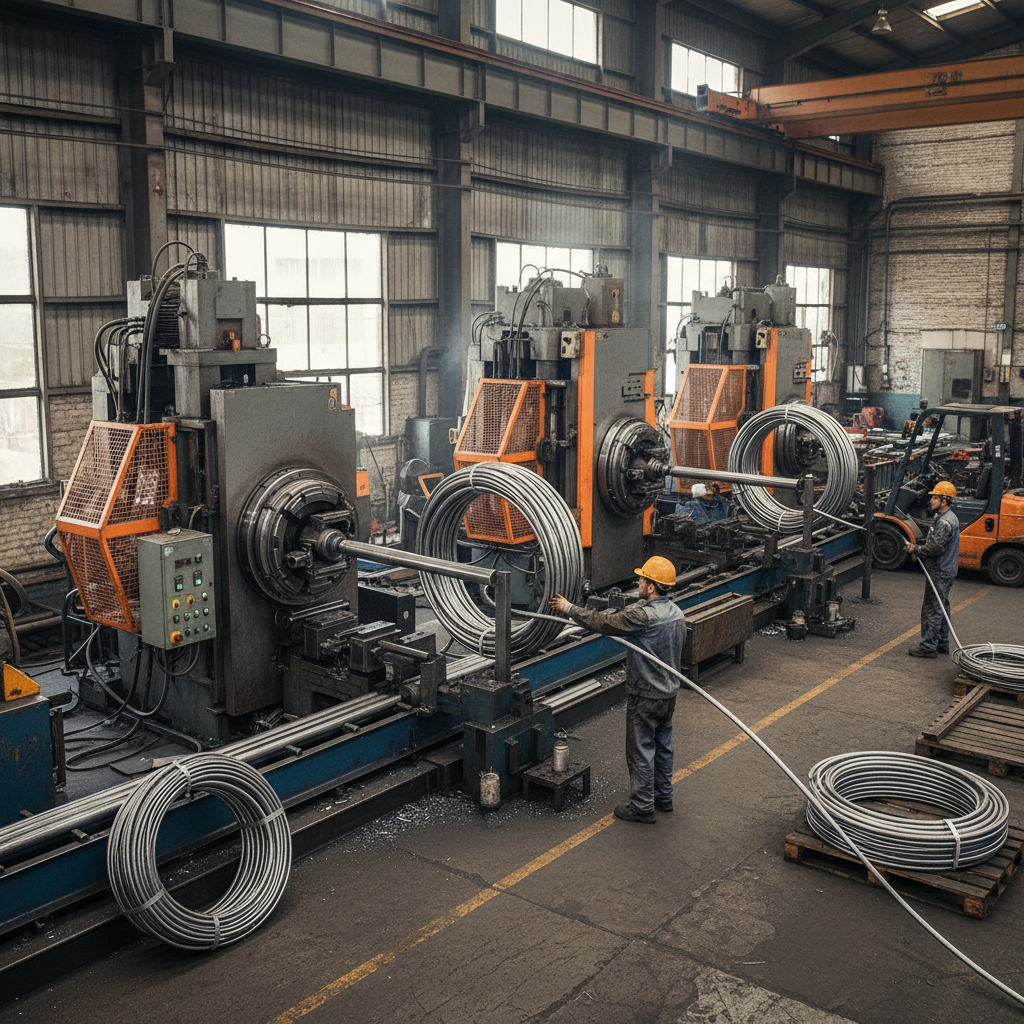
The pup joint is a critical component in numerous industries, most notably oil and gas, where its reliable connection and adaptability are paramount. It's a short length of pipe, typically threaded on both ends, used to make up the length of a drill string or casing string. Understanding the nuances of pup joints – from their manufacturing processes and material specifications to their proper application and maintenance – is crucial for ensuring operational efficiency, preventing costly downtime, and maintaining the integrity of wellbores. This knowledge directly impacts global energy production and distribution.
The widespread use of pup joints stems from the need to efficiently connect and adjust the length of pipe strings during drilling and completion operations. Without these seemingly small yet vital components, extending and retracting drill strings would be considerably more cumbersome and time-consuming. They act as flexible links, allowing operators to precisely tailor the length of the string to specific well conditions and depths.
Moreover, advancements in pup joint design and materials are continually addressing challenges related to harsh downhole environments, including high pressures, extreme temperatures, and corrosive fluids. These innovations contribute to enhanced safety, reduced environmental impact, and improved overall well performance, making pup joints an indispensable element of modern energy extraction.
The Importance of Pup Joints in Modern Industries
Pup joints are integral not just to oil and gas, but increasingly to geothermal energy exploration and even water well drilling. Their role in extending the reach of drilling operations is critical for accessing resources previously considered unattainable. The reliability of a pup joint directly impacts the success of these projects.
The increasing demand for energy resources globally continues to drive the need for more efficient and dependable drilling technologies, and pup joints play a central role in meeting those demands. Manufacturers are continuously innovating to improve the performance and longevity of these components, contributing to sustainability and cost-effectiveness within the industry.
Defining Pup Joints: A Comprehensive Overview
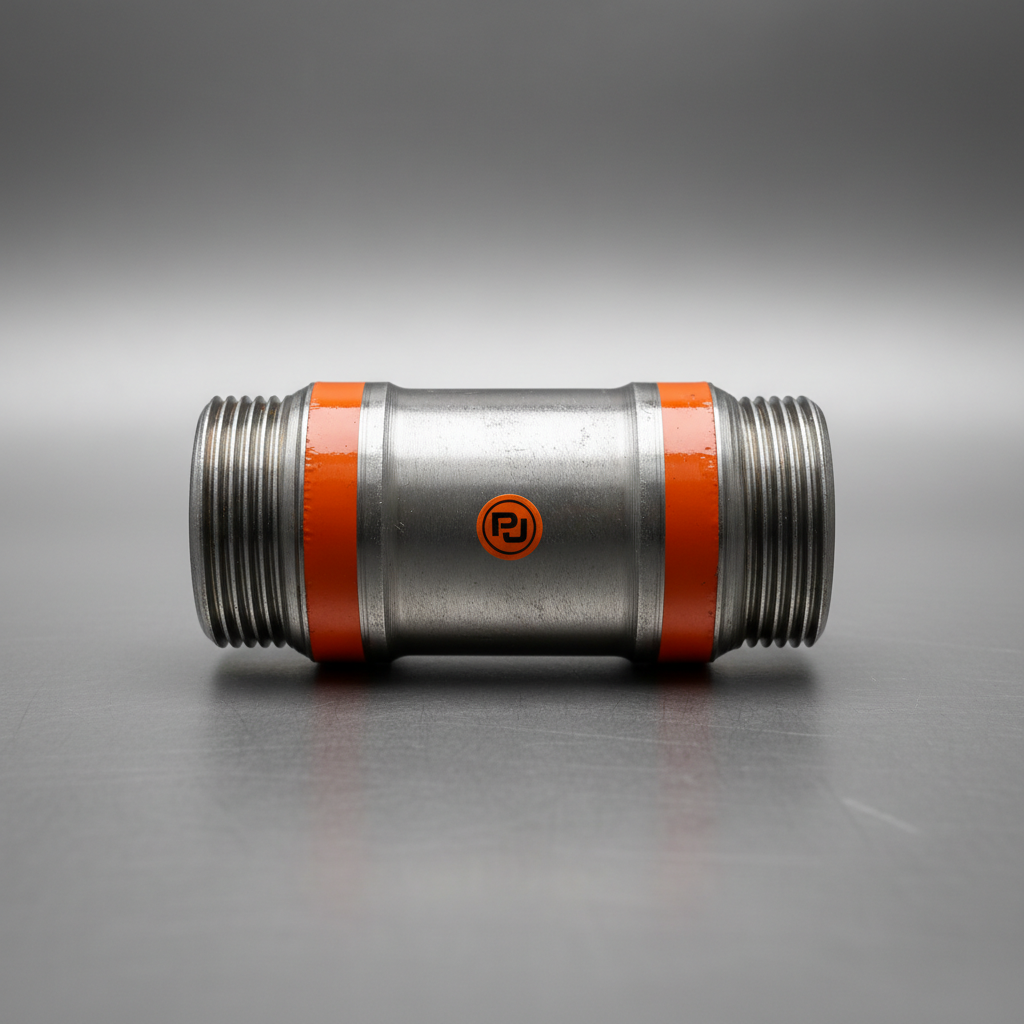
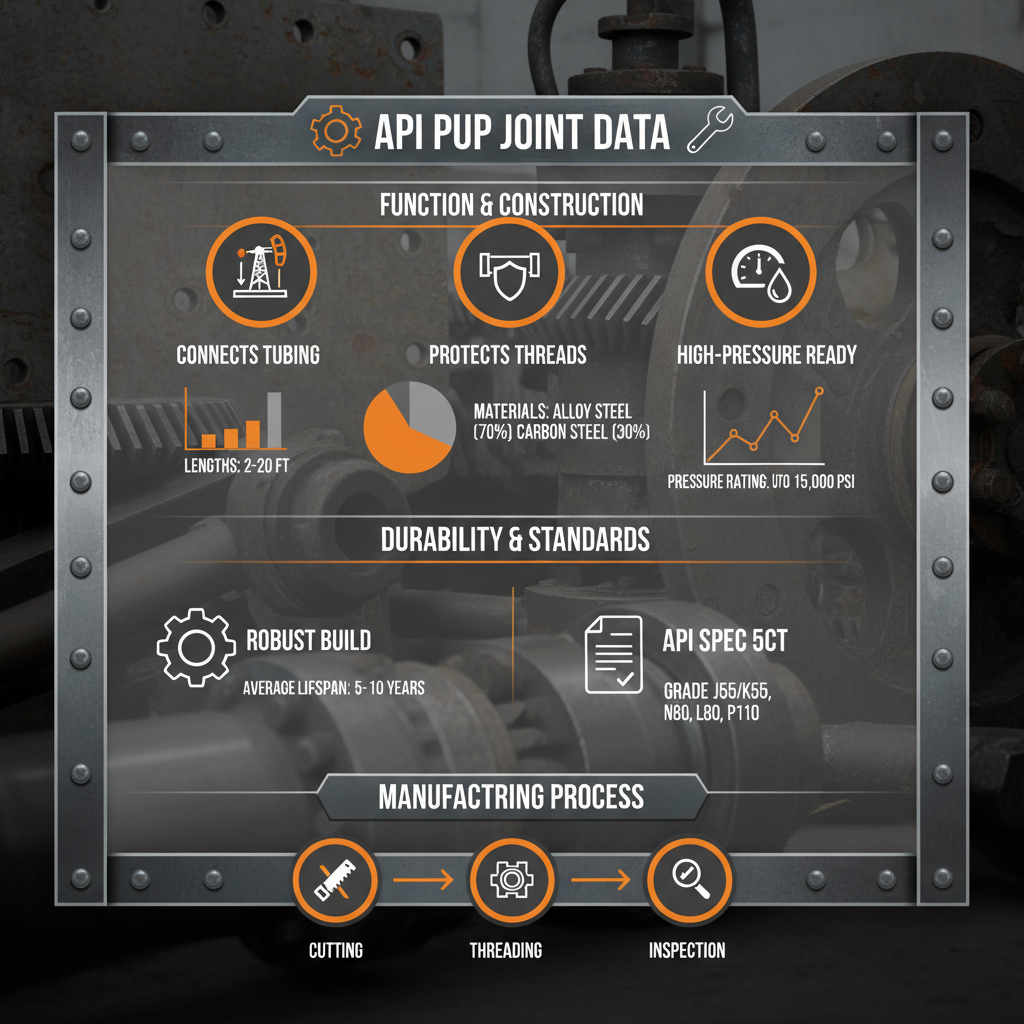
A pup joint, in its simplest form, is a short section of drill pipe, casing pipe, or tubing, typically ranging from 1 to 10 feet in length. Its primary function is to add small increments to the overall length of a pipe string. They are threaded at both ends, allowing for quick and easy connection to other sections of pipe. pup joint manufacturers adhere to stringent API standards to ensure compatibility and safety.
This connection capability is what allows for precise adjustments during drilling and completion. It's crucial for maneuvering the drill bit into the desired position within the wellbore, especially in directional drilling scenarios. The proper selection of a pup joint, considering its material, thread type, and length, is vital for the integrity of the entire drilling operation.
Their use extends beyond simply lengthening the string. Pup joints are also utilized for making up connections in tight spaces or in situations where a full length of pipe is impractical to handle. This adaptability contributes significantly to the efficiency of well construction and maintenance.
Core Characteristics of Effective Pup Joints
Durability is a cornerstone of effective pup joint performance. They are subjected to immense stresses, including tensile forces, compressive loads, and torsional strain, particularly in deviated wells. The material composition – typically high-strength alloy steel – must withstand these forces without failure.
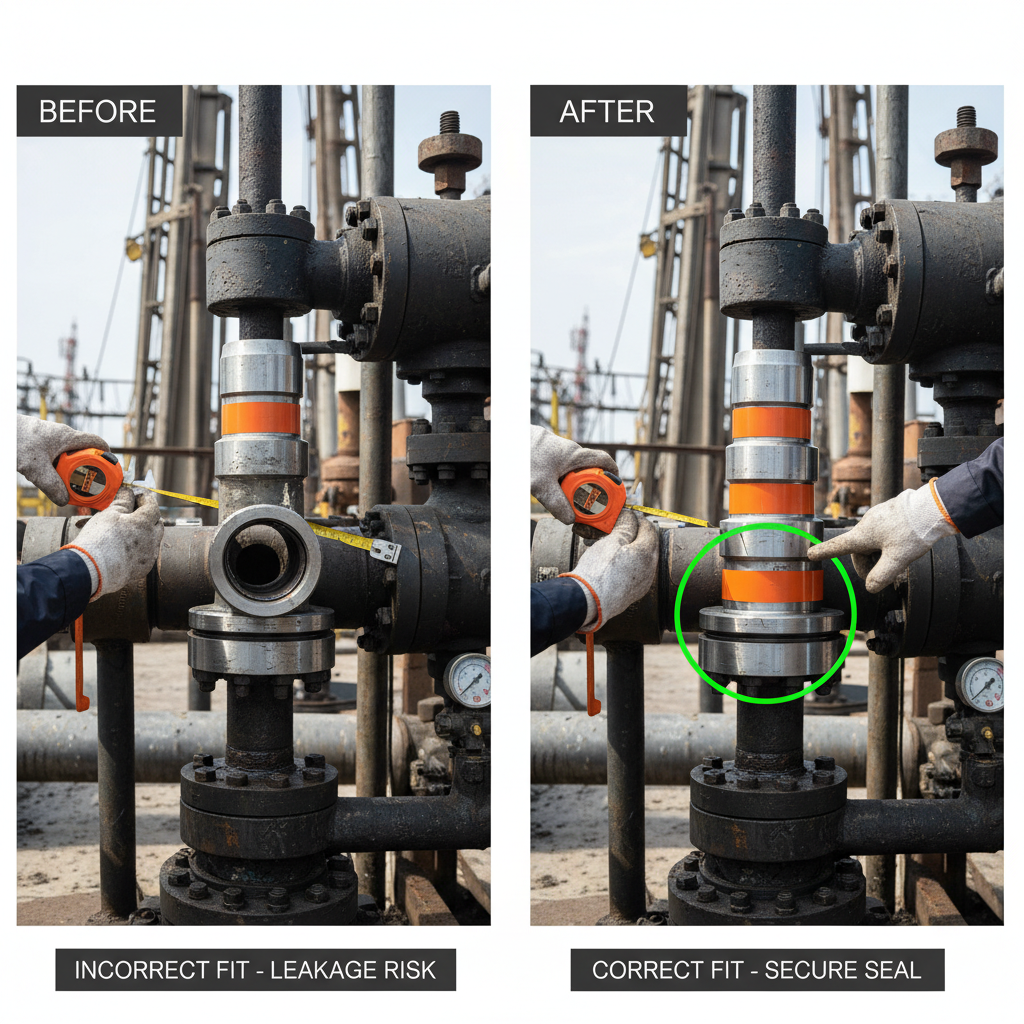
Thread integrity is equally crucial. The connections must maintain a tight seal under extreme pressure and temperature fluctuations to prevent leaks and ensure well control. Damage to the threads, caused by improper handling or corrosion, can compromise the entire connection.
Corrosion resistance is paramount, especially in environments containing hydrogen sulfide (H2S) or carbon dioxide (CO2). Specialized coatings and material grades are often employed to mitigate the corrosive effects of these substances. Proper maintenance, including regular inspection and cleaning, is vital for prolonging the lifespan of pup joints.
Key Performance Indicators of Pup Joint Quality
Evaluating pup joint quality requires a focus on several key performance indicators. Tensile strength, measured in PSI (pounds per square inch), indicates the material's resistance to stretching and breaking under tension. Yield strength, also measured in PSI, represents the point at which the material begins to deform permanently.
Hardness, often measured using the Rockwell hardness scale, assesses the material's resistance to indentation and wear. Corrosion resistance is typically evaluated through salt spray tests or electrochemical measurements. Careful monitoring of these KPIs ensures the pup joints will perform reliably under demanding conditions.
Pup Joint Performance Metrics
Global Applications of Pup Joints
The primary application of pup joints remains within the oil and gas industry, spanning onshore and offshore drilling operations worldwide. From the Permian Basin in the United States to the North Sea and the Middle East, pup joints are critical for well construction, completion, and workover activities.
However, their utility extends beyond traditional oil and gas. Increasingly, pup joints are finding applications in geothermal energy projects, utilized to extend drilling reach in accessing geothermal resources. Moreover, they are crucial for water well drilling, particularly in regions with challenging geological formations.
Advantages and Long-Term Value Proposition
The cost-effectiveness of using pup joints is substantial. By enabling incremental length adjustments, they minimize wasted pipe and reduce the need for custom-length sections. This translates into significant savings in material costs and fabrication time. Their ability to simplify connection processes also lowers labor costs.
From a safety perspective, reliable pup joint connections are paramount. Preventing leaks and maintaining well control are fundamental to minimizing the risk of blowouts and environmental damage. Investing in high-quality pup joints is, therefore, an investment in operational safety and responsible environmental stewardship.
Future Trends and Innovation in Pup Joint Technology
Ongoing research and development are focused on creating pup joints with enhanced corrosion resistance, utilizing advanced alloys and protective coatings. Furthermore, the integration of digital technologies, such as RFID tags for tracking and inventory management, is gaining traction. pup joint companies are implementing digital solutions for lifecycle tracking.
Automation in pup joint handling and connection is also on the horizon, with robotic systems designed to improve safety and efficiency. These advancements are driven by the industry's broader push towards digitalization and the need to reduce operational risks and environmental impact.
The development of more sustainable materials and manufacturing processes is also a key focus, aligning with the global drive towards net-zero emissions and a circular economy. The use of recycled materials and energy-efficient production methods are becoming increasingly important considerations.
Core Challenges and Solutions for Pup Joint Performance
| Challenge Area |
Severity Level (1-5) |
Potential Solution |
Implementation Cost (USD) |
| Thread Damage during Handling |
4 |
Automated Handling Systems |
50,000 - 150,000 |
| Corrosion in Harsh Environments |
5 |
Advanced Alloy Selection & Coatings |
20,000 - 80,000 |
| Supply Chain Disruptions |
3 |
Diversified Sourcing & Inventory Management |
10,000 - 30,000 |
| Inconsistent Manufacturing Standards |
4 |
Enhanced Quality Control Protocols |
5,000 - 15,000 |
| Difficulty Tracking Pup Joint Lifecycles |
2 |
RFID Tag Implementation & Data Analytics |
30,000 - 70,000 |
| Lack of Skilled Personnel for Inspection |
3 |
Training Programs & Certification |
2,000 - 10,000 |
FAQS
Standard pup joints typically adhere to basic API specifications, offering a cost-effective solution for general applications. Premium pup joints, however, incorporate enhanced features such as improved thread designs, corrosion-resistant alloys, and tighter manufacturing tolerances. These features provide superior performance in demanding environments, reducing the risk of failure and extending operational life. Choosing the right type depends heavily on the specific well conditions and application requirements.
Regular inspection is critical for ensuring the integrity of pup joints. The frequency depends on the operating environment and usage intensity. Generally, a visual inspection should be conducted after each run, with more detailed non-destructive testing (NDT) – such as magnetic particle inspection or ultrasonic testing – performed every six months or after 100 runs, whichever comes first. Any signs of corrosion, thread damage, or deformation warrant immediate attention.
Several thread types are commonly employed on pup joints, each offering different performance characteristics. API threads, such as API RP71, are widely used for general applications. Premium connections, like VAM, NOV Grant Prideco, and Tenaris Blue Ring, provide superior sealing and mechanical strength, particularly in high-pressure/high-temperature environments. The selection of the appropriate thread type is crucial for ensuring compatibility and preventing leaks.
Coatings play a vital role in protecting pup joints from corrosion and wear. Common coatings include epoxy coatings, ceramic coatings, and metallic coatings like zinc-nickel or chrome plating. These coatings create a barrier between the steel substrate and the corrosive environment, significantly extending the lifespan of the pup joint and reducing the risk of failure. The choice of coating depends on the specific corrosive agents present in the wellbore.
Proper handling is paramount to preventing damage to pup joints. This includes using appropriate lifting equipment, avoiding dropping or impact, and protecting the threads from damage during transportation and storage. Threads should always be protected with thread protectors, and pup joints should be stored in a clean, dry environment. Following established handling procedures minimizes the risk of costly repairs or replacements.
The disposal of used pup joints must be handled responsibly to minimize environmental impact. Recycling steel is a preferred option, reducing the need for new material extraction. If recycling is not feasible, pup joints should be disposed of in accordance with local regulations and environmental guidelines. Proper waste management practices help to ensure sustainability and protect the environment.
Conclusion
In summary, pup joints are indispensable components in a wide range of industries, most notably oil and gas, serving as critical links in extending drill strings and facilitating efficient well construction. Their importance stems from their durability, adaptability, and cost-effectiveness, ensuring operational efficiency and safety. Continued innovation in materials, coatings, and digital technologies will further enhance their performance and lifespan.
Looking ahead, a proactive approach to pup joint management – encompassing regular inspection, preventative maintenance, and the adoption of advanced technologies – will be essential for optimizing performance and minimizing risks. Investing in high-quality pup joints and implementing best practices not only safeguards operational efficiency but also contributes to sustainable energy production and responsible environmental stewardship. Visit our website: www.wjpetroleum.com for more information.