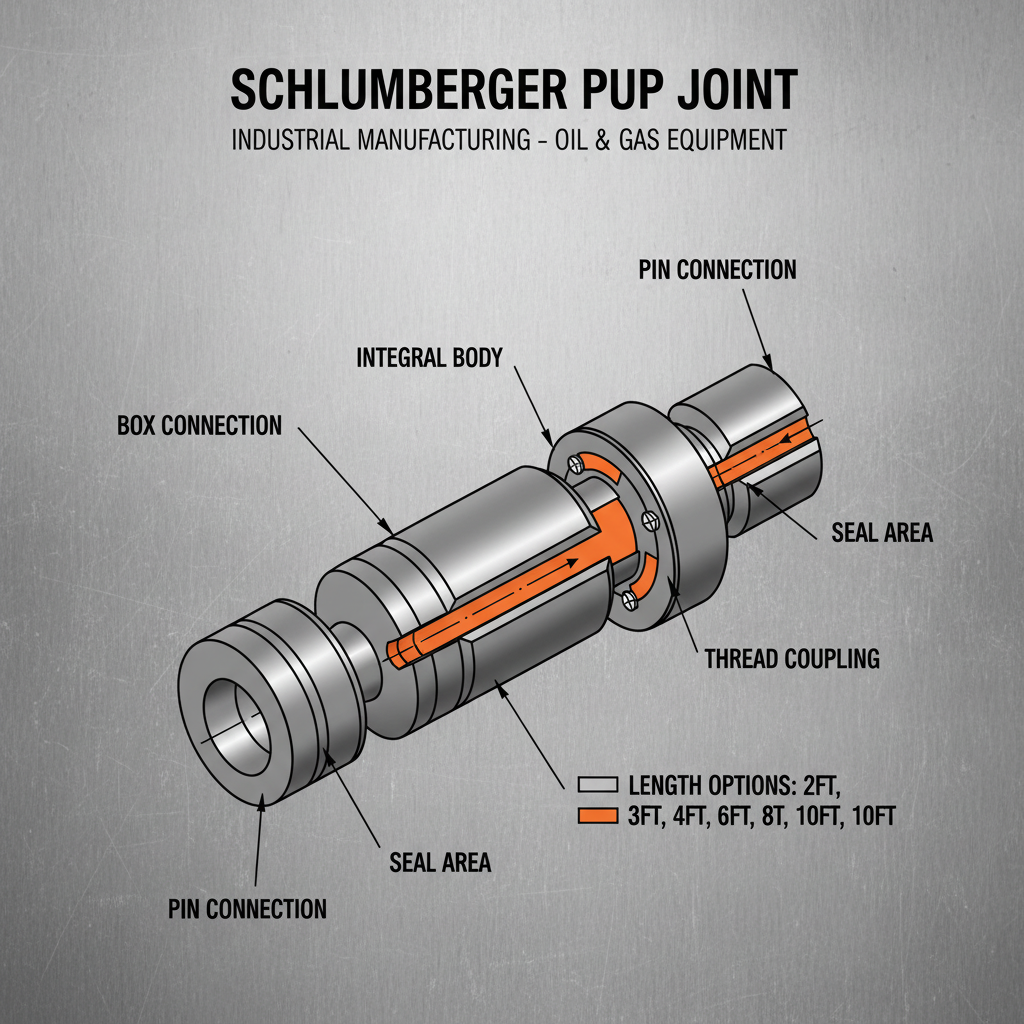
Drill pipe pup joints are essential components in the oil and gas drilling industry, acting as short sections of pipe used to precisely adjust the length of the drill string. Their significance extends beyond simple length adjustments; they play a crucial role in maintaining optimal bottom hole assembly (BHA) configurations, ensuring efficient drilling operations, and minimizing non-productive time. Understanding the nuances of drill pipe pup joint design, material selection, and application is paramount for maximizing drilling efficiency and safety.
Globally, the demand for drill pipe pup joints is directly linked to the levels of oil and gas exploration and production. According to data from the U.S. Energy Information Administration (EIA), global oil demand is projected to continue increasing in the coming decades, albeit with fluctuations driven by economic growth and energy transitions. This sustained demand necessitates efficient drilling techniques and reliable equipment, making drill pipe pup joints a consistently vital component. The ISO 15136 standard provides rigorous testing and certification requirements for drill pipe, including pup joints, ensuring quality and safety across international operations.
The effective use of a drill pipe pup joint reduces the need for costly and time-consuming changes to the entire drill string. They serve as critical connection points for specialized downhole tools and allow for flexible adaptation to varying geological formations. Mastering their application is key to streamlined well construction and maximizing return on investment in drilling projects.
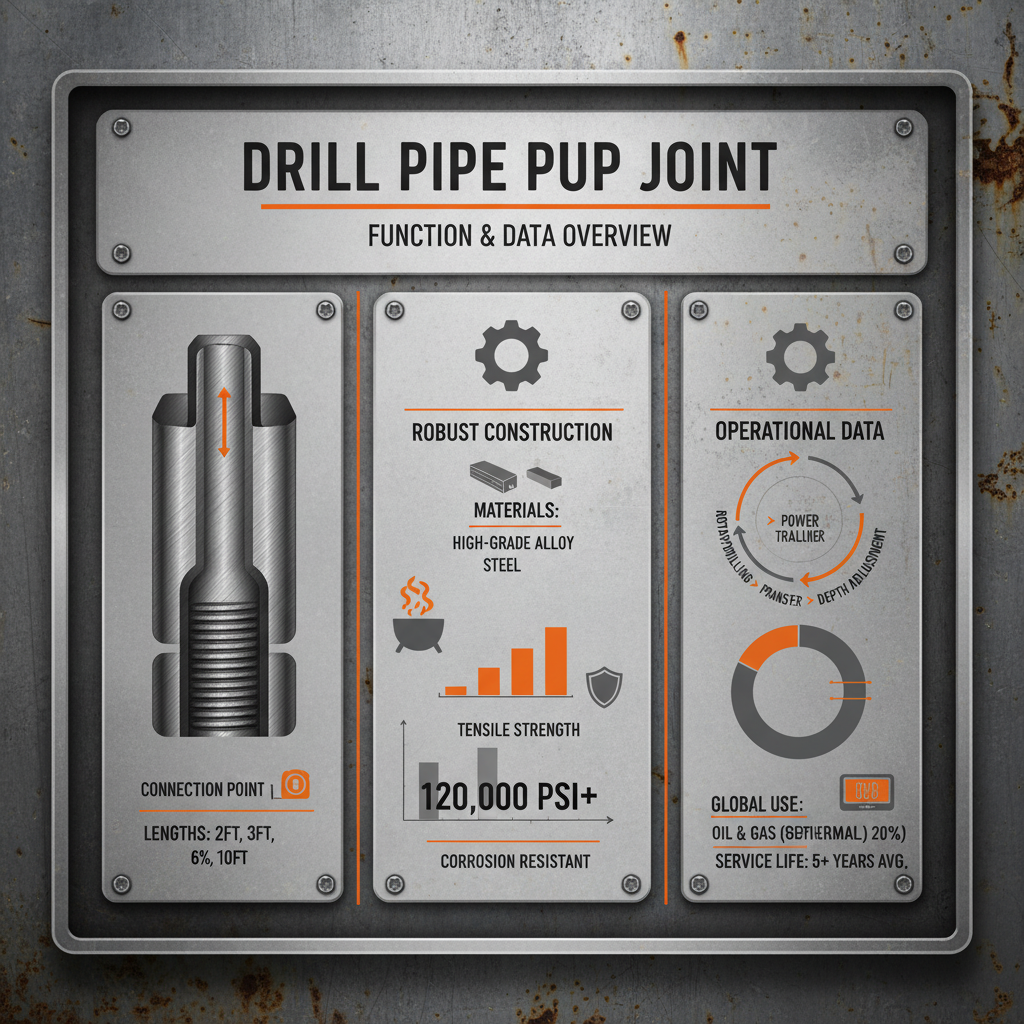
Drill pipe pup joints are not simply short lengths of drill pipe; they are precision-engineered components designed for a specific purpose: to facilitate accurate drill string assembly and adjustments. They are vital in a diverse range of drilling scenarios, from onshore conventional wells to complex offshore operations and geothermal energy exploration. The proper selection and utilization of these joints significantly impact the overall efficiency and cost-effectiveness of the drilling process.
These short sections offer a quick and efficient method to fine-tune the drill string length without requiring the removal and replacement of longer sections of drill pipe. This minimizes rig downtime, reduces operational costs, and enhances safety by lessening the handling of heavy equipment. The global reliance on hydrocarbons and the increasing demand for geothermal resources continue to drive the importance of optimizing drilling procedures, where the drill pipe pup joint plays an integral part.
The lifespan of a drill pipe pup joint varies depending on operational conditions, maintenance practices, and material quality. Generally, with proper care and regular inspection, a pup joint can last for several years, potentially exceeding 500-1000 drilling days. However, factors such as exposure to corrosive environments, high stress levels, and improper handling can significantly reduce its lifespan. Routine non-destructive testing (NDT) is critical for identifying wear and preventing premature failure.
Drill pipe pup joints should be inspected after each use and undergo a more thorough inspection at regular intervals, typically every 30-60 days of continuous operation. Inspections should include visual examination for cracks, corrosion, and thread damage, as well as non-destructive testing (NDT) methods such as magnetic particle inspection (MPI) and ultrasonic testing (UT). Detailed records of inspections should be maintained for traceability and future reference.
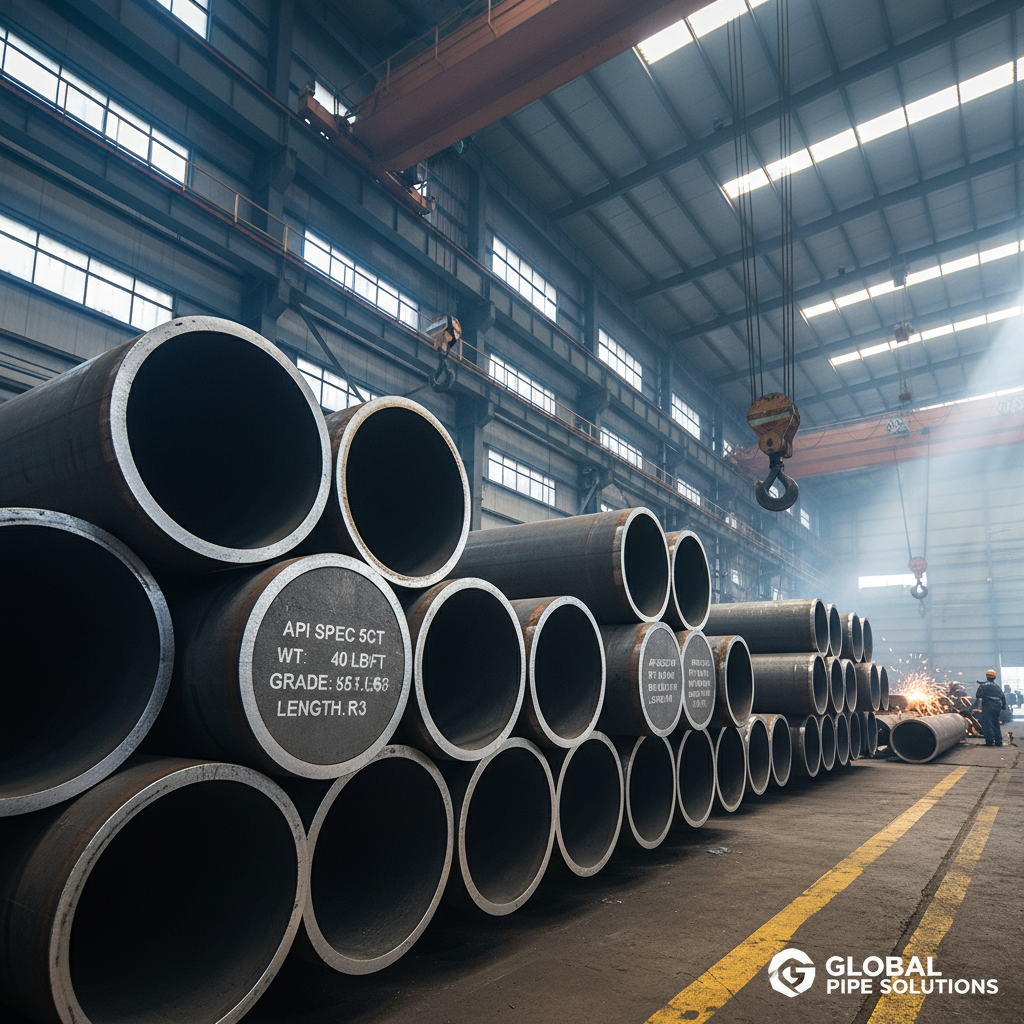
The most common material used in drill pipe pup joint construction is high-strength alloy steel, typically conforming to API specifications. Specific alloy compositions vary, but commonly include chromium, molybdenum, and manganese to enhance strength, toughness, and corrosion resistance. In some specialized applications, pup joints may be manufactured from non-magnetic alloys for use in directional drilling operations where magnetic interference is a concern.
Yes, several thread types are used on drill pipe pup joints, including API Regular, API Modified, and premium connections. API Regular is the most common, while API Modified offers improved sealing and torsional performance. Premium connections utilize advanced thread designs and sealing technologies to deliver even higher performance and reliability, particularly in demanding drilling environments. The choice of thread type depends on the specific application and drilling conditions.
Pup joints significantly contribute to drilling cost reduction by minimizing non-productive time (NPT). They allow for precise drill string adjustments without requiring the removal and replacement of longer pipe sections, reducing rig downtime and associated costs. They also facilitate quicker connections and disconnections, further enhancing efficiency. By optimizing BHA configurations, pup joints can also improve drilling rates and reduce the risk of costly wellbore instability issues.
When handling drill pipe pup joints, it’s crucial to wear appropriate personal protective equipment (PPE), including safety glasses, gloves, and steel-toed boots. Proper lifting techniques should be employed to avoid strains and injuries. Ensure the pup joints are securely supported during connection and disconnection procedures. Regularly inspect the pup joints for any damage or defects that could compromise safety. Following established safety protocols is paramount for preventing accidents.
In conclusion, the drill pipe pup joint is a seemingly simple component with a profoundly significant impact on the efficiency, safety, and cost-effectiveness of drilling operations worldwide. From facilitating precise drill string adjustments to reducing non-productive time and enhancing safety protocols, these joints are integral to modern drilling practices. Understanding their characteristics, applications, and future trends is crucial for all stakeholders in the oil and gas and geothermal energy industries.
Looking ahead, continued innovation in materials, design, and automation will further enhance the performance and value of drill pipe pup joints. Embracing digital technologies, such as sensor integration and data analytics, will enable proactive maintenance and optimize operational efficiency. By prioritizing these advancements, the industry can unlock even greater potential for streamlined drilling operations and sustainable energy production. For more information and to explore our range of drill pipe pup joints, visit our website: drill pipe pup joint.