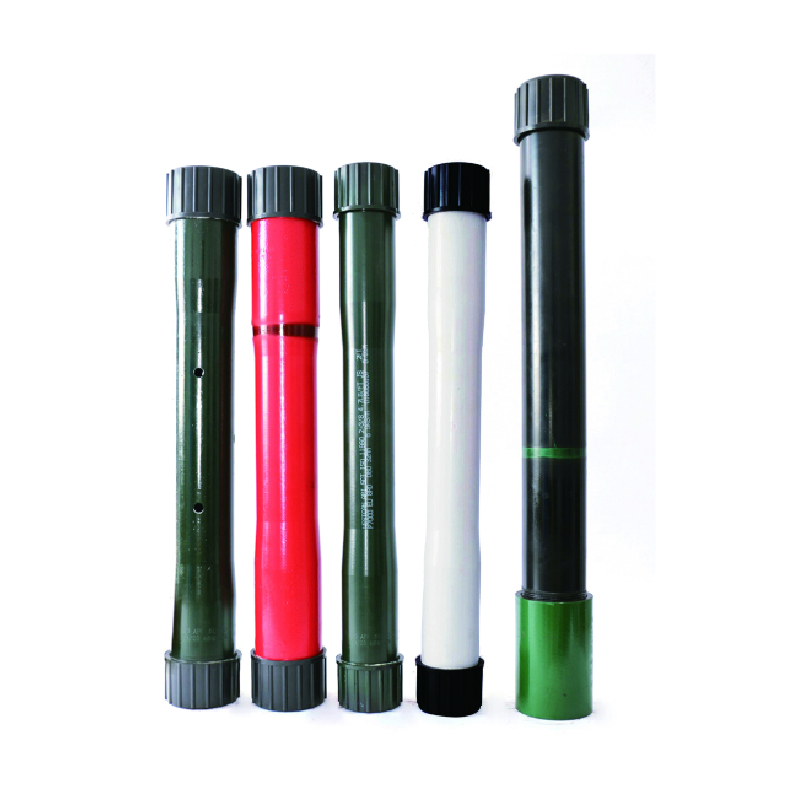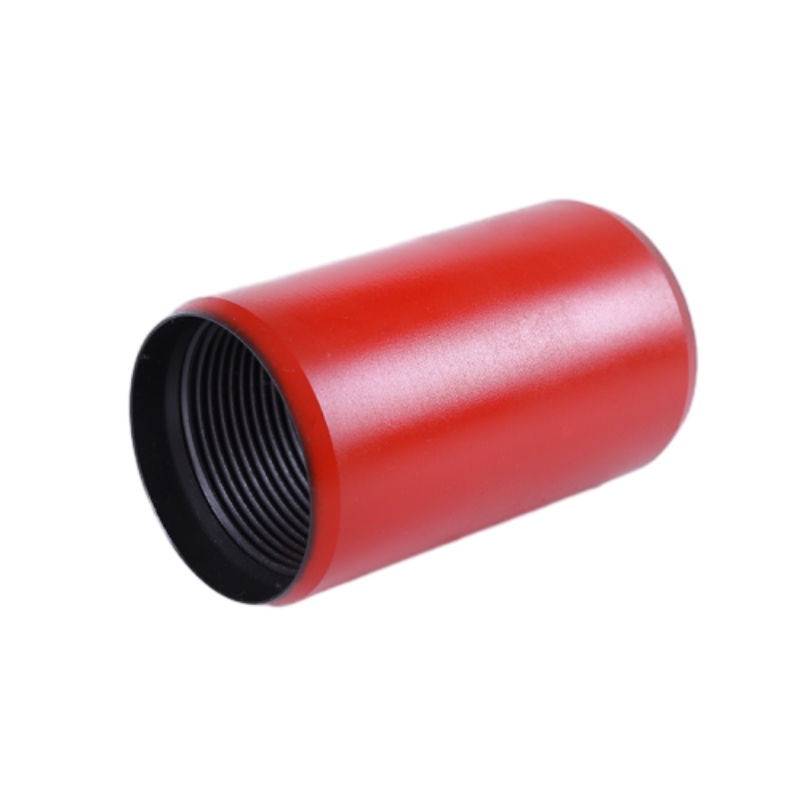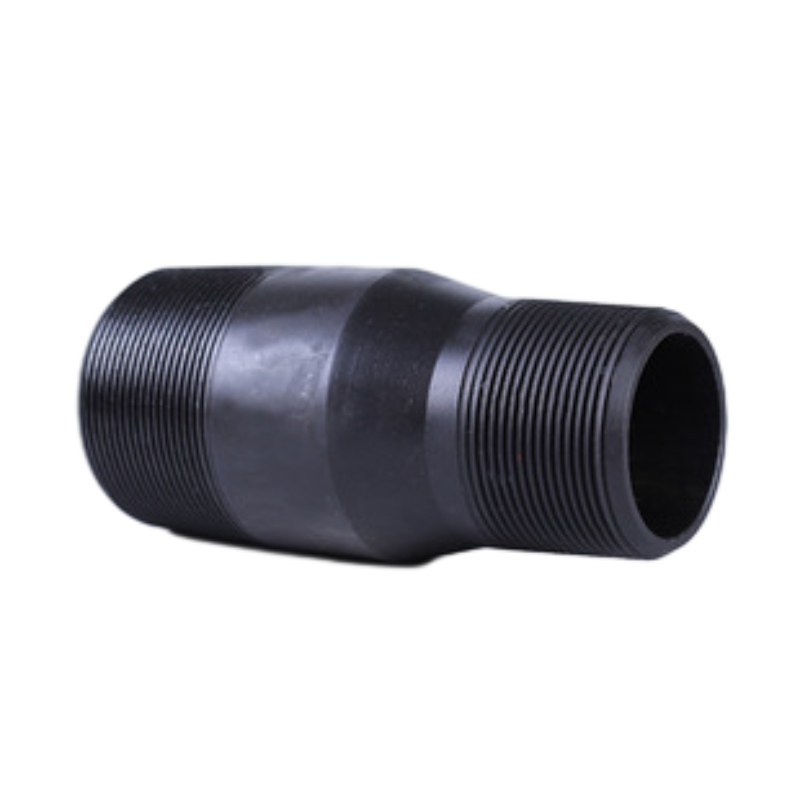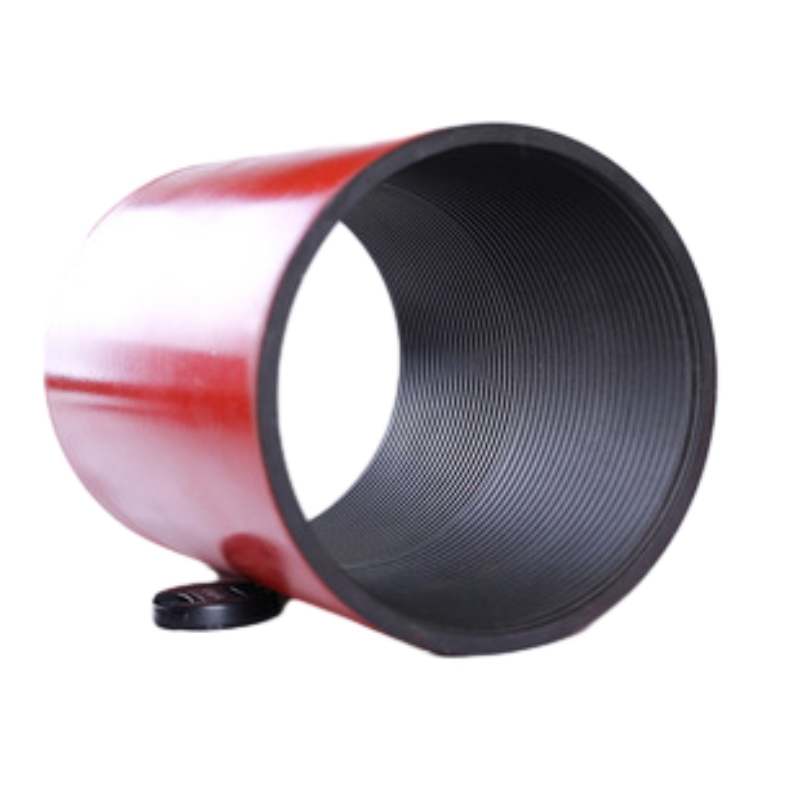


Reliable 2 Inch Steel Coupling for Industrial Applications
Why the 2 Inch Steel Coupling Still Holds Strong in Industrial Use
Having spent over a decade knee-deep in the industrial equipment world, I've handled my fair share of fittings, and I’ll tell you—the 2 inch steel coupling is one of those deceptively simple components with a surprising amount of nuance. It’s the kind of part you rarely think about until something goes wrong, which, frankly, is a sign it’s doing its job well.
Oddly enough, despite all the advances in materials and complex joining technologies, steel couplings around this two-inch size remain a staple. It feels like they strike a perfect balance: strong enough to handle serious pressures but still maneuverable on shop floors or rigs. I suppose that’s why many engineers keep their specs on these couplings in hand, especially when reliability can mean downtime costs in the thousands.
Material and Design Nuances
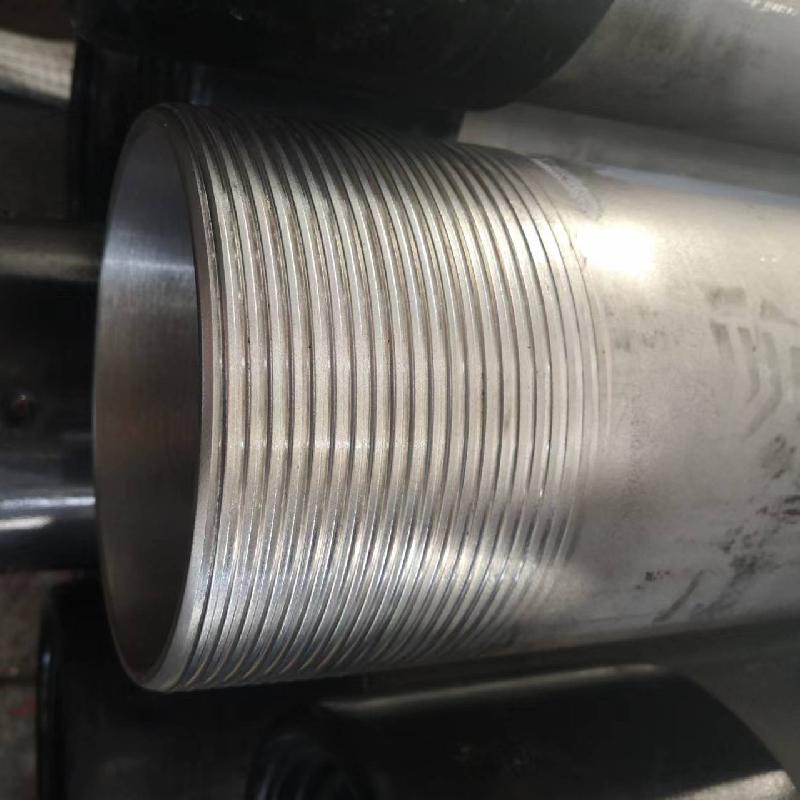
Steel, the material of choice here, is mostly carbon or stainless variants depending on the application environment. Carbon steel offers great tensile strength and cost-effectiveness, but if you’re dealing with corrosive substances or outdoor installations — stainless takes the stage. The craftsmanship behind a 2 inch steel coupling isn’t just about diameter and threads; it’s also about tolerances and surface finish that impact seal tightness and longevity.
Testing protocols for these couplings, especially those used in high-pressure pipelines, can get intense. Hydrostatic tests and dimensional checks keep the quality bar high. I’ve personally seen batches rejected over minute imperfections — tight standards are a must to avoid catastrophic failures later on.
Typical Applications and Real-World Use
In real terms, you’ll find these couplings in oil and gas, chemical processing, and heavy machinery setups. The 2 inch size is common for mid-range pipe connections where flow and pressure conditions need that stable, leak-free seal. I remember one customer, a midwestern refinery, who switched to premium steel couplings and cut their joint failures in half over a six-month period. That kind of performance shift is why you don’t skimp on this part.
| Specification | Details |
|---|---|
| Nominal Size | 2 inches |
| Material | Carbon Steel / Stainless Steel |
| Pressure Rating | Up to 3000 PSI (varies by standard) |
| Thread Type | NPT, BSP, or custom |
| Finish | Galvanized, Painted, or bare steel |
| Certifications | API, ASTM, ISO |
Choosing Your Supplier: A Quick Comparison
If you’re sourcing 2 inch steel couplings, you’ll notice some significant variances between suppliers — from pricing to testing extras. Here’s a quick rundown, based on what I’ve seen across North American vendors:
| Vendor | Price Range | Lead Time | Custom Options | Warranty |
|---|---|---|---|---|
| Vendor A | $15–$20 per piece | 1–2 weeks | Standard thread options | 1 year |
| Vendor B | $18–$25 per piece | 3–4 days (stock) | Custom materials & finishes | 2 years |
| Vendor C | $12–$17 per piece | 2 weeks | Limited customization | No warranty |
In choosing your coupling supplier, it’s worth balancing cost and lead time versus reliability and warranty. I’ve found — almost regardless of price — that quality testing and certification really separates the ones you’ll trust long term from those you might regret. If you want my two cents, work with vendors who back their products and support customization. It usually pays off.
To wrap up, the humble 2 inch steel coupling may seem like a small player in the industrial puzzle, but it bears a hefty responsibility. If it leaks or fails, everything downstream suffers. After years watching these parts in action, I can safely say: invest a bit more attention in your couplings, and you’ll save headaches, time, and often money down the line.
Ref.
- API Standards for Steel Pipe Fittings
- ASTM International - Steel Coupling Specifications
- Industry Case Studies on Pipeline Maintenance
-
The Ultimate Industrial Guide to using مفصل الجرو Swivel JointsNewsApr.16,2026
-
Comprehensive Guide to api الجرو المشترك in Industrial ApplicationsNewsApr.09,2026
-
Comprehensive Guide to Puppy Joint Health with غلاف مفصل الجرو SupplementsNewsApr.07,2026
-
Optimizing Oilfield Performance with تمرير المفاصل الجرو and WJ Petroleum ExpertiseNewsApr.04,2026
-
Understanding Puppy Mills ¿qué es un porro de cachorros? Responsible Breeding PracticesNewsMar.31,2026
-
Comprehensive Guide to Perforated Puppy Joints and Long Term Canine HealthNewsMar.28,2026