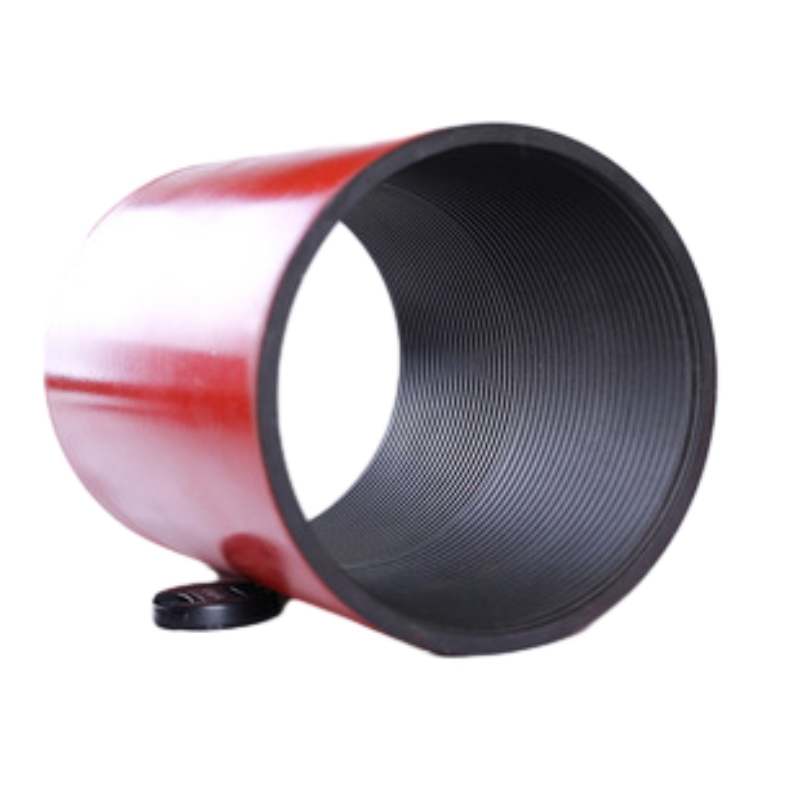


Reliable Metric Pipe Couplings: Industrial Insights & Vendor Guide
A Practical Look at Metric Pipe Couplings in Industrial Applications
Having spent more than a decade knee-deep in the trenches of the industrial equipment world, metric pipe couplings are something I’ve grown quite familiar with. They're, frankly, one of those unsung heroes of piping systems — the kind of component you almost take for granted until something goes sideways. Let’s talk about what makes metric pipe couplings tick, why they matter, and why nobody really wants to compromise on quality here.
In industrial setups, the reliability of a pipe coupling often correlates directly with plant uptime. Think about it: these couplings have to resist high pressures, deal with temperature swings, and withstand corrosive environments — a tall order, honestly. Over the years, the trend has skewed toward metric standards given their precision and widespread international use, which makes sourcing and compatibility much smoother, at least in theory.
Material choice, for instance, can make or break a coupling’s performance. Stainless steel, carbon steel, and sometimes even brass or specialized alloys are popular options. I've noticed through my projects that stainless steel, though a little pricier, offers a longer lifespan especially when exposure to moisture or chemicals is part of the equation. Manufacturers today really push for corrosion resistance as a primary selling point.
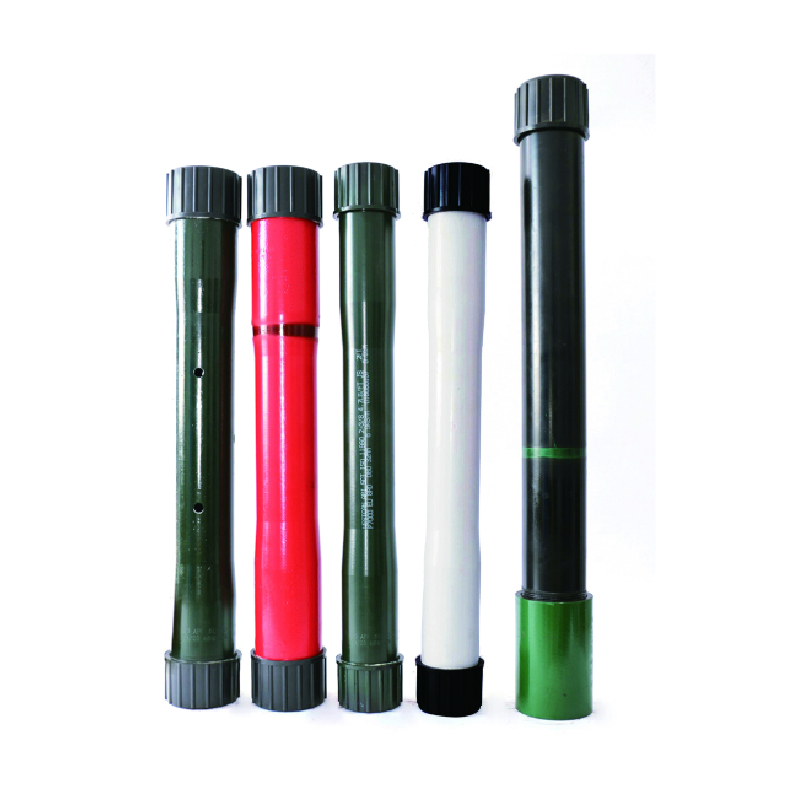
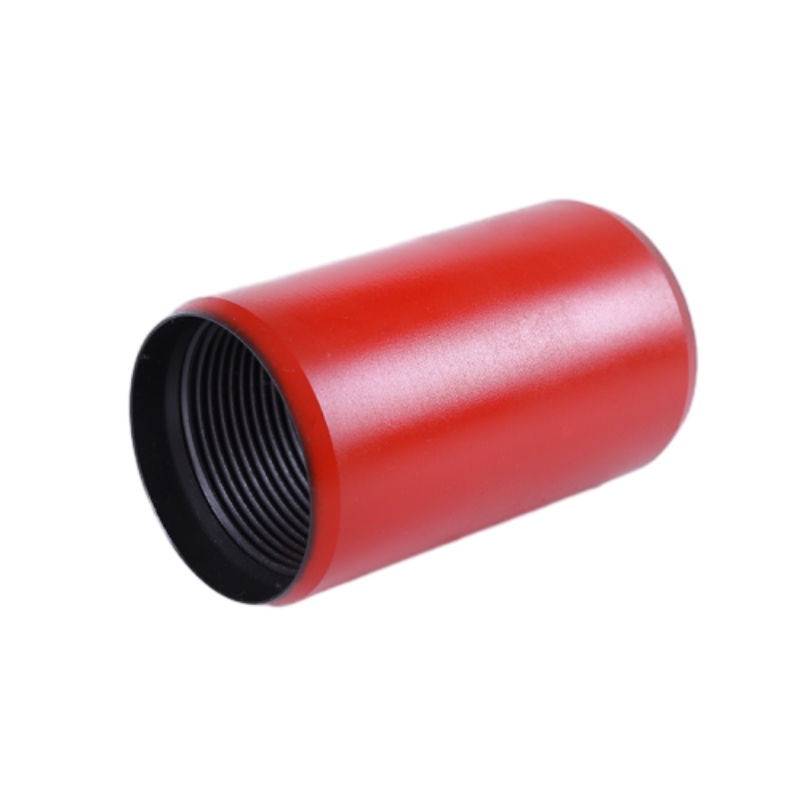
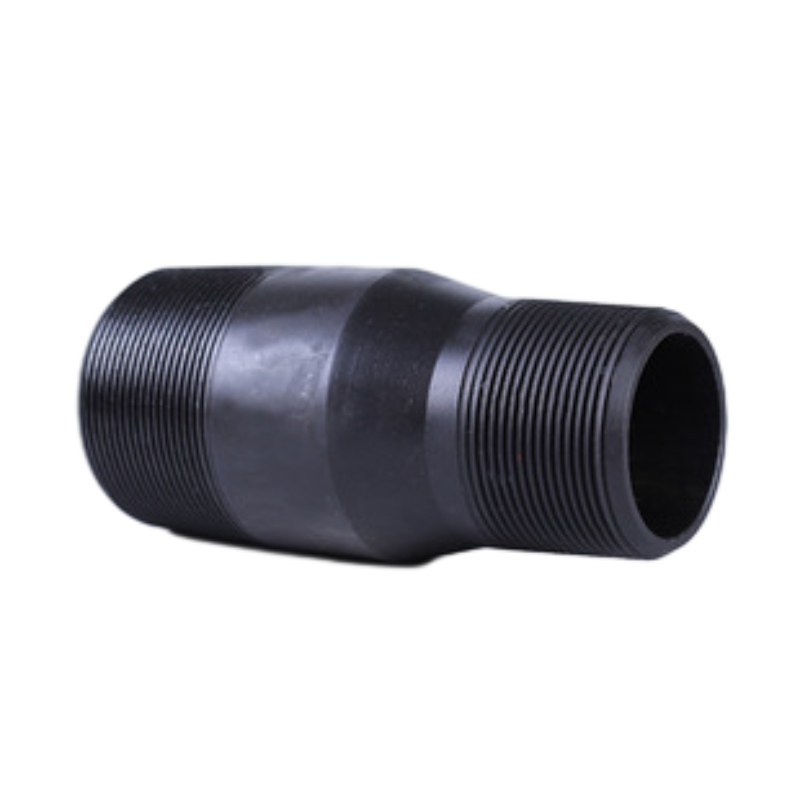
Design-wise, metric pipe couplings come in several flavors: slip-on, threaded, grooved, and flange types, each tailored for specific needs. I recall one project in particular — a chemical processing plant upgrade — where the engineering team opted for grooved couplings because they allowed quicker assembly and disassembly. It wasn’t just convenience, but also a safety factor during maintenance shutdowns.
The testing protocols behind these couplings can get pretty rigorous. Pressure testing, tensile strength, and dimensional accuracy are checked repeatedly. Industry certifications also play a key role. Believe me, using components that meet EN or ISO standards is non-negotiable in heavily regulated sectors. It’s the kind of thing that might seem dull but literally saves headaches (and money) down the line.
Customization? Oh, absolutely. The reality is that no two projects are exactly alike. Companies often request couplings with special coatings or unique sizes. There’s also the option of integrating seals that can handle higher pressures or temperatures. From speaking with several vendors, I’ve gathered that the ability to tailor a coupling often separates the mediocre from the outstanding providers.
To put it plainly, metric pipe couplings are indispensable parts of the puzzle. They’re simple in concept, but their quality directly affects overall system integrity. I suppose many engineers feel the same way — it’s the little things that keep big systems running smooth.
Product Specification Table
| Specification | Details |
|---|---|
| Material | Stainless Steel 316L / Carbon Steel |
| Size Range | DN15 to DN300 (metric) |
| Pressure Rating | Up to 25 bar (depending on type) |
| Temperature Range | -40°C to +200°C |
| Standards | ISO 8434, EN 10241 |
Comparing Popular Metric Pipe Coupling Vendors
| Vendor | Material Options | Customization | Pricing | Lead Time |
|---|---|---|---|---|
| WJ Petroleum | 316L Stainless, Carbon Steel | High – coatings, sizes, seals | Medium | 2–3 weeks |
| GlobalFit Systems | Carbon Steel, Brass | Moderate | Low | 4–6 weeks |
| UniPipe Solutions | Stainless Steel, Alloy Steel | High | High | 1–2 weeks |
Oddly enough, it’s these seemingly small details — like a slight variation in material grade or coating — that can transform the coupling’s real-world usefulness. I remember once seeing a plant saved from a costly shutdown just because the coupling supplier took the extra step to recommend a premium corrosion-resistant option. It felt like a good reminder that sometimes, cheaper isn’t better.
Anyway, if you’re in the market or just scratching your head over what sort of metric pipe coupling is right for your setup, don’t underestimate the value of trusted vendors with proven track records. And remember: the coupling may be small, but the impact is anything but.
Takeaway: In real terms, investing in quality metric pipe couplings is less about the upfront cost and more about safeguarding your operation’s uptime and safety.
- ISO 8434 – Metallic Tube Connections for Fluid Power and General Use
- European Standard EN 10241 – Steel fittings threaded to ISO 7-1
- Industrial Maintenance Journal, “Material Choices for Pipe Fittings,” 2022
-
The Ultimate Industrial Guide to using مفصل الجرو Swivel JointsNewsApr.16,2026
-
Comprehensive Guide to api الجرو المشترك in Industrial ApplicationsNewsApr.09,2026
-
Comprehensive Guide to Puppy Joint Health with غلاف مفصل الجرو SupplementsNewsApr.07,2026
-
Optimizing Oilfield Performance with تمرير المفاصل الجرو and WJ Petroleum ExpertiseNewsApr.04,2026
-
Understanding Puppy Mills ¿qué es un porro de cachorros? Responsible Breeding PracticesNewsMar.31,2026
-
Comprehensive Guide to Perforated Puppy Joints and Long Term Canine HealthNewsMar.28,2026