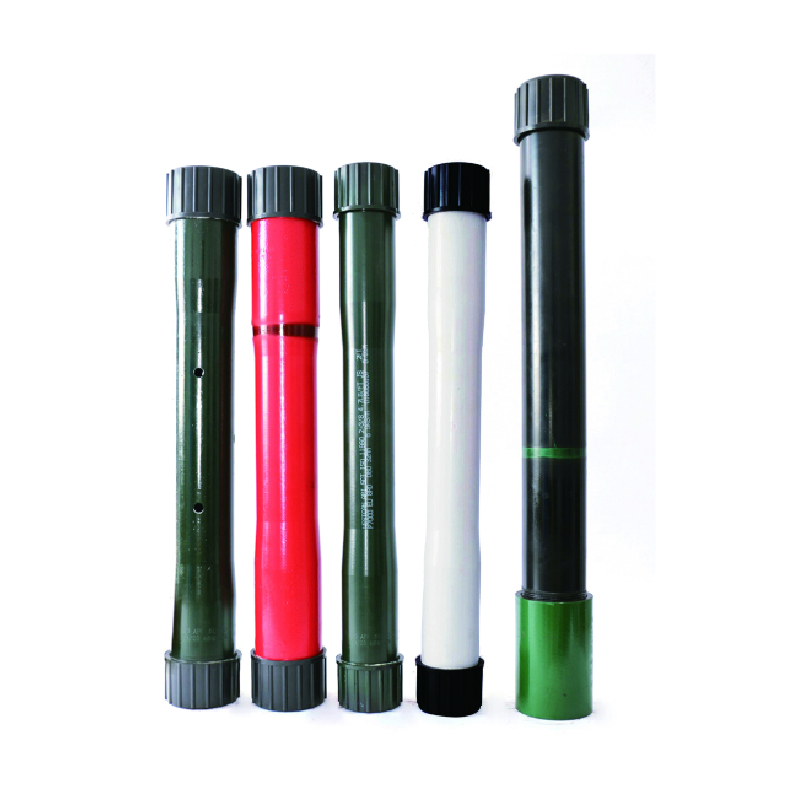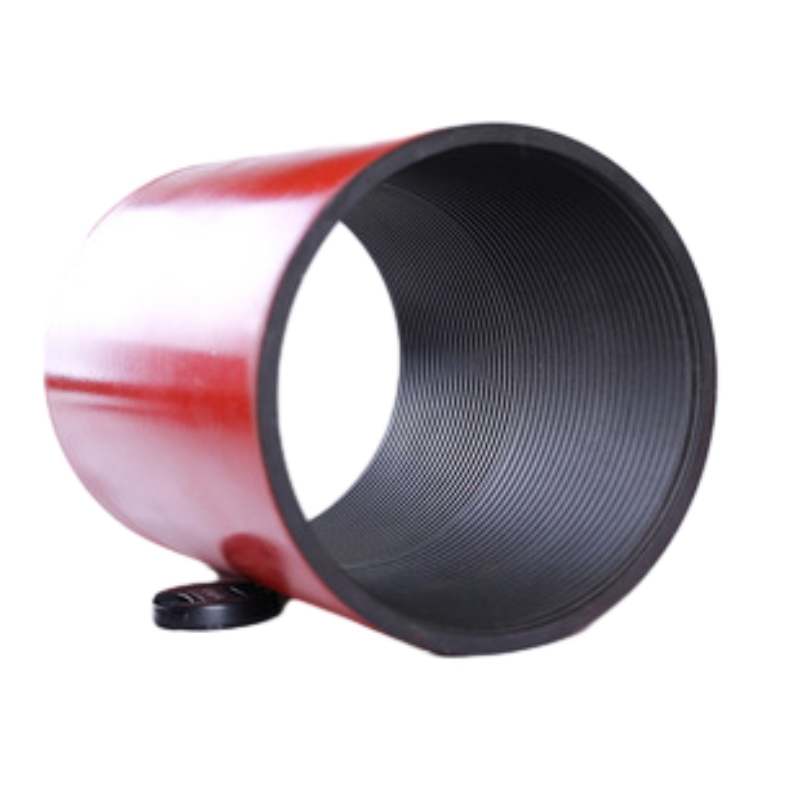


Reliable Steel Pipe Coupling Guide for Industrial Applications
Steel Pipe Coupling: The Unsung Hero of Industrial Piping Systems
Having worked on countless industrial piping projects over the years, I can honestly say steel pipe couplings don’t always get the appreciation they deserve. Yet, these little connectors play a pivotal role in ensuring the integrity, safety, and longevity of pipelines everywhere. If you’ve ever wrestled with steel pipes on-site, you know one thing for sure: a dependable coupling can save you from a world of headaches.
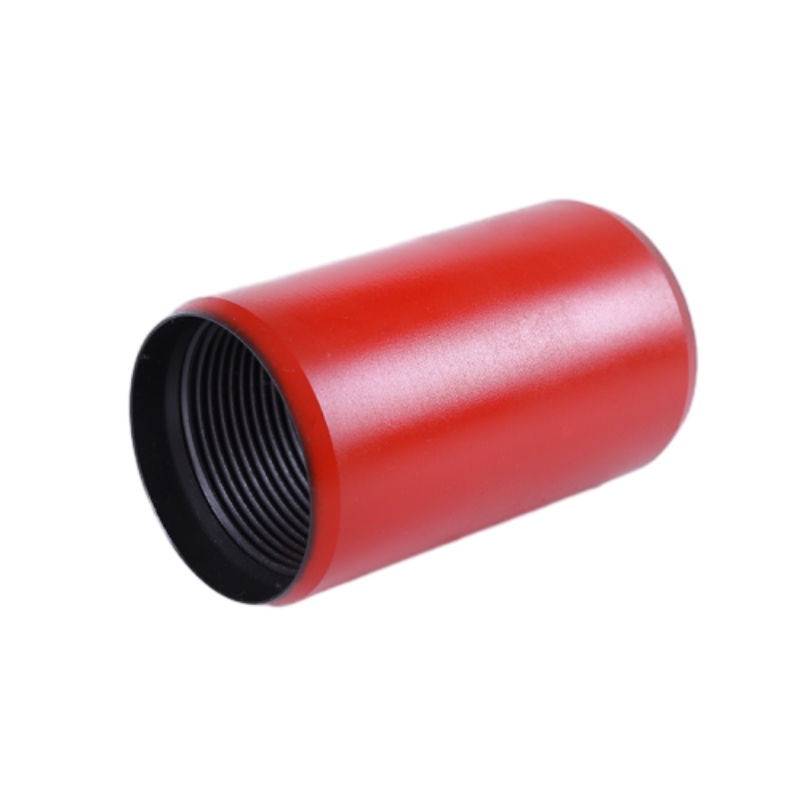
Now, when I say steel pipe coupling, I’m referring to the mechanical connector designed to join two sections of steel pipe securely. They come in a variety of designs, but the goal remains the same — provide a reliable, leak-proof connection that’s also easy to assemble and maintain.
Oddly enough, even though welding has its place, couplings often outperform spot welds when it comes to field repairs and modifications. The flexibility they offer, plus the ease of installation without heavy machinery, is a big win in tighter spaces or challenging environments.
Material Choices and Design Considerations
Most robust steel pipe couplings are made from high-grade carbon steel or stainless steel. The material choice largely depends on the application — from high-pressure oil and gas pipelines to water lines or even fire protection systems. Carbon steel tends to be favored in heavy industrial and oilfield applications for its mechanical strength and cost-effectiveness, while stainless steel’s corrosion resistance makes it ideal for harsh chemical environments.
Design-wise, I’ve noticed the rise of grooved couplings over the years. Grooved mechanical couplings, unlike traditional threaded or welded joints, utilize a ring and gasket system that clamps tightly around the pipe ends. This design simplifies alignment and compensates for some thermal expansion — which, frankly, is a relief in long pipelines subjected to temperature swings.
Testing and Standards: Trust but Verify
One detail many newcomers overlook is rigorous testing. Quality steel pipe couplings don’t just slide onto pipes; they’re carefully engineered and tested to conform with standards like ASTM, ANSI, or API depending on the sector. Pressure testing, tensile strength, and corrosion resistance are all critical parameters manufacturers verify.
In my experience, insisting on certified couplings is non-negotiable. A single failed coupling — especially under high-pressure conditions — can cascade into costly downtime and safety hazards. So, always check certification and do a spot check on site, if possible.
Advantages and Customization
Couplings, particularly those from reputed brands, nowadays come with customization options designed to fit specific pipe diameters, pressure classes, and environmental conditions. For example, if you’re dealing with corrosive fluids or offshore installations, customized coatings or materials can dramatically extend service life.
What I like about couplings is their reusability. When a project calls for modifications or expansions, many couplings can be removed and reinstalled without too much trouble. This flexibility — combined with avoiding time-consuming welding work — makes them favorites among field engineers and contractors alike.
A Small Anecdote
I remember a project a few years back deep in Texas, where a last-minute pipeline reroute meant modifying already laid sections. Thanks to versatile steel pipe couplings, the team managed to adapt the existing steel pipes without lengthy downtime. The client was thrilled, and honestly, it felt like a small victory where the coupling quietly took credit behind the scenes.
| Parameter | Specification |
|---|---|
| Material | AISI 1045 Carbon Steel |
| Size Range | 2" to 24" Diameter |
| Pressure Rating | Up to 3000 psi |
| Coating | Epoxy or Hot-Dip Galvanized |
| Temperature Range | -40°F to 300°F (-40°C to 149°C) |
| Gasket Material | Nitrile or EPDM |
Vendor Comparison of Popular Steel Pipe Couplings
| Feature | Brand A | Brand B | Brand C |
|---|---|---|---|
| Pressure Rating (psi) | 3000 | 2500 | 3500 |
| Material | Carbon Steel | Stainless Steel | Carbon Steel |
| Gasket Options | Nitrile, EPDM | EPDM, Viton | Nitrile |
| Typical Applications | Oil & Gas, Fire Protection | Chemical, Food Industry | Water, HVAC |
| Lead Time | 2 weeks | 3 weeks | 1 week |
| Price Range | $$ | $$$ | $ |
To wrap up, steel pipe couplings might seem straightforward on paper, but their design, materials, testing, and supplier reliability all matter immensely. Getting these details right can be the difference between a pipeline that lasts decades and one filled with leaks and downtime. For anyone in industrial piping, they deserve a closer look — not just as a connector, but as a vital part of the system's backbone.
Thanks for sticking with me on this one — sometimes the smallest pieces hold the biggest importance.
References:
1. ASTM International Standards on Pipe Couplings
2. API Standards for Oil & Gas Piping Components
3. Personal field experience, 15+ years in industrial piping
-
The Ultimate Industrial Guide to using مفصل الجرو Swivel JointsNewsApr.16,2026
-
Comprehensive Guide to api الجرو المشترك in Industrial ApplicationsNewsApr.09,2026
-
Comprehensive Guide to Puppy Joint Health with غلاف مفصل الجرو SupplementsNewsApr.07,2026
-
Optimizing Oilfield Performance with تمرير المفاصل الجرو and WJ Petroleum ExpertiseNewsApr.04,2026
-
Understanding Puppy Mills ¿qué es un porro de cachorros? Responsible Breeding PracticesNewsMar.31,2026
-
Comprehensive Guide to Perforated Puppy Joints and Long Term Canine HealthNewsMar.28,2026