The integrity of wellbore completion relies heavily on the precision of the interfaces between tubing and casing strings. In high-pressure oil and gas environments, the ability of an accessory manufacturer to provide components that eliminate leak paths while accommodating diverse thread configurations is not merely a convenience but a critical safety requirement.
Engineering challenges often arise when mismatched thread types or varying pipe diameters are encountered during the deployment of completion strings. Failure to ensure a secure, leak-free connection can lead to significant production losses, environmental hazards, and costly non-productive time (NPT) during workover operations.
This analysis examines the technical requirements for high-performance crossovers and seating nipples, providing a framework for evaluating the reliability of components sourced from a professional accessory manufacturer to ensure optimal wellbore performance.


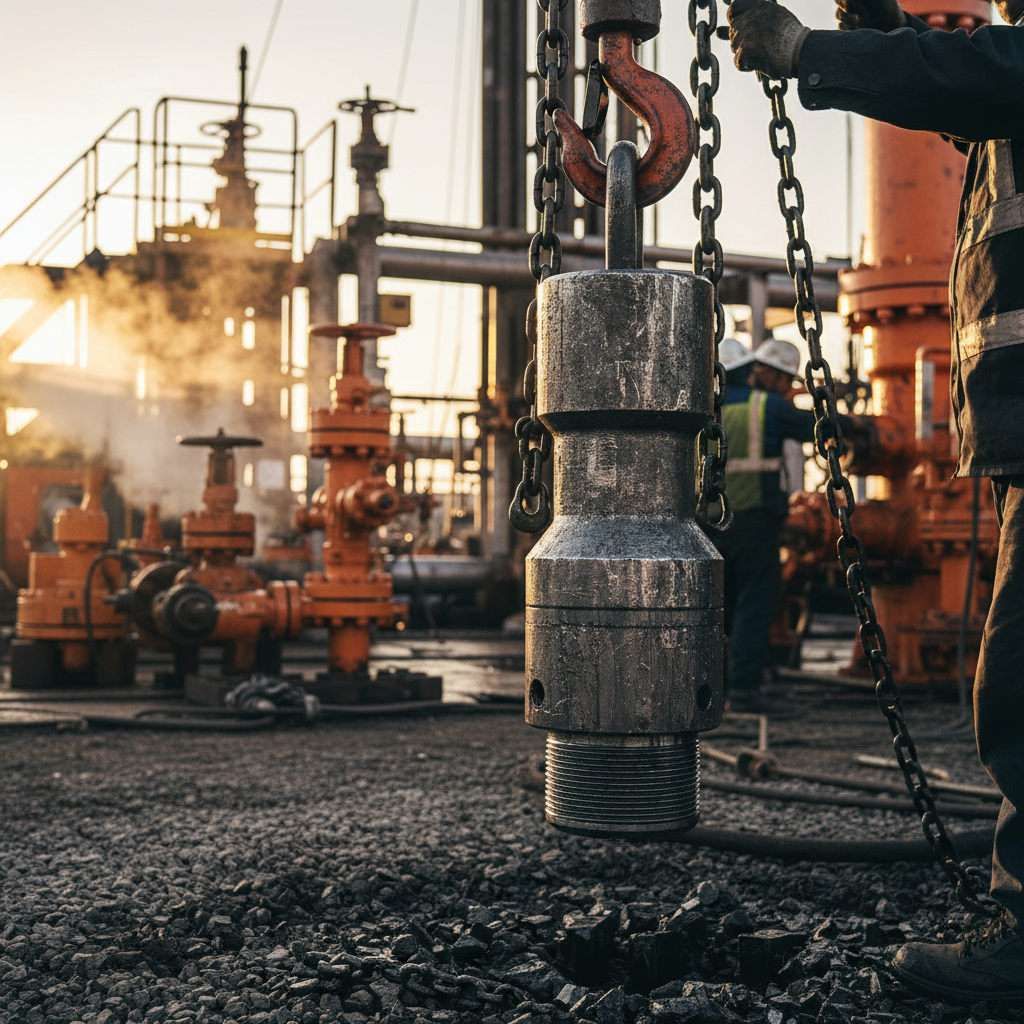
Crossovers serve as the mechanical bridge between sections of tubing and casing that possess different thread types or diameters. The engineering objective is to transition the load and pressure from one string to another without introducing a structural weak point or a leak path.
This requires a deep understanding of API standards and premium connection geometries to ensure that the crossover can withstand the axial tension and compression forces encountered during installation and production.
The selection of materials for downhole accessories is dictated by the chemical composition of the wellbore fluids and the expected pressure gradients. Standard carbon steels are utilized for conventional environments, while stainless steel or specialized alloys are required for corrosive H2S or CO2 settings to prevent stress corrosion cracking.
Threading precision is equally vital. Crossovers must adhere to strict API thread specifications or manufacturer-specific premium threads to ensure a metal-to-metal seal. Any deviation in the lead or taper of the thread can result in improper torque-up, compromising the overall integrity of the connection.
Reliable manufacturing involves rigorous inspection of the thread profiles and material hardness. By maintaining strict adherence to API standards, an accessory manufacturer ensures that the components are interchangeable and compatible with the wider ecosystem of oilfield equipment.
Leak-free connections are the primary performance metric for any crossover used in the wellbore. When connecting tubing to casing, the crossover must act as a pressure-tight barrier that prevents fluid migration between the annulus and the production stream.
To mitigate these risks, premium thread options are often employed. These designs incorporate additional sealing shoulders or gaskets that provide a secondary barrier, ensuring that the wellbore remains secure even under extreme downhole conditions.
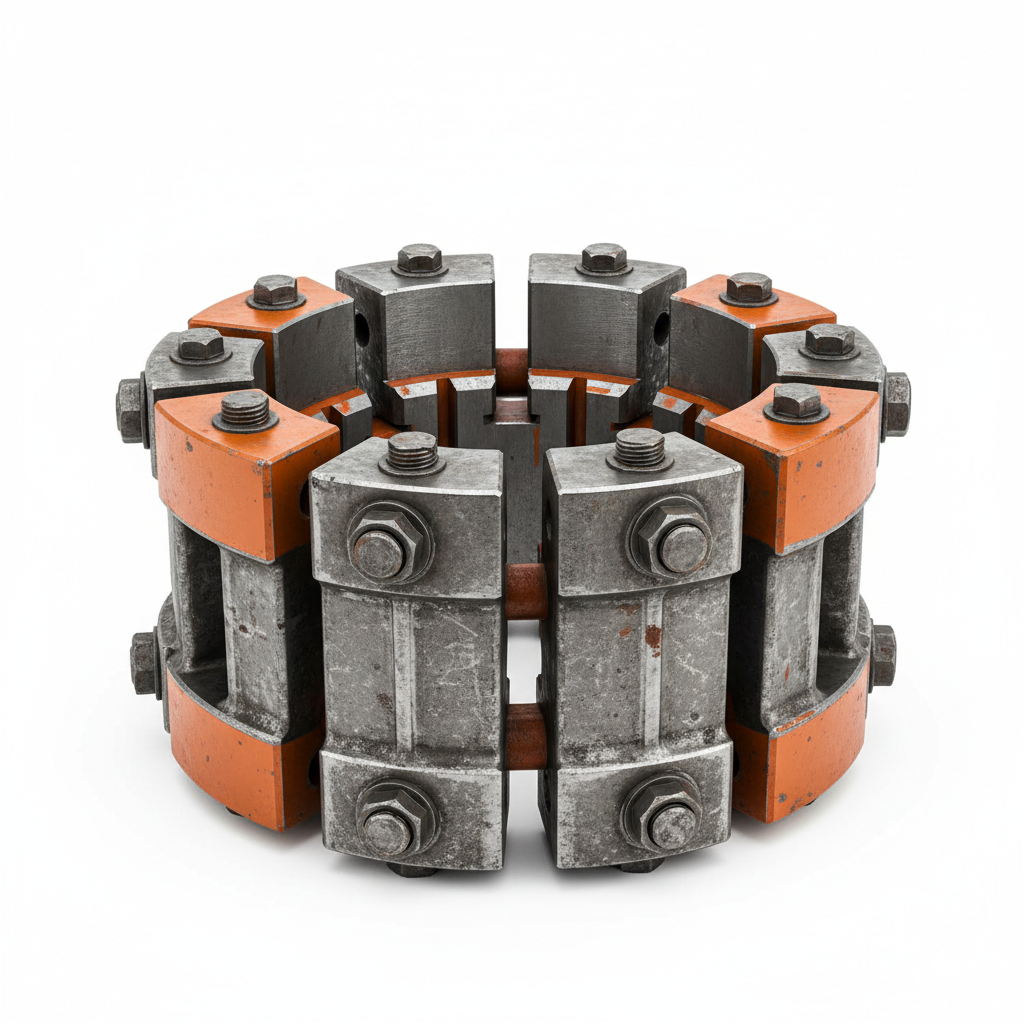
Pump seating nipples provide the necessary anchor point for the pump system within the tubing string. Their primary function is to provide a secure, standardized landing spot for pumps or plugs, ensuring that they are positioned accurately and locked firmly in place.
The performance of a seating nipple is measured by its ability to withstand high internal pressures and the mechanical stress of repeated tool settings and retrievals without distorting the internal profile.
Bull plugs are indispensable during the well completion and maintenance phases, where they are used to seal the wellbore and ensure total pressure containment. Whether employed for temporary isolation during pressure testing or as a permanent solution for well abandonment, these components must be made from high-grade carbon or stainless steel to resist the harsh downhole environment.
Typical deployment involves the use of bull plugs to prevent fluid leakage during testing phases, while crossovers are strategically placed where the production tubing must interface with the casing string, allowing for a seamless transition between different tool sizes and thread types.
The manufacturing of oilfield accessories is shifting toward higher precision and the integration of advanced materials. As drilling moves into deeper, higher-pressure, and higher-temperature (HPHT) reservoirs, the demand for components that can maintain their mechanical properties under extreme stress is increasing.
Modern manufacturing processes now focus on reducing the risk of hydrogen embrittlement and enhancing the fatigue life of threaded connections. This evolution is driven by the need to reduce the frequency of workovers and extend the lifecycle of the well.
Future developments are likely to include more sophisticated coating technologies to protect against abrasion and corrosion, alongside the adoption of digital traceability for each component to ensure a complete audit trail of material certifications and quality checks.
Selecting the correct accessory requires a comprehensive evaluation of the operating environment. Engineers must cross-reference the thread specifications of the tubing and casing with the pressure ratings of the crossover to ensure compatibility.
The choice between standard API connections and premium threads often depends on the risk profile of the well. For high-gas wells, the superior sealing capability of premium threads justifies the increased cost.
The following matrix provides a general framework for evaluating different component configurations based on typical industry requirements.
| Configuration Type | Material Profile | Seal Performance | Recommended Use Case |
|---|---|---|---|
| Standard API | Carbon Steel | Basic Leak-Tight | Low-Pressure/Standard Wells |
| Premium Threaded | Alloy Steel | High-Pressure Gas-Tight | HPHT/Gas Production |
| Corrosion Resistant | Stainless/Chrome | Chemical Resistant | H2S/CO2 Environments |
| High-Duty Heavy Wall | Reinforced Steel | High Mechanical Load | Deepwater/High-Tension |
| Custom Specification | Mixed Alloys | Application Specific | Non-Standard Wellbore Geometry |
| Industry Baseline | API Standard | Baseline Standard | General Purpose Completion |
To select the correct crossover, you must identify the thread type, size, and weight of both the tubing and the casing strings. Verify whether the connection requires API standard or premium threads and ensure the pressure rating of the crossover meets or exceeds the maximum anticipated wellbore pressure. Consulting the technical documentation from your accessory manufacturer is essential to avoid mismatched interfaces.
Using non-certified accessories increases the risk of connection failure, leakages, and mechanical instability. API certification ensures that the threads and materials meet standardized tolerances and strength requirements. In high-pressure environments, a lack of certification can lead to catastrophic seal failure, potentially causing well control issues or significant production downtime.
Stainless steel should be chosen when the wellbore environment contains corrosive elements such as hydrogen sulfide (H2S) or carbon dioxide (CO2). Carbon steel is susceptible to pitting and stress corrosion cracking in these environments. Stainless steel provides the necessary chemical resistance to maintain the structural integrity of the seating nipple and prevent premature failure of the pump anchor point.
A bull plug provides a solid, threaded seal at the end of a pipe string, creating a mechanical barrier that prevents fluid or gas from escaping. During pressure testing, the plug is torqued to specification to create a gas-tight seal, allowing engineers to pressurize the system and verify the integrity of the casing or tubing without leakage at the surface or the termination point.
Thermal cycling causes the steel components to expand and contract. If the crossover is not designed to handle these changes, the stress can lead to "backing off" of the connections or the degradation of the seal. This is why premium connections with metal-to-metal seals are preferred in high-temperature wells, as they maintain a consistent seal regardless of the thermal fluctuations.
Galling can be prevented by using high-quality thread compounds (dope) that provide lubrication and protect the thread flanks from friction-induced welding. Additionally, ensuring that threads are clean and free of debris before assembly and applying the correct torque as specified by the accessory manufacturer will reduce the likelihood of galling and ensure a secure fit.
The reliability of oil and gas production is fundamentally linked to the quality of the smallest components. Crossovers, seating nipples, and bull plugs may seem like simple accessories, but their failure can compromise the entire wellbore architecture. The transition toward more extreme drilling environments necessitates a rigorous approach to material selection and threading precision.
For completion engineers, the priority must remain on verifying that every component is sourced from a certified accessory manufacturer that adheres to API standards. By focusing on seal integrity and material compatibility, operators can significantly reduce the risk of unplanned workovers and maximize the long-term productivity of the asset.